End of an era for 116-year-old family-owned business that owns 15,000 hectares of forest in South Africa


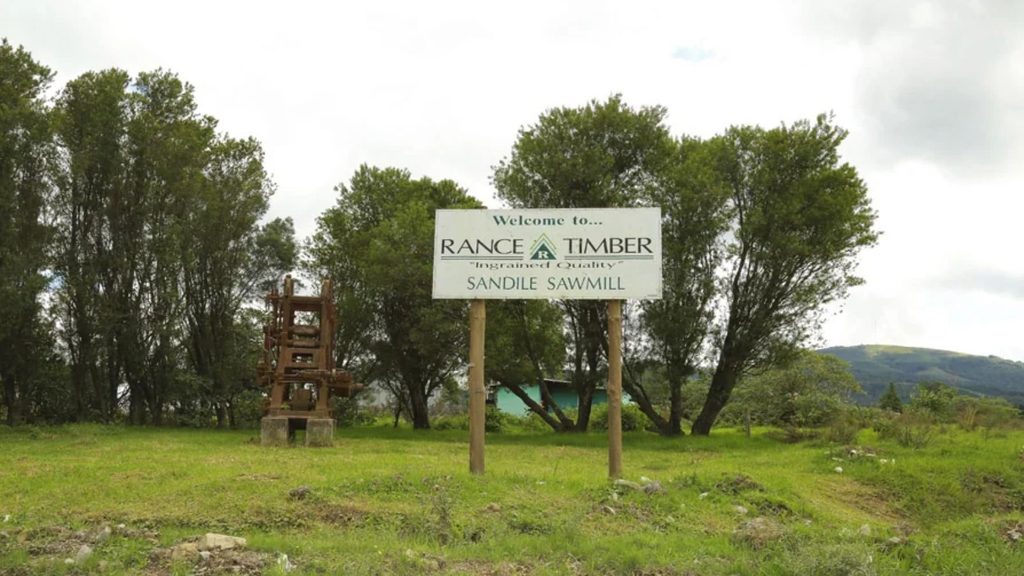
Family-owned Rance Timber has been sold to New Forests, with this being the first transfer of ownership in the company’s 116-year history.
This will bring to an end four generations of family ownership and was forced by family members approaching retirement without a clear succession solution.
Standard Bank, which advised the Rance family on the deal, said the shareholders wanted to realise the value of the company while ensuring it operates into the future.
Founded by HC Rance in 1910, the company has steadily evolved into a vertically integrated timber operation in the Eastern Cape.
Rance founded the company to benefit from South Africa’s surging timber business, with the local population experiencing significant growth.
Apart from residential and basic industrial properties, timber was the primary source for struts and supports in South Africa’s mining industry before the sector modernised.
While the industry boomed, the family took a deliberately cautious approach to growth to ensure the business was sustainable when a downturn eventually came.
The family also did not scatter the company’s operations around South Africa, preferring to keep all its assets concentrated in the Amathole region of the Eastern Cape.
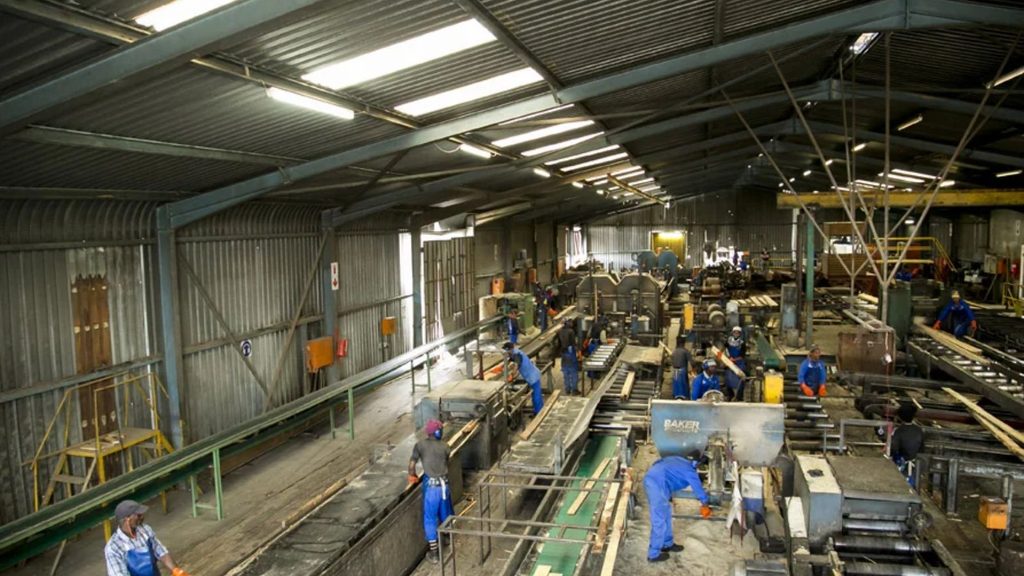
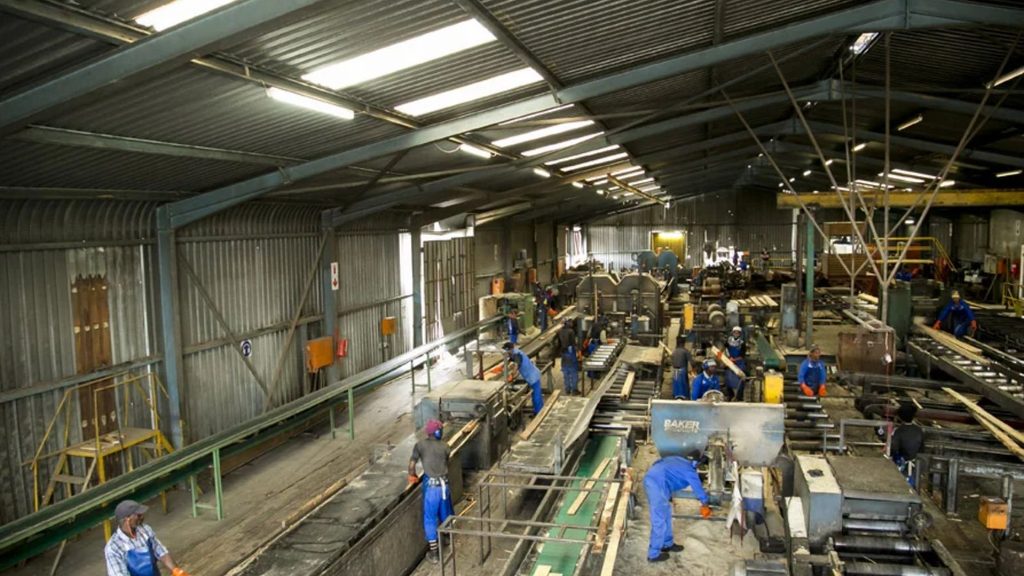
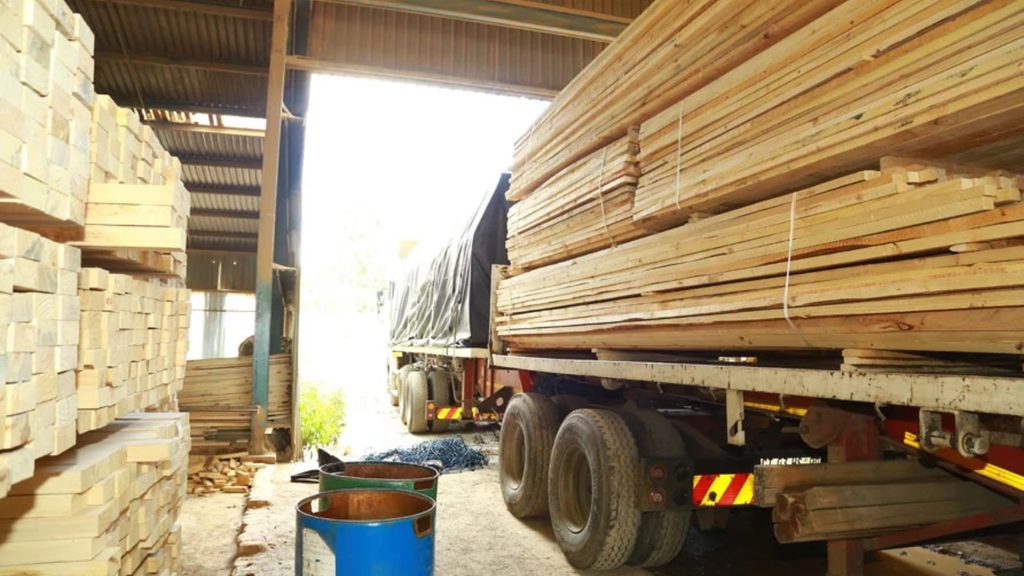
It has two primary processing facilities near the town of Stutterheim – the Kubusi Sawmill for large logs and the Sandile Sawmill for small logs.
However, the primary agent for change and the development of its 15,000 hectares of forest was a veld fire that almost put Rance out of business.
A veld fire in 2003 destroyed 40% of state-owned plantations in the Amathole region, disrupting log supplies to Rance’s sawmills.
This forced the company to take matters into its own hands and form Amathole Timber Holdings to buy the state’s forestry company and manage the forests privately.
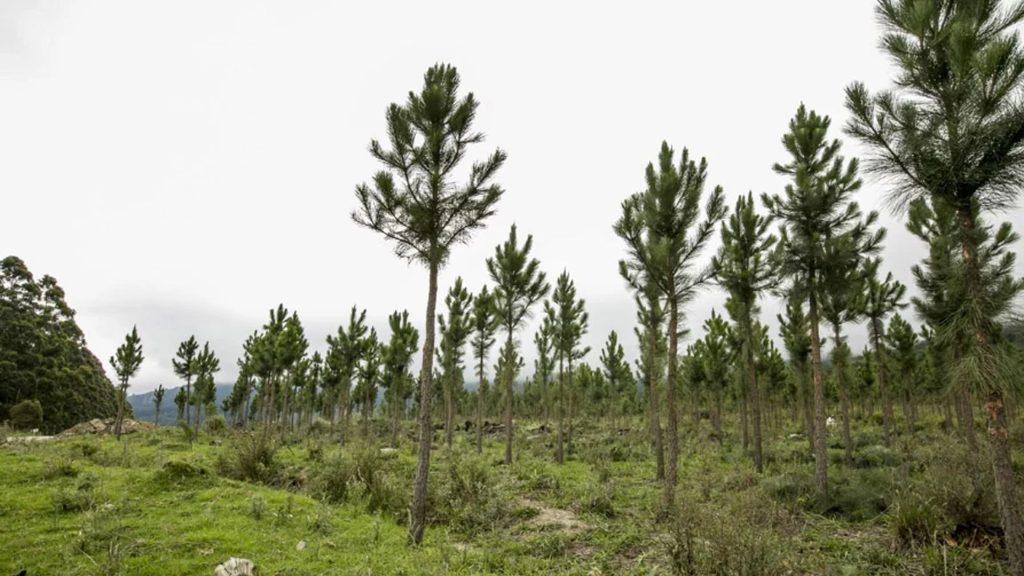
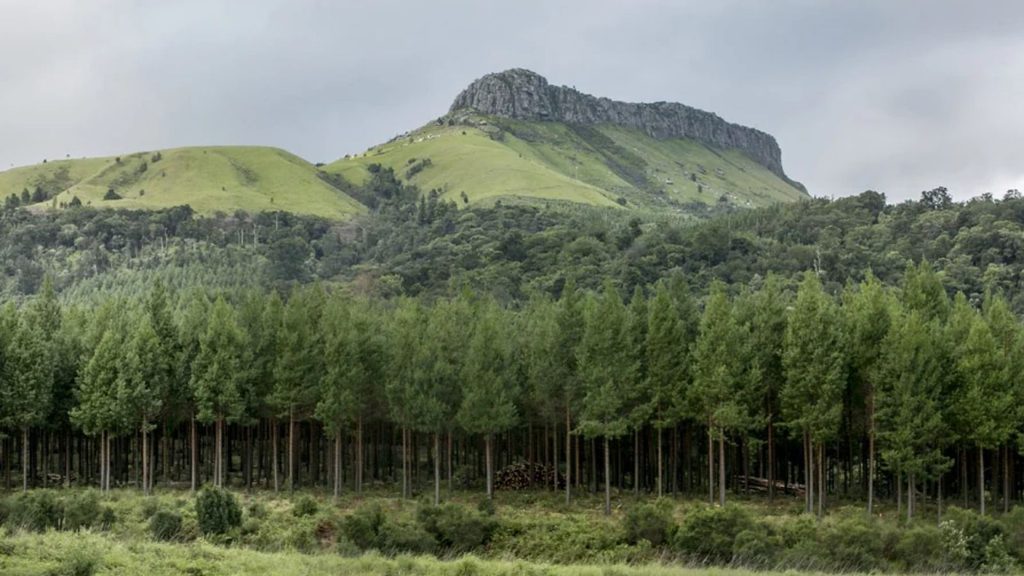
Today, these forests are the company’s most valuable asset, with Rance owning 15,000 hectares of manmade forest in the Eastern Cape.
The company also has 10,000 hectares of conservation land to help it prevent and manage forest fires.
However, while the company has enviable assets and is highly profitable, the family lacked one important ingredient for future growth – a successor.
Global investors come knocking
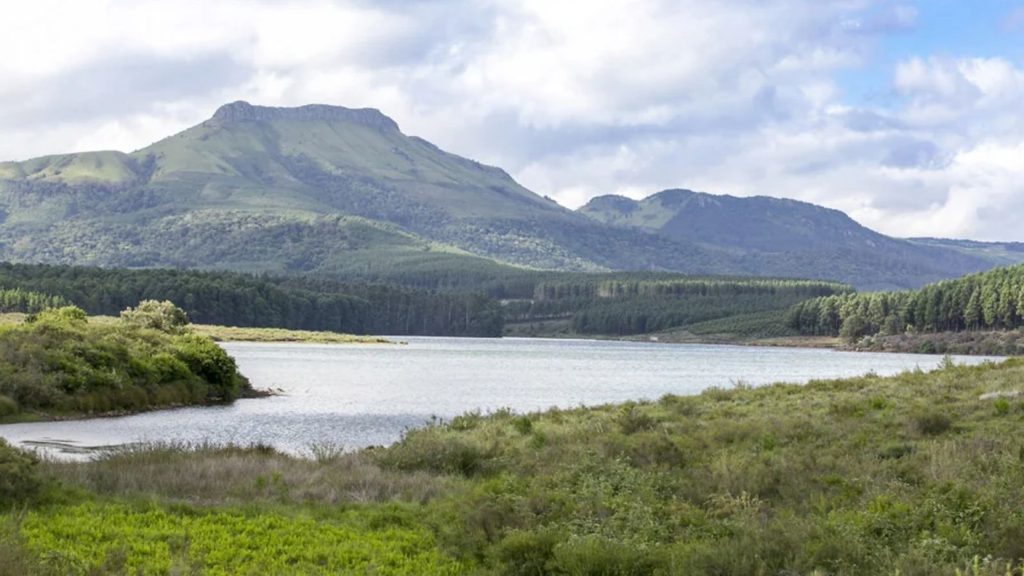
As members of the family approached retirement without clear succession to the next generation, they began searching for new owners.
Selling the business would also give the family the ability to realise the value of the company built over the past four generations.
Standard Bank’s corporate finance advisory team explained that a transaction of this nature is difficult as the number of buyers is naturally small.
Another complicating factor is Rance Timber’s history as a family business, with the Rance family wanting to ensure the new owners would not just hollow out the business to make a quick buck.
This narrowed the buyer pool further, with forestry and sawmilling attracting a small group of investors, particularly in a slow-growing economy.
Ultimately, New Forests would be the ideal buyer for the company, with the global investment manager specialising in nature-based assets and timber plantations.
The acquisition of Rance Timber is its second investment on the African continent, with the investor owning businesses in the United States, France, Singapore, and Kenya.
This brings 116 years of family ownership to a close, with Rance Timber now set alongside New Forests’ existing assets.
New Forests is a unique asset manager, with it investing capital from pension funds and sovereign wealth funds into timber plantations and wood-processing infrastructure.
The manager aims to generate a return for investors while ensuring timber is sustainably farmed and processed.
It also sells carbon credits to companies. Effectively, these companies purchase a part of New Forests’ timber plantations and use it to offset their carbon emissions.
What made Rance Timber attractive to New Forests was its 15,000 hectares of forest and the quality of the company’s log resources.
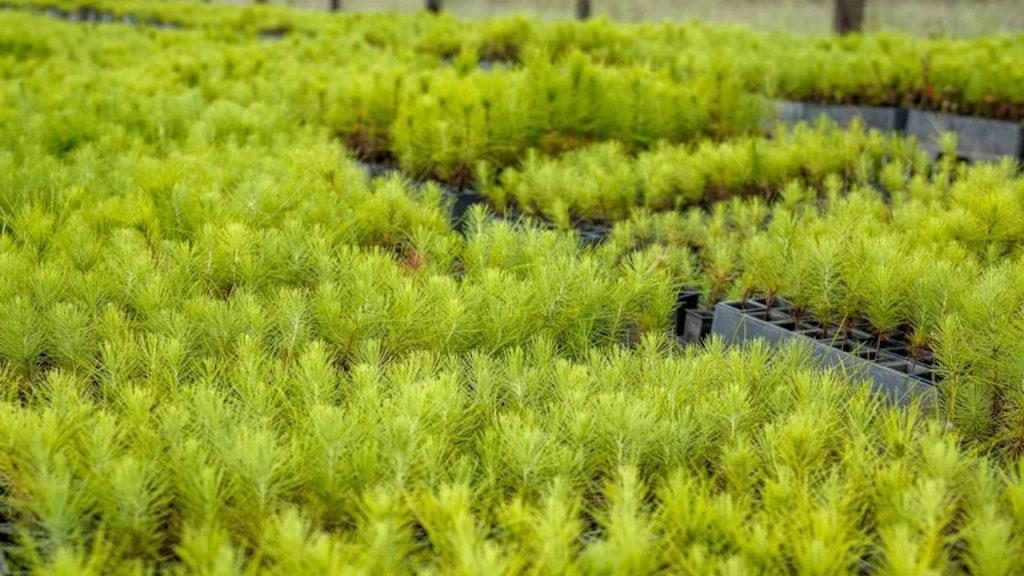
The company’s specialisation in pine trees enables it to produce superior quality timber boards, enabling it to charge a premium for its products.
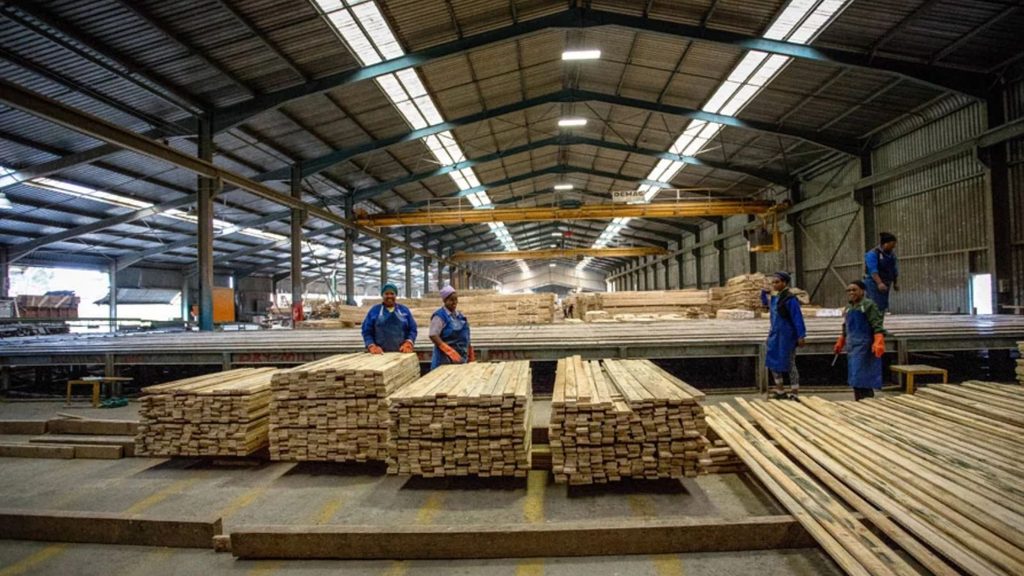
These products are mostly sold into South Africa’s construction industry, with Rance producing furniture-grade timber through to structural boards and logs.
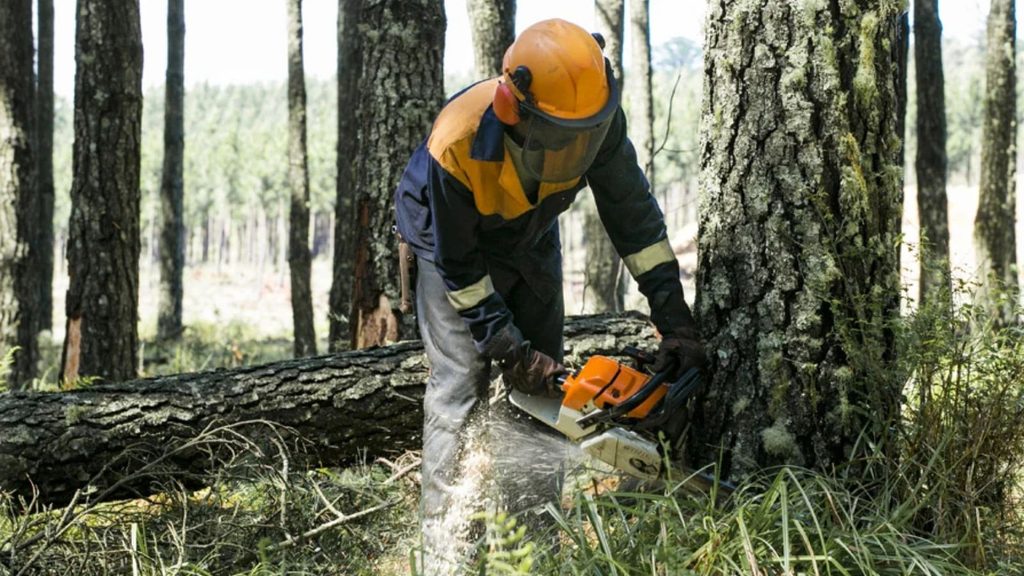
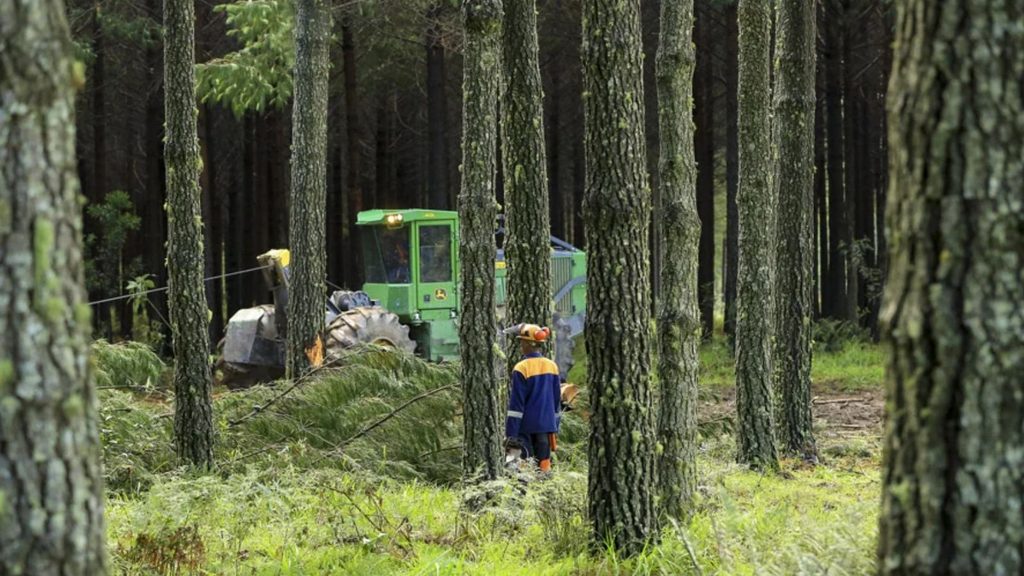
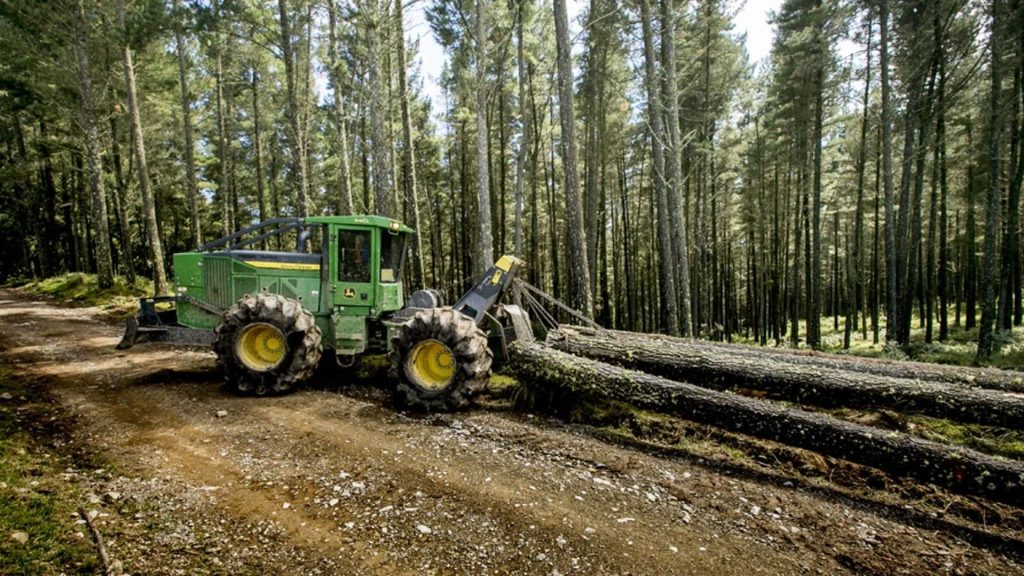
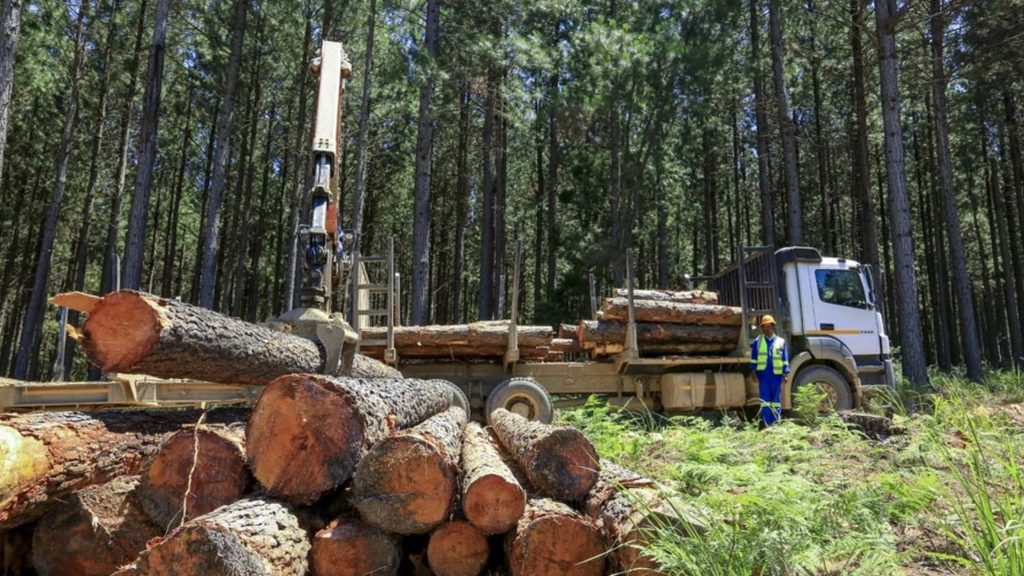
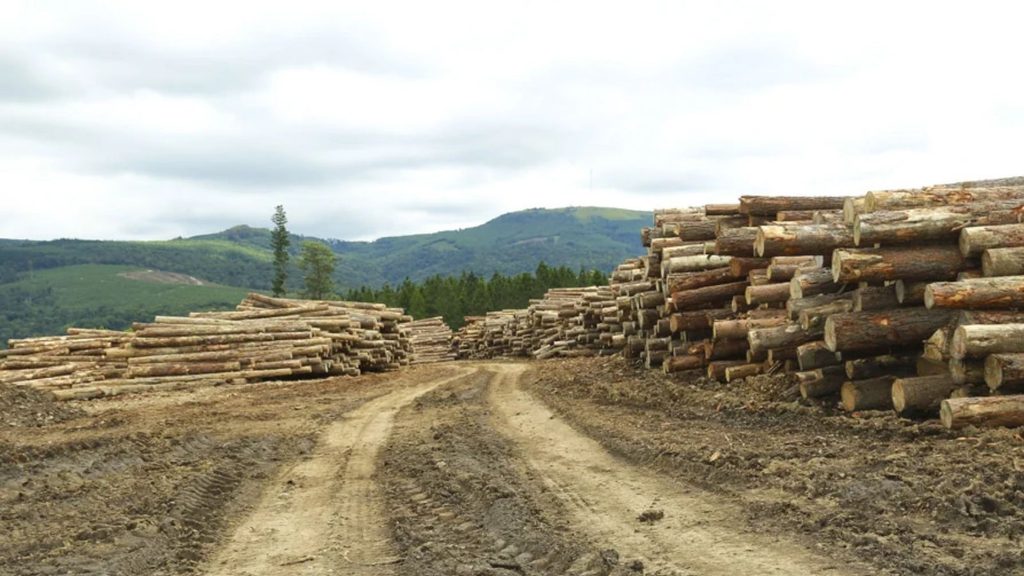
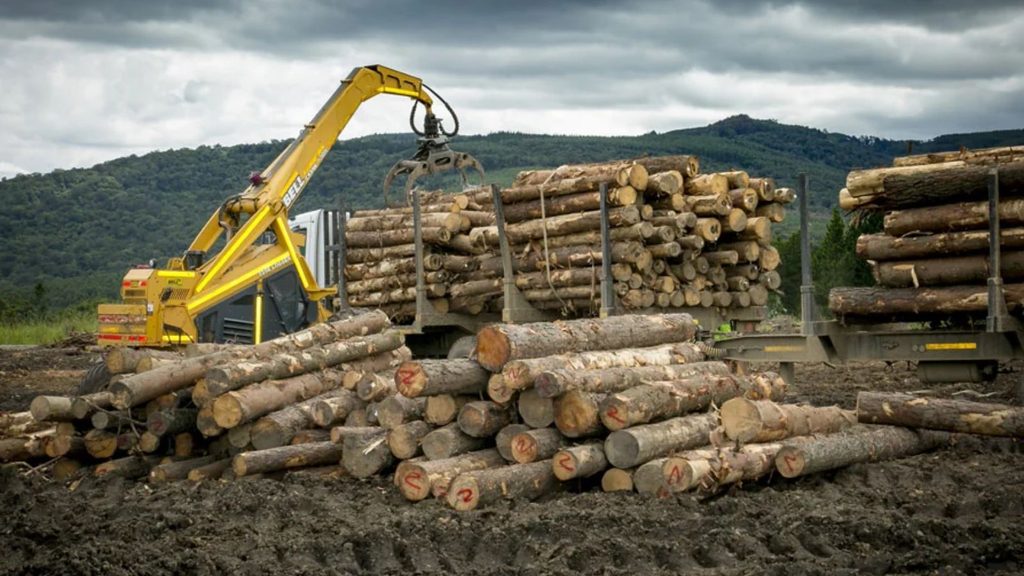
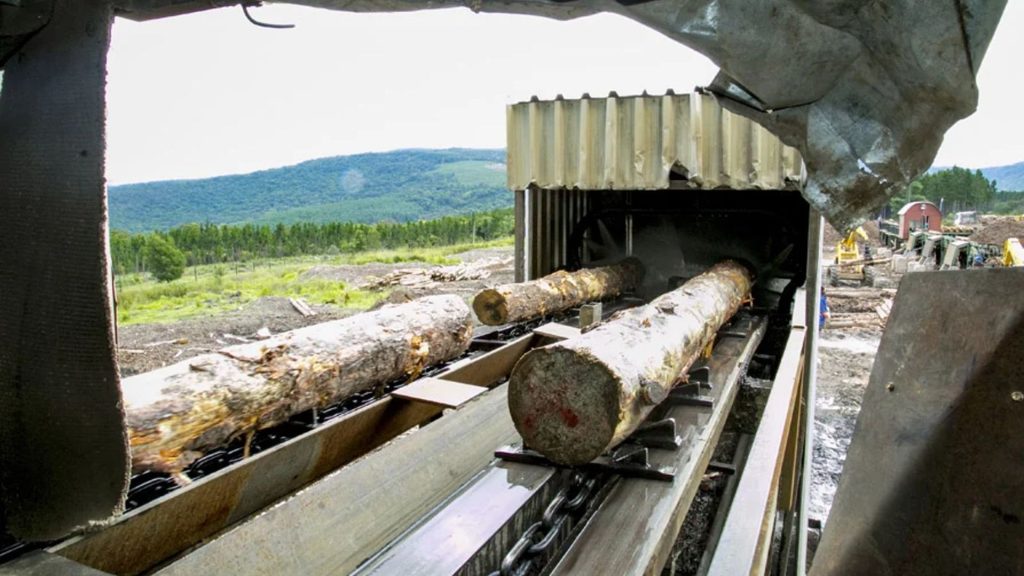
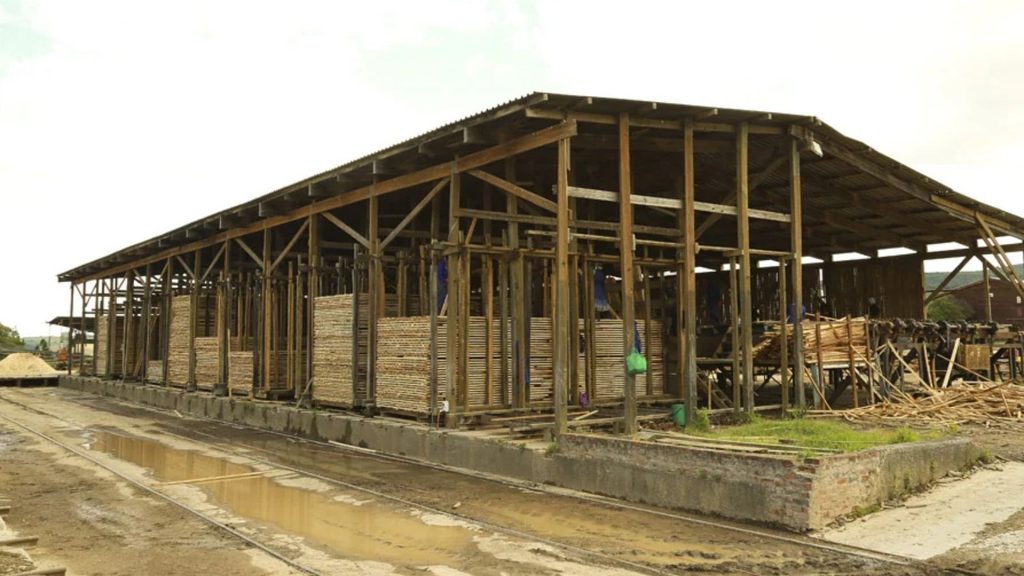
Rance Timber photos
Log in or register for free access to all articles.





Conversation
6 commentsIts nice 15000 hectares of land that was taken from natives. Decedents will never admit that it is white privilege.