Iconic 105-year-old South African food producer changing in front of everyone’s eyes


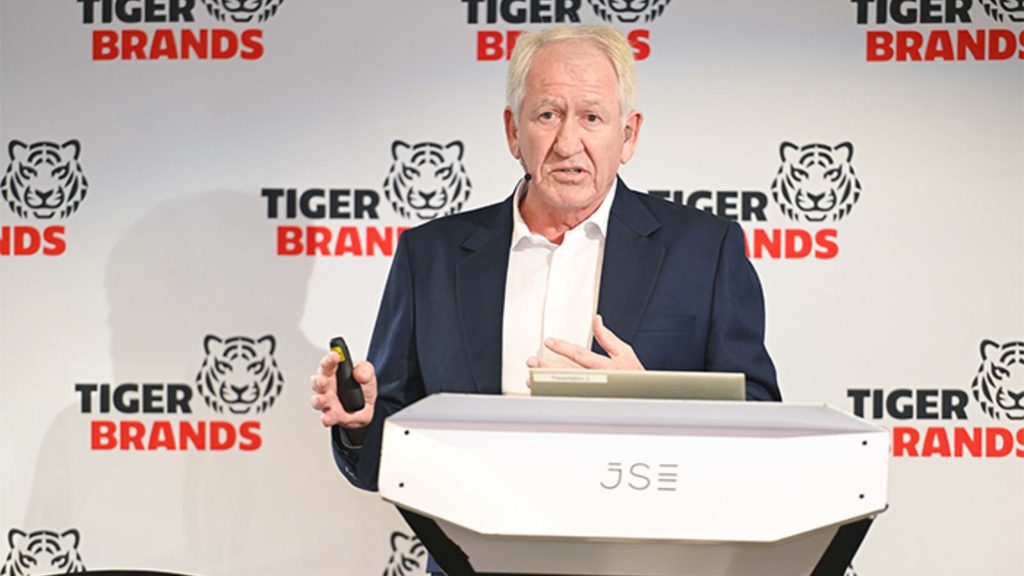
Tiger Brands’ portfolio optimisation is nearing completion, with it disposing of the Beacon chocolate brand and equipment in the second half of the 2026 financial year.
This disposal raised R121 million for the company after additional closure costs, advisory fees, and tax payments, it revealed in its financial results for the past year.
As such, the last step on its portfolio optimisation path is the disposal of its Chococam business based in Cameroon.
This business is being sold to Minkama Capital, and Tiger Brands expects the deal to be completed by the end of 2027.
The process of portfolio optimisation was started by CEO Tjaart Kruger when he took the helm in November 2023, when he explained that the company had lost focus on its key brands and “must-win” categories.
Founded in 1921, Africa’s largest food producer had underperformed as a result of unnecessary complexity and diluted investment across too many brands and products, Kruger said.
For example, with its chocolate businesses, Tiger Brands could not invest enough capital to maintain competitiveness with global giants such as Mondelez and Nestle, resulting in their disposal.
Kruger wants Tiger Brands to refocus on categories where it has a “right to win” and can leverage its scale to grow volumes and margins.
This has resulted in a focus on baked goods, beverages, cereals, flour, pasta, rice, and select snacking and personal care lines.
In these categories, Tiger Brands owns the dominant brands, such as Albany, Jungle Oats, Fatti’s and Moni’s, Tastic, Energade, Maynard’s, and Ingram’s.
Kruger said the refocus on these brands would de-risk and de-seasonalise the business, while ensuring it can benefit from economies of scale.
This resulted in a 30-month period where Tiger Brands disposed of brands it deemed non-core and exited categories where it could not win to free up capital.
Major disposals include the Langeberg & Ashton Foods fruit canning business, Baby Wellbeing, Empresas Carozzi in Chile, and now Beacon and Chococam.
Tiger Brands also shut down old plants, such as its Randfontein operations, and moved them into state-of-the-art mega plants.
This has fundamentally transformed the business into a more focused entity on brands that have dominant positions in their market, oftentimes being the number one brand in a category.
It has also led to generous payouts to shareholders, with Tiger Brands returning R10.1 billion to shareholders since the 2024 financial year in the form of special dividends and share buybacks.
The company has also invested in its remaining assets by developing megaplants across South Africa to leverage its scale and reduce exposure to unreliable municipal services.
Tiger Brands’ financials
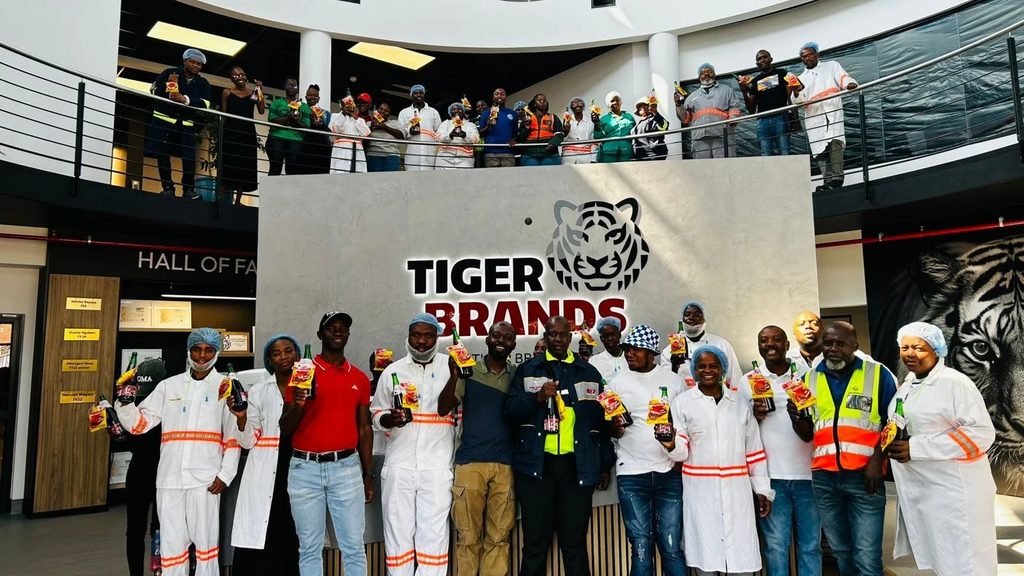
Tiger Brands posted a strong underlying financial performance, with some of its metrics skewed by the Empresas Carozzi disposal in the previous year.
Normalised revenue grew by 3.3% to R33.4 billion on the back of strong volume growth of 4.5%.
However, total group revenue declined by 0.5% due to this including discontinued operations.
Crucially, the company’s disposals and investments in efficiency have resulted in a surge in profitability during the 2026 financial year.
In a stagnant economy, Tiger Brands expects volume growth to remain under pressure, with it focusing on improving efficiency to grow its bottom line.
Operating income rose by 12.6% to R4.3 billion, with the company’s operating margin widening to 12.6%.
This was largely driven by Tiger Brands’ Culinary division, which remains its largest profit contributor with R1.25 billion.
Its Grains business experienced a significant earnings rebound. While revenue fell slightly, operating income grew to R1.13 billion.
The Milling and Baking business also experienced a decline in revenue, but grew its operating income to R826 million.
Ultimately, this translated into headline earnings per share growing by 5.2% to R21.62 per share. This was boosted by the company buying back shares throughout the year.
Headline earnings remained flat at R3.17 billion, but were divided by a smaller base thanks to the buybacks, boosting the per-share metric.
Profit for the year attributable to shareholders declined to R3.43 billion, with Tiger Brands explaining that the previous year was inflated by one-off disposal profits.
Tiger Brands remains highly cash-generative, with its operations producing R7.43 billion in cash in the 2026 financial year compared to R7.11 billion in the year prior.
Despite this, the company’s hefty special dividends and share buybacks have driven it into a net debt position of R472 million from a net cash position of R4.49 billion in the prior year.
Tiger Brands declared a final ordinary dividend of R12.99 per share, which brings the total dividend for the year to R17.29 per share.
Log in or register for free access to all articles.