South Africa’s oldest airline is in such deep financial trouble that it cannot make full salary payments


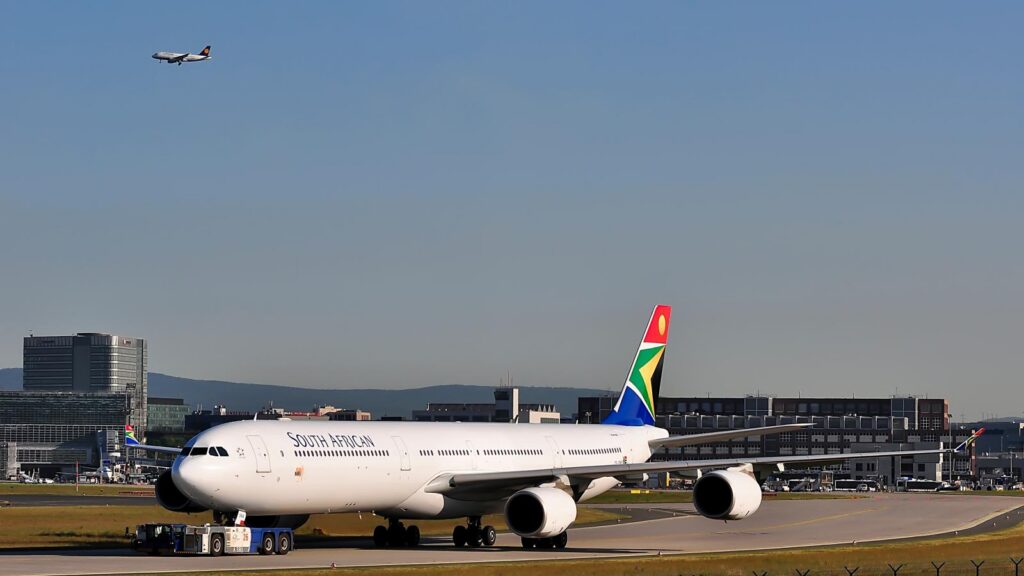
South African Airways (SAA) has once again landed in financial trouble, needing a government guarantee to operate and unable to make full salary payments.
On Tuesday, 27 October 2026, trade union Solidarity raised concerns regarding outstanding salary payments at the airline.
Employees from both SAA and South African Airways Technical (SAAT) are affected.
Solidarity added that there is also an ongoing dispute concerning overtime pay and other allowances at SAAT.
Solidarity aviation sector coordinator Derek Mans said SAA employees are the ones paying the price for the airline’s financial and management problems.
“Employees fulfil their obligations toward SAA and should be able to expect the same from their employer,” he said.
“People have home loans, rent, school fees, and other financial commitments to meet. They cannot be left wondering whether their salaries will arrive on time.”
Solidarity said financial or cash-flow pressure cannot justify repeated salary delays and that SAA’s management must take responsibility.
“They must provide clarity regarding the reasons for the late payments, and announce measures to prevent a recurrence,” he said.
Solidarity is also concerned about SAAT’s interpretation and application of the agreement on conditions of service regarding overtime and allowances.
“Employees who work overtime or perform additional duties must be compensated in accordance with the applicable agreements,” Mans said.
Solidarity said SAAT should provide an account of its calculations and rectify any incorrect application of the agreement.
Concerns about SAA’s financial position
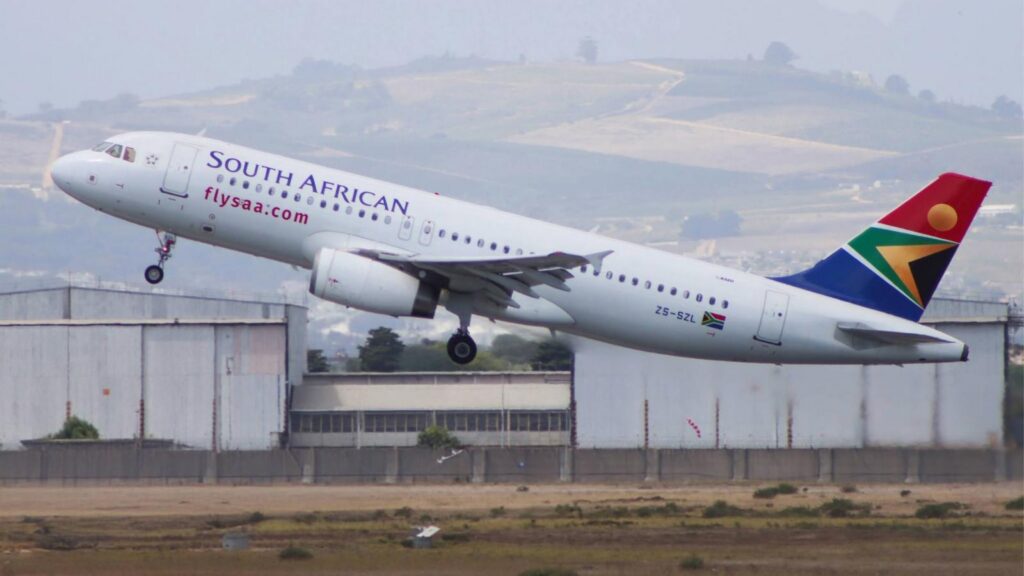
According to Solidarity, the outstanding salaries raise concerns regarding SAA’s cash flow and its ability to meet its financial obligations.
In August 2026, the government made R1 billion available as a guarantee to support SAA’s working capital requirements.
“The 2026 Medium-Term Budget Policy Statement also refers to further state guarantees related to unused tickets and corporate letters of credit,” Mans said.
“We cannot move from one financial crisis to the next, with employees repeatedly left to bear the consequences.”
It is not clear whether SAA has a sustainable business model, commercial expertise, and leadership strong enough to continue without state support.
Solidarity said SAA requires a strategic equity partner to create a sustainable airline.
This partner should do more than provide capital. It must also bring commercial expertise, sound management, and decisive leadership to the airline.
“The answer cannot be yet another short-term lifeline, after which SAA would simply return to the state when the next crisis arises,” said Mans.
“South African Airways needs a strategic partner with a direct stake in the airline’s long-term success.”
According to Solidarity, such a partnership should strengthen SAA’s financial position, improve operational performance, and create certainty for employees.
SAA’s troubled past returning
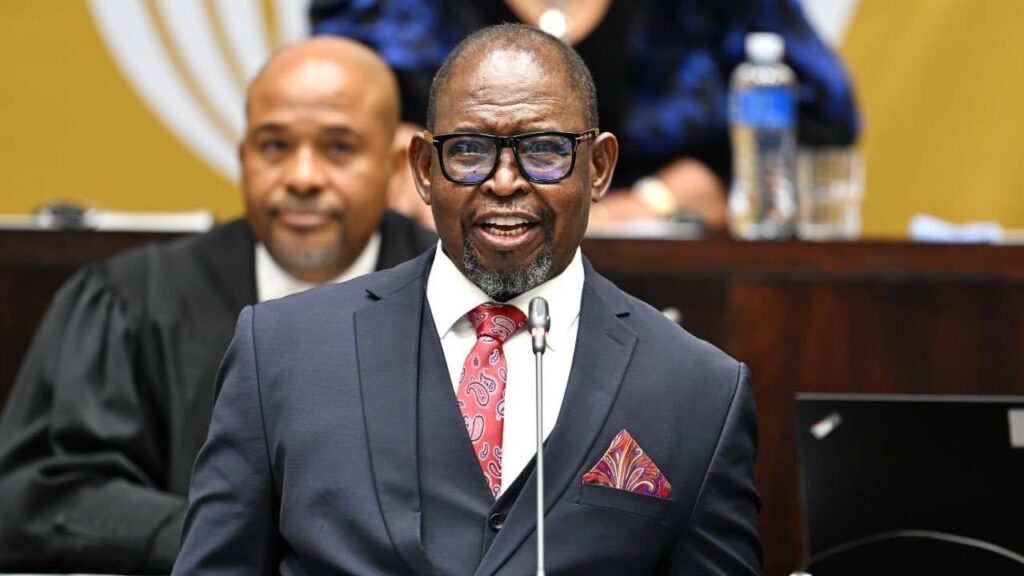
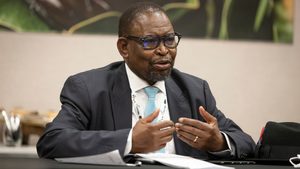
Finance Minister Enoch Godongwana’s revelation that South African Airways received a R1 billion guarantee from the government was concerning.
This flies in the face of previous claims by the National Treasury and ministers that the state-owned airline will not receive any further assistance.
SAA has been a drain on the country’s finances for years, caused by mismanagement, corruption, and political interference.
The national flag carrier received R50.7 billion in direct government funding from 2007 to 2022, of which R48.4 billion was received between 2012 and 2022.
In 2023, the National Treasury revealed that the total direct recapitalisation amount for SAA from 2007 to 2019 was R22.8 billion.
However, even more was spent on the struggling state-owned airline since the business rescue process was announced in December 2019.
An additional R16.4 billion was allocated over the 2020 Medium Term Expenditure Framework (MTEF) period to repay government-guaranteed debt.
R10.5 billion was also made available to SAA in 2020/21 to implement the business rescue plan following the 2020 Medium Term Budget Policy Statement.
The Minister of Finance allocated an additional R1 billion in the February 2023 budget speech to SAA to settle outstanding obligations in the business rescue process.
Despite billions in bailouts, the SAA failed to become a sustainable airline, wasting taxpayers’ money.
The former Department of Public Enterprises sought to reach a deal with the Takatso Consortium to acquire a 51% stake in SAA, but the deal failed.
SAA returned to 100% state ownership under the newly established framework for oversight of state-owned enterprises.
Former Finance Minister Tito Mboweni advocated shutting down SAA rather than continuing to fund it with public money.
He argued that state bailouts for the airline were indefensible when competing with social spending needs such as health and education.
In March 2024, former Minister of Public Enterprises, Pravin Gordhan, promised that SAA would not receive further bailouts.
“We want to make it clear. There’s no going back to the past where SAA relied on the government for money,” he said.
However, these were empty promises, as SAA is back on state support to make ends meet.


Conversation
2 commentsJust another monument of ANC corruption.