Big SAA lie: R1 billion guarantee after ANC government promised it would never happen again


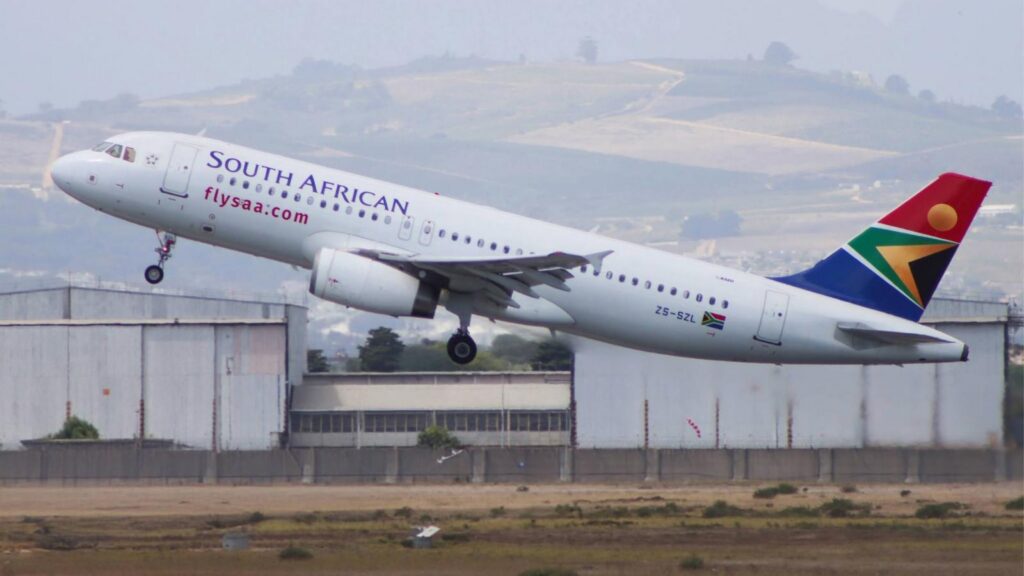
Finance Minister Enoch Godongwana’s Medium Term Budget Policy Statement revealed that South African Airways (SAA) received a R1 billion guarantee from the government.
This flies in the face of previous claims by the National Treasury and Ministers that the state-owned airline will not receive any further assistance.
SAA has been a drain on the country’s finances for years, caused by mismanagement, corruption, and political interference.
The national flag carrier received R50.7 billion in direct government funding from 2007 to 2022, of which R48.4 billion was received between 2012 and 2022.
In 2023, the National Treasury revealed that the total direct recapitalisation amount for SAA from 2007 to 2019 was R22.8 billion.
However, even more was spent on the struggling state-owned airline since the business rescue process was announced in December 2019.
An additional R16.4 billion was allocated over the 2020 Medium Term Expenditure Framework (MTEF) period to repay government-guaranteed debt.
R10.5 billion was also made available to SAA in 2020/21 to implement the business rescue plan following the 2020 Medium Term Budget Policy Statement.
The Minister of Finance allocated an additional R1 billion in the February 2023 budget speech to SAA to settle outstanding obligations in the business rescue process.
Therefore, when the 2023 Appropriation Bill was assented to as law, SAA received R50.7 billion in direct government funding.
Despite billions in bailouts, the SAA failed to become a sustainable airline, wasting taxpayers’ money.
The former Department of Public Enterprises sought to reach a deal with the Takatso Consortium to acquire a 51% stake in SAA, but the deal failed.
SAA returned to 100% state ownership under the newly established framework for oversight of state-owned enterprises (SOEs).
The government’s promise about SAA: Never again

South African taxpayers grew tired of corruption and mismanagement at SOEs and of the government having to bail them out.
Former Finance Minister Tito Mboweni advocated shutting down SAA rather than continuing to fund it with public money.
He argued that state bailouts for the airline were indefensible when competing with social spending needs such as health and education.
In February 2022, Godongwana told the National Assembly that more than R308 billion has been used to bail out failing SOEs.
He added that these bailouts have resulted in a reduction of R257 billion in public funds available for frontline services and infrastructure.
“State-owned companies must develop and implement sustainable turnaround plans, and their future is under consideration,” he said.
“We will also reduce the continual demands on South Africa’s limited public resources from state-owned companies.”
In March 2024, former Minister of Public Enterprises, Pravin Gordhan, promised that SAA would not receive further bailouts.
“We want to make it clear. There’s no going back to the past where SAA relied on the government for money,” he said.
“SAA must run its operations as efficiently as it can and as profitably as it can and sustain itself.”
“There are various other ways in which immediate financing can be obtained, but at no stage will SAA get money from the fiscus.”
R1 billion government guarantee for South African Airways
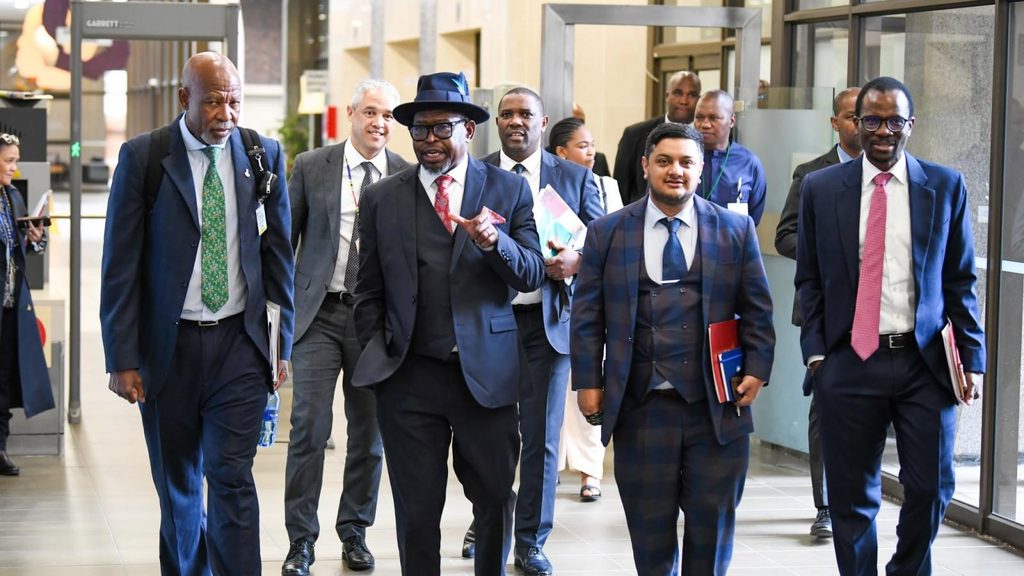
On Wednesday, 21 October 2026, Finance Minister Enoch Godongwana revealed that the government gave SAA a R1 billion guarantee.
“The government provided a R1 billion guarantee in August 2026 to support working capital requirements,” he said in his Medium Term Budget Policy Statement.
“The airline also has about R223 million in government guarantees related to unflown-ticket liabilities and letters of credit.”
He explained that fiscal exposure to SAA increased in 2026 due to pressure on its operations and finances from the fuel price shock.
“The residual risk depends on its ability to absorb these pressures and meet its operating and financing requirements without additional government support.”
Although the National Treasury was quick to point out that it was a guarantee, not a bailout, these are semantics.
In the past, billions in government guarantees issued to SAA became taxpayer-funded bailouts because the airline could not repay its debts.
The National Treasury has had to allocate billions to meet debt redemptions on SAA’s guaranteed facility, as the carrier could not meet the debt obligations on its own.
Considering the airline’s troubles, including leadership instability and continued losses, there is no reason to believe it will be different this time.