The town which is the industrial engine of Mpumalanga behind 80% of South Africa’s electricity


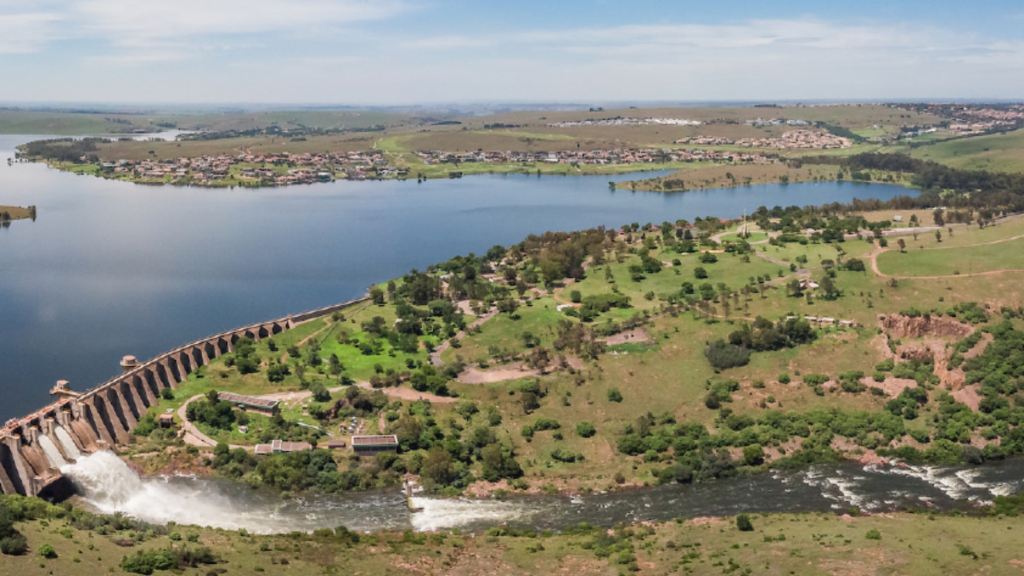
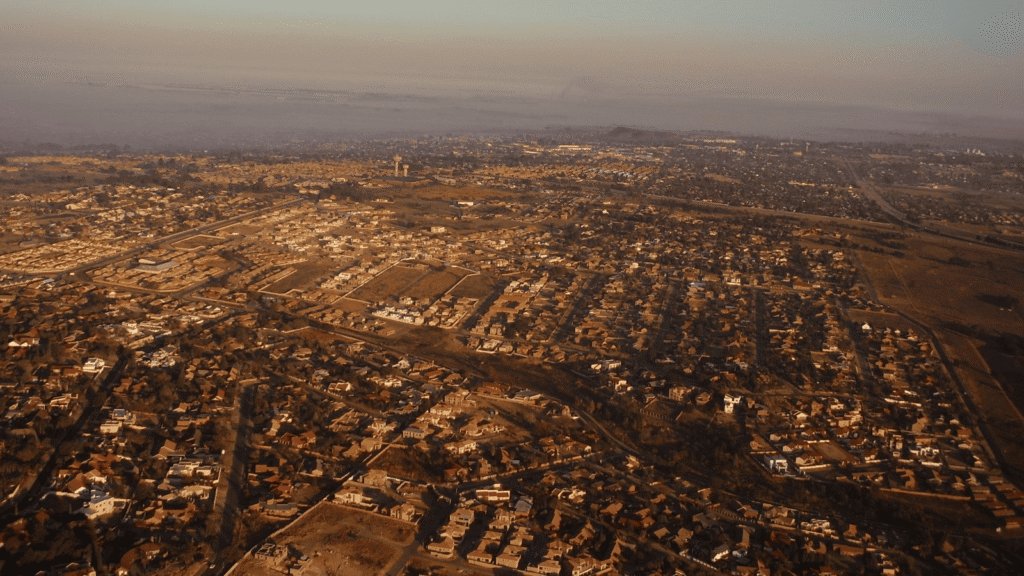
eMalahleni, formerly known as Witbank, is one of South Africa’s most important industrial centres and the heart of Mpumalanga’s coal-mining and electricity-generation industry.
Located 100km east of Pretoria and 120km from Johannesburg, the city sits at the centre of one of Africa’s largest coalfields.
More than 20 collieries operate in the surrounding area, supplying coal to power stations and heavy industries.
The municipality is also home to five Eskom coal-fired power stations, which make the region a major part of South Africa’s electricity supply chain.
Witbank was established in 1890, although coal mining in the area began even earlier. During the mid-1800s, farmers settling on the Highveld started extracting coal from riverbed outcrops for cooking and heating.
The town’s name comes from a white sandstone outcrop where wagon transport drivers would stop to rest. Witbank is Afrikaans for “white ridge”.
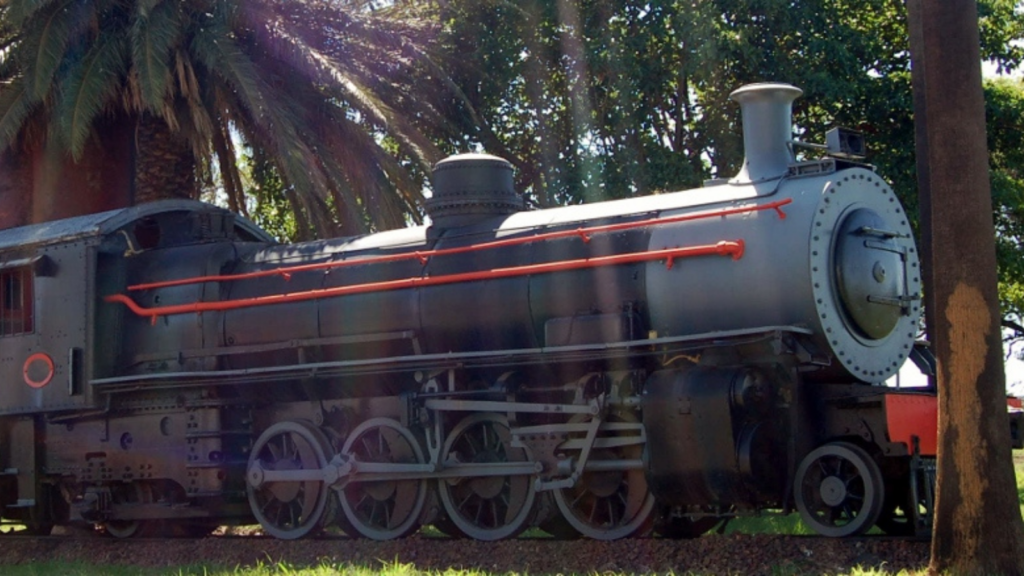
Early attempts to develop the coal deposits struggled because there was no reliable way to transport the coal to market. This changed when the railway from Pretoria reached the area in 1894.
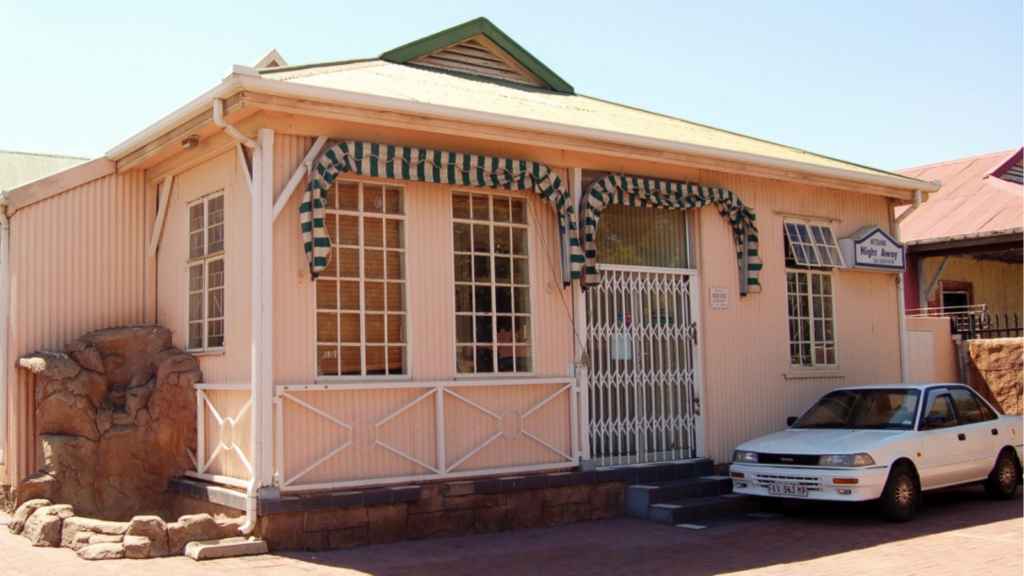
The growing coal industry led to the town being formally laid out by Witbank Colliery in 1903. Samuel Stanford subsequently erected one of its first buildings, a wood-and-iron structure that housed a shop and hotel.
Witbank became a municipality in 1914 and continued to expand around coal mining, steel manufacturing and electricity generation. It attained city status in 1994.
The town is also connected to one of the most famous figures in British history. During the South African War between 1899 and 1902, a young Winston Churchill hid in a colliery near Witbank after escaping from Pretoria.
Another well-known figure born in the town was South African musician Hugh Masekela.
Born in Witbank on 4 April 1939, the trumpeter became one of the country’s most popular instrumentalists and an outspoken opponent of apartheid.
In March 2006, Witbank’s name was officially changed to eMalahleni, a Nguni word meaning “place of coal”.
Today, the area remains a major industrial hub, with coal mining, power generation, metal smelting and manufacturing among its main economic activities.
South Africa’s electricity supply hub
eMalahleni’s importance to South Africa’s electricity industry dates back almost a century.
The original Witbank Power Station was developed because of the area’s large coal deposits, available water and proximity to the Witwatersrand goldfields, which were major electricity consumers.
The first generating sets were started provisionally in 1926. A fourth set and additional boilers were added as demand increased, bringing installed generating capacity to 80MW.
The station entered commercial operation on 1 July 1927 and was then the largest power station operated by the Electricity Supply Commission, which later became Eskom.
It supplied electricity to local residents, collieries and industrial businesses. Much of its output was also distributed through the Victoria Falls Power Company to gold mines, industries and towns along the Witwatersrand.
By 1936, all producing collieries in the Witbank district were connected to the electricity undertaking.
The station also became an important source of power for agricultural areas, including irrigation schemes and farms across the Eastern Transvaal.
Its role gradually declined as larger power stations were developed in the region. Wilge was commissioned in 1954, followed by Komati in 1962.
Camden, Grootvlei, Hendrina, Arnot and Kriel were also built as electricity demand increased.
The original Witbank Power Station ceased operating in 1970, but the surrounding area continued to develop as a major electricity-generation centre.
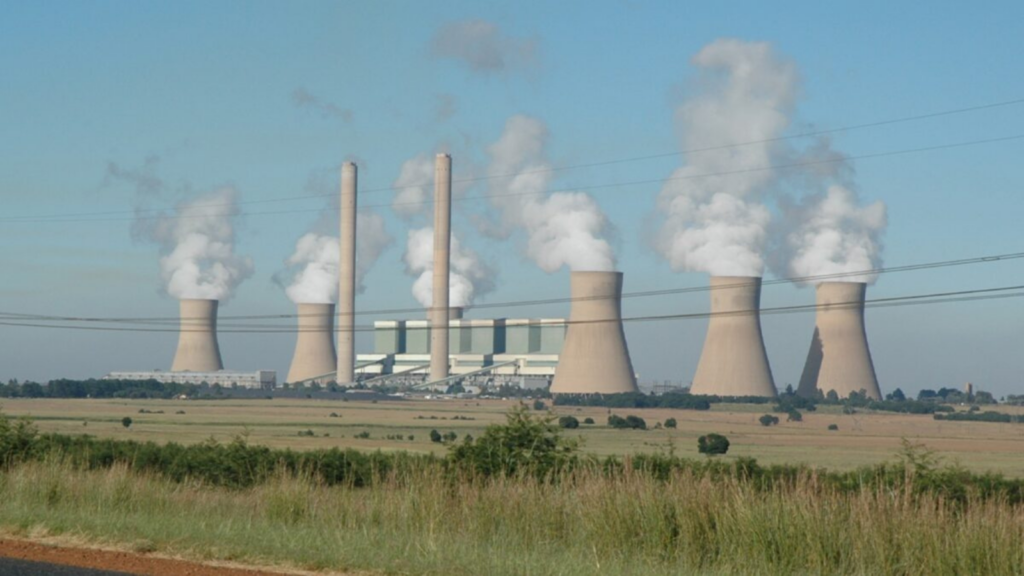
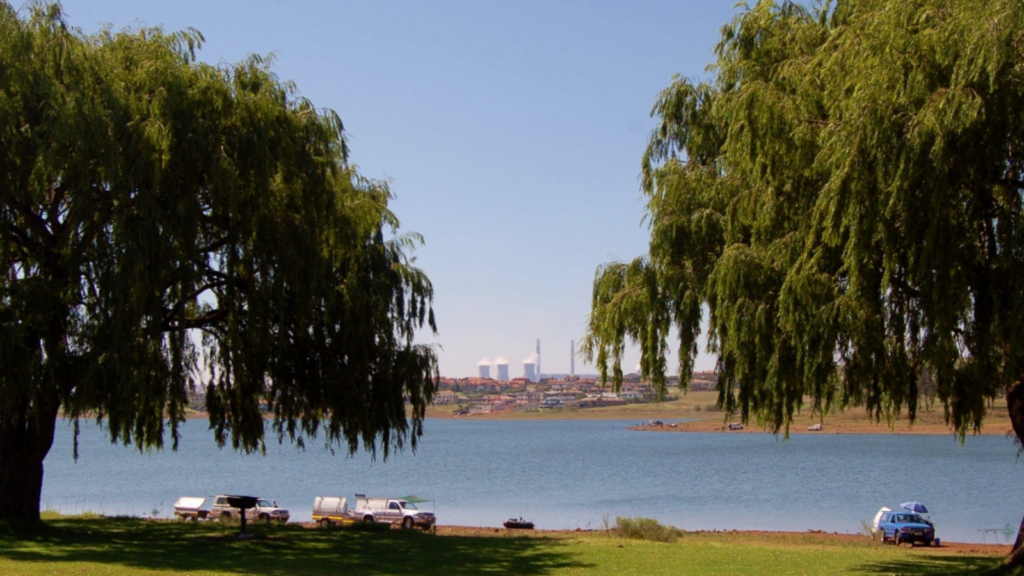
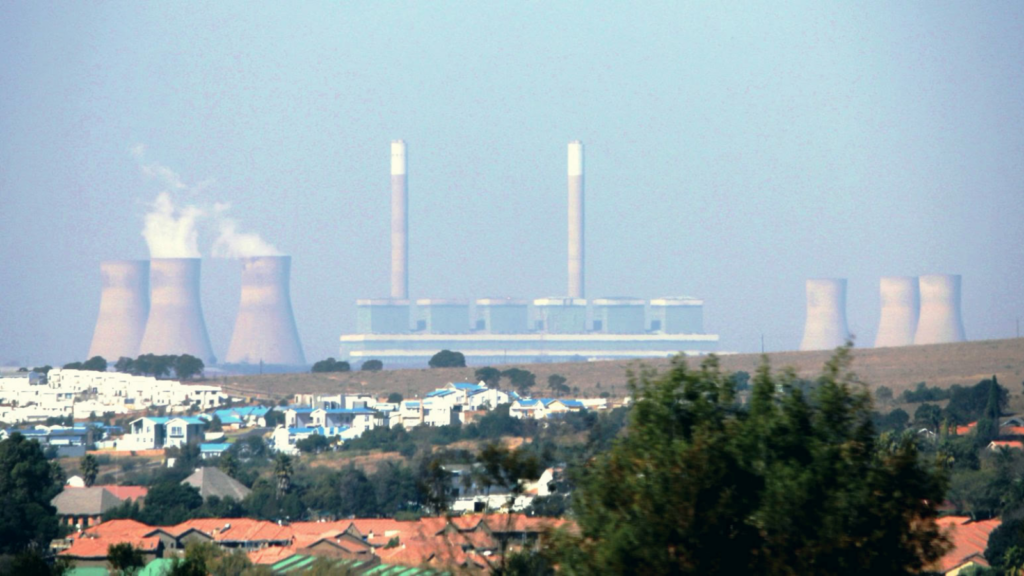
One of the most prominent facilities is Duvha Power Station, located around 15km east of Witbank.
Construction began in November 1975, with its six generating units entering commercial operation between August 1980 and February 1984.
Duvha is a baseload power station, meaning it is designed to operate continuously to help meet South Africa’s electricity requirements.
Its output is determined by the National Control Centre based on electricity demand, plant availability, and other system requirements.
The station employs 900 people and was built at a cost of around R1.6 billion. When completed, its 300-metre chimneys were the tallest freestanding concrete structures in the Southern Hemisphere.
In 1993, Duvha also became the first power station in the world to have pulse-jet fabric filter plants retrofitted to three of its six units.
These filters remove 99.99% of fly ash that would otherwise be released through the chimneys.
Coal remains central to the region’s electricity industry. The surrounding collieries supply power stations and other major industrial users, including steel and metal-processing operations.
The municipality’s five Eskom power stations include Kusile, Kendal, Duvha, Kriel and Matla.
The nearby Komati Power Station, which closed in October 2022, is being repurposed as a renewable energy hub under South Africa’s Just Energy Transition programme.
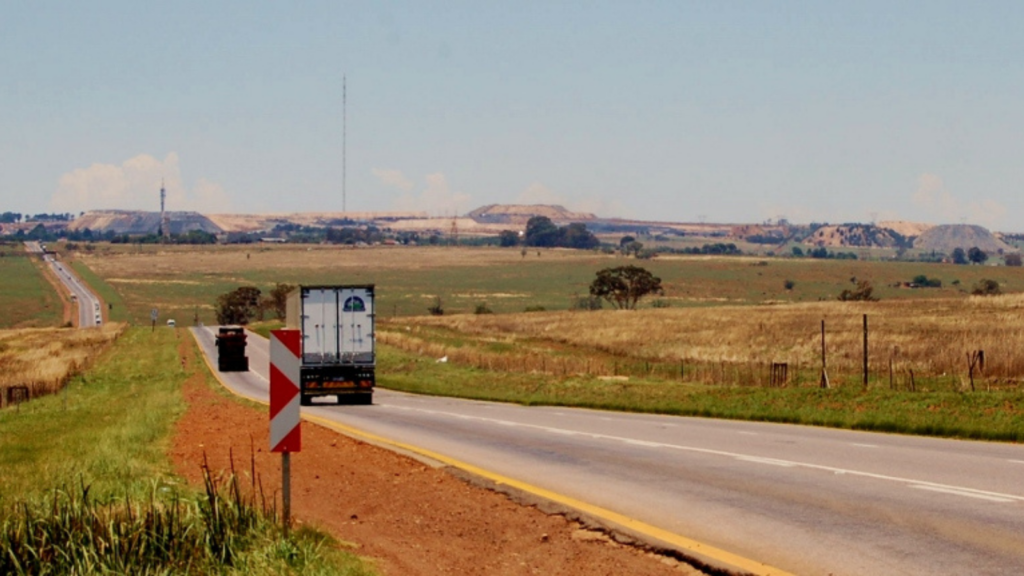
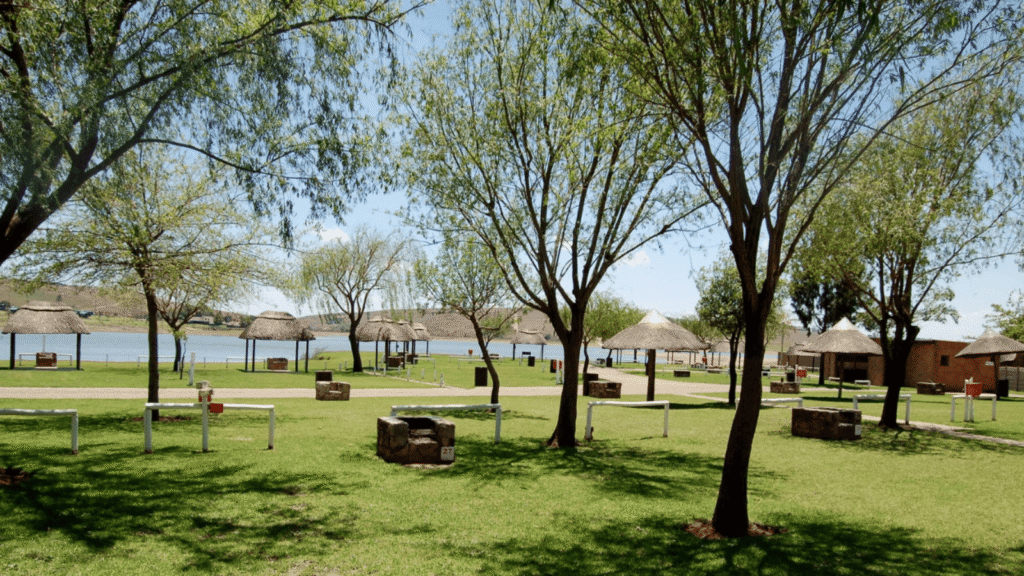
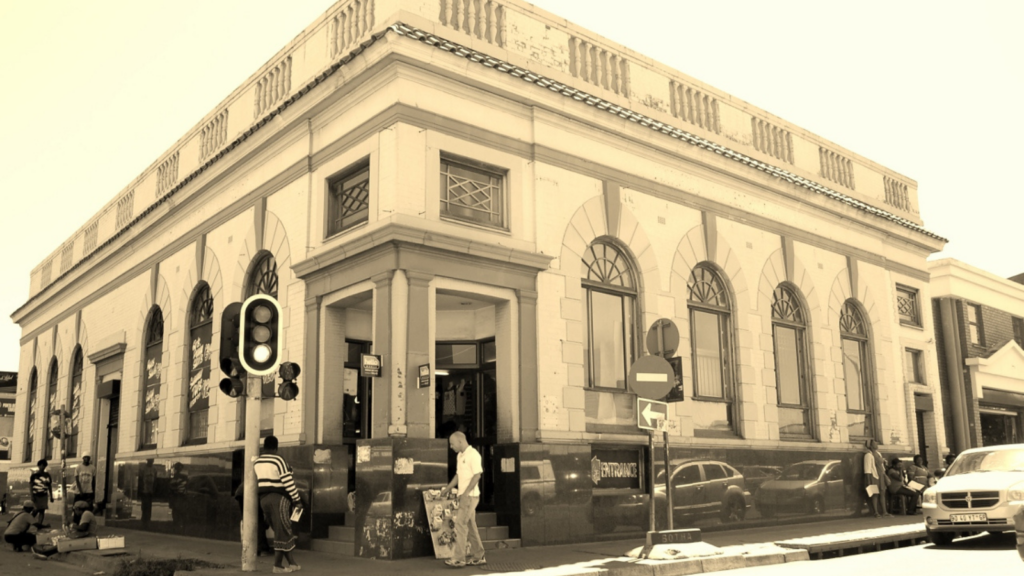
Photos of eMalahleni
Log in or register for free access to all articles.