The 202-year-old South African company behind top brands like Snowflake, Blue Ribbon, Super C, Mister Sweet, and Dove


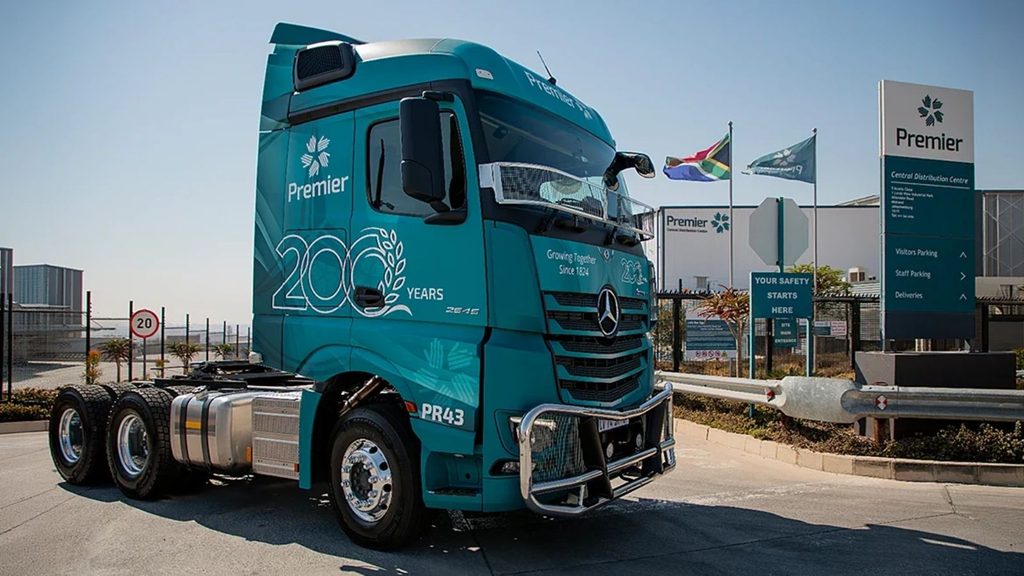
Founded in 1824, Premier is South Africa’s oldest food producer and has grown significantly, producing and distributing household staples.
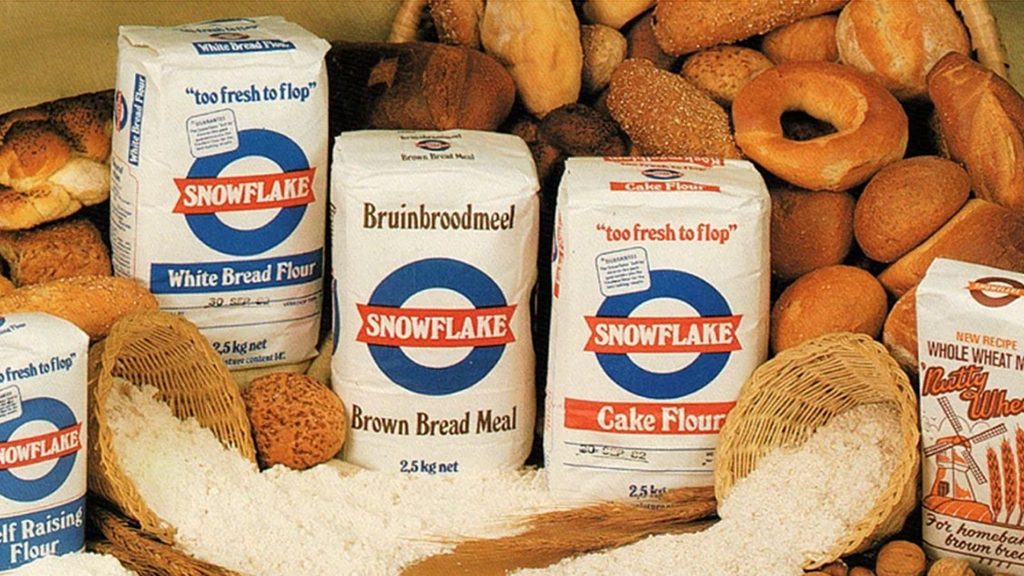
Its brands include Snowflake Flour, Blue Ribbon, Super C, Mister Sweet, and Iwisa No.1 Maize Meal. The company also owns Lil-lets and Dove cotton wool products.
This is a far cry from the company’s first operation, which was a small commercial bakery in Cape Town to supply the growing population in 1824.
At this time, Johannesburg had not yet been founded, and diamonds would not be discovered in Kimberley for another 45 years.
Much of young South Africa’s wealth came from the processing of agricultural products to feed the growing population in the Cape and sell to vessels on the way to and from India.
In the early 19th century, the expansion of the Cape Colony’s population resulted in so-called pioneer mills being established to supply wheat flour to urban settlements.
Premier began as a milling operation that took the process one step further and made its own bread using the flour. Then, it was called Attwell’s Bakery.
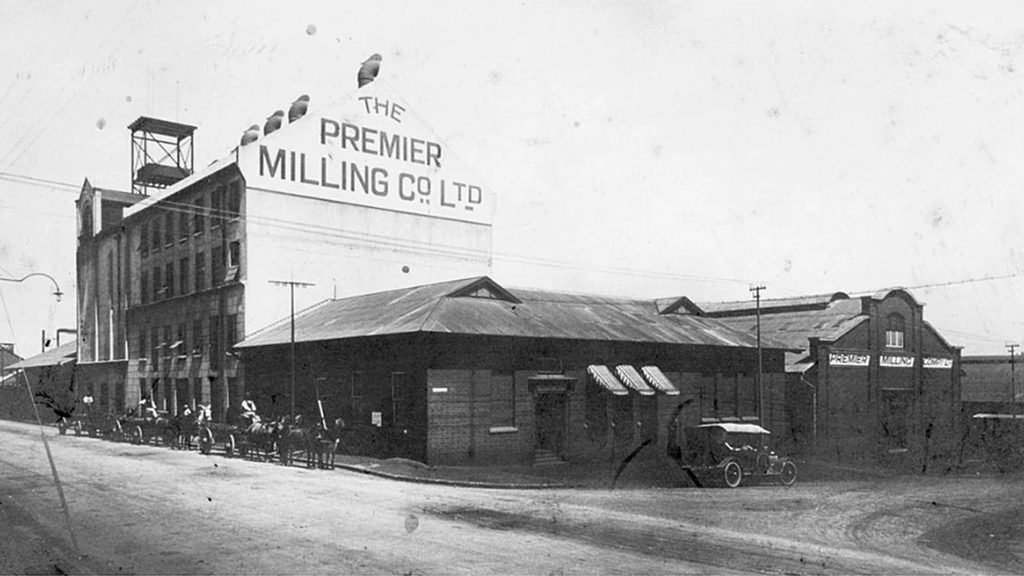
The company puttered along for nearly 100 years before it was formally incorporated as The Premier Milling Company in 1913.
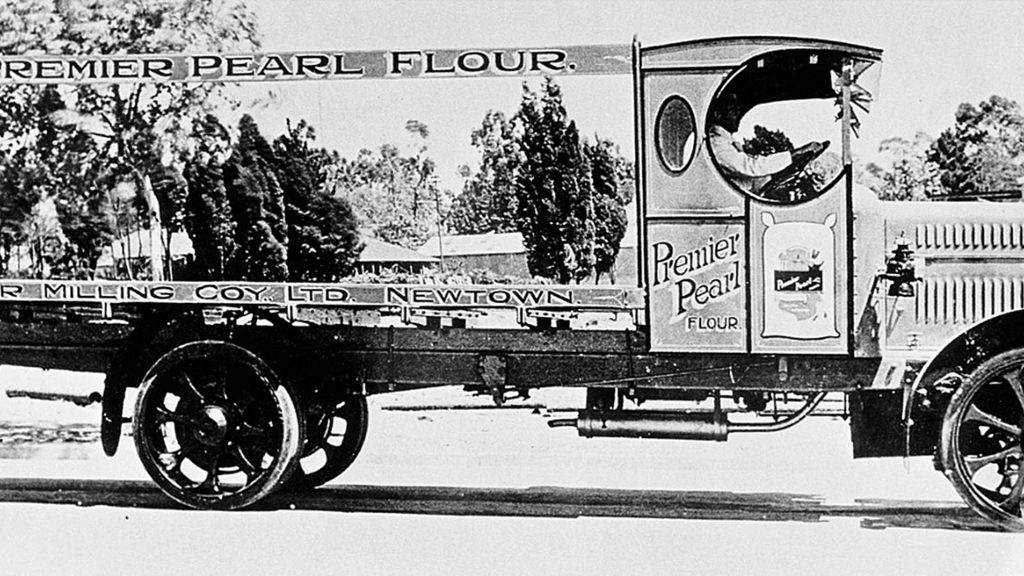
By then, it had created the iconic Snowflake brand that is synonymous with flour in South Africa. It had also invested in its own shipping line and South Africa’s first delivery truck.
This company began consolidating several grain mills and commercial bakeries to create an integrated business that could leverage economies of scale.
The consolidation also resulted in the company growing its exposure to maize and other consumer goods.
Premier was revolutionised by Tony Bloom in the 1970s and 1980s as it diversified into more food categories and fast-moving consumer goods.
At the time, South African companies had limited opportunities to invest outside the country, resulting in large conglomerates taking up large shares of the local economy.
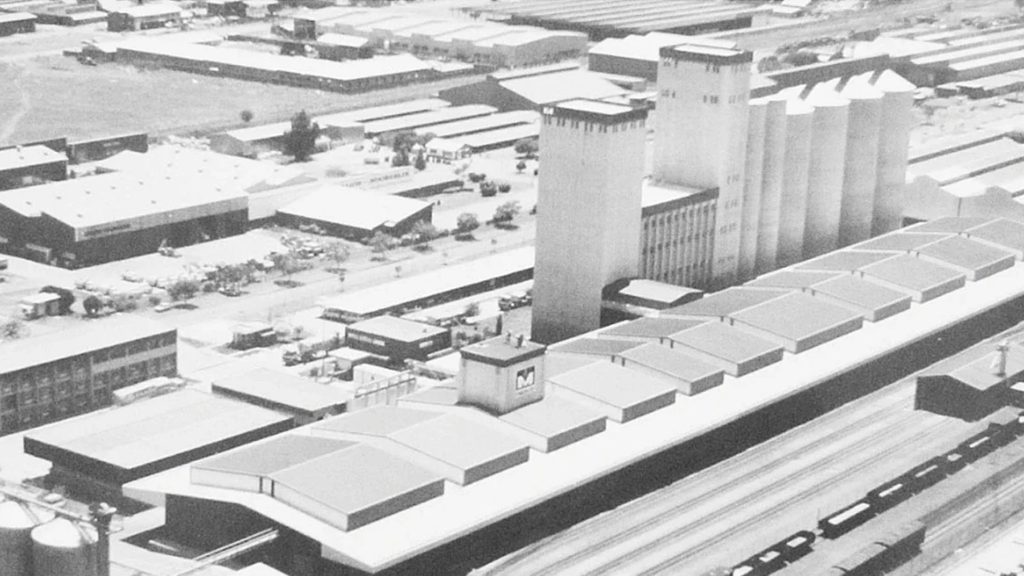
Bloom turned the company into an industrial giant, changing its name to Premier Food industries. The company developed state-of-the-art mills across the country.
Following the end of apartheid, Premier shed assets to focus on basic staples such as bread, flour, and maize meal.
This restructuring made it attractive to private equity buyers, and Brait, backed by billionaire Christo Wiese, took control of the company in 2011.
Brait pumped money into Premier, launching major initiatives to modernise its bakeries, logistics depots, and acquire new businesses.
This saw Premier acquire Manhattan Sweets and Mister Sweet, as well asl Lil-lets. This created a grocery and international division on par with its high-volume milling operations.
In 2023, Brait listed Premier on the JSE for R6.9 billion. Since then, the company has become a JSE darling, with its value surging to R29.85 billion at the time of publication.
A 202-year-old giant in the 21st century
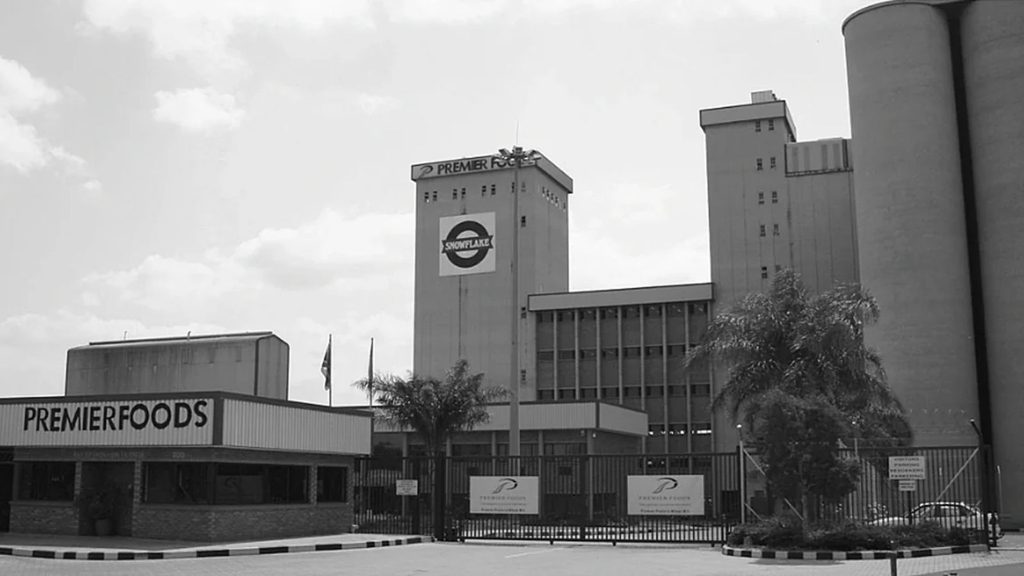
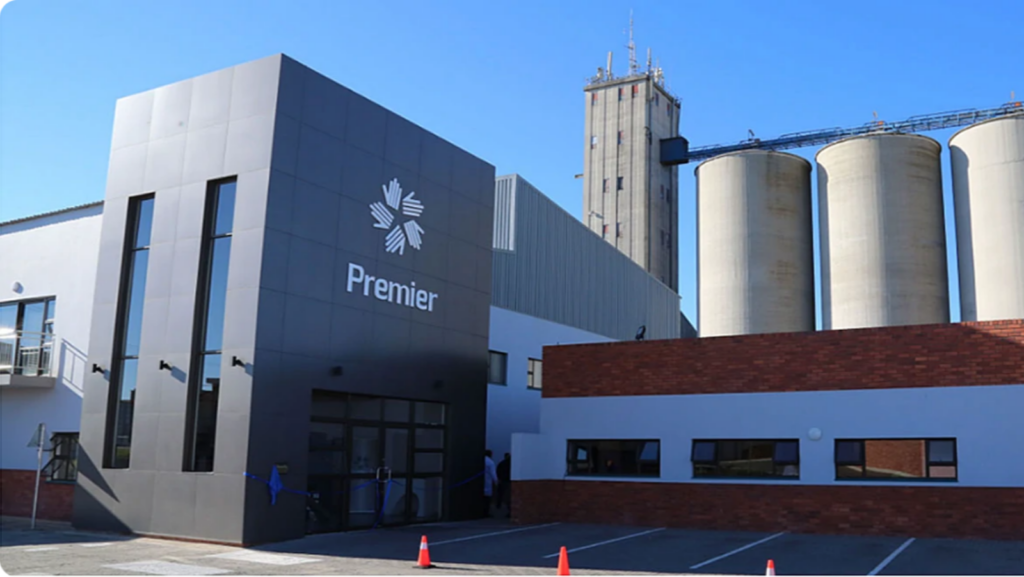
Today, Premier is headquartered in Waterfall City, Midrand, and is one of the best-run companies in the country.
The company’s strong share price growth is for good reason, with its revenue and profit growing strongly since listing in 2023.
In its latest results, the company revealed its revenue grew 6.6% to R21.2 billion thanks to a strong performance from its milling and baking division.
This is extraordinarily strong growth for a company operating in sectors where growth is closely correlated with overall economic growth.
In an economy growing at 1%, 6.6% annual revenue growth indicates the company is taking market share from competitors.
Premier’s net profit surged by 29.3% to R1.6 billion thanks to the company’s investment in higher-margin sectors, such as sweets and consumer goods.
The company appears to be doing this without increasing prices significantly, with management attributing revenue and profit growth to rising volumes and increased efficiency.
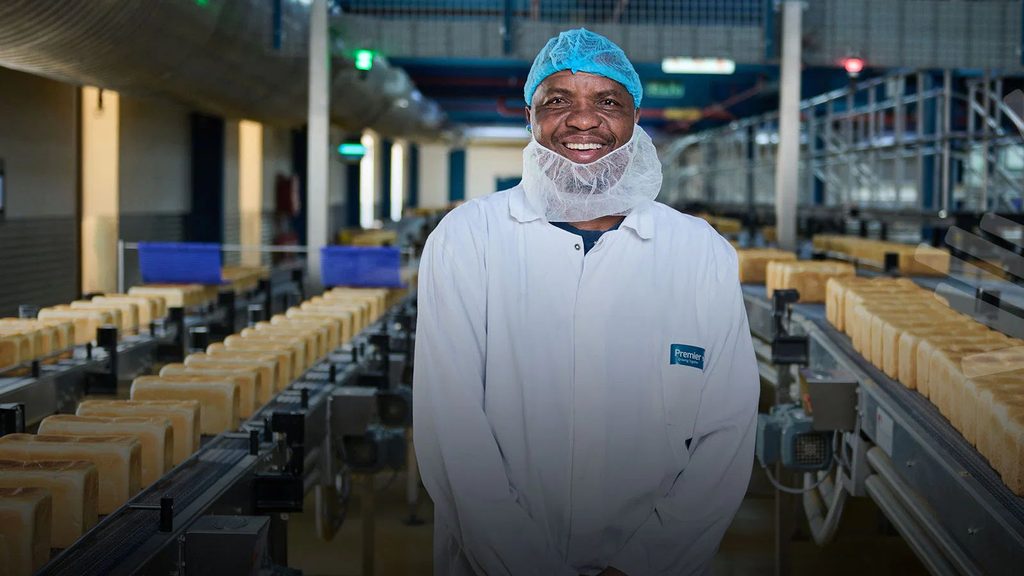
For example, in its milling and baking division, volumes grew by 5% while price growth remained flat for the year.
Premier’s profit was boosted by a sharp decline in white maize prices, which fell by 31% in the past year, widening its profit margin.
Efficiencies also came in the form of reduced load-shedding, with reliable electricity reducing interruptions and operating costs.
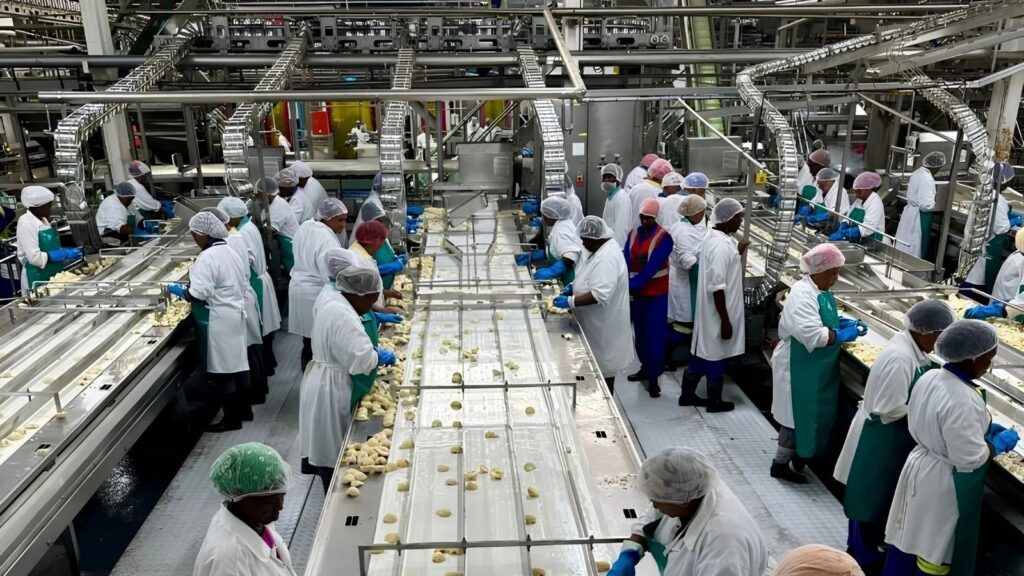
However, by far the largest contributor to its improved margins was its long-term investments in modern manufacturing processes.
Premier said these investments reduced per-unit production costs, widening margins.
Despite this strong organic growth, Premier has looked to expand by acquiring RFG Holdings, which has created a regulatory headache for the company.
The deal would augment Premier’s business and meaningfully add to its top and bottom lines, without much additional debt.
However, after the deal was approved by the Competition Tribunal, Premier announced the shutdown of RFG’s Fruit Products Western Cape (FPWC) canning facility in Tulbagh.
The Competition Commission now claims that this closure is in breach of the conditions placed on Premier by the Tribunal when approving the deal.
It has called for the Tribunal to revoke the approval of the deal and halt the merger.
Premier has rejected these allegations from the Commission and has reiterated its position that the shutdown was not merger-related or pre-planned.
It said the shutdown was a response to a severe structural decline in the canned fruit market.
Premier Foods over the years