Top South African fashion retailer closing stores


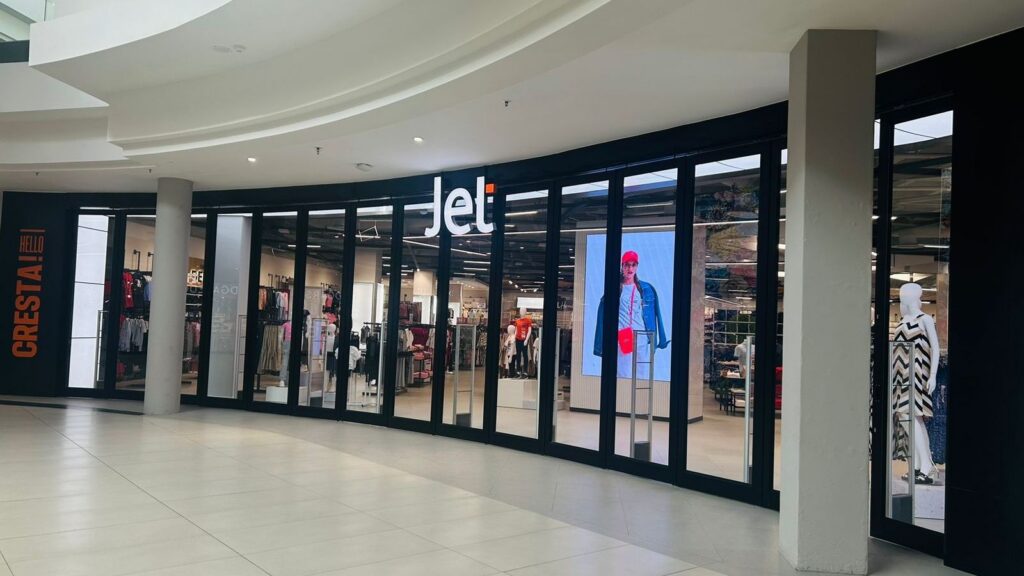
The Foschini Group (TFG) plans to close hundreds of its stores nationwide over the coming years, overhauling its physical footprint to eliminate loss-making locations.
This comes at a time when two unique competitors in the local apparel retail sector – Shoprite and Pick n Pay – are rolling out and revamping stores in a bid to take more market share.
Founded in 1924, TFG is one of South Africa’s oldest retailers. It houses some of the country’s best-known brands, including @home, American Swiss, Coricraft, Exact, Foschini, and Jet.
Having all of these brands and others in its portfolio has led to TFG’s footprint expanding significantly, reaching 4,923 stores in the 2025 financial year.
For reference, Shoprite operates 3,710 stores across its base, while Pick n Pay has 2,270 locations.
TFG’s store rationalisation programme kicked off in its 2026 financial year, with the retailer shutting down 242 stores.
The programme continued into the 2027 financial year, with 85 stores closing in the first six months.
TFG’s plan to close down these and many more stores was announced in its 2026 annual results presentation in June.
CEO Anthony Thunstrom explained that the group plans to restructure its footprint by closing up to 280 stores through the 2029 financial year.
The closures focus on loss-making and marginal stores across its brands, and will impact both its South African and Rest of Africa operations.
This reset comes after a multi-year period of expansion for TFG, with the retailer having been on an acquisition spree since 2015.
Between 2015 and 2025, TFG added at least seven new brands to its portfolio, which saw its physical footprint expand rapidly to peak at 4,923 stores across 23 countries in FY2025.
While TFG closed 242 stores in the following year and 85 more in its current financial year, it has continued to open new stores.
In the 2026 financial year, TFG closed 242 stores but opened 233 new locations. This means it ended the year with 4,914 stores.
Shoprite and Pick n Pay coming for the crown
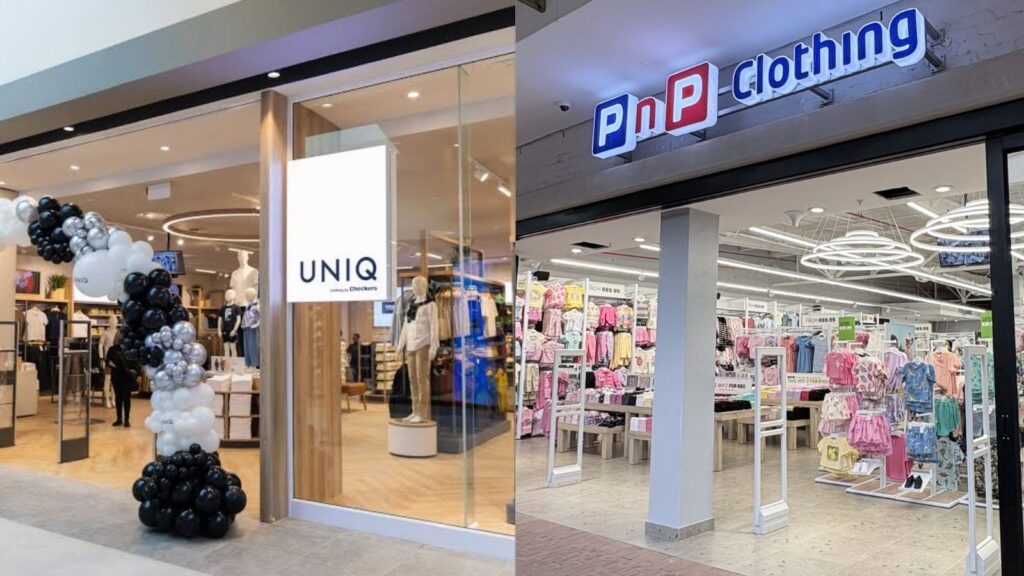
As TFG has been implementing its store closure programme, two of its competitors have been expanding their footprints.
Shoprite and Pick n Pay are not traditional apparel retailers like some of TFG’s other competitors, which include Mr Price, Pepkor, and Truworths.
However, both have entered this market with successful offerings that are now growing rapidly.
Pick n Pay has been a player in this sector for far longer than Shoprite, having launched its Pick n Pay Clothing business in 2002.
Since then, the business has expanded to 439 stores and has become one of the fastest-growing segments in Pick n Pay’s portfolio.
Pick n Pay recently announced that it will be prioritising revamps over roll-outs in the 2027 financial year as the retailer attempts to get its core grocery business back on its feet.
Pick n Pay CEO Sean Summers told Daily Investor that the clothing business finds itself in a strong position in the local apparel retail market.
He said many of the pressures facing this market have peaked, and the retailer can now focus on Pick n Pay Clothing’s competitive advantages.
One of these advantages is the integration of the clothing business on Pick n Pay’s on-demand delivery platform, asap!.
Pick n Pay Clothing was added to the service in March 2026, allowing customers to order apparel items through the app.
Shoprite is a more recent entrant to the apparel retail market, with its Uniq business launched in 2023.
Despite this late entry, Uniq has already grown to 50 stores across the country, backed by Shoprite’s R105 billion juggernaut, Checkers.
Shoprite has said that Uniq is positioned to fill a gap in the existing apparel retail market, offering simple, premium, everyday wardrobe staples at affordable prices.
Uniq forms part of Shoprite’s Checkers business, which includes Checkers, Checkers Hyper, and Checkers Liquorshop.
In Shoprite’s 2026 financial year, this segment generated R105.2 billion in retail sales, supported by a footprint of 382 supermarkets and 352 liquor stores.
Shoprite presents a particularly potent threat to established players due to the popularity of its Sixty60 on-demand delivery platform.
Sixty60 is the largest on-demand grocery delivery service in South Africa, and Shoprite can leverage its scale and reach to boost sales in its clothing business.