End of an era for 102-year-old South African retailer


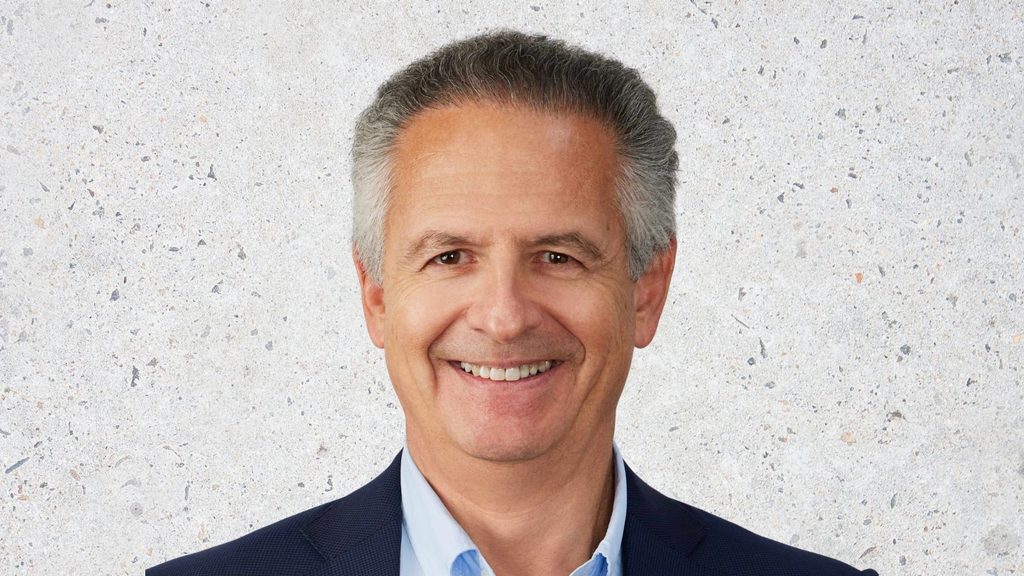
The Foschini Group’s (TFG) chairman, Michael Lewis, is set to retire from the retailer’s board at the end of this year, bringing an end to his 37-year tenure on the board.
Daily Investor learned that one of TFG’s major investors drove this change, ushering in a new era for the company.
TFG announced Lewis’ retirement on Friday, 6 November, alongside the release of its interim results for the six months through September 2026.
Lewis has been on TFG’s board since 1989, and he has chaired it since June 2015. “Michael has always had retail, and TFG, at heart,” said TFG CEO Anthony Thunström.
“His legacy, and that of his family, will endure well into TFG’s future, and we thank him for his wisdom and leadership.”
Lewis will be succeeded by Professor Alexandra Watson, emeritus professor at the University of Cape Town and chair of JSE-listed private education provider Advtech.
Lewis will step down from his position on 31 December 2026, with Watson taking over the next day.
“The board expresses its sincere appreciation to Mr Lewis for his long-standing service and invaluable contribution to TFG and wishes him well for the future,” TFG said.
This is not the only change to its board that TFG announced.
Thabiso Madiba, a Chartered Accountant and audit partner at Barakabora Assurance, will also join as a non-executive director at the start of 2027.
Another chartered accountant, Craig Butters, will also join TFG’s board. The company said he has 25 years of experience in investment analysis and fund management.
These changes come as TFG’s bottom line has been struggling in recent years following a multi-year acquisition spree.
To address this, the retailer announced in its 2026 financial year results that it had initiated a store rationalisation programme.
TFG plans to close hundreds of loss-making stores by 2029, with 282 locations already shut down in the 2026 financial year.
TFG’s interim results
TFG’s financial struggles continued into the first half of the 2027 financial year, with the retailer reporting weak top-line growth and a decline in profit.
TFG’s revenue for the six months through September 2026 grew by 0,1% to R31.4 billion, while its sales declined by 0.4% to R29 billion.
The group attributed this to a subdued consumer environment and deteriorating consumer credit health, noting that net bad debt among South Africans increased by 10.2% over the period.
Against this backdrop, TFG kept a close eye on costs over the period, with its trading expenses remaining flat at R13.50 billion.
However, this was not enough to offset the impact of lower sales volumes on the retailer’s bottom line.
Group operating profit declined by 6.5% to R2.1 billion, while profit for the period fell by 12.4% to R1.13 billion.
TFG’s headline earnings per share decreased by 6.8% to 272.8 cents per share. Basic earnings dropped 9.8% to 262.4 cents.
From a segmental perspective, TFG’s international divisions in Australia and London proved to be drags on the group’s performance.
TFG London saw its operating profit drop 32.5%, with sales down 2.2% in British pound terms due to prolonged weakness in the United Kingdom consumer environment.
TFG Australia’s operating profit fell 28.5%, and its sales shrank by 4.4% in Australian dollar terms.
Compared with these international divisions, TFG Africa performed well, with sales up 2.7%.
Another factor that weighed on TFG’s results in the six-month period was its substantial finance costs.
While down 0.5% from the 2026 financial year, TFG’s finance costs remained high at R1.01 billion.
One standout performer in these results was Bash, TFG’s e-commerce platform. Bash resulted in a 53.3% increase in TFG Africa’s online sales.
On the back of these results, TFG declared an interim dividend of 121 cents per share, down 6.9% from its previous interim dividend.