Big change to shopping trolleys in South Africa


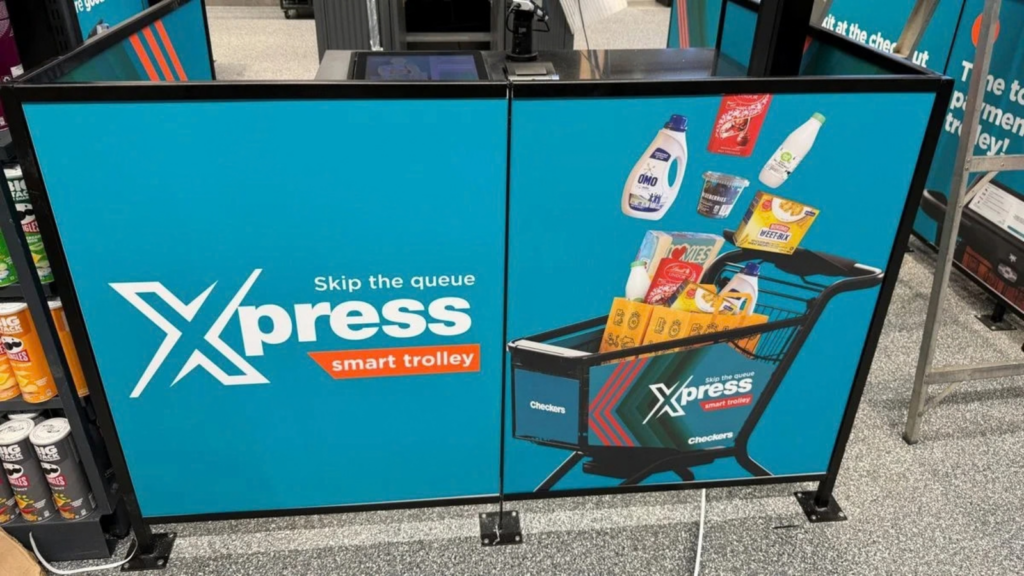
South African retailers such as Checkers, Woolworths and Pick n Pay are introducing new self-checkout technology, including smart shopping trolleys that allow customers to scan and pay for groceries themselves.
The Shoprite Group was the first South African grocery retailer to introduce smart shopping trolleys through its Checkers Xpress initiative.
Announced in August 2025, the system was developed by the group’s ShopriteX innovation team. It was initially trialled at Checkers Hyper Brackenfell and Checkers Constantia in the Western Cape.
The Xpress Trolley features a touchscreen, a built-in barcode scanner, and a camera system.
Its screen displays product information, personalised promotions and a running total of the shopper’s purchases. It also provides in-store navigation to help customers locate products.
Shoppers start by scanning their Xtra Savings card on the trolley and accepting the terms and conditions. They then scan each item’s barcode before placing it in the trolley and bagging it as they shop.
Once finished, customers use a dedicated checkout lane and pay through the trolley using a bank card linked to their Checkers Sixty60 profile.
They receive a printed till slip and can leave through the checkout gate, with staff available to assist.
The system reached Gauteng in October 2026, when Checkers opened at the Shopping on Eastway centre near Midstream Estate, the first Checkers store in the province to feature the Xpress trolleys and automated checkout.
However, the technology has experienced some teething problems. MyBroadband tested the system at the store and reported encountering network timeouts that required items to be scanned again.
The test also triggered an item-mismatch warning when an item was temporarily removed from the trolley and returned. Clearing the error required assistance from a staff member before payment could be completed.
While the system may still have some issues, it is expected to offer customers an alternative to traditional checkout by allowing them to scan and pack their groceries as they move through the store.
Shoprite Group chief strategy and innovation officer Neil Schreuder said the technology was designed to improve convenience and speed while keeping customers in control.
He also pointed out that it has the potential to improve the speed and accuracy of in-store picking for Sixty60 orders.
Other retailers roll out self-checkout technology
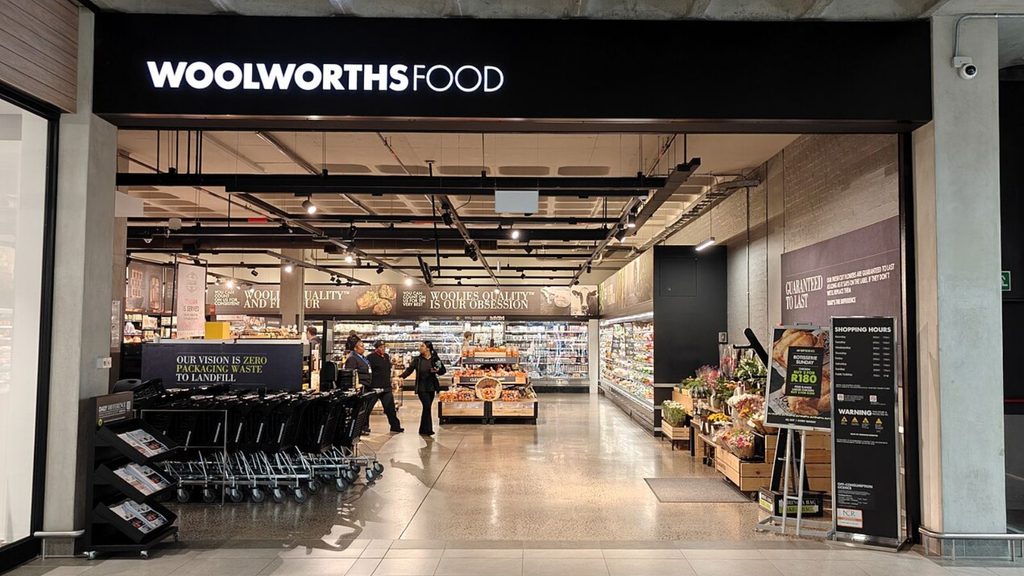
Checkers is not the only South African retailer to experiment with self-checkout services. Woolworths has also started testing the technology, although it has taken a different approach.
The retailer is running a limited pilot at its Foreshore store in Cape Town. Customers can scan and pay for their own purchases at a dedicated Express Till, with a staff member available to provide assistance.
The trial involves just one till at the store. Woolworths selected the location because of its smaller format and busy lunchtime trade, which makes it suitable for testing the service with customers buying smaller baskets.
The retailer said the pilot would help it assess transaction speed, ease of use and customer acceptance before deciding whether to expand the system.
Woolworths has also explained that the initiative will not affect existing till operator positions.
“Our focus is on upskilling and redeploying team members into other roles within store environments as we continue to evolve our service offering,” a Woolworths spokesperson explained.
Alcohol purchases are excluded from the trial and must still be processed at staffed tills. The retailer said security remains a key consideration and that employees will continue monitoring the process.
Pick n Pay has also introduced self-service tills at selected stores. Its system allows customers to scan and pay for their own purchases.
It uses measures such as item-weighing scales and receipt checks to help prevent theft.
Some stores limit self-service purchases to 10 items, which makes the option more suitable for customers buying a few groceries rather than completing a large weekly shop.
The retailer has been experimenting with self-checkout technology since 2016. However, an earlier trial was abandoned following opposition from trade unions and members of the public.
Other non-grocery retailers in South Africa have also been rolling out self-service checkouts.
Fast-food chains such as KFC, Burger King and McDonald’s have introduced digital kiosks that allow customers to place and pay for orders without going through a cashier.
The Shoprite Group has used RFID-based self-checkout technology in its UNIQ clothing stores through AdvanGo.