South Africa’s rand braces for impact


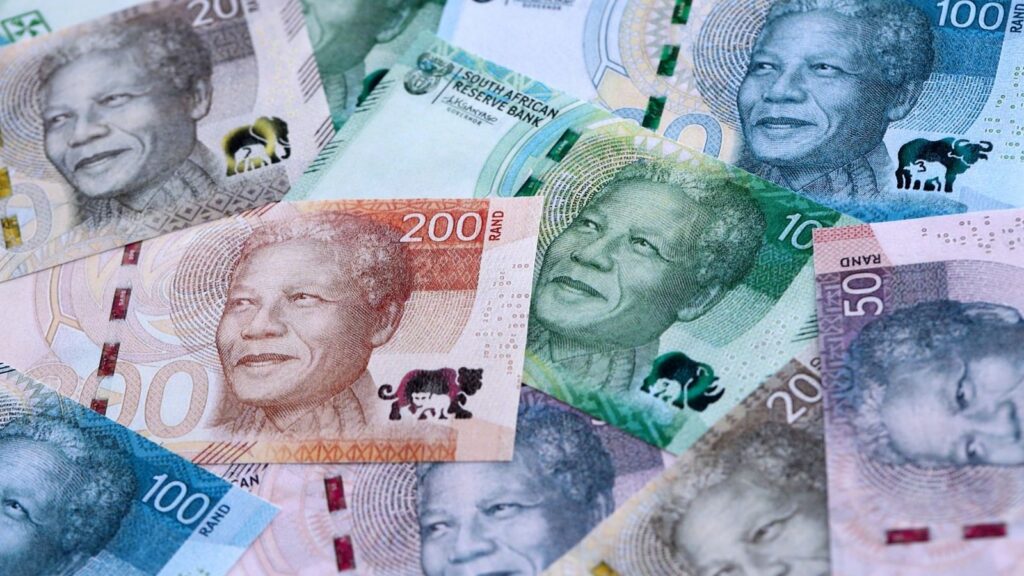
South Africa’s rand continues to hover around the R16.65/USD level as markets adopt a wait-and-see approach ahead of the country’s municipal elections.
Despite lower oil prices and lower expectations for another interest rate cut in December, the upcoming elections are proving to be the deciding factor for the rand this week.
South Africans are heading to the polls on Wednesday, 3 November, to elect councils for all the district, metropolitan, and local municipalities across the country.
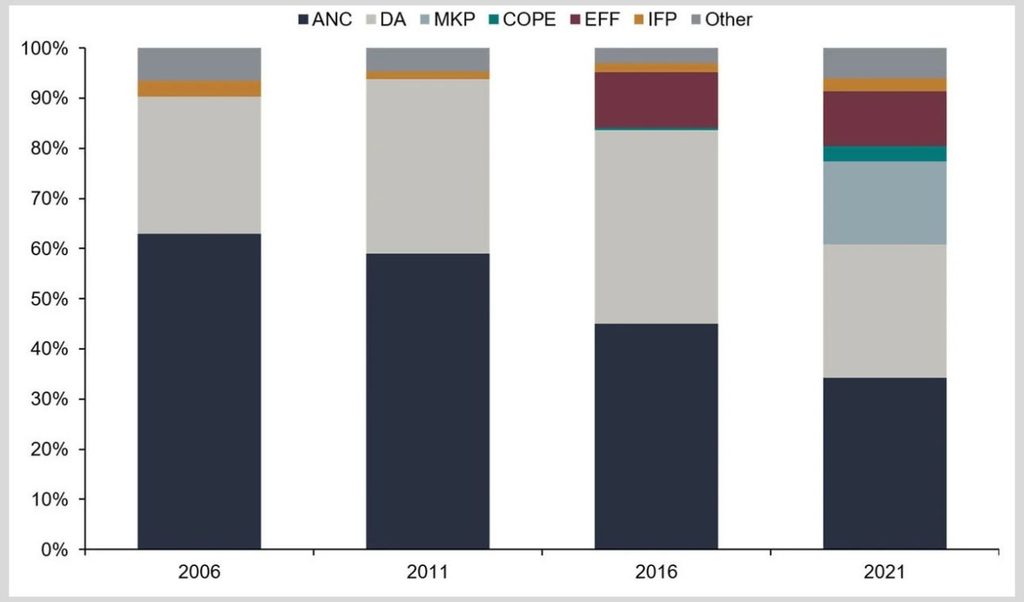
These elections could prove pivotal for South Africa, with both the DA and ANC polling near 30% nationally.
Investec chief economist Annabel Bishop explained that the uncertainty surrounding these elections has contributed to the rand’s hiatus over the past week.
South Africa’s currency continues to trade near R16.65 against the United States dollar, at R16.62 on the morning of Tuesday, 3 November.
This came after news broke that the United States decided to remove South Africa from the African Growth and Opportunity Act (AGOA).
This move will end duty-free access to US markets for key industries and was reasonably anticipated, explaining the rand’s relatively muted reaction.
Before the AGOA decision was announced, Bishop said the rand had seen little need for reaction.
She said this is because many coalitions are expected to form at the municipal level after the elections.
In the meantime, Bishop said the rand will remain driven by international events, with this week also being a low-data week domestically.
This is not uncharted territory for South Africa’s rand, with markets typically taking a wait-and-see approach to municipal elections.
Following South Africa’s elections in 2016 and 2021, the rand strengthened, and 10-year government bond yields rallied by an average of 30 basis points.
However, Investec Wealth and Investment International fixed-income analyst Awongiwe Booi explained that those moves were later overshadowed by broader global and domestic factors.
“Previous local elections have generated constructive but short-lived market reactions,” she said.
“The lesson is that only institutional and financial improvement can create a multi-year re-rating.”
What the local elections mean for South Africa
Booi used the example of a pothole to illustrate how issues at the local government level have national consequences.
“A pothole looks local, but its economic effects are not, as unreliable roads raise transport costs,” she explained.
“Similarly, weak electricity distribution and water supply interruptions reduce the reliability of basic services for households and businesses.”
Booi said many South African municipalities are in a negative self-reinforcing cycle where poor service delivery weakens their finances, while weak finances make it more difficult to improve service delivery.
“Weak revenue collection creates cash-flow pressure, municipalities delay payments to suppliers and bulk-service providers, and less money is ultimately available for maintenance, refurbishment, and improvements,” she said.
This strains service delivery, municipal finances, and, increasingly, the national fiscus, as municipalities are unable to pay their bulk suppliers.
When municipalities are unable or unwilling to pay state-owned providers such as Eskom, it may fall to the National Treasury to support the utility.
“Unpaid municipal bills migrate to elsewhere in the public-sector balance sheet, placing pressure on electricity and water suppliers,” Booi said.
She added that in some cases it may also put pressure on ordinary private-sector businesses waiting to be paid.
Municipalities owed creditors R185.2 billion as at 30 June 2026, of which R142.4 billion, or 76.9%, had been outstanding for more than 90 days.
Bulk electricity was the largest creditor category at R99.9 billion, followed by trade creditors at R43.1 billion and bulk water at R30.5 billion.
Ahead of Wednesday’s elections, Booi said the measure of progress may be less about which parties make gains at the polls.
Instead, she said it is likely to be about the quality of the coalitions that emerge, and how well the large metros fulfil their mandates.
“Markets will look for evidence that cities can collect revenue, pay suppliers, protect infrastructure budgets, and maintain stable administrations,” she said.