New threat to Woolworths Food in South Africa


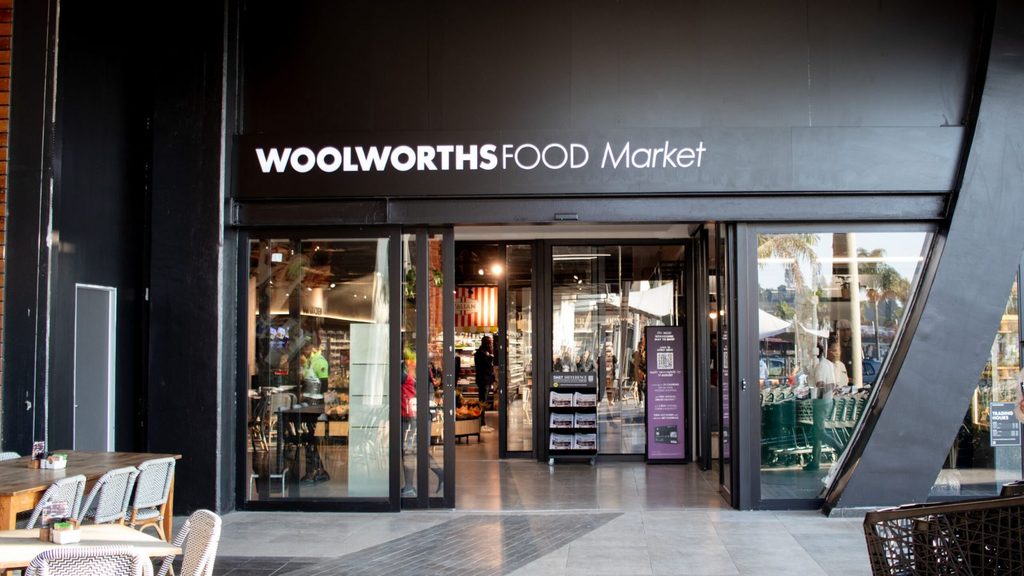
Woolworths has warned about the rise of online gambling in its latest annual report, noting that it is eroding discretionary spending in South Africa.
The retailer estimated that the redirection of consumer spending to online gambling contributes an 80-basis-point drag on retail sales growth.
This poses a major threat to retailers, and Woolworths’ board includes it in the Risk & Governance Review.
The review outlines potential risks to the business, what Woolworths is doing to address them, and whether it has control over them.
During this process, Woolworths said its board immerses itself in different aspects of the business, from management down to product innovation.
These immersions include sessions where threats to Woolworths’ businesses are discussed and what the business can do to mitigate them.
This year, these sessions included “a deep-dive risk review of the potential impacts of the entry of international online retailers, online gambling trends, and the Middle East conflict”.
Online gambling in particular is a concerning trend for retailers, as they have no control over it and cannot address it outside of asking the government to regulate it.
Woolworths can compete directly with international retailers entering the country by changing its offering and pricing strategies. It can also innovate to keep its offering unique.
The retailer can even adapt to the Middle East conflict and geopolitical tension in other parts of the world by investing in its supply chains and potentially localising them.
More likely, the retailer will change its product pricing to either pass rising costs on to customers or absorb them.
However, with online gambling, there is no way in which Woolworths and other retailers can directly mitigate the threat.
Woolworths said it reviewed online gambling and classified it as an emerging discretionary-spend risk, noting that it affects consumer wallet share and customer behaviour.
South Africans wagered R1.5 trillion in the past financial year, according to data from the National Gambling Board. 60% of this total was wagered online.
This is significant, equating to a fifth of South Africa’s GDP. If this money is being spent on gambling, it is not being spent at retailers in-store or online.
“In South Africa, the rapid growth of online gambling is adding further pressure, redirecting customer spend and is estimated to contribute an 80 basis point drag on retail growth,” Woolworths said.
Alarm bells are ringing

Data shows that South Africans’ attitude towards online gambling is changing, with it becoming more mainstream and part of monthly budgets.
This indicates that the behaviour is being managed, but also that it is entrenched and eating away at household spending in other areas.
Data from Discovery Bank shows that South Africans are becoming more deliberate about their betting behaviour and spending.
Its data, collected in collaboration with Visa, showed that nearly half of South Africans who bet online set a budget or limit spending and actually stick to it.
This indicates that sports betting is seen as part of normal financial behaviour and is competing alongside other forms of spending in household budgets.
“Taken together, these findings suggest that while online betting is mainstream, it is often event-led and, for many consumers, consciously managed,” Discovery Bank CEO Hylton Kallner said.
While online gambling spending is being more deliberately managed, its economic impact remains significant and extends far beyond retailers.
Standard Bank chief economist Goolam Ballim said he is deeply concerned about the impact of online gambling on consumer spending.
As consumer spending grows, the economy traditionally follows, and more value is created, more tax is paid, and people get wealthier.
However, online gambling is very different from other forms of spending as it does not have the positive multiplier effect.
“The key thing with gambling is that it is fundamentally redistribution. It does not have the multiplier effect,” Ballim said.
“It does not create value or economic activity. It is a redistribution of income away from individuals.”
“One hopes that some regulation, awareness, or consciousness enters society to guard against the social perils of gambling and the way in which it can be a menace to economic momentum.”
The National Treasury has entered into discussions with the gambling industry and other stakeholders regarding a 20% national tax on online gambling.
This has been met with stiff resistance from the industry, which points to provincial taxes already levied on it.
The Treasury has made it clear that the tax is not about revenue but rather about discouraging South Africans from gambling.
 Loading ...





Comments