Warning to homeowners with solar panels on their roofs in South Africa


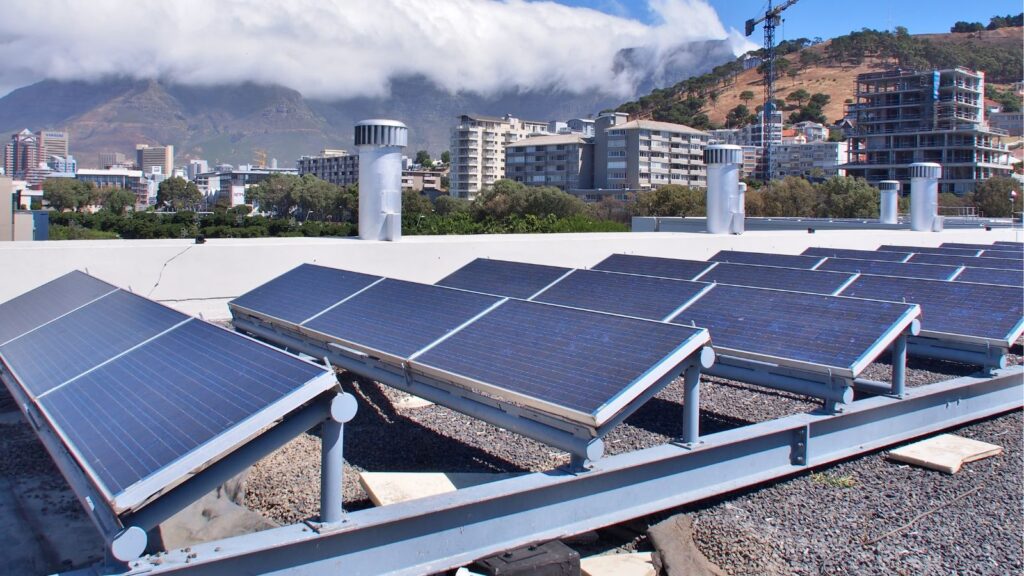
Eskom’s fee waiver for South Africans registering small-scale embedded generation (SSEG) systems, such as rooftop solar, ends on 30 September 2026.
Those who do not register their rooftop solar installations face penalties ranging from R6,000 to R30,000, depending on the municipality.
The fee waiver was instituted to encourage South Africans to register their SSEG systems with the utility, with registration costs being prohibitive.
Many South Africans refused to register due to the high cost, with Eskom levying a R2,400 registration fee.
The fee is often coupled with the requirement of a bidirectional meter, which can cost R10,000 or more before installation.
This cost is prohibitive for South Africans who want to register their solar systems with Eskom and their local municipalities.
Some municipalities, such as the Emfuleni Municipality, are also levying monthly charges on ratepayers with solar for no reason other than their use of the technology.
However, the potential consequences of not registering are far worse, with municipalities able to impose penalties ranging from R6,000 to R30,000 for unregistered systems.
Eskom has urged South Africans to register their solar systems to ensure all connections comply with the energy regulator’s required codes, standards, and guidelines.
The utility required registration and prior approval for installations under 100 kW, regardless of whether they fed electricity back into the grid.
This is done under Schedule 2 of the Electricity Regulation Act, which requires that all systems below this threshold be registered with the network service provider.
Eskom has explained that it has to do this to maintain grid stability and safety, particularly for systems that can feed electricity back into the grid.
Due to slow uptake, Eskom and municipalities have resorted to veiled threats of fines and disconnection to South Africans who do not register their systems.
Energy expert and EE Business Intelligence managing director Chris Yelland said the process has been mired in uncertainty and ambiguity.
This includes changing deadlines, unclear fee waivers, and the threat of fines without Eskom having clear legal standing to impose such penalties.
Eskom under siege
Eskom has backtracked on these threats after opposition from the Organisation Undoing Tax Abuse (OUTA) and criticism from energy experts.
They have argued that Eskom lacks the authority to fine South Africans for failing to register their behind-the-meter systems.
Eskom only has the authority to impose fines on illegal electricity connections. Currently, unregistered SSEGs are not considered illegal.
The utility has said it may push to have the classification changed to illegal, enabling it to fine households or businesses with unregistered systems.
Eskom has previously cited the Electricity Regulation Act as the legal grounds for its registration push. Yelland pointed out that this legislation excludes residential households.
“Therefore, any suggestion by Eskom that what it is doing is in compliance with the Electricity Regulation Act is simply not correct because the Act does not cover residential installations,” Yelland said.
Yelland has said the real reason for the registration drive and monthly levies imposed by municipalities is to generate more revenue, not to ensure grid stability and safety.
He explained that Eskom’s push for registering solar systems comes as alternative energy sources are negatively impacting the utility’s revenue.
As more South Africans switch to rooftop solar and other energy sources, they use less electricity from Eskom, reducing its sales.
OUTA’s resistance has led Eskom to backtrack on its threat of fines and penalties, as it admitted to the organisation that it lacks the legal standing to impose them.
“Eskom acknowledged that it will not impose fines because it does not have the authority to do so. They will also not be cutting off electricity if you don’t register your system,” OUTA CEO Wayne Duvenage told Daily Investor.
Duvenage also made it clear that the 30 September deadline is only for the fee waiver and is not the registration deadline.
Under current legislation, Eskom has the power to issue fines only for solar connections that do not meet its safety standards.
This refers to a Certificate of Compliance, which any SSEG system should have. These are issued by a registered electrician.
Municipalities eye more revenue
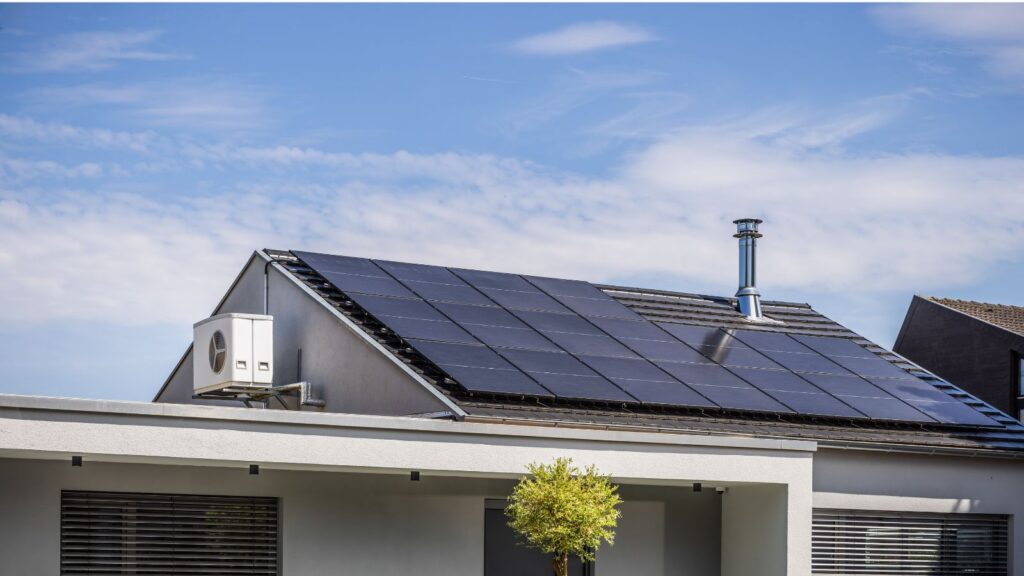
While Eskom has backed off on fines, South African municipalities can still impose a variety of fees on residents.
This is because municipalities have their own executive powers and the ability to impose new bylaws that can ‘create’ fees.
Duvenage described this situation as messy, as it is unclear to what extent municipalities can create new fees and levies rather than increase existing ones.
This has also created a situation where every municipality is doing its own thing, potentially creating a patchwork of regulations and fees.
As a result, a business operating multiple sites or offices may pay vastly different fees from one area to the next. They may also have different compliance requirements.
Duvenage warned that this may result in protracted court battles when the fees are imposed and tested for legality.
“When it comes to municipalities, there is a messy and erratic saga unfolding which needs government, NERSA, Eskom, COGTA and the Electricity Minister to intervene,” Duvenage said.
“Every municipality is doing something different when it comes to registration demands, fixed fees for homes with solar panels, and meter installation costs.”
Municipalities still have to impose fees and levies in line with national legislation, which means they cannot be unreasonable and irrational.
As such, they cannot impose fees to punish residents who invested in rooftop solar or to discourage the installation of SSEG systems.
“These are citizens’ rights, and the rationality of charging one household a levy for panels on its roof and the other not is irrational and can be challenged,” Duvenage said.
“Here’s the next issue with these surcharges. Does the household with two panels pay the same levy as the neighbour with 16 panels? Where is the logic?”
Duvenage said it is likely that municipalities will institute these charges to compensate for declining revenue from electricity sales.
 Loading ...





Comments