One more interest rate hike on the cards for South Africa


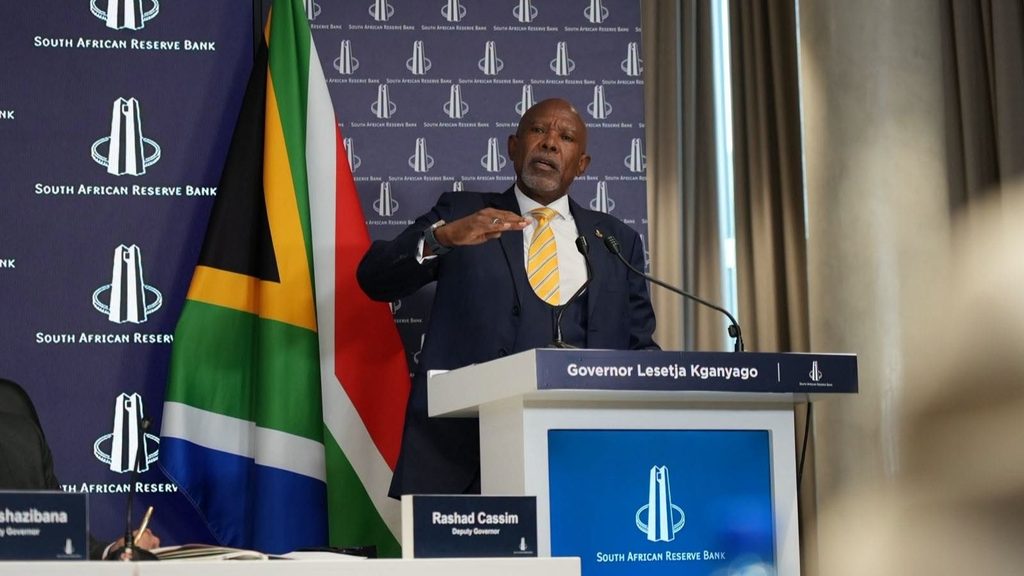
Financial markets are pricing in one more 25-basis-point interest rate hike for South Africa in 2026.
Rising global oil prices are expected to lead to another fuel price increase in South Africa, which will put upward pressure on inflation.
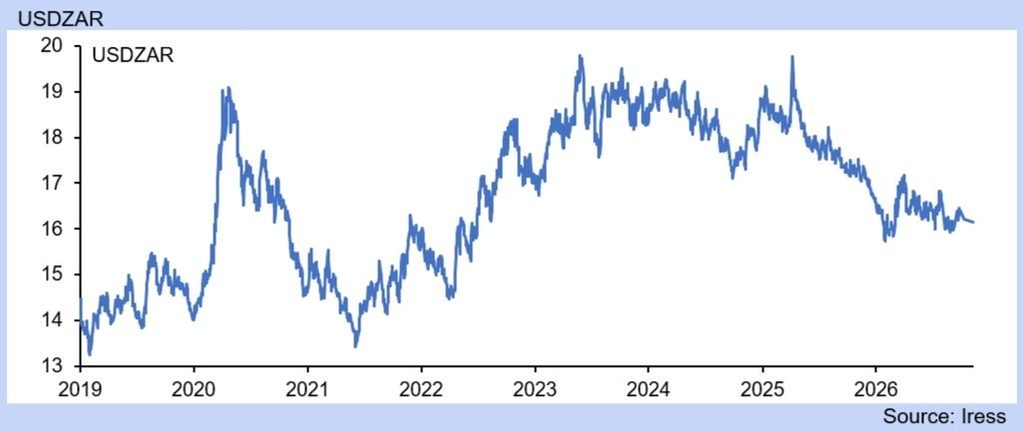
Investec chief economist Annabel Bishop explained that the interest rate hike implemented in September anchored the rand at R16.40 against the US dollar.
The Reserve Bank’s September rate hike brought the repo rate to 7.25% and the prime lending rate to 10.75%.
Bishop said this rate hike provided some support for the rand, which had come under pressure days before when the Federal Reserve hiked US interest rates by 25 basis points.
The Fed’s September rate hike strengthened the US dollar, putting pressure on the rand.
Though South Africa’s currency remained little changed against the euro and the British pound, it weakened to R16.40 against the US dollar following the Fed’s rate hike on 16 September.
Luckily, the Reserve Bank’s rate hike on 23 September maintained the interest rate differential between South Africa and the United States, anchoring the rand at that level.
Bishop said financial markets are now pricing in three more interest rate hikes for the United States: two more this year and another in 2027.
While she noted that none of the expected US interest rate hikes for 2026 is priced in with 100% certainty, both are currently seen to have a greater than 50% probability.
This could be a concern for South Africa, where only one more interest rate hike is currently priced in.
If the US hikes rates by 50 basis points and South Africa by only 25 basis points, it would narrow the interest rate differential between the two countries.
This could make South African bonds less attractive to investors, which would see capital flow out of the country, weakening the rand.
For now, Bishop said the rand is proving relatively stable, averaging R16.29/USD so far in the third quarter of 2026.
She explained that the rand remains beholden to international events as the US-Iran stalemate persists.
Fuel price pressure
Bishop highlighted rising oil prices and their impact on local fuel prices as an inflationary concern.
She said the Brent crude oil price remains above $100 per barrel, with substantial fuel price increases expected in October.
“The petrol price is likely to increase by around R3.00/litre next week, and the diesel price by around the same,” she said.
These higher fuel prices will push CPI inflation back towards 5.0% and could prompt another interest rate hike in South Africa in November.
When the Reserve Bank’s Monetary Policy Committee (MPC) voted to hike interest rates at its September meeting, the latest inflation print for August showed that CPI rose to 4.4%.
This marked only a slight acceleration from 4.3% in July, coming in lower than the market expected.
However, August’s inflation of 4.4% remains higher than the Reserve Bank’s 3% target, and did not include the fuel price hike seen in September.
Therefore, economists expect inflation to be higher in September and October, which will concern the Reserve Bank.
At its September meeting, the MPC already raised its inflation expectations for the year, now projecting CPI to average 4.4% in 2026, up from 4% in July.
The committee also lifted its 2027 targeted inflation forecast to 4%, up from 3.8% in July, which remains above target.
“Market concerns centre over the current elevation in energy prices and the inflationary impact on the CPI,” Bishop said.
“The SARB may revise up its inflation forecasts again at the next meeting if oil prices rise further, maintaining an interest rate hiking cycle.”
 Loading ...




Comments