One car so popular among young South Africans that other manufacturers struggle to compete


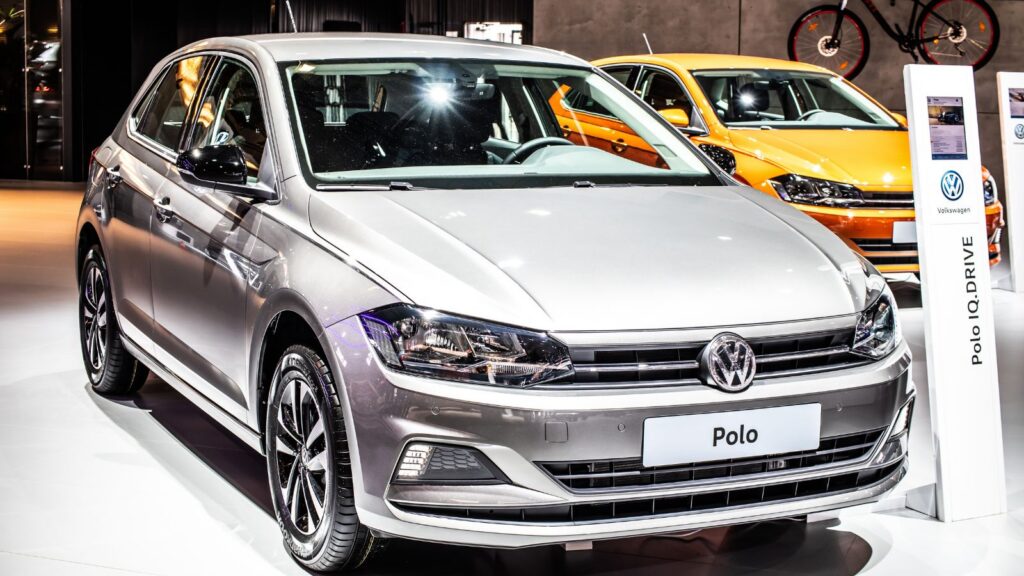
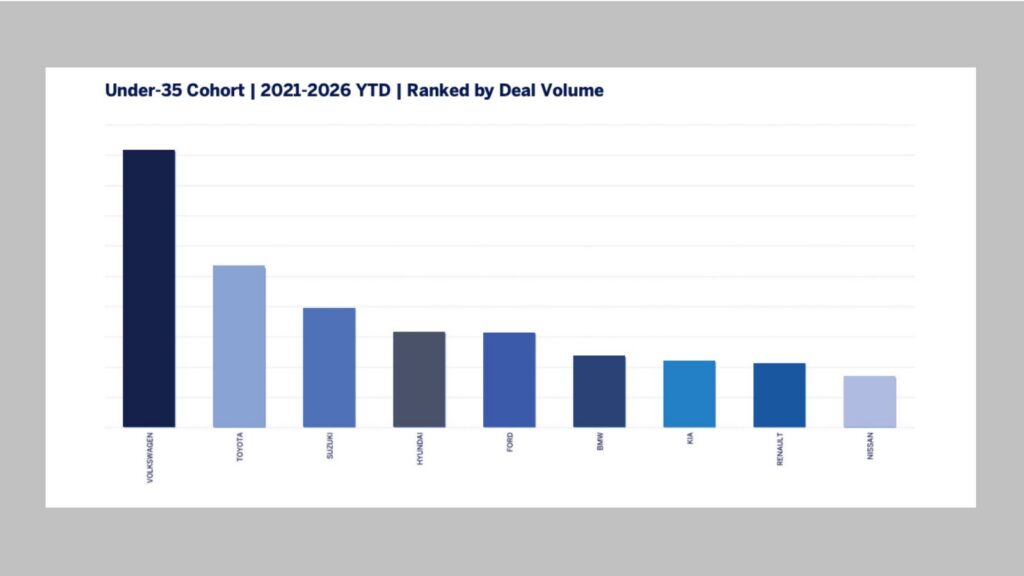
Volkswagen sells more Polos and Polo Vivos to South Africans under the age of 35 than Toyota’s entire portfolio combined.
This shows how dominant VW is in this segment of the market, with its iconic status seeing it withstand numerous competitors.
There have been growing questions in South Africa’s automotive community as to whether the Polo has lost its shine amidst the rise of the Suzuki Swift.
The growth of the Swift has been coupled with increased competition from Chinese brands, which offer larger cars at attractive price points.
However, data from Standard Bank shows that nothing has come close to dislodging the VW Polo among young South Africans.
The bank’s latest Youth Barometer showed that the Polo retains its historic position as the country’s most popular hatchback and the most popular car among young people.
In its second year, the Youth Barometer leverages the transactional data Standard Bank has on young South Africans to better understand how they manage their money.
The bank explained that this is vastly different to prior generations, with young individuals engaging with financial products much more deliberately and for specific reasons.
Young South Africans aim to have a similar lifestyle to their parents. However, they know that they cannot achieve it in the same way.
This results in them engaging with bank debt to facilitate purchases of cars, homes, and to supplement their lifestyles in some cases.
With regards to cars, one thing has remained the same, and that is the popularity of the VW Polo and Polo Vivo.
Standard Bank’s deal data from its vehicle and asset finance division shows that these models generate more finance deals than Toyota’s entire brand portfolio in the under-35 market.
The Polo Vivo is widely recognised as the de facto entry-level vehicle for young South Africans, with an average financed deal size of R228,000 translating into monthly payments of R4,418.
VW Polos function as a step-up option in this regard, capturing buyers who want an entry-level car but are willing to spend more for enhanced specifications.
These vehicles have an average financed deal size of R307,000, with an average monthly repayment of R5,775.
Practicality is king
In contrast to the assumption that young South Africans spend their money recklessly, Standard Bank’s data points to practically being king.
The bank explained that responses from clients and its data showed that a car is often bought out of necessity and not a desire for luxury.
“Having a car can determine whether a young person with little track record is perceived as committed and reliable,” it said.
“Being able to get to work consistently – on time, every time, for as long as the job demands – can shape how quickly that trust is earned.”
While VW Polos retain their popularity, the vast majority of cars financed by Standard Bank for its clients under 35 are second-hand vehicles.
“Despite economic pressures and persistently high youth unemployment, demand for cars among South African youth remained strong,” the bank said.
“This suggests that those with jobs have continued to prioritise vehicle ownership, even as financial pressures mounted. Many likely see it as a worthwhile investment in maintaining their ability to participate in the economy.”
Another major trend among young vehicle owners is the rise of Chinese brands, which have rapidly taken up market share in South Africa.
In particular, the bank noted that Chery and Haval have transformed the entry-level and mid-market segments through competitive pricing and high specification offerings.
Chinese brands have emerged as the fastest-growing part of the market, increasing by more than 423% between 2021 and 2025.
At the end of April 2026, Chinese brands accounted for 16.7% of all originations, making China the third-largest manufacturing country in the portfolio.
Chinese brands have increased their share of financed cars from 3.1% to 11.0% between 2021 and 2025, highlighting their growing relevance.
Adoption has accelerated across all age groups, suggesting that Chinese brands have moved beyond niche appeal and are becoming established competitors.






Comments