South Africa lost out on R47.9 trillion


South Africa’s poor economic growth between 2012 and 2026 means that the country lost out on a cumulative R47.9 trillion.
What makes this concerning is that the loss in gross domestic product is due to the government missing its own economic targets.
The South African government adopted the National Development Plan (NDP) 2030 in 2012, setting an average gross domestic product (GDP) growth target of 5.4%.
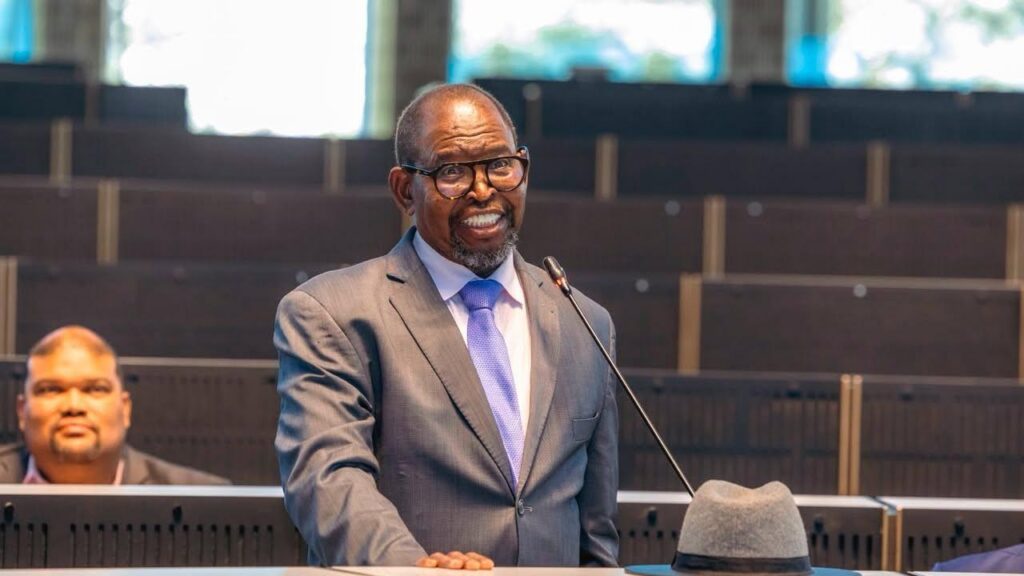
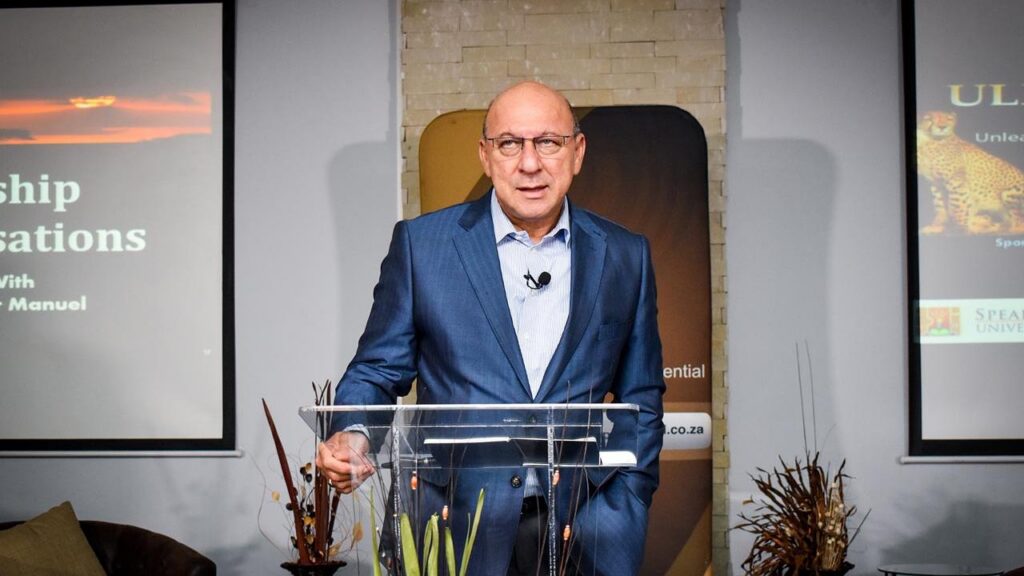
The former Minister in the Presidency of the National Planning Commission, Trevor Manuel, launched the plan during a joint sitting of both houses of Parliament.
He explained that the NDP 2030 defined a desired destination and identified the role different sectors of society need to play in reaching that goal.
It serves as a blueprint for the work needed to achieve a prosperous society for South Africa by the end of this decade.
The core priorities of the National Development Plan are to reduce poverty, unemployment and inequality.
As the heart of this plan was strong economic growth, which, in turn, would create more jobs and increase the wealth across all sectors.
“Gross Domestic Product (GDP) should increase by 2.7 times in real terms, requiring an average annual growth rate of 5.4% over the period,” it said.
It clearly stated that the 5.4% annual average economic growth rate should be sustained from 2011 to 2030.
This growth would create 11 million additional jobs by 2030 and increase the labour force participation rate from 54% in 2010 to 65%.
In turn, it would result in the South African unemployment rate declining from 25% in 2011 to 6% in 2030.
It added that, through this economic growth, GDP per capita should increase from R50,000 per person in 2010 to R110,000 in 2030, in constant prices.
South Africa lost out on R47.9 trillion
None of these lofty targets was met. In fact, the economy was so badly mismanaged that things deteriorated over the last fourteen years.
Unemployment increased to 32.7%, South African citizens became poorer on average, and job creation stalled.
A good measure of what really happened is to compare the economy’s current size with where it should be.
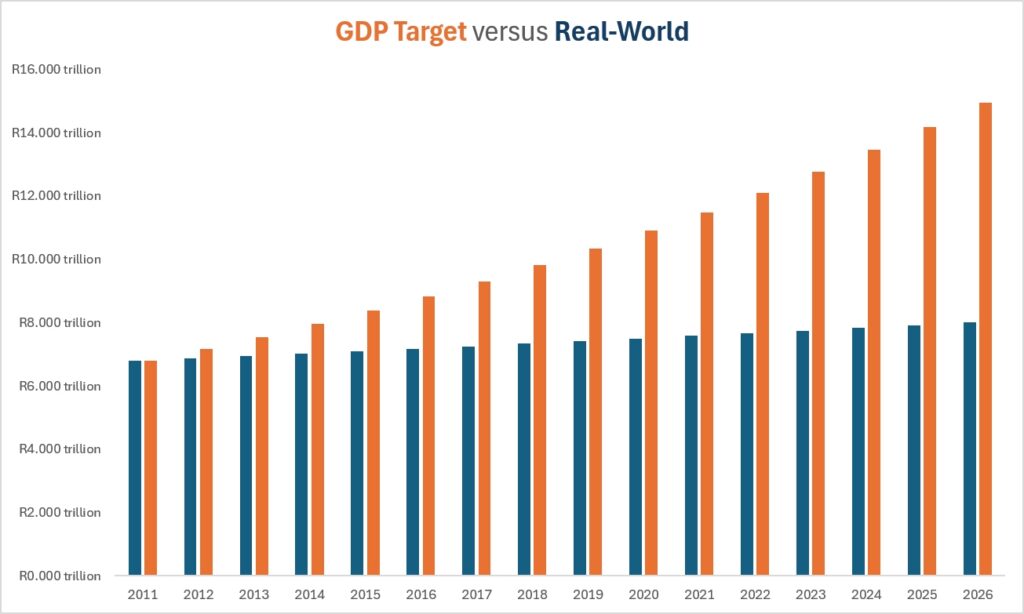
South Africa’s GDP is approximately R8 trillion, not much larger than it was in 2011, measured in real terms.
This was because South Africa’s average annual economic growth between 2012 and 2026 was only 1.1%, rather than the planned 5.4%.
If South Africa had achieved its 5.4% growth target, its economy would have been R14.94 trillion. This is almost R7 trillion larger than its current R8.0 trillion size.
However, this only tells part of the story. Since 2012, South Africa’s total economic output produced was R111.3 trillion.
If South Africa achieved the National Development Plan 2030 growth target, the total economic output would have been R159.1 trillion.
That means that South Africa lost out on R47.9 trillion. This would have been enough to nearly eradicate unemployment and wipe out the country’s debt.
National Development Plan 2030 GDP target versus South Africa’s performance
National Development Plan 2030 targets versus South Africa’s performance
The table below provides an overview of the targets set in the National Development Plan 2030 and the current performance.
| Metric | NDP 2030 Target | Current Performance | Target |
| GDP growth | 5.40% | 1.10% | 80% below target |
| Unemployment | 6% | 32.70% | Missed target by 445% |
| People in work | 24 million | 16.8 million | 30% below target |
| Gross fixed capital formation | 30% | 14% | 53% below target |

Comments