The JSE-listed company owned by Bill Gates going from zero to hero


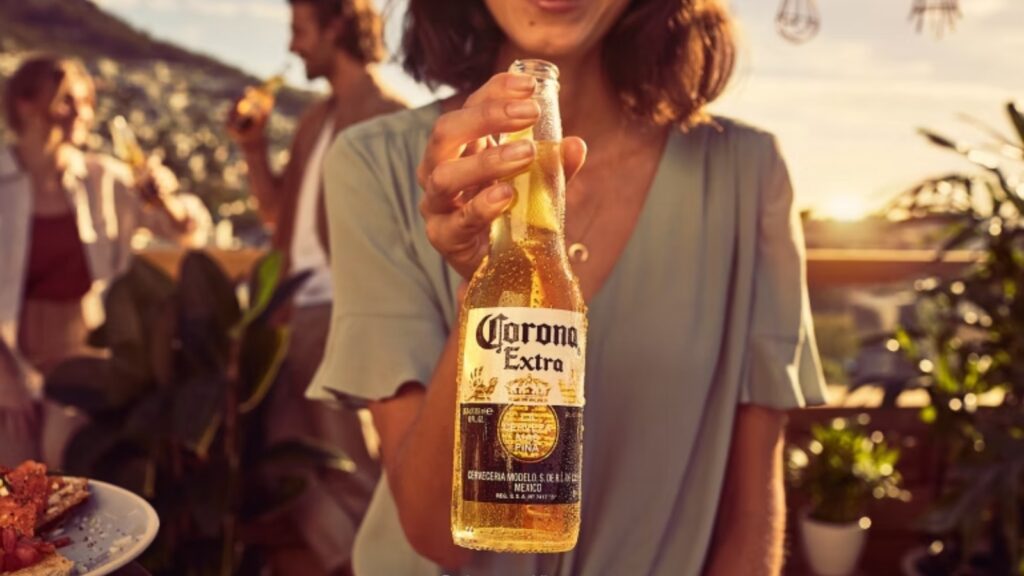
Anheuser-Busch InBev (AB InBev) has reversed several years’ worth of volume declines in 2026, making the world’s largest brewer a compelling investment opportunity.
It is also continuing to grow its earnings in the double digits while returning cash to shareholders through buybacks and dividends.
AB InBev’s strong investment case has been recognised by Microsoft founder Bill Gates, who owns 1.7 million shares in the company through the Bill & Melinda Gates Foundation Trust.
While headquartered in Belgium, AB Inbev has a secondary listing on the Johannesburg Stock Exchange, making it easily accessible for South African investors.
The company’s history in South Africa dates back to 2015, when it made a bid to buy its largest rival at the time, SABMiller.
SABMiller was a South African company, originally founded in 1895 as South African Breweries to serve a growing market of miners and prospectors in Johannesburg during the Gold Rush.
It was also the first industrial company to list on the JSE and had seen enormous global success with brands such as Foster’s, Miller, and Pilsner Urquell.
In 2015, when AB InBev made its bid, SABMiller was the second largest brewer in the world by revenue, nipping at AB InBev’s heels.
The acquisition was a highly complex deal and is still the third-largest corporate merger in global history, having brought the world’s two largest beer giants under one roof.
When the deal was concluded in October 2016, the merged entity controlled 27% of global beer sales and half of the entire brewing industry’s profits. Ab InBev ended up paying $107 billion (today, R1.79 trillion) for SABMiller.
By buying SABMiller, AB InBev was able to expand its then-very-small presence in Africa. It gave the company instant control over dominant markets like South Africa.
Today, AB InBev owns many beloved beer and other alcoholic beverage brands, including Corona, Stella Artois, Budweiser, Carling Black Label, and Brutal Fruit.
It has a market cap of R2.4 trillion on the JSE, putting it comfortably into the top 20 companies listed on the local bourse. Globally, its market cap stands at $153 billion (R2.56 trillion).
Analyst opinion
South African asset manager Coronation Fund Managers invests in AB InBev through its Top 20 Fund, which holds the 20 biggest companies listed on the JSE.
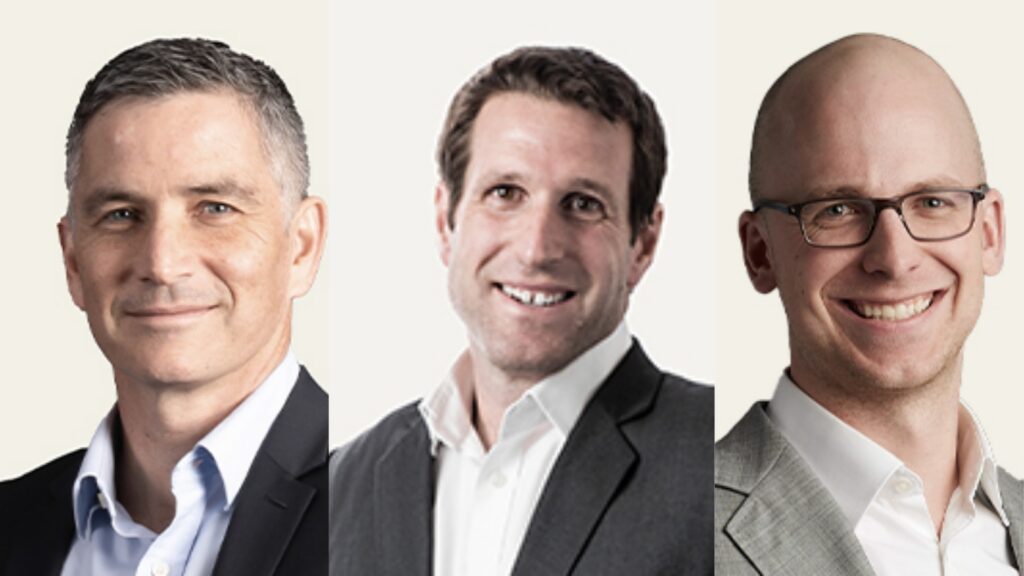
In a commentary note for the second quarter of 2026, Coronation portfolio managers Neville Chester, Nic Stein, and Nicholas Hops outlined the fund’s performance.
They said the fund benefited from its overweight positions in AB InBev and Aspen Pharmacare in the second quarter, despite being underweight in gold and platinum group metals.
Chester, Stein, and Hops highlighted AB InBev, saying it was a top contributor to returns and remains a core holding in the portfolio.
“This year has seen them reverse a number of years’ worth of volume declines,” they said, referring to AB InBev’s turnaround in its latest financial results.
For three consecutive years, AB InBev has struggled with falling global beer volumes, driven by a perfect storm of industry shifts and corporate setbacks.
This includes inflation and higher beer prices, China’s weak macroeconomy, and backlash in the United States against its Bud Light brand.
However, in the first quarter of its 2026 financial year, AB InBev reversed this trend, reporting broad-based volume growth and a 1.2% increase in beer volume.
The company saw record-high first-quarter volumes in Mexico, Colombia, Brazil, South Africa, and Peru.
In addition, AB InBev’s normalised EBITDA rose by 5.3% to $5.44 billion (R91.08 billion), while its underlying earnings per share rose by 20.8% to $0.97 (R16.24).
“The valuation remains compelling, and the business continues to grow earnings in the double digits while returning cash to shareholders through buybacks and dividends,” Coronation’s team said.
AB InBev’s share price on the JSE was sitting at R1,342 per share on 23 July, up 28.21% in 2026 to date.





Comments