DStv’s plan to win back 500,000 premium customers in South Africa



DStv hopes its new tiered offering will help it win back the 500,000 premium subscribers it has lost since 2020.
This comes as the pay-TV provider is set to launch new packages on 17 September 2026, which consist of five price tiers ranging from R99 to R799 per month.
The highest tier is Premium, which has been DStv’s most expensive package since its inception.
The price of DStv Premium has risen from R419 to R979 per month over the past two decades, representing a 133.65% increase.
As part of its upcoming package overhaul, the streaming option and 24-month contract deals for Premium are priced at R799 per month.
The Premium tier will offer 130 TV channels, including Formula 1, MotoGP, rugby channels (such as Springbok matches), golf, and ATP tennis.
MultiChoice South Africa CEO Willington Ngwepe said he hopes the various tiers DStv now offers will show customers the value of the highest tier package.
This, he said, is how the company hopes to bring back into the fold Premium subscribers who have dumped the service in recent years.
Winning back Premium subscribers will be key for MultiChoice to turn around its struggling financial situation, as these customers are a substantial revenue driver.
At a Johannesburg media event where MultiChoice announced its new DStv packages, Daily Investor asked Ngwepe how he believes offering a variety of tiers will impact the company’s bottom line.
“We have to wait and see how customers respond. We’re hoping that those who are on Premium actually appreciate the value that Premium offers,” he said.
He added that those who value Premium and feel the tiered packaging does not provide any additional value can opt for Premium at R799 for 24 months.
This 24-month pricing is lower than the month-to-month premium price, which was raised to R979 per month earlier this year.
Impact on subscribers
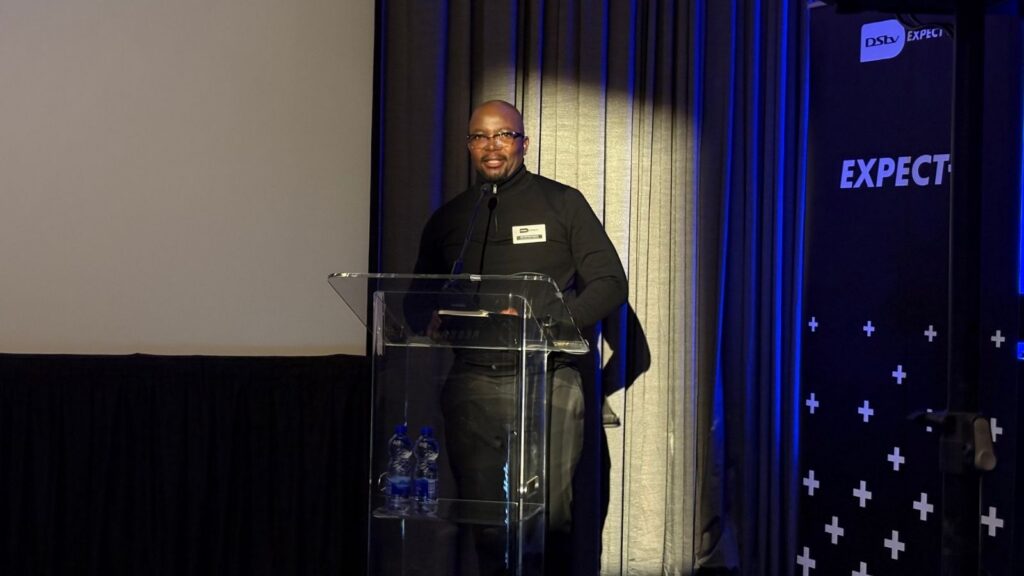
Ngwepe said the company is taking a wait-and-see approach as to how offering more tiers will impact its bottom line and subscriber count.
“The reality is we have to wait and see how the market reacts to see what kind of movements there are between our subscribers,” Ngwepe said.
“We expect that subscribers will see the choice on the table, and then they will decide what works best for them. Then we will assess what the impact of those kinds of choices is on the business.”
When asked if he believes the new tiered packaging will increase DStv’s subscriber count, Ngwepe said he hopes it will win back subscribers who have dropped the service in recent years.
Based on a Daily Investor analysis, MultiChoice went from 1.5 million South African Premium subscribers in the 2020 financial year to 1 million in 2025.
When the rest of Africa is included, DStv Premium’s subscriber base went from 2.7 million in 2020 to 1.7 million in 2025.
The company has attributed this decline to various factors, including subscribers dropping to more affordable tiers and increased competition from global streaming giants such as Netflix and Disney+.
The impact of losing this many Premium subscribers is clearly evident in MultiChoice’s financial health.
Premium subscribers play a disproportionate role in MultiChoice’s top-line revenue, average revenue per user, and profitability.
Due to the price spread across DStv subscribers – ranging from R30 to R979 for decoders – a single Premium subscriber generates several times the revenue of a mass-market customer.
While they represent a smaller share of the total subscriber count, Premium customers’ high subscription fees generate the cash flow needed to cover MultiChoice’s high fixed operating costs.
In South Africa, Premium customers account for 13% to 18% of total subscribers but generate 40% to 50% of MultiChoice’s subscription revenue.
Therefore, winning back Premium subscribers who have either dropped to a lower tier or left DStv entirely will be critical if MultiChoice hopes to maintain profitability.
“We’re hoping subscribers that have kind of decided to turn their back on us will come back,” Ngwepe said.
“Because we’re sitting here offering much better value, at I would say a very reasonable price point across all the packages. So, we’re hoping to get more subscribers back.”






Comments