The sport taking over South Africa


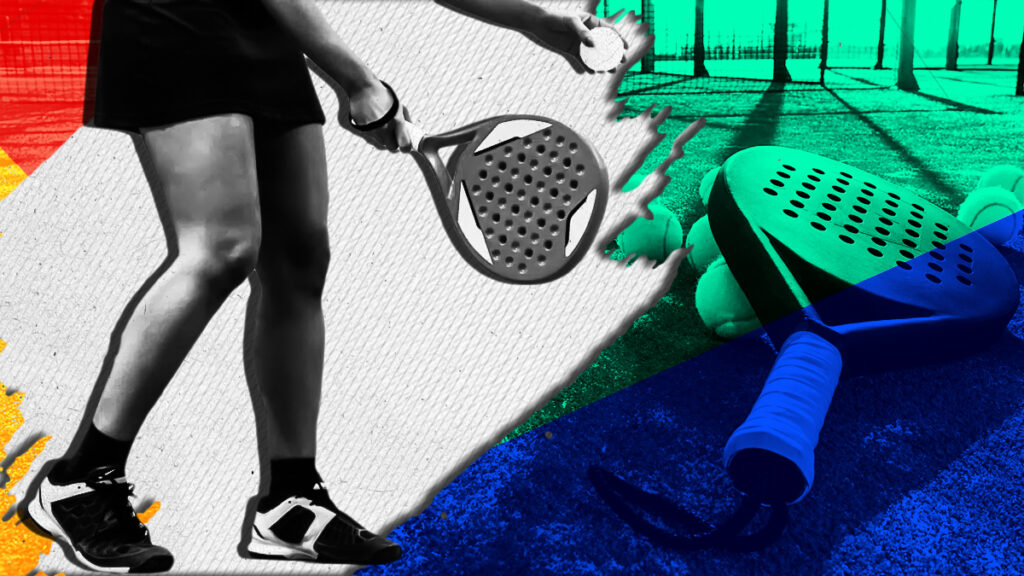
Padel is the fastest-growing sport in the world, and it is quickly taking over South Africa, with an average of 51 new clubs opening every week.
Padel dates back to 1969 when it was invented by a Mexican businessman who did not have enough space to build a tennis court at his house in Acapulco.
So, he settled on building a smaller, enclosed court, creating his own new game in the process.
Essentially, padel is a combination of tennis and squash, with two players on each side. The courts are slightly smaller than tennis courts and are surrounded by glass walls that the ball – which is softer and slower than a tennis ball – can bounce off of and remain in play.
The game became a hit in Spain, Argentina, and a handful of other places around the world, but it did not come to South Africa until much later.
The first padel court in South Africa was only built in 2019 in Val de Vie, a luxury Winelands lifestyle estate located in the heart of the Paarl-Franschhoek Valley.
The idea came from former Olympic swimming champion Ryk Neethling, who now works as the estate’s marketing director. It was an instant hit with residents.
It was in 2020 that the sport really started taking off in South Africa.
In March 2020, Padel Tennis SA imported and installed South Africa’s first public padel courts in Roodepoort, Johannesburg.
Shortly after, Action Padel established the first public padel club in Cape Town, adding two courts to the well-known five-a-side football facility called Fives.
Africa Padel, the largest padel brand in South Africa, quickly followed, setting up its first courts in Camps Bay at the beginning of 2021.
“Padel’s popularity in South Africa has grown rapidly since its introduction, driven by its accessibility, social appeal, and the inclusive nature of the sport,” Bradley Emmett, head of operations at Africa Padel, explained to Daily Investor.
“Africa Padel played a pioneering role in this growth, opening our first venue in Camps Bay in May 2021.”
“Today, we have expanded to 21 venues across South Africa, from Cape Town to Bloemfontein, Umhlanga, Sandton, and beyond, with over 90 courts catering to a diverse and engaged player base.”
In early 2021, Johannesburg opened its second padel club when the Johannesburg Country Club built three courts. This development was met with overwhelming success, further boosting the popularity of padel in the area.
Epic Padel opened its first court in Clifton, followed by clubs in Johannesburg, Durbanville, and Table View.
In 2022, The Padel Hub opened at the Lourensford Estate in Somerset West, marking it as the first padel club in the Winelands region.
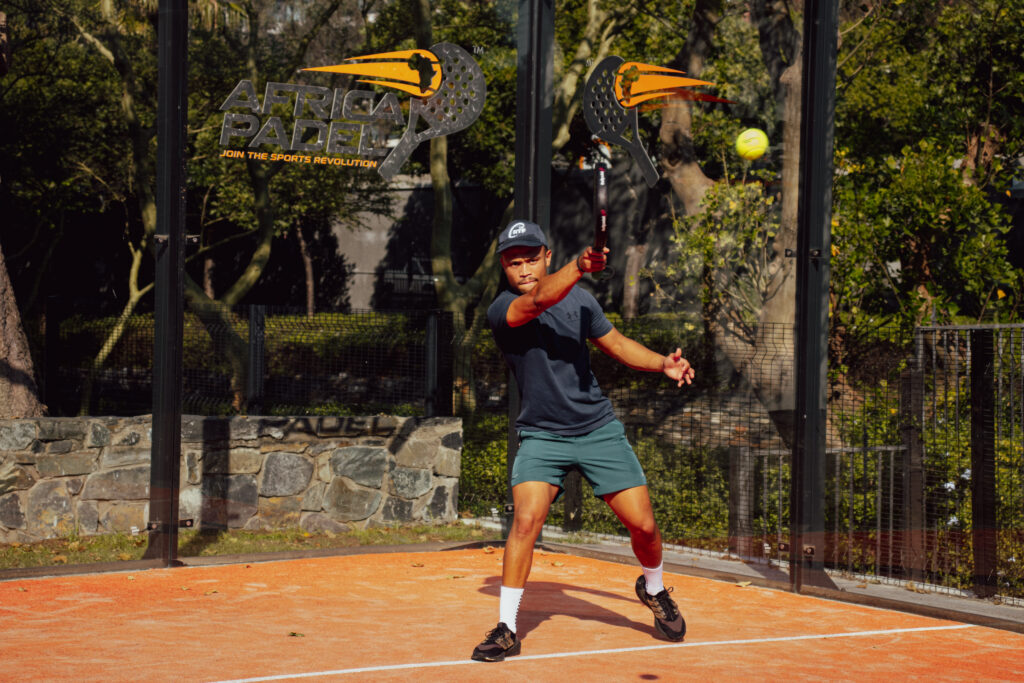
“Padel is experiencing unprecedented global growth, with over 2,500 new courts built worldwide in 2023 and an average of 51 new clubs opening every week,” Emmett said.
“In South Africa, we see new players joining daily, taking up lessons, participating in beginner tournaments, and immersing themselves in the game.”
According to Emmett, the sport has grown so rapidly as a result of its accessibility.
“A key factor in padel’s success is its low barrier to entry – it’s easy to learn, doesn’t require high technical skill at the outset, and is enjoyable for all fitness levels.”
“The social element is another major draw, as padel is fundamentally a team sport, creating a dynamic, interactive experience.”
The social aspect of the sport is also a key reason why it has resonated so much with South African audiences.
“Padel resonates with South Africans because it is a social, inclusive, and accessible sport that caters to players of all skill levels and backgrounds,” Emmett said.
“At Africa Padel, we actively foster this inclusivity by hosting beginner-friendly Americanos tournaments, as well as more advanced and mixed-format competitions every week. This allows newcomers to join structured games without needing to assemble a group themselves.”
Emmett noted that beyond casual and competitive play, Padel has become a corporate favourite for team-building events and client engagements.
“Unlike traditional corporate sporting activities like golf – which can take an entire day – Padel offers a high-energy, engaging experience that fits into a 60-minute match or a two-hour tournament, making it an ideal choice for busy professionals.”
“The fitness benefits of padel are a huge draw. It provides a fun and engaging way to stay active, making it appealing to both individuals and families looking for a sport they can enjoy together.”
“Our data shows that the sport attracts a broad range of players, with nearly equal participation between men and women, and strong engagement across age groups, particularly millennials (35 to 44), followed closely by 25 to 34 and 45 to 54 age brackets.”
Emmett explained that Africa Padel expects the sport’s impressive growth trajectory to continue in South Africa.
“We anticipate that padel will continue expanding at both a grassroots and professional level, particularly as discussions around its potential inclusion in the Olympic Games gain momentum,” he said.
“This could further accelerate its visibility and participation, driving more investment and development in South Africa.”
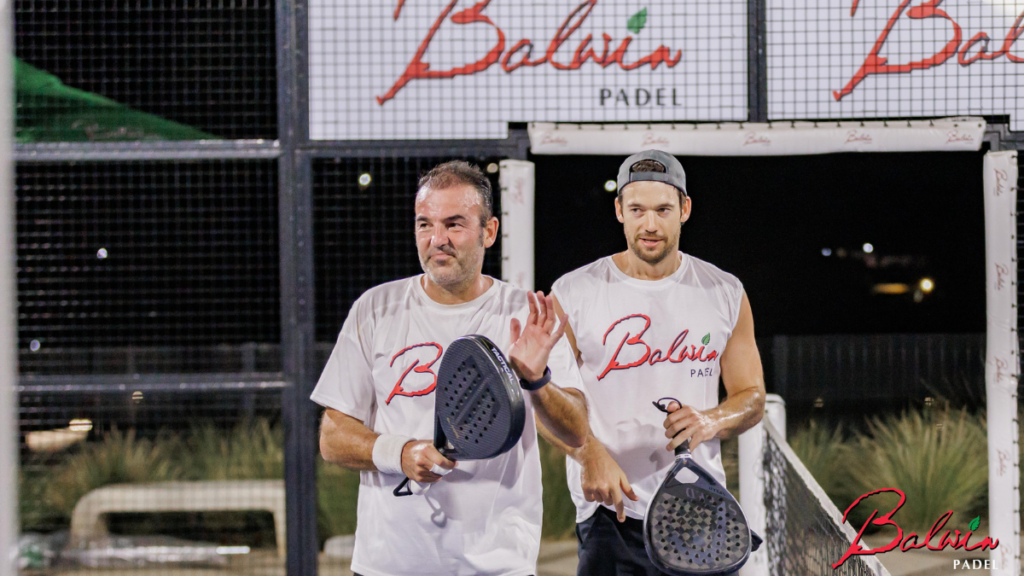
The sport became so popular that real estate developers started incorporating it into their lifestyle estates.
This includes Balwin Properties, which launched a new division of its company, Balwin Padel, in 2024.
Managing Director of Balwin Padel Sebastian Brokmann explained to Daily Investor that Balwin is working on setting up between 10 and 15 indoor padel facilities throughout South Africa in the next 24 months, which will mostly be located in existing Balwin estates.
‘It’s quite exciting. We add padel and it’s quite attractive for people who live there, but also for external people,” he said.
He anticipates the sport growing over the coming years, potentially reaching 2,500 courts and 500,000 players in South Africa.
“It’s globally very popular. It’s the fastest-growing sport in the world. It’s very easy to learn. Within an hour, you can play a game, unlike, for example, golf or tennis,” he explained.
“I play, for example, with my daughter, who is six, and my dad, who is 70, so it’s a very wide range of people you can play with.”
This sport appeals to people of all demographics, which is part of the reason for its meteoric rise.
“People get kind of hooked on it,” Brokmann said. “They start playing and they think, wow, this is fun, I want to play. They start playing once a month, it becomes every week and it becomes daily.”
“It’s really fun to see. It also connects people more than other sports.”







Comments