The small South African town that supplies 70% of global platinum and is home to the first cloned animal in Africa


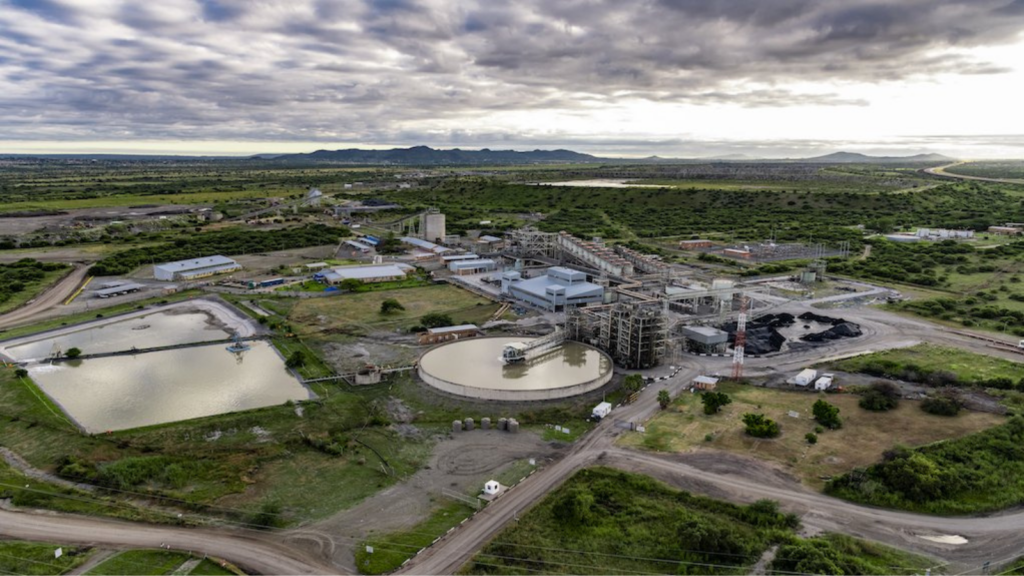
With a history dating back 186 years, the small town of Brits in the North West is one of the most important platinum producers in the world.
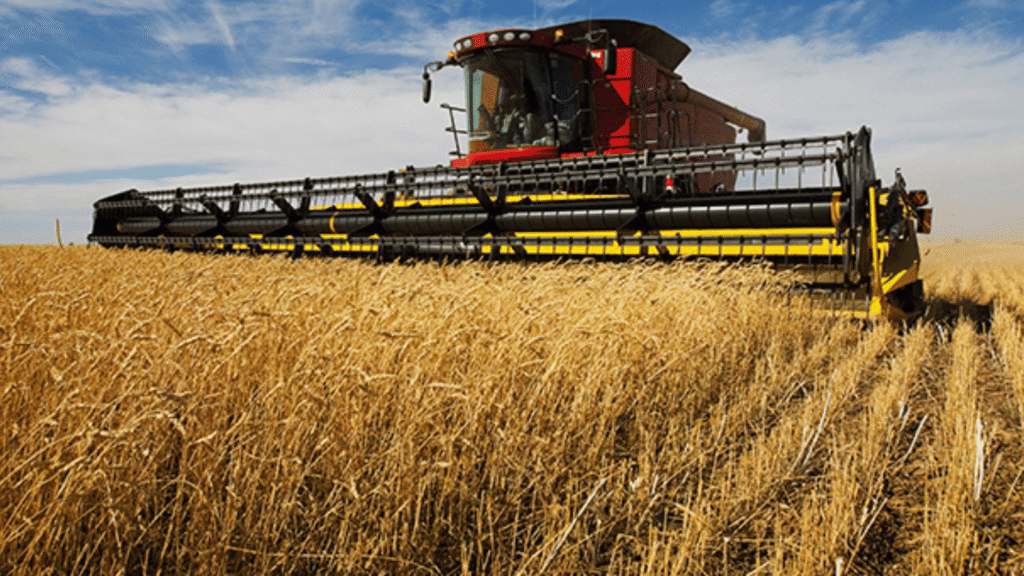
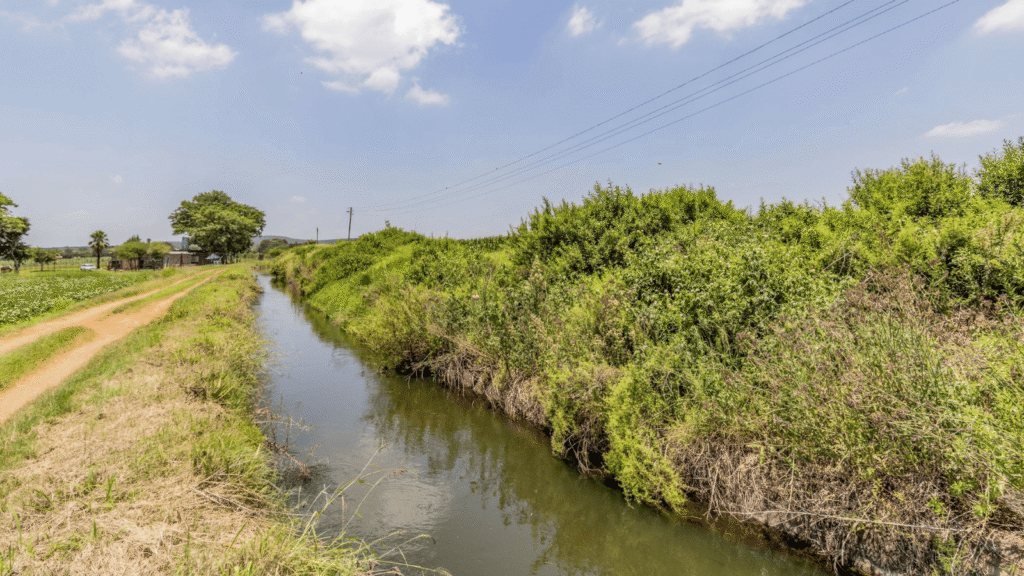
The town is located in a fertile farming region north of Hartbeespoort Dam, where irrigation supports citrus, vegetable and grain production.
The area around Brits was first settled by European farmers in the 1840s. Albertus Venter was reportedly the first European to build a pioneer hut in the area, settling on what is now the farm De Kroon with his wife and daughter.
The Fourie family later joined him, and the first white child in the area was born on 13 June 1846. The town developed more formally around its railway connection in the early 20th century.
The railway station named Brits opened on 9 July 1906 on land belonging to Johan Nicolaas Brits, who owned part of the farm Roodekopjes.
Small businesses began developing around the station as it connected the farming community to wider markets.
A post office was established at the station in 1915, followed by a steam-driven roller mill in 1918. The first police station opened in 1921.
Brits was formally established as a town in 1924 on the farm Roode Kopjes, named after its owner, Johannes Nicolaas Brits.
The surrounding area continued to develop as an agricultural and industrial centre. Its fertile land supported farming, while the discovery and development of mineral deposits brought mining and related businesses to the region.
Today, Brits forms part of the Madibeng Local Municipality. It is connected to Pretoria and Johannesburg through several regional roads and the N4 highway.
The town also provides access to attractions such as Hartbeespoort Dam, the Magaliesberg, the Ann van Dyk Cheetah Centre and the nearby Sun City resort.
Platinum mining around Brits
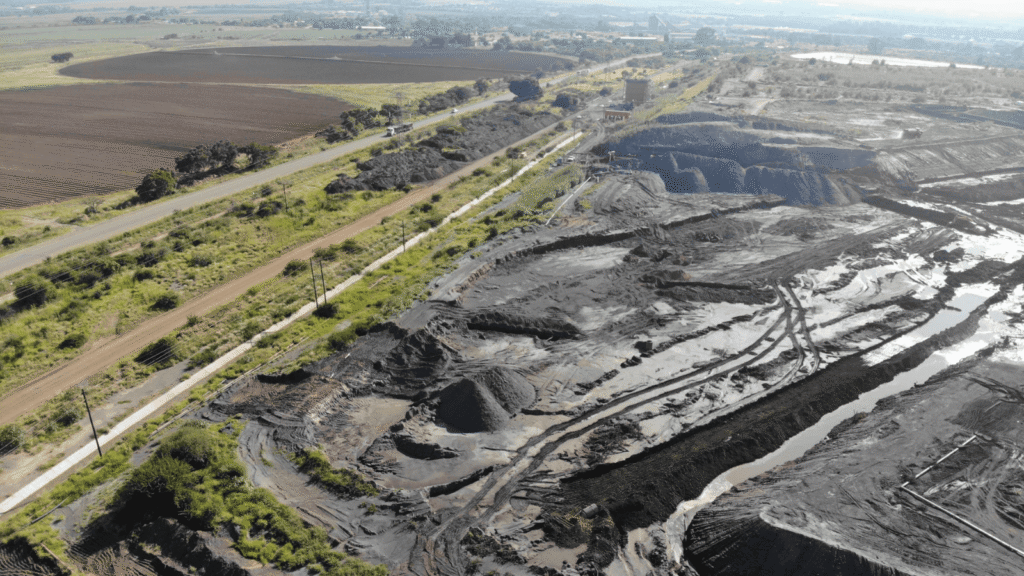
Brits is situated near the western limb of the Bushveld Complex, a geological formation containing extensive deposits of platinum-group metals.
These include platinum, palladium, rhodium, ruthenium and iridium. The area also contains chrome and vanadium deposits.
A United States Geological Survey estimated that South Africa produced 120 tonnes of platinum in 2025, compared with a global total of approximately 170 tonnes. This represents about 71% of worldwide mine production.
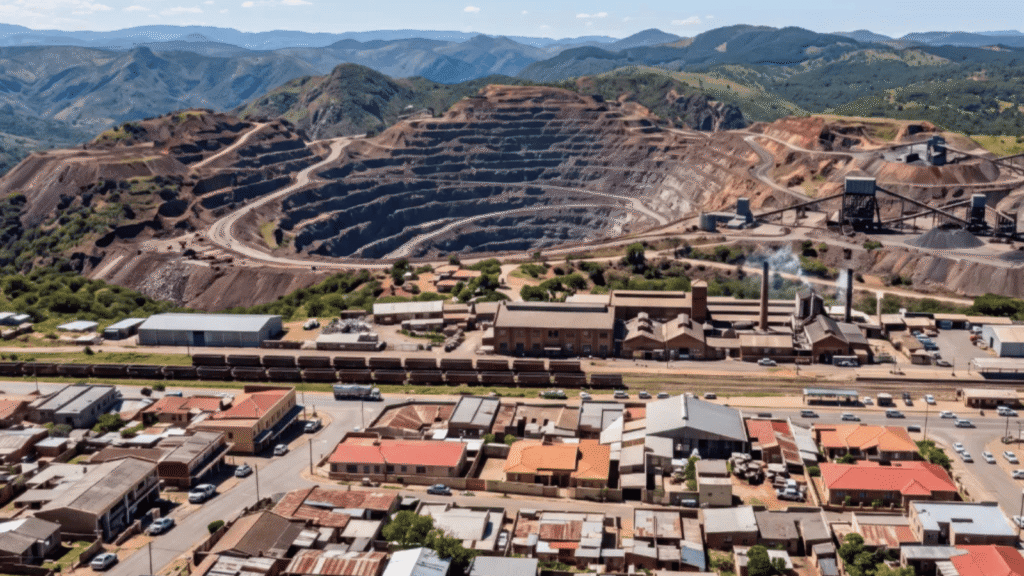
Several mining operations are located in the Brits district or along the corridor towards Rustenburg.
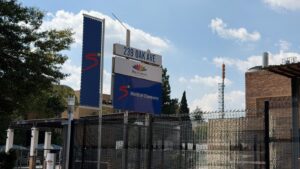
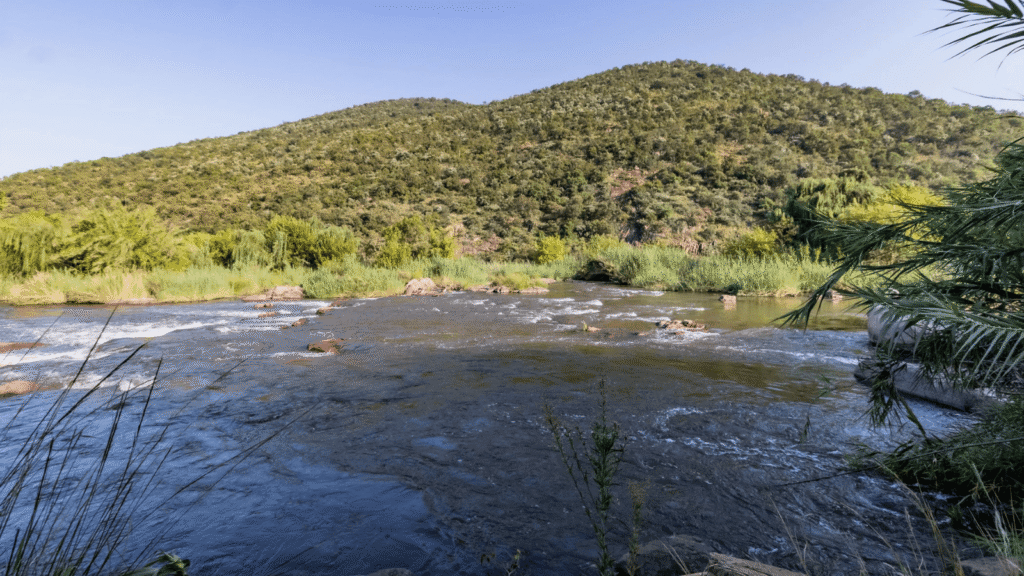
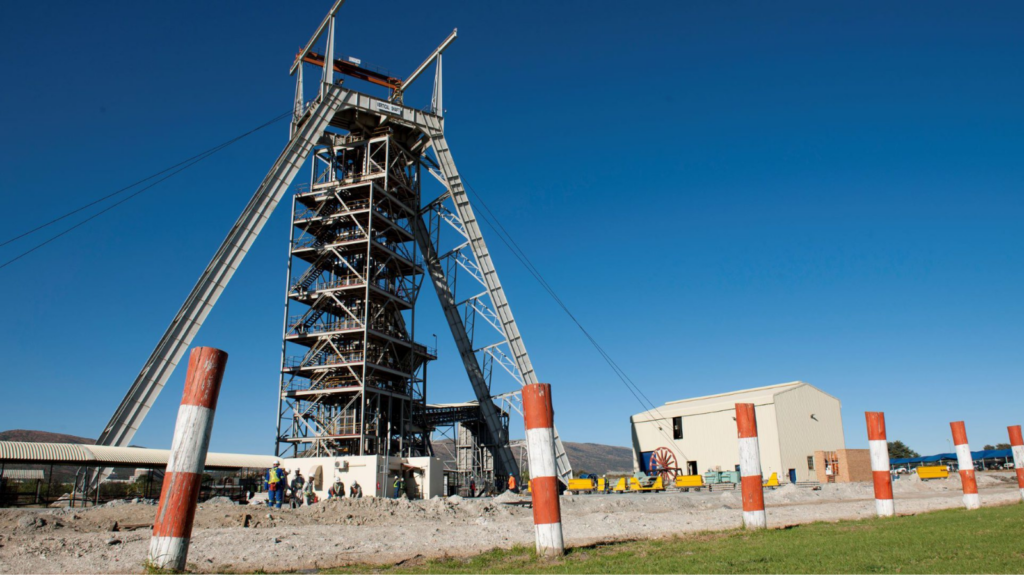
One is Crocodile River Mine, 7km south of Brits. Operated by Eastern Platinum, it produces platinum-group metal and chrome concentrates.
The operation includes the Zandfontein underground mine, two development sections called Crocette and Kareespruit, and several processing plants.
Crocodile River Mine initially focused on recovering metals from the Zandfontein tailings storage facility. Chrome reclamation began in December 2018, followed by platinum-group metal recovery in 2020.
The company began processing underground ore from Zandfontein in the third quarter of 2024.
The mining and processing operation produces separate concentrates. Chrome concentrate is sold to third parties, while platinum-group metals (PGMs) concentrate is sold to Impala Platinum under an offtake agreement.
The PGM concentrate from the underground operation is transported to the Impala Smelter Complex near Rustenburg.
Another major operation in the region is the Western Chrome Mines, operated by Samancor Chrome between Brits and Rustenburg.
The area also includes the Eland Platinum Mine, 12km east of Brits. Northam Platinum acquired the mine from Glencore in 2017, when it was under care and maintenance.
The mine has substantial underground and surface infrastructure, including chrome and PGM concentrators.
These operations form part of a wider mining and processing network that supports South Africa’s position in the global platinum and chrome industries.
Brits is home to Africa’s first cloned animal
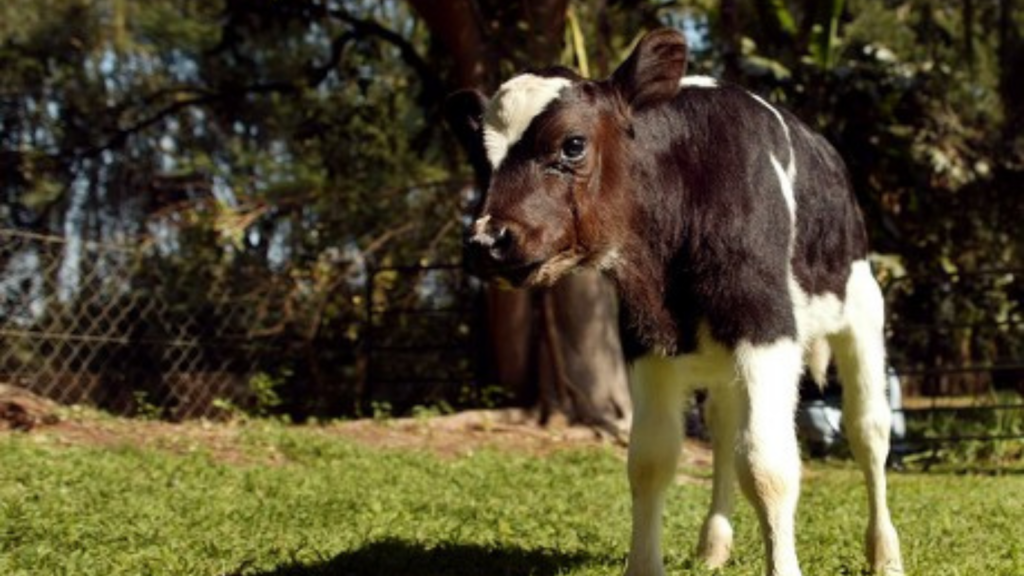
Brits made scientific history in 2003 with the birth of Futhi, the first cloned animal in Africa. The female Holstein calf was born on 19 April 2003 at the Embryo Plus centre in Brits.
The project involved veterinarians Dr Morné de la Rey and Dr Robert Treadwell, working with Danish embryo specialist Professor Gabor Vajta.
Futhi was cloned using cells taken from an ear sample of a record-holding dairy cow known as LMJC865.
The donor cow had produced 20,426kg of milk over 300 days, averaging 68kg per day. It was reported to have produced as much as 78 litres in a single day.
Futhi weighed 32kg at birth and was delivered by Caesarean section. Her name means “again” or “repeat” in isiZulu, reflecting the fact that she was a genetic copy of the donor animal.
The team used an egg-shell-free, or zona-free, cloning technique. This differed from the method used to create Dolly the sheep, the first mammal cloned from an adult cell.
The achievement was an important milestone for African animal science, even though the researchers said at the time that the process was not commercially viable.
South African research on animal reproduction has continued since then. About 20 years later, a Chianina calf named Michelle was born.
This was the first cloned calf produced entirely by South African veterinarians without foreign collaborators.
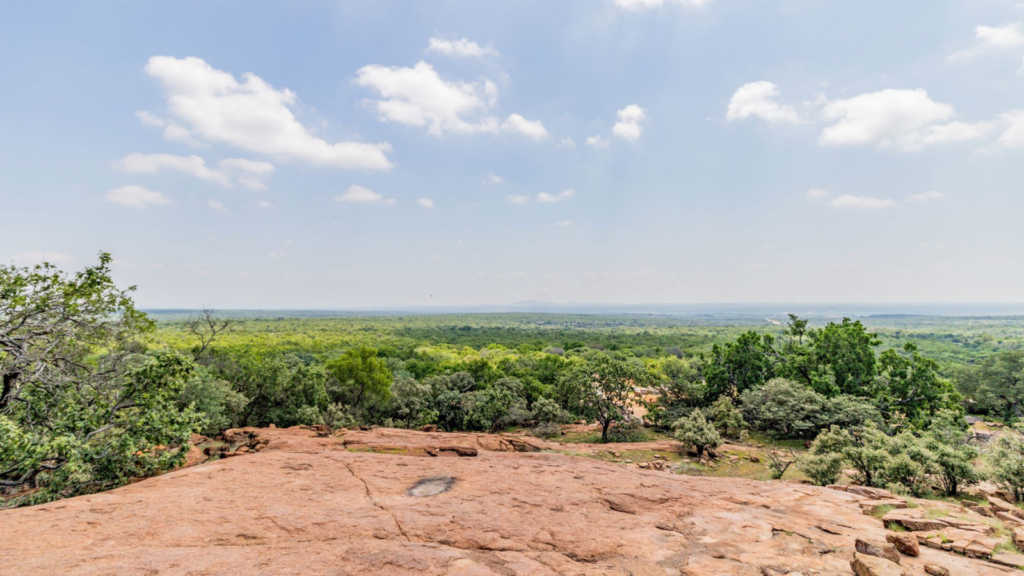
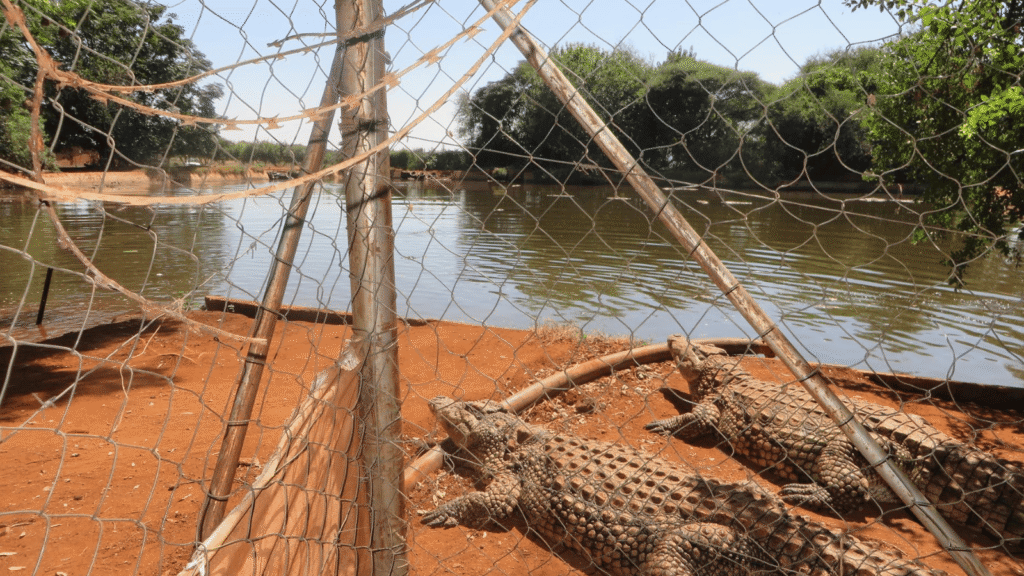
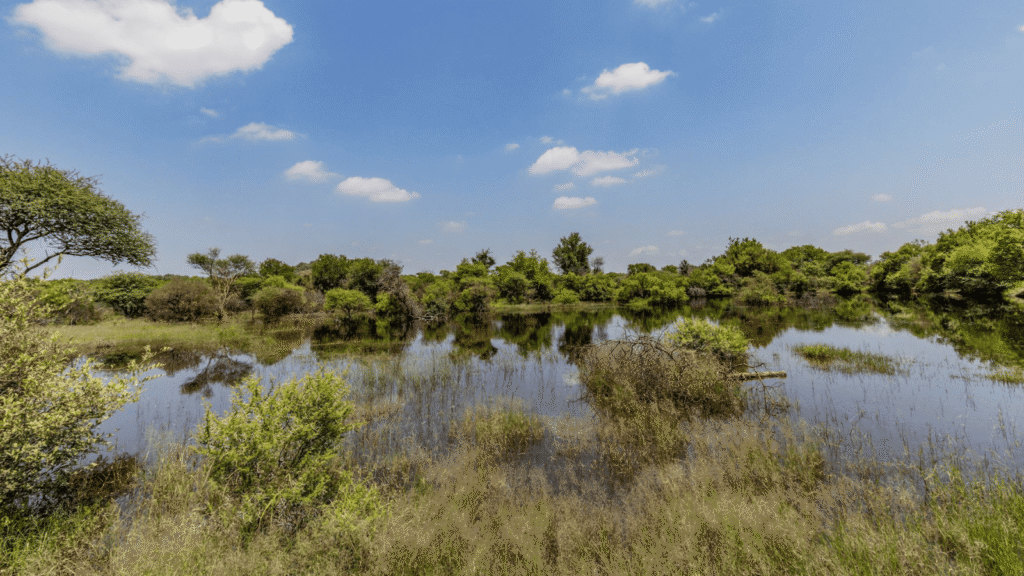
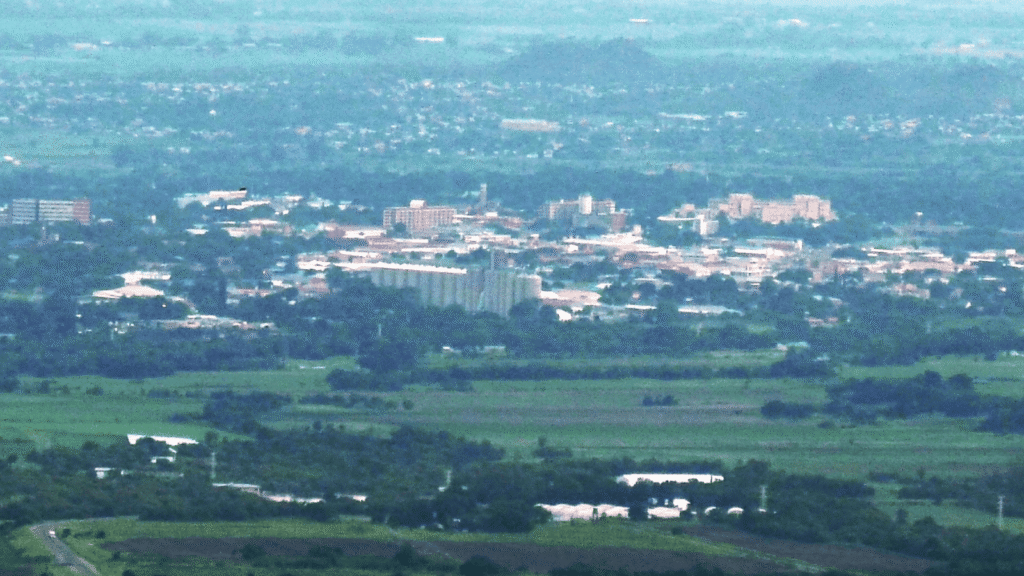
Photos of Brits
Log in or register for free access to all articles.