The town that handles 50% of all cargo in South Africa and has the biggest aluminium smelter in the Southern Hemisphere


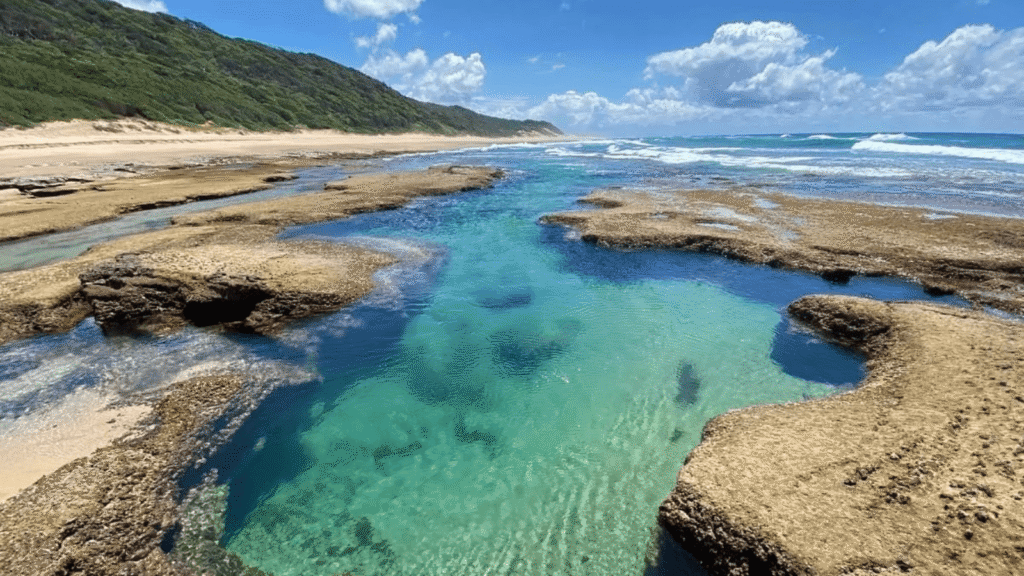
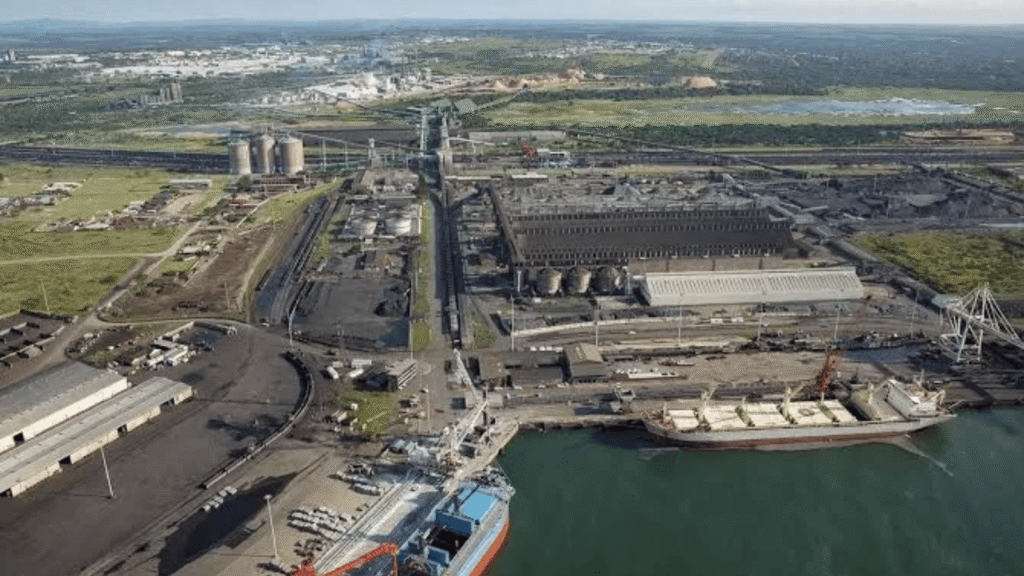
Richards Bay in KwaZulu-Natal is home to the Richards Bay Coal Terminal, Africa’s largest coal export facility, and Hillside Aluminium, the largest primary aluminium smelter in the Southern Hemisphere.
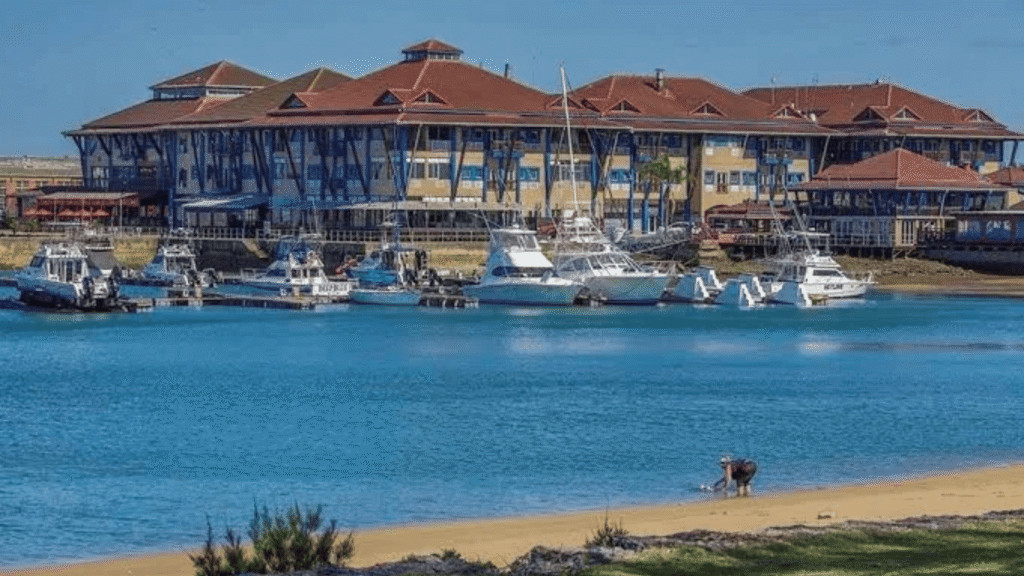
Today, the town is one of South Africa’s most important industrial centres, but it started as a small fishing village on the KwaZulu-Natal coast, 160 km northeast of Durban.
The town takes its name from British naval commander Admiral Sir Frederick William Richards, who was stationed in the area during the Anglo-Boer War in 1879.
Richards Bay initially had a temporary harbour used during the military campaign. Its potential as a natural harbour was later confirmed through a detailed survey of the lagoon and surrounding area.
By the 1970s, South Africa needed additional rail links between the coast and the country’s mining heartland. It also required a deep-water port capable of accommodating increasingly large bulk carriers.
Richards Bay was selected from three possible harbour locations. Factors included its large lagoon, the ease of dredging, access to the national rail network, nearby Empangeni and the availability of fresh water.
Parliament authorised construction of the harbour in May 1972. The first phase of the Port of Richards Bay officially opened on 1 April 1976.
The port was initially developed to export coal but has since expanded to handle a wider range of bulk and breakbulk cargo.
It now includes a dry bulk terminal, a multi-purpose terminal and the privately operated Richards Bay Coal Terminal. Other private operators run woodchip export facilities and a bulk liquid terminal.
The port also has extensive rail and conveyor-belt infrastructure connecting its berths to nearby factories and industrial plants.
A dedicated railway line links Richards Bay with the coalfields of Mpumalanga and Gauteng. Other rail and road connections serve KwaZulu-Natal, the Eastern Cape, the Northern Cape and neighbouring countries.
The port has 21 operational berths, including those at the privately operated coal terminal, and handles exports of coal, timber, granite, minerals, ferro-alloys and other products.
Richards Bay’s importance to South Africa’s economy
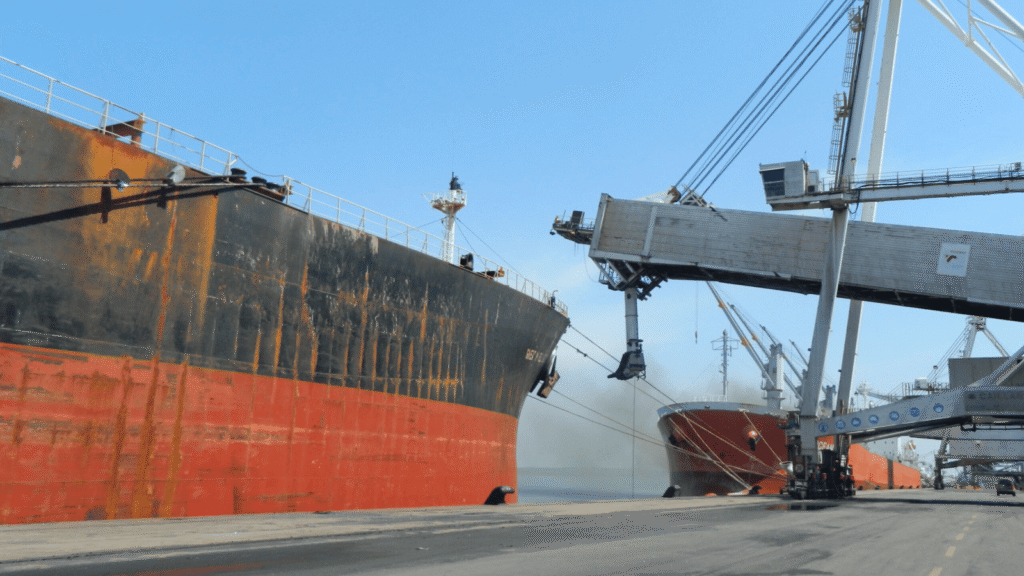
Throughout the years, Richards Bay has grown into one of South Africa’s most important export gateways.
Stats SA data previously showed that Richards Bay handles 44.3% of all cargo moving through South Africa’s ports. Saldanha Bay accounts for a further 38%.
Together, the two ports handle more than 80% of the country’s port cargo, while Durban and Cape Town account for a combined 8.3%.
A separate Port of Richards Bay profile has put its share at 55% of South Africa’s seaborne cargo, based on annual volumes exceeding 80 million tonnes.
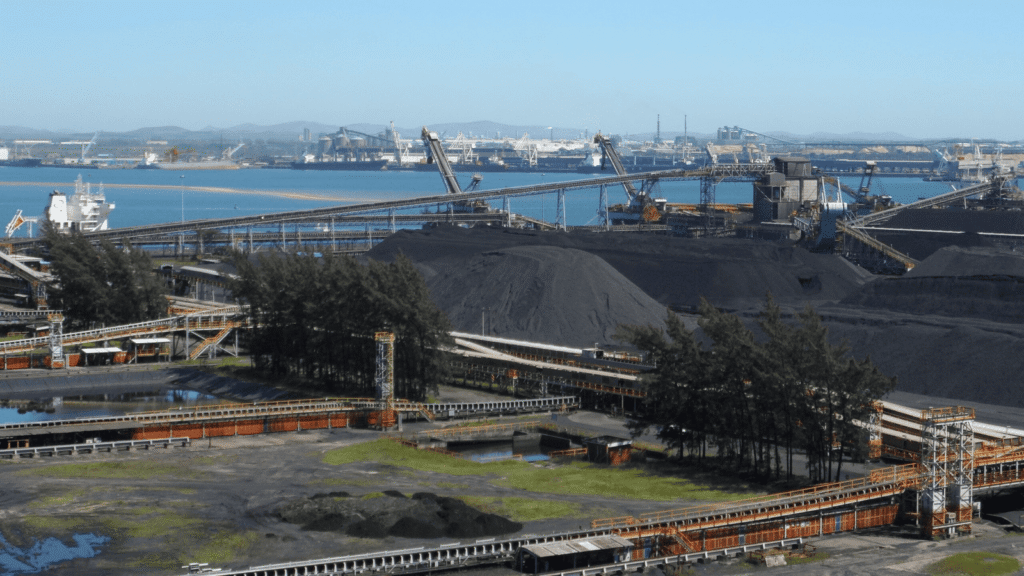
The port’s largest operation is the Richards Bay Coal Terminal (RBCT), which is the biggest coal export facility in Africa.
Opened in 1976, RBCT initially had capacity to handle 12 million tonnes of coal annually. Its capacity has since expanded to 91 million tonnes.
The terminal has a 2.2km quay, six berths, four shiploaders and substantial coal storage facilities.
Coal exports through the terminal increased by 11% to 57.66 million tonnes in 2025, the highest level in four years, according to Bloomberg.
The improvement followed stronger freight rail performance. The number of trains offloaded at the terminal increased from 6,342 in 2024 to 7,157 in 2025, while the average number of trains per day rose from 17 to 20.
However, exports remain below the 76 million tonnes recorded in 2017. Transnet’s freight rail capacity has been constrained by locomotive and spare parts shortages, cable theft, and vandalism.
Some mining companies have consequently resorted to road transport, while some commodity exports have been redirected through Mozambique.
India remains the largest destination for South African coal, importing 25.75 million tonnes in 2025. This represented approximately 45% of total shipments through RBCT.
Asia accounted for 79.8% of South Africa’s coal exports, although this was down from 84.5% in 2024.
Hillside Aluminium
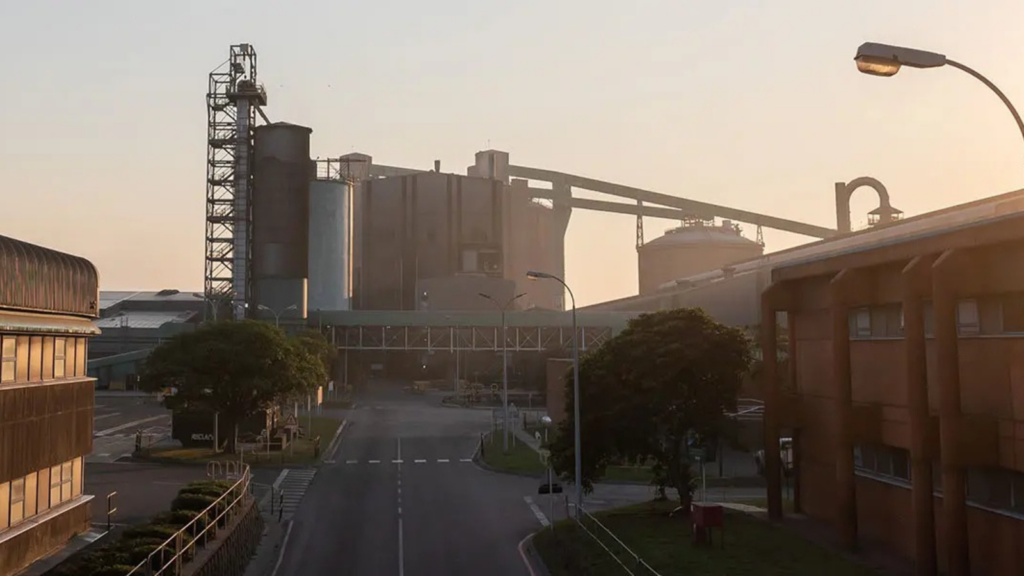
Richards Bay is also home to Hillside Aluminium, the largest primary aluminium smelter in the Southern Hemisphere and South Africa’s only operating primary aluminium producer.
The facility is owned and operated by South32 and produces high-quality aluminium for domestic and international markets.
Hillside produced 718,000 tonnes of aluminium in its 2025 financial year, with an annual production capacity of approximately 720,000 tonnes.
The smelter supplies liquid aluminium to local manufacturers, including Hulamin and other downstream processors. This supports the domestic aluminium industry by providing raw material for further manufacturing.
Hillside relies predominantly on alumina imported from Worsley Alumina in Australia. Alumina is produced by refining bauxite ore and is then processed through smelting to produce aluminium metal.
The operation is also one of South Africa’s largest industrial electricity consumers, using 5% of Eskom’s total electricity output.
Hillside marked 30 years of operation in 2026. Its continued presence makes Richards Bay an important centre for both primary aluminium production and downstream manufacturing.
However, its ownership could change. South32 announced on 1 July 2026 that it had signed a binding, conditional agreement to sell its aluminium value chain assets, including Hillside Aluminium, to Alcoa Corporation.
The transaction is expected to be completed in the second half of the 2027 financial year, subject to the fulfilment or waiver of conditions precedent.
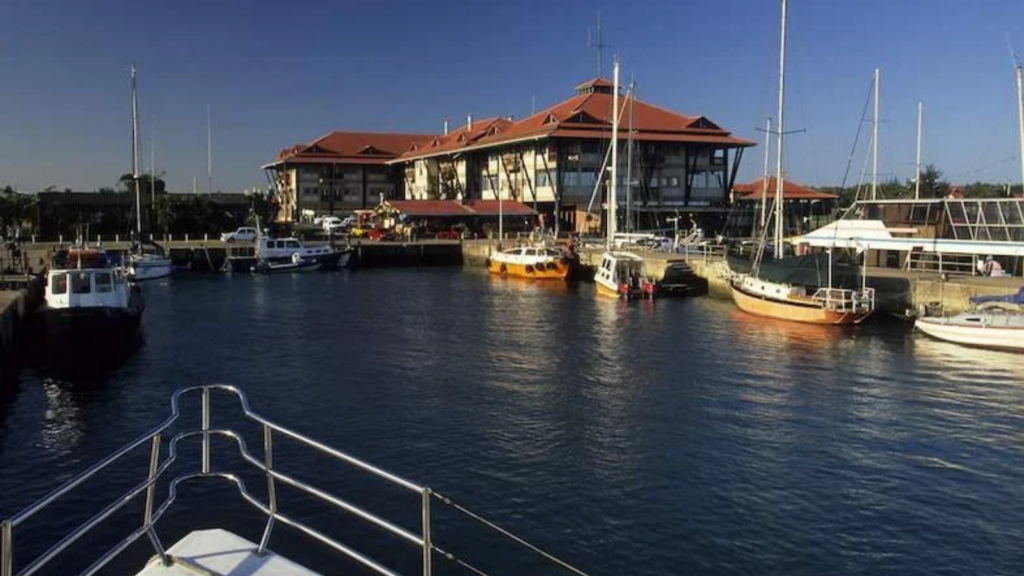
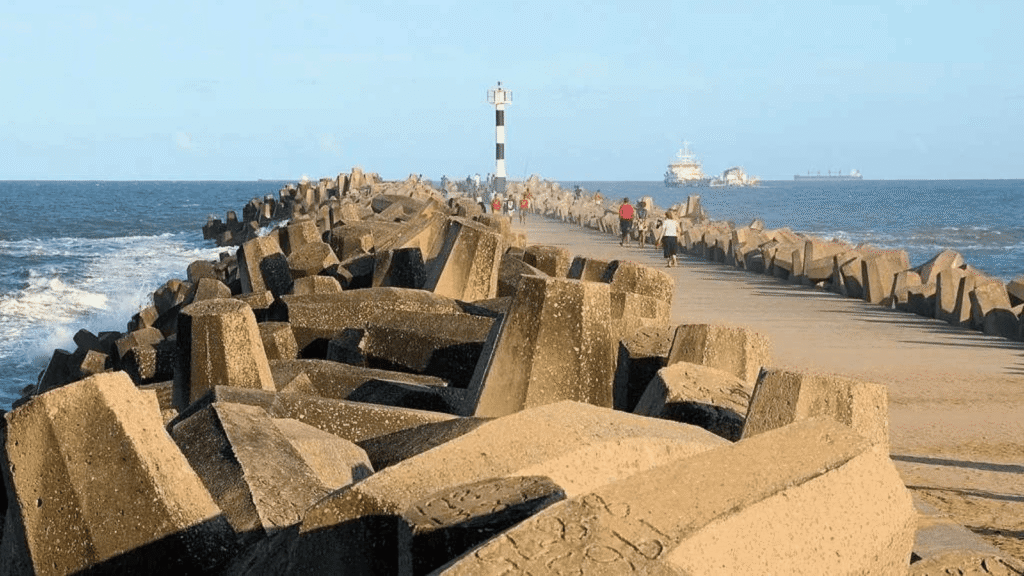
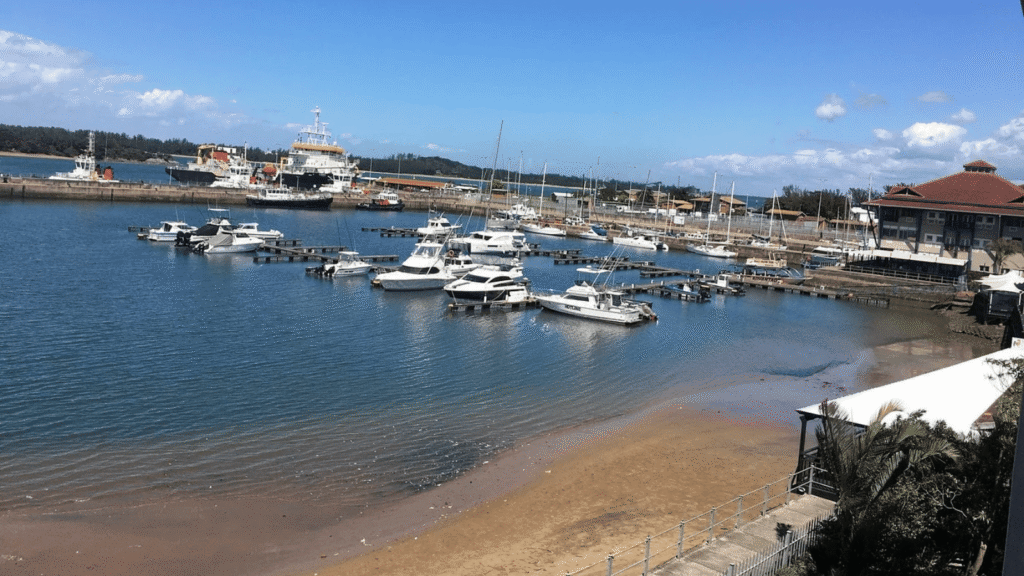
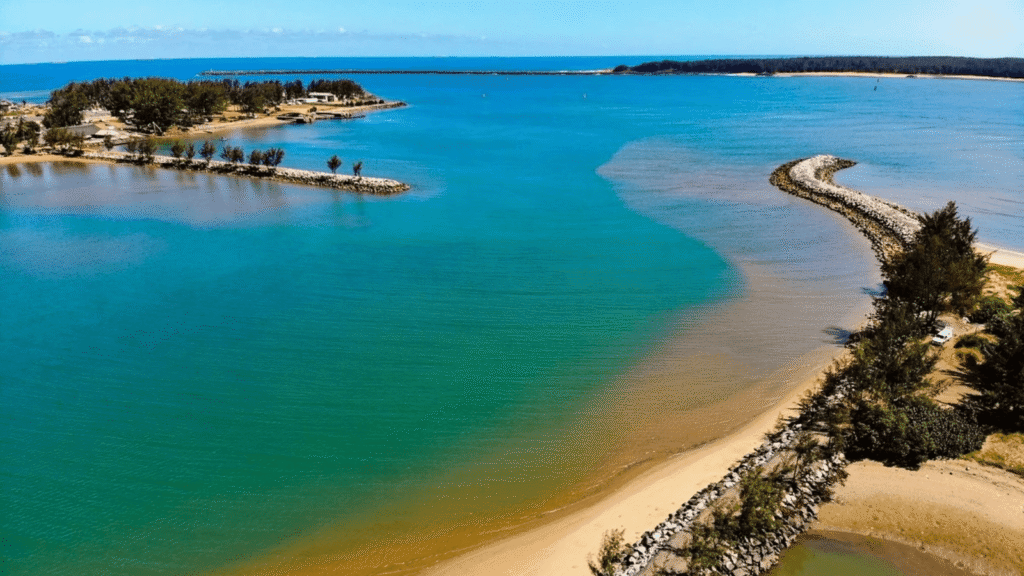
Photos of Richards Bay

Login or register for unlimited free access.


Conversation
5 commentsThose who want to sabotage this country RSA for their own gains!
Get lost and piece off out of this country RSA.