The remote South African town which is a lush desert oasis and produces world-class grapes and 90% of the country’s dried raisins


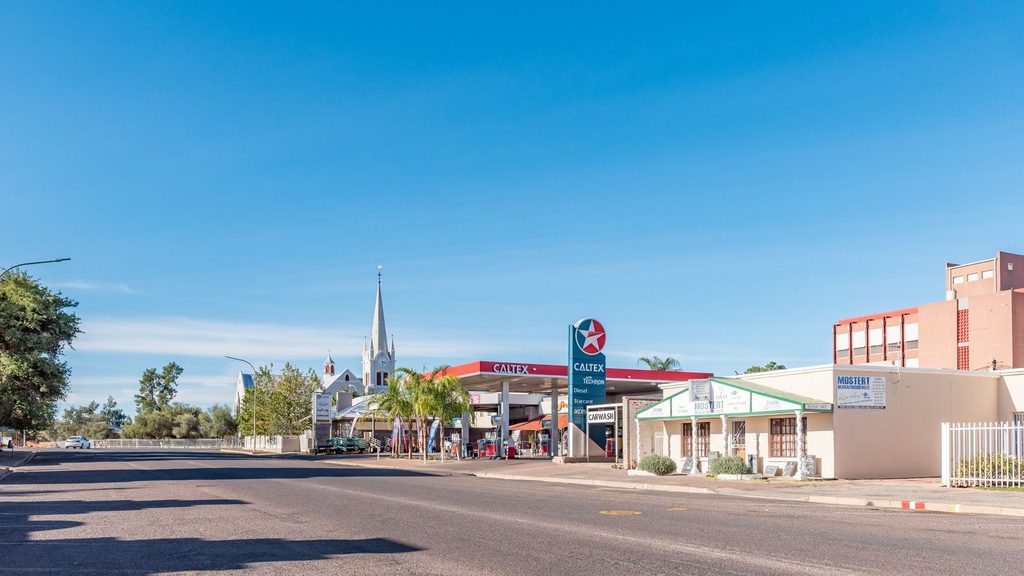
The small town of Upington is one of the world’s largest producers of table grapes and raisins thanks to its location on the Orange River and extensive canal network.
In particular, Upington is dominant in raisin production, with 90% of South Africa’s raisins coming from the town.
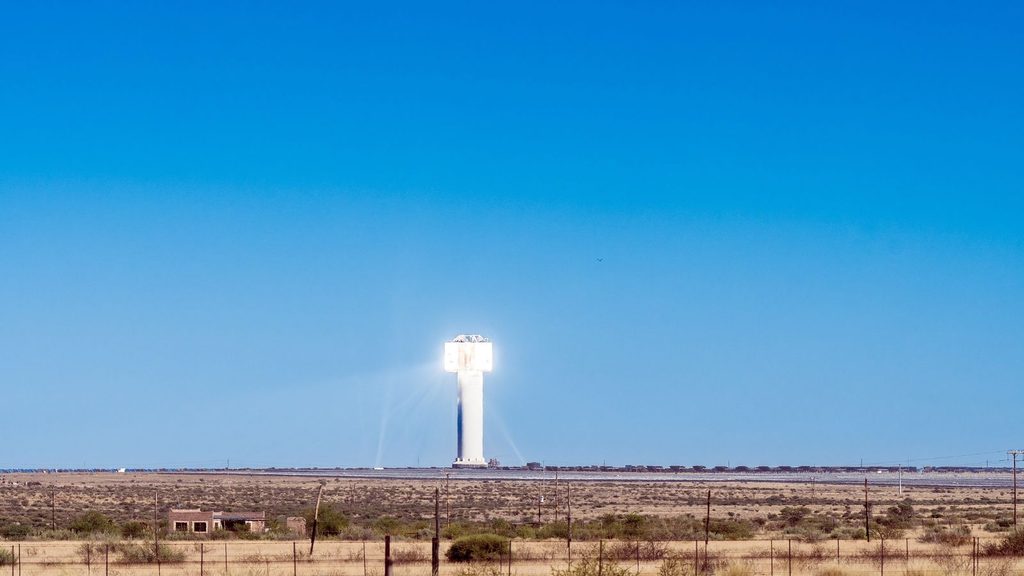
More recently, the town has become a crucial hub for renewable energy projects, particularly solar plants, as it has some of the highest solar irradiation levels in the world.
Thanks to its airport and the N10 and N14 highways, the town is also a critical logistics hub connecting Gauteng to the Western Cape and Namibia.
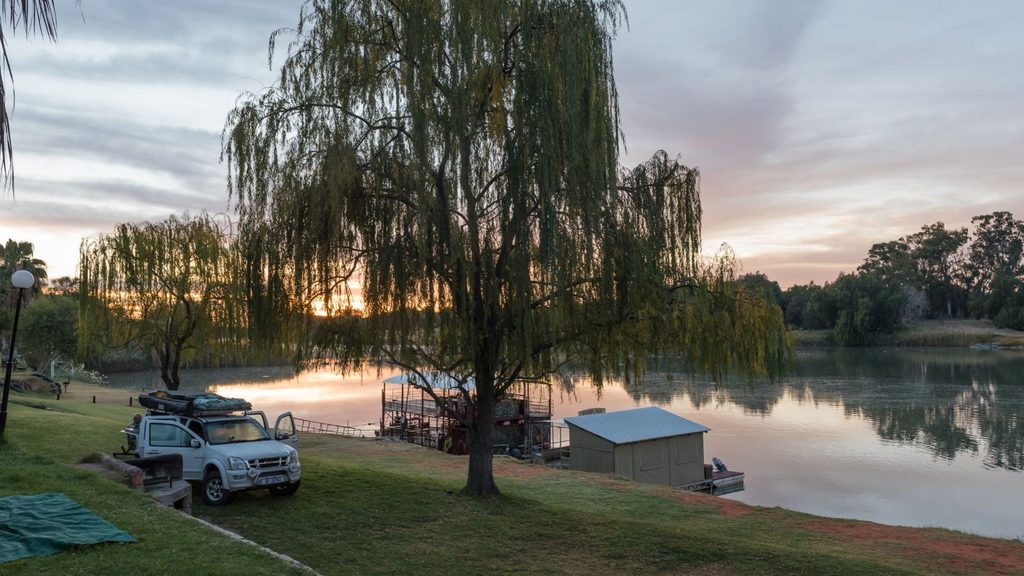
Founded in 1873, Upington is located on the banks of the Orange River in South Africa’s Northern Cape Province.
Upington was not the town’s original name. Afrikaners moving into South Africa’s interior called the area Olyvenhoutsdrift in 1871 due to the abundance of olive wood trees.
The small town that developed was primarily a mission station run by Reverend Christiaan Schröder. The station still stands today and is the Kalahari Orange Museum.
Schröder was not just a reverend. He also pioneered the development of the town’s first irrigation canals from the Orange River.
This formed the basis of the town’s agricultural industry, with the canals eventually enabling large-scale irrigation and cultivation of valuable crops.
As the town grew thanks to the discovery of diamonds and minerals in the modern-day Northern Cape, the British became increasingly prominent.
As their grip on South Africa expanded, the British changed the name of Olyvenhoutsdrift to Upington after the then Prime Minister of the Cape, Sir Thomas Upington.
Given the town’s growing agricultural industry and population, it steadily became the administrative hub for the Gordonia district.
However, it remained geographically isolated until a railway bridge across the river was built in 1915, making Upington the hub for all transport and trade between South Africa and modern Namibia.
This turbocharged the town’s growth and its agricultural sector, bringing thousands of workers to Upington.
The town had a moment of international attention with the Upington 26 case in 1985, when 26 residents were arrested for the death of a municipal police officer in the Paballelo township.
25 were convicted of murder under the controversial ‘common purpose’ legal doctrine. 14 received death sentences that were later overturned.
The agricultural powerhouse
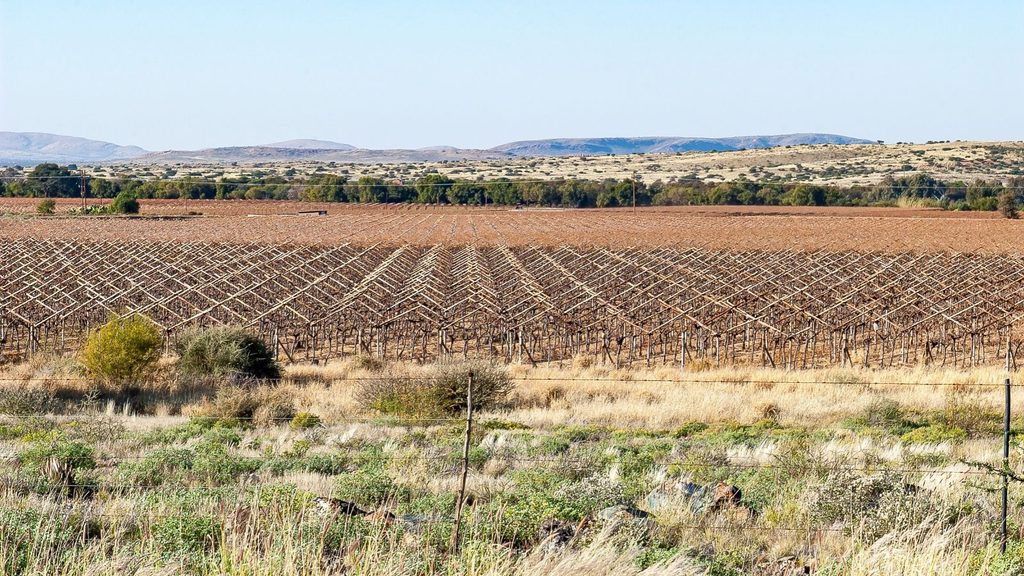
Today, Upington is known as the hub of an agricultural powerhouse in the otherwise arid Northern Cape Province.
It has also produced a crop of businessmen that many towns and cities would be envious of, including the billionaire Christo Wiese.
Wiese’s fortune began with Pep Stores, which operated in small towns in the Karoo before becoming the largest clothing retailer in Africa.
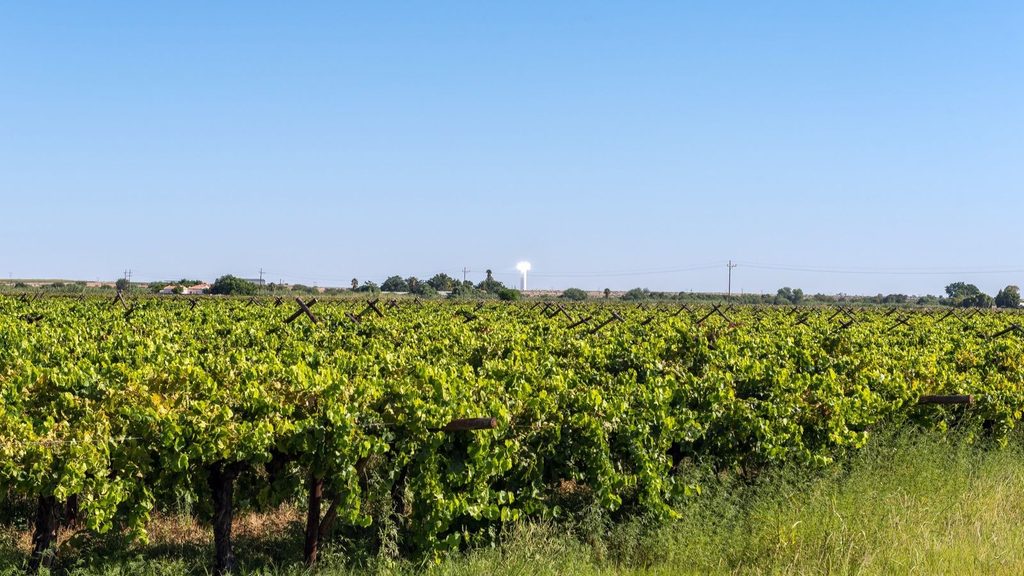
Apart from exporting world-class business leaders, the town exports 90% of South Africa’s raisins thanks to its extensive cultivation of table grapes.
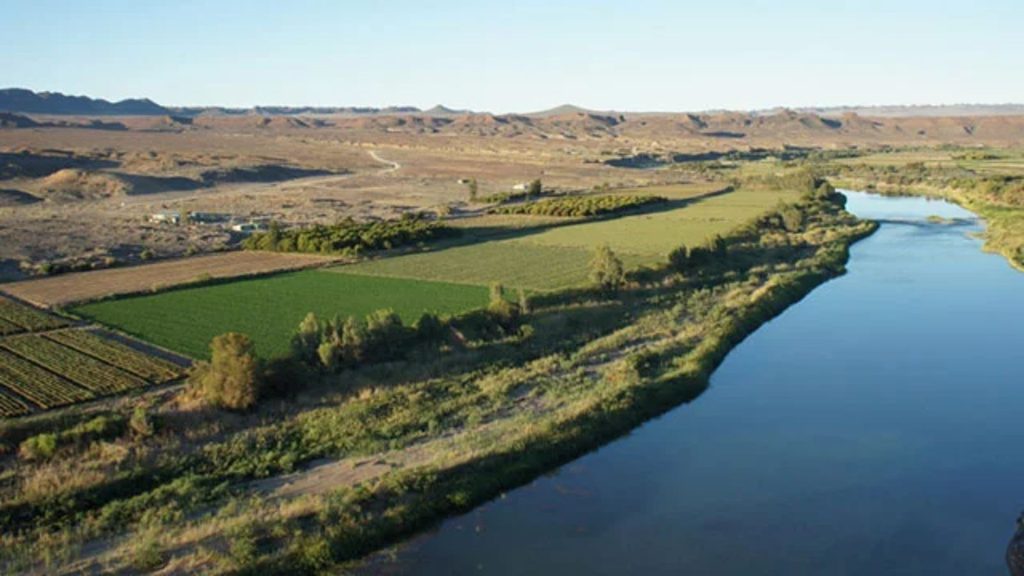
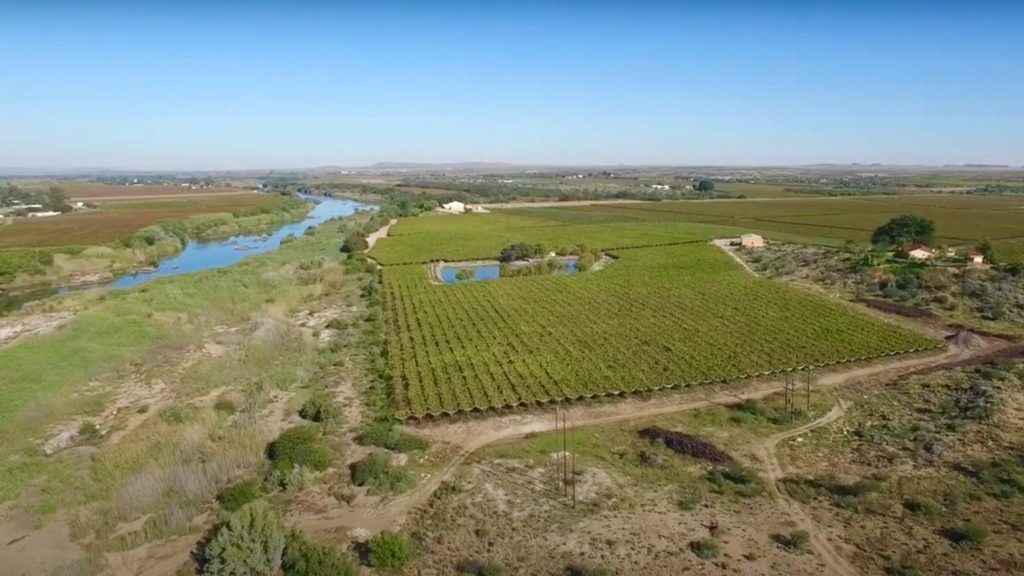
This is not only because of its location along the Orange River, but also because of the extensive engineering done to optimise irrigation.
By channelling water from the river through a network of canals and drip systems, farmers have turned a semi-desert with less than 200 mm annual rainfall into a productive agricultural region.
This is coupled with the unique climate of Upington and the surrounding Lower Orange River Valley, which accounts for a third of all grape exports from South Africa.
The extreme summer heat in the Northern Cape accelerates the accumulation of sugar in grapes, allowing them to ripen several weeks earlier than in other growing regions in the Western Cape.
The upshot is that grapes from Upington hit European and UK stores in November and December, right before pre-Christmas and holiday shopping.
This enables them to command higher prices before competitors from South America and the Western Cape arrive.
Upington’s climate is also why it is able to produce large amounts of raisins, with its low humidity and high solar radiation drying grapes without them rotting or moulding.
This large industry has resulted in Upington being home to a large fruit-processing sector, providing year-round employment.
More recently, the town has also become a hub for renewable energy plants, particularly utility-scale solar projects due to its high levels of solar radiation.
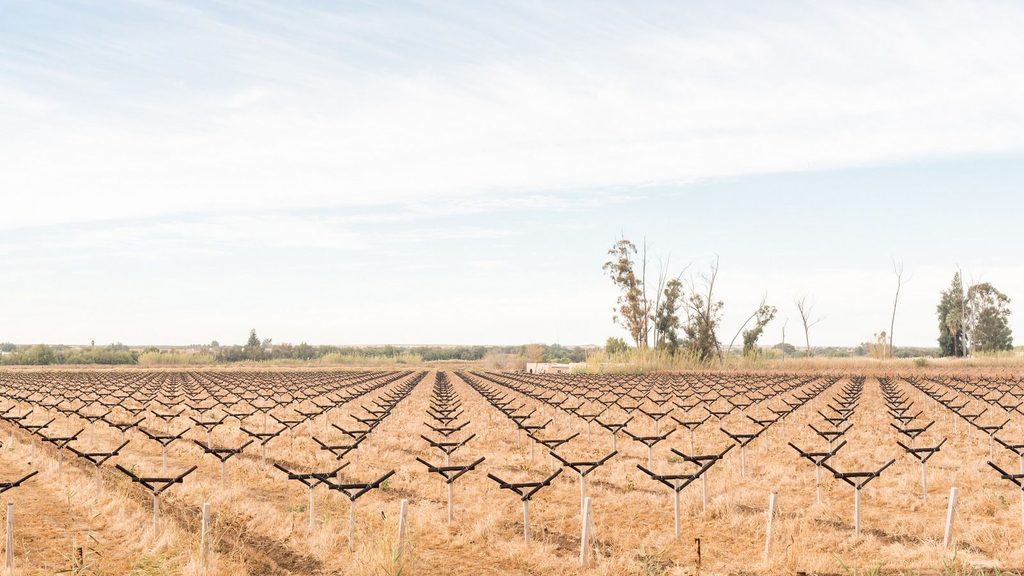
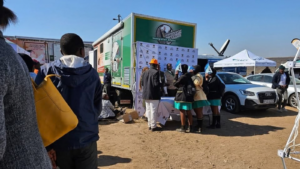
Upington photos




Login or register for unlimited free access.




Conversation
5 commentsKindly note that it was Abraham Holbors September who pioneered the development of the town’s first irrigation canals from the Orange River, and not Schroder. For this achievement, September was honoured with the Order of the Baobab (Posthumously).