South Africa’s government gives R42 million to spaza shops


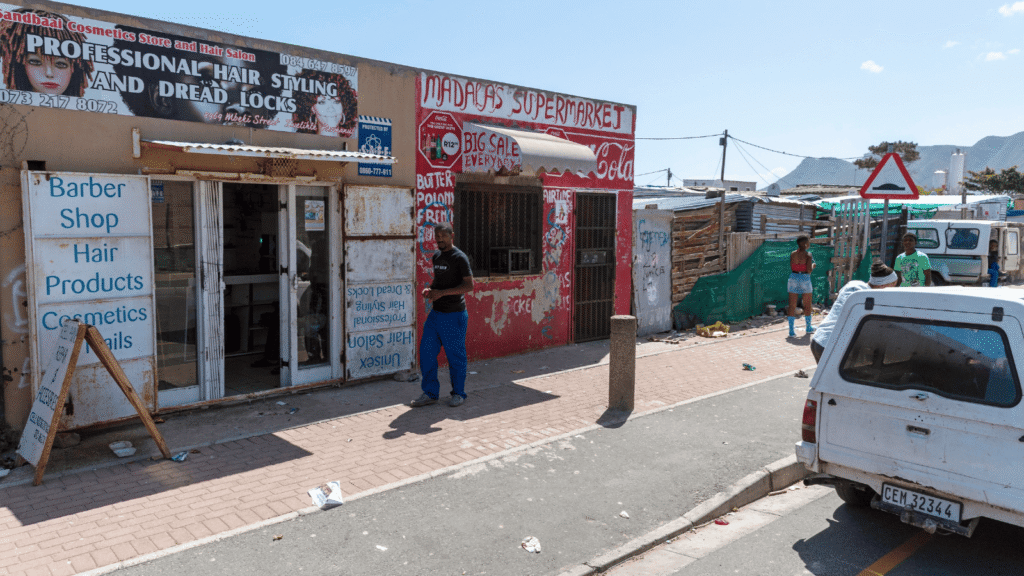
The South African government has disbursed R41.6 million to spaza shops through its R100 million Spaza Shop Support Fund.
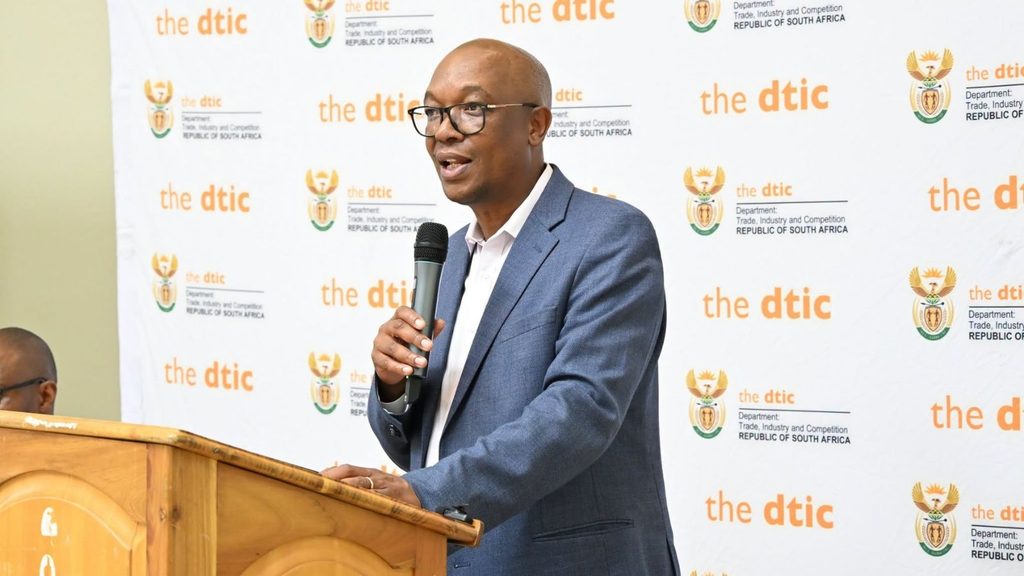
The amount disbursed was disclosed by Trade, Industry and Competition Minister Parks Tau in response to a parliamentary question from National Assembly member Mokgaetji Mafagane.
Tau said the full R100 million allocated to the National Empowerment Fund (NEF) had been approved for the programme.
However, payments are being made in stages as businesses meet the required conditions. According to the minister, 42% of the funding had been disbursed at the time of his response.
The NEF had trained 831 beneficiaries, with 435 receiving infrastructure support and 463 receiving inventory funding.
The breakdown provided in a separate response showed that approximately R8.31 million had been spent on training, R14.98 million on infrastructure and R18.35 million on inventory. This brought the total to approximately R41.64 million.
The Spaza Shop Support Fund was launched by the Department of Small Business Development and the Department of Trade, Industry and Competition.
It is implemented through the NEF and the Small Enterprise Development and Finance Agency (SEDFA).
The fund aims to increase the participation of South African-owned spaza shops in township and rural retail.
It is intended to help locally owned businesses improve their operations, access more competitive prices through bulk purchasing and provide safe, affordable products to their communities.
Qualifying businesses can receive a support package of up to R100,000, comprising funding for stock, infrastructure, and business training.
The package provides up to R40,000 for the initial purchase of stock through delivery channel partners.
A further R50,000 can be used to upgrade business infrastructure, including buildings, refrigeration, shelving, security and operational systems.
The remaining R10,000 is allocated to non-financial support, including business management training, digital literacy, credit health, food safety and regulatory compliance.
Funding must go to accredited local suppliers and cannot cover personal expenses or alcohol sales.
To qualify, spaza shops must be 100% South African-owned and operate in township or rural areas. Owners must be South African citizens or have been naturalised before 1994.
CIPC registration is required within six months for businesses receiving more than R80,000, while SARS registration is required within six months.
The programme prioritises youth aged 18 to 35, women and people with disabilities. The NEF and SEDFA help qualifying businesses with registration.
Why the full R100 million has not been paid out
Even though the full allocation has been approved, the government is disbursing the money in stages.
Tau said payments depend on beneficiaries meeting specific conditions, including training, business verification and infrastructure improvements.
Some spaza shops must first be refurbished to meet the required business licensing and operational standards.
The infrastructure work involves site assessments, physical improvements and verification across several provinces.
Tau stressed that stores must be structurally sound and meet the required standards before they can receive inventory support.
This is intended to ensure that businesses have suitable facilities to store and sell the stock they receive.
Inventory funding is also released according to each shop’s requirements and storage capacity.
Qualifying businesses can access up to R40,000 for stock, but they are discouraged from ordering their entire allocation at once.
This is particularly important for businesses selling perishable products, as excessive stock could expire or spoil before it is sold.
Tau said the phased approach was intended to reduce stock losses and ensure that funding was used effectively.
He added that some beneficiaries did not receive their full allocations in a single payment due to the size of their businesses.
The remaining disbursements were expected to be made before the end of 2026 as beneficiaries met the required conditions.
This programme has been met with strong demand. By June 2026, the government had received 4,522 applications for the fund and assessed 4,240 of them.
A total of 2,369 businesses had been approved for support. Of these, 1,053 were approved through the NEF and 1,316 through SEDFA. The approved applications represented approximately R79.6 million in funding.
However, Tau said some applications had been declined after the discovery of fronting practices, particularly cases involving foreign nationals.
The government has introduced verification measures to ensure that funding goes to businesses that meet the programme’s ownership requirements.
The NEF has also increased its capacity to conduct verifications and process payments.
Login or register for unlimited free access.



Conversation
1 commentsBMW’s all round, and, a few Breitlings, pointy shoes!