A small Central American country could be the blueprint for South Africa’s turnaround


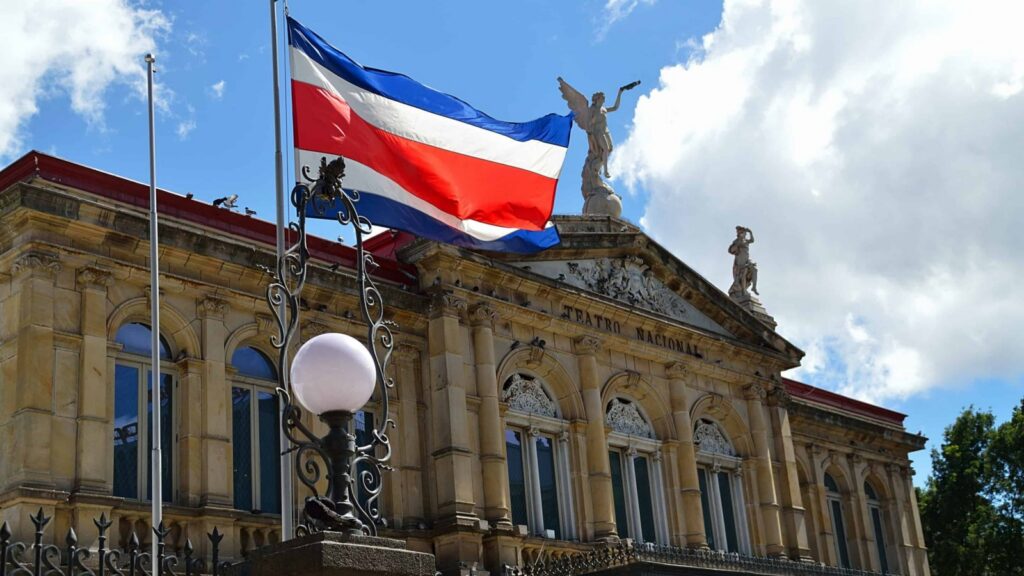
South Africa could revitalise its stagnant economic growth by diverting funding away from its military and defence towards areas such as tourism and natural infrastructure.
This is the belief of Hendrik du Toit, the founder and CEO of South Africa’s single largest asset manager, Ninety One, where he has served for almost 36 years.
Du Toit previously expressed during a presentation at the 2026 Hortgro Technical Symposium in June that he would close the South African National Defence Force (SANDF) if he could.
He said the South African government continued to spend billions of rands every year on a military force, despite the country being under no threat of war.
He expanded on this view in a recent interview with 702, in which he said South Africa should follow in the footsteps of the Central American nation of Costa Rica.
The Costa Rican military was abolished in 1948 following the Costa Rican Civil War. The following year, this was introduced in Article 12 of the Constitution of Costa Rica.
“It left the police force and put that money into tourist and nature infrastructure,” Du Toit said. “It led to a very successful tourist economy for Costa Rica.”
“I don’t think we are going to go to war with anybody. I would like to see South Africa able to defend itself, but if it’s going to waste the money, let’s supply that money better.”
To this day, Costa Rica stands as one of the few sovereign nations without a standing army. The country’s main law enforcement agency, the Public Force, still has limited military capacity.
The country has been classified by the World Bank as a high-income economy, with tourism being a significant contributor to its GDP at $5.5 billion (R90 billion) or 6.3%.
According to Du Toit, this is just one area across South Africa where public funding could be better utilised to address urgent domestic priorities such as fixing infrastructure.
“In spite of the good job that’s been done by the National Treasury in terms of fiscal discipline, we can apply our money much better,” Du Toit said.
“But we need to be aggressive now, because it is turnaround time for South Africa. And if we wait too long, we will fall behind the world economy and not be competitive.”
SANDF is underfunded, not overfunded
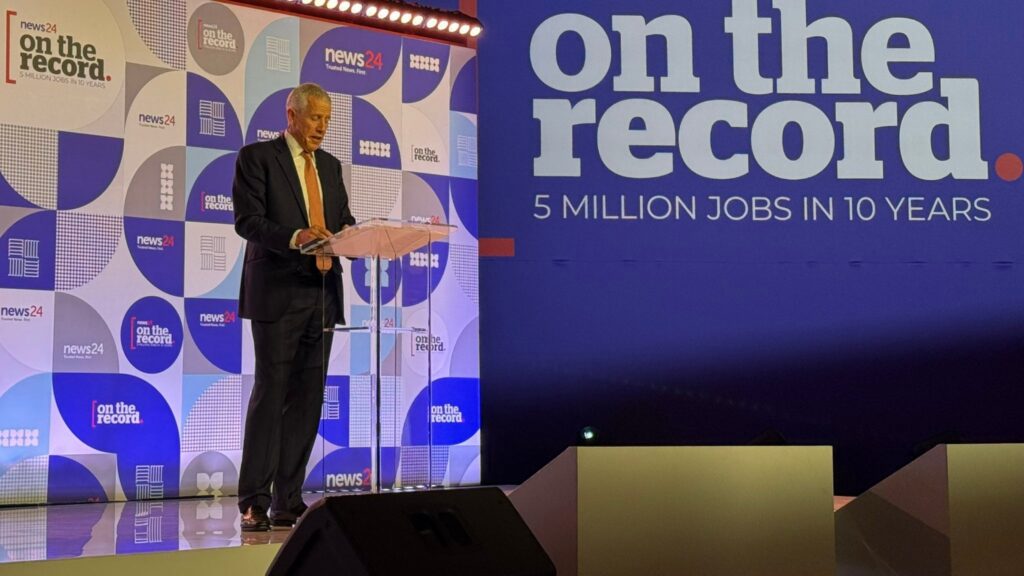
Du Toit’s previous comments around dismantling the SANDF from June drew criticism for allegedly spreading misinformation.
Specifically, journalist and defence analyst Ricardo Teixeira said Du Toit had inaccurately reported on the SANDF’s annual spending.
Du Toit had previously said during the Hortgro Symposium in June that the SANDF was spending R100 billion a year, while arguing that the entity was defending nothing.
“The defence budget, or Vote 23 for those who like to check the prospectus before recommending liquidation, is scheduled to shrink to roughly R57.6 billion next year,” Teixeira said.
“Du Toit has, in other words, identified roughly R40 billion of waste in a department that does not have it to waste. A simple Google search would have clarified this mistake.”
While Teixeira agreed with Du Toit’s assessment that the SANDF should not be made to do the job of the police, he argued that South Africa’s military was actually severely underfunded.
He pointed to the South African Police Service (SAPS), which was allocated a budget of R127.072 billion for the 2026/27 financial year, set to increase to R135.8 billion next year.
“The SANDF is dragged into anti-crime operations, illegal mining sweeps, and infrastructure protection not because soldiers are the correct tool, but because SAPS cannot hold the line,” Teixeira said.
“The police fail year after year and are rewarded with a larger budget, while the army absorbs their shortfall on a smaller one.”
Du Toit admitted his mistake in reporting the SANDF’s spending in his interview on 702, saying he had included the country’s total defence expenditure.
“A lot of people in the Twittersphere started shouting at me because I got the number wrong,” Du Toit said. “We spend less than R100 billion a year.”
“I was including, to articulate properly, the likes of the other failing state-owned military companies that we have. It’s still near R100 billion, or R80 billion, per year.”