South African households are being charged tens of thousands of rands for water and electricity they never used


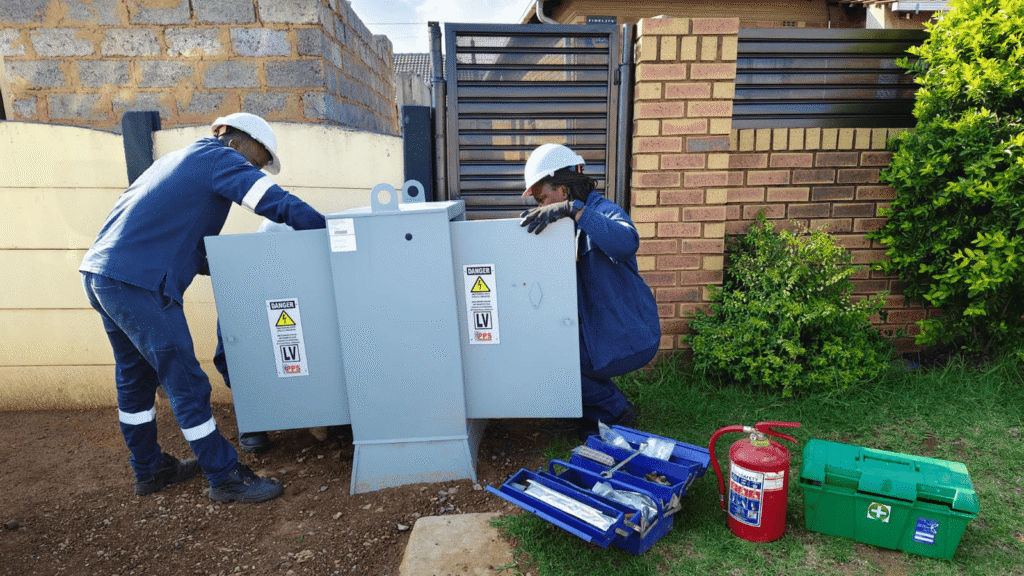
South African households can end up facing tens of thousands of rands in disputed municipal utility charges due to leaks, faulty meters, and estimated billing.
A problem that starts with a leaking pipe or an incorrect meter reading can continue over several billing cycles before the homeowner realises something is wrong.
This can leave households paying for large amounts of water or electricity they did not knowingly consume.
The problem comes as South Africa’s municipal consumer debt continues to grow. National Treasury data released in March 2026 showed that municipal consumer debt had reached R467.2 billion.
Households accounted for R335.3 billion, or 72%, of the total. Around R406.8 billion of the debt was more than 90 days old.
Fungi Utilities general manager Matthew Koller said a significant portion of disputed municipal debt is not simply the result of consumers refusing to pay.
He explained that disputed accounts can arise from relatively small problems that continue unnoticed over several billing cycles.
A leaking toilet or a medium-sized pipe fissure can result in the loss of around 1,000 to 2,000 litres of treated water per day.
Over a 30-day billing cycle, this could add between 30,000 and 60,000 litres to a property’s consumption. The financial impact of this is significant for households.
Koller said an estimated municipal catch-up or minor leak at a one-bedroom apartment could double a monthly account from around R1,200 to more than R3,000.
For a typical three-bedroom family home, municipal utility costs can range from around R4,000 to R8,000 a month.
An undetected underground leak or faulty meter estimate can then add tens of thousands of rands to a disputed account.
Commercial properties can also accumulate large utility costs without immediately identifying the cause.
Koller said a fissure or an HVAC system operating on standby after hours in a shopping centre or office park can result in between R50,000 and R100,000 in unverified monthly overheads.
Inefficiencies cost businesses up to R100,000 extra per month
Multi-tenant properties without sub-metering can create another problem. Utility costs may be divided between tenants according to floor area rather than actual consumption.
This means a business with relatively low energy use could end up subsidising a tenant, such as a restaurant, bakery, or gym, with much higher energy consumption.
Industrial businesses face additional pressure from idle power usage. Koller noted that manufacturing plants and logistics hubs can spend between 10% and 15% of their monthly electricity costs on idle consumption.
This includes heavy machinery, compressed-air leaks, and HVAC systems operating outside their operating hours.
Because commercial and industrial electricity tariffs include peak-demand charges, these inefficiencies can cost between R30,000 and R100,000 or more each month.
Koller explained that greater use of sub-metering and digital utility monitoring could help address some of these problems.
These systems can track water, gas, and electricity consumption in real time, which would allow property owners to identify leaks, unusual usage, and other problems earlier.
They can also provide a record of actual consumption when a municipal account is disputed.
Koller said section 102(2) of the Municipal Systems Act gives consumers the right to query and dispute irregular or faulty municipal billing.
However, he stressed that consumers need reliable data to support those disputes. “You can’t challenge one estimated statement with another estimate,” he said.
Real-time monitoring can provide records of actual litres of water or kilowatt-hours used, helping consumers identify the source of a disputed account.
The same technology can also be used to monitor solar photovoltaic generation, battery storage, and on-site water systems. This can help property owners reduce grid dependence and manage peak demand.
With municipal electricity tariffs having increased by 1,100% since 2007, Koller said controlling unnecessary consumption has become increasingly important.
As households and businesses continue facing rising utility costs, better measurement and clearer billing will become an important part of managing their municipal accounts.




Comments