More petrol price pain ahead for South Africans


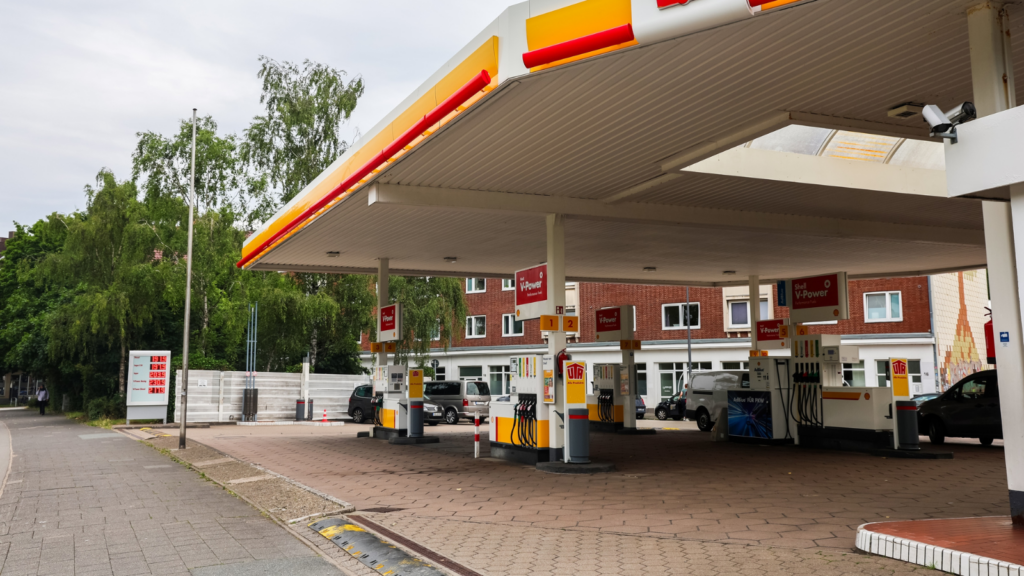
South African motorists could face another petrol price increase, as rising global oil prices put further pressure on domestic fuel costs.
Petrol and diesel prices increased by more than R3 per litre in October 2026. Motorists are now paying R9 per litre more for fuel than they did at the beginning of the year.
Investec chief economist Annabel Bishop warned that further increases could follow, as daily figures from the Central Energy Fund point to continued pressure on domestic fuel prices.
The rising cost of fuel is also complicating the economic outlook ahead of the National Treasury’s Medium-Term Budget Policy Statement (MTBPS) on 21 October 2026.
The latest fuel price increases are linked to higher global oil prices following the conflict in the Middle East.
Bishop said South Africa had entered 2026 with favourable economic conditions, including lower inflation and an interest-rate cutting cycle. However, the global environment has since changed significantly.
The war in the Middle East has pushed up energy costs, while uncertainty over how long the disruption will last makes it difficult to predict when fuel prices might ease.
She explained that the latest Central Energy Fund figures showed further substantial increases in fuel prices were possible.
Higher oil prices are particularly difficult for South Africa because the country imports much of the oil and petroleum products it uses. This means changes in global prices feed into the domestic cost of petrol and diesel.
The effects extend beyond motorists filling their vehicles: Higher fuel costs increase transport and distribution expenses, which can feed into the prices of food and other goods.
Businesses are also feeling the effects, since more expensive fuel increases the cost of moving goods and providing services. This places pressure on companies already dealing with weak demand and higher operating costs.
Higher fuel prices threaten inflation and interest rates

Fuel prices are also a concern for the South African Reserve Bank as it attempts to bring inflation towards its 3% target.
Bishop said the combination of rising fuel costs and weaker economic growth creates a difficult environment for both the Reserve Bank and National Treasury.
She said she expects South Africa’s inflation rate to face further upward pressure, potentially moving towards 5%.
The increase in fuel prices comes after the Reserve Bank raised interest rates in September. Bishop warned that rates could rise further if inflationary pressures persist.
Higher interest rates would increase borrowing costs for households and businesses, and make it more expensive for the government to service its debt.
Investec treasury economist Tertia Jacobs explained that the outlook for inflation remained closely tied to oil prices and international bond yields.
She said the effects of higher oil prices could take time to work through the economy, although some of the impact could begin to ease as base effects emerge during the second quarter of 2027.
However, uncertainty over the duration of the conflict in the Middle East means fuel costs remain a key risk to the inflation outlook.
Bishop added that South Africa could reduce its exposure to global oil price shocks by developing domestic energy resources.
Even though the country has significant oil reserves off its west coast, it has not developed them at the same pace as neighbouring Namibia.
She said better government policies and a more effective minerals and petroleum regulatory framework could help attract investment in oil extraction.
Domestic production would not eliminate exposure to international prices, but it could improve South Africa’s trade balance and reduce its dependence on imported oil.
Bishop explained that greater domestic production could also support the rand, economic growth and employment, while helping contain inflationary pressure.





Comments