Municipalities across South Africa hit with criminal charges


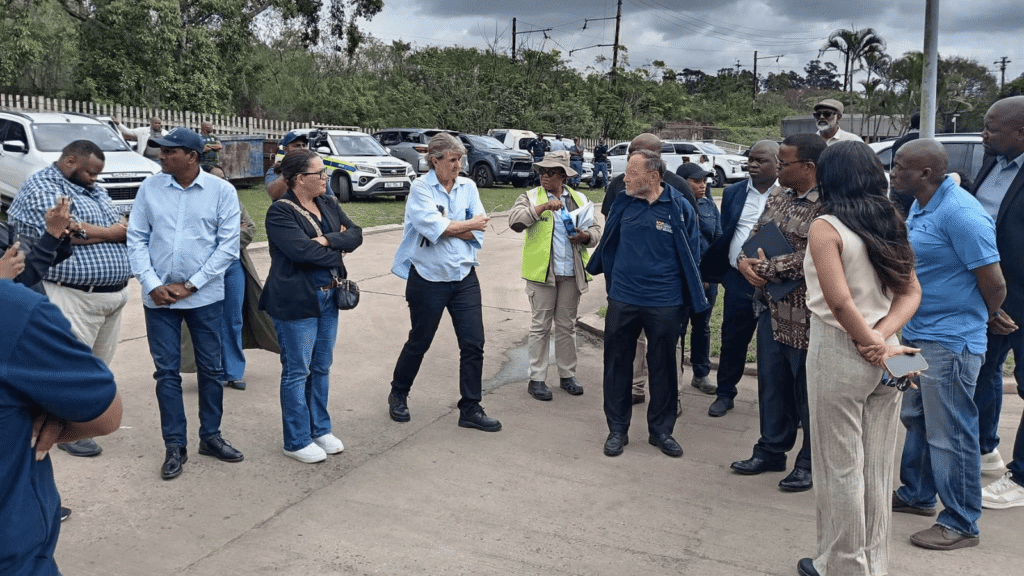
South Africa has recorded more than 100 criminal cases against municipalities and water services authorities over pollution linked to failing wastewater infrastructure.
Speaking on Newzroom Afrika, Deputy Minister of Water and Sanitation Dr Jack Bloom said the department has laid more than 100 criminal charges against local authorities after other attempts to address pollution failed.
The Department of Water and Sanitation’s latest figures show that 107 cases have been recorded against 71 water services authorities.
The cases relate to pollution caused by wastewater infrastructure and are being investigated with the South African Police Service.
Completed case dockets are sent to the National Prosecuting Authority to decide whether to prosecute.
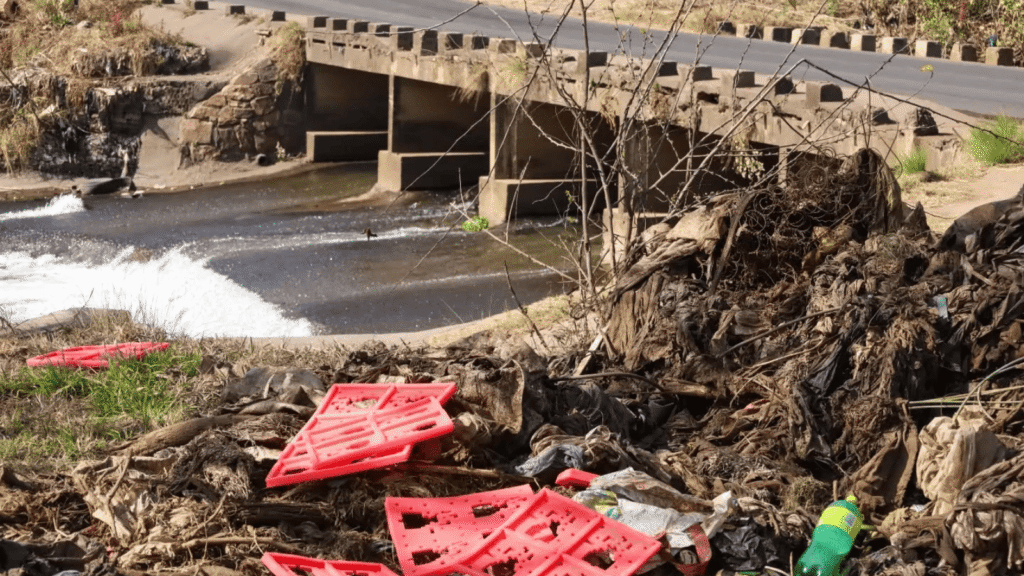
The crackdown comes as South Africa struggles with deteriorating water infrastructure and untreated sewage entering rivers and other water sources.
On 1 October 2026, the department launched a National Pollution Register to make information on water pollution cases more accessible to the public.
The register records municipalities, companies and other entities that have faced formal enforcement action, including those issued with pollution-related directives, convicted of offences or ordered by courts to pay damages.
Bloom explained that the aim is to expose major polluters and make the consequences of pollution more visible.
He said the department had laid criminal charges after trying other methods to stop municipalities from polluting waterways.
The register is intended to make it easier for the public to identify entities that have faced enforcement action, since that information is currently difficult to access.
Municipal wastewater treatment plants are among the biggest sources of water pollution in South Africa.
South Africa’s wastewater treatment plants are in critical condition
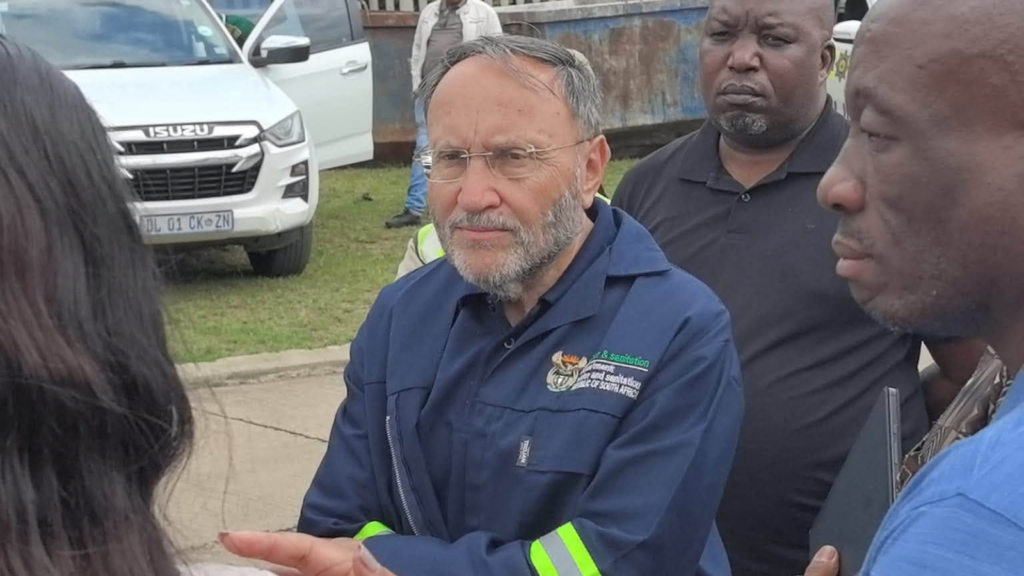
According to the 2025 Green Drop Report, 396 of the country’s 848 wastewater treatment systems were in a critical state. This was an increase from 334 critical systems in the 2022 assessment.
The latest Green Drop report also showed that 47% of local wastewater treatment plants are in critical condition.
Industries also contribute to pollution by discharging substances such as ammonia, grease, oil, and metals. High levels of E. coli have also been detected in polluted water, Bloom said.
This pollution has consequences for drinking water supplies, particularly since South Africa is already facing water scarcity. Worryingly, water is also expected to become scarcer due to the 2026-2027 El Niño event.
One example of a plant in a critical condition is the Hartebeestfontein Wastewater Treatment Works near Kempton Park in Ekurhuleni.
Bloom said pollution from the plant has affected Rietvlei Dam in Tshwane, preventing the city from using the dam to supplement its water supply for about a year.
The dam previously supplied raw water to the Rietvlei Water Treatment Works, but deteriorating water quality has affected the plant’s ability to treat it to drinking-water standards.
On 8 October, officials laid criminal charges against the City of Ekurhuleni and the Ekurhuleni Water Care Company (ERWAT).
This was done on the basis of continued pollution from the plant and failure to comply with a directive issued under the National Water Act.
The plant receives sewage from areas including Kempton Park, Isando, Tembisa, Spartan, Glen Marais and Birchleigh. Ekurhuleni owns the facility, while ERWAT operates it.
According to Bloom, the department had issued a directive in August 2025, but pollution continued despite improvements in the plant’s operation.
The loss of Rietvlei as a drinking-water source places additional pressure on Rand Water’s bulk supply to Gauteng. The Rietvlei Water Treatment Works contributes around 5% of Tshwane’s treated water supply.
More accountability needed
Bloom explained that criminal charges are generally a last resort after the department has issued directives and requested corrective action plans from municipalities.
He argued that the current system does not always hold individual officials accountable when pollution continues.
“It’s one thing to lay criminal charges, but what happens is the courts just impose a fine, and then they direct that the fine is used to fix the situation. But we’re not holding people personally accountable.”
Proposed amendments to water legislation are looking to strengthen accountability and make it easier to hold municipal officials personally responsible for recurring failures.
In South Africa, water pollution is a serious offence and can carry penalties of up to 10 years’ imprisonment or a R10 million fine.
He added that municipal water revenue should be used to maintain and upgrade infrastructure, rather than being diverted to other spending.
A lack of funding for routine maintenance has contributed to the deterioration of facilities that were previously functional.


Comments