The small Karoo settlement home to more donkeys than people


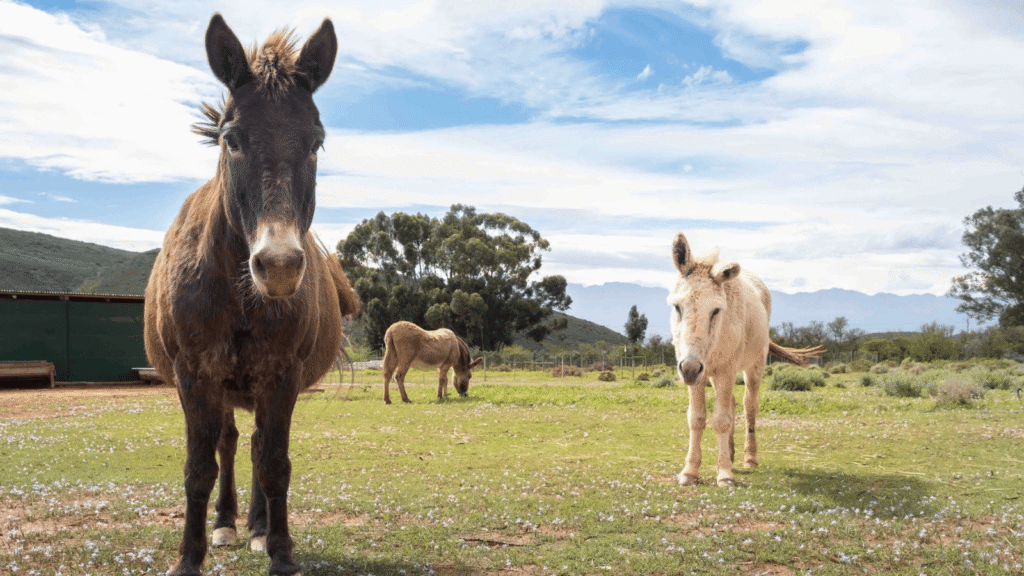
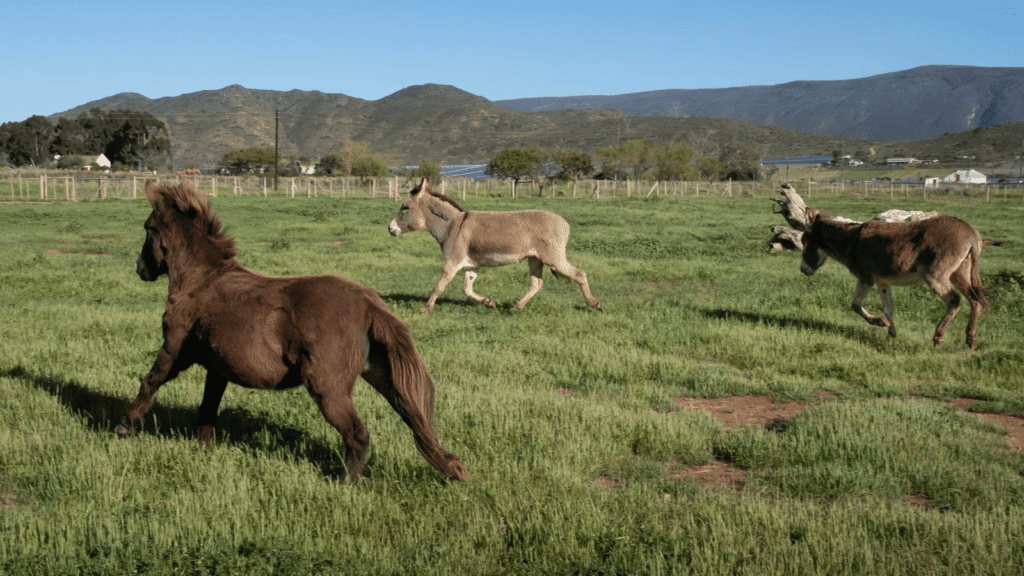
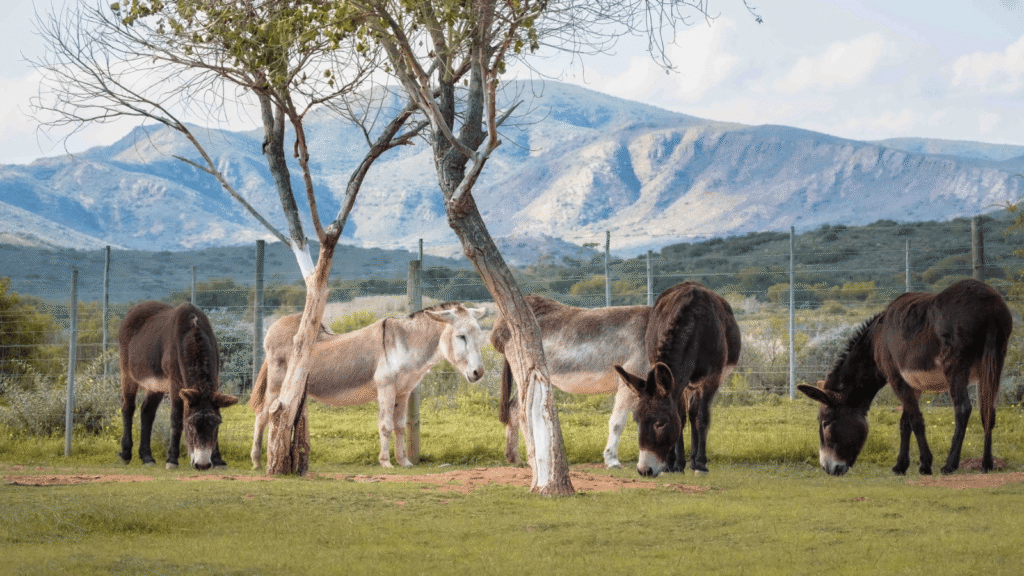
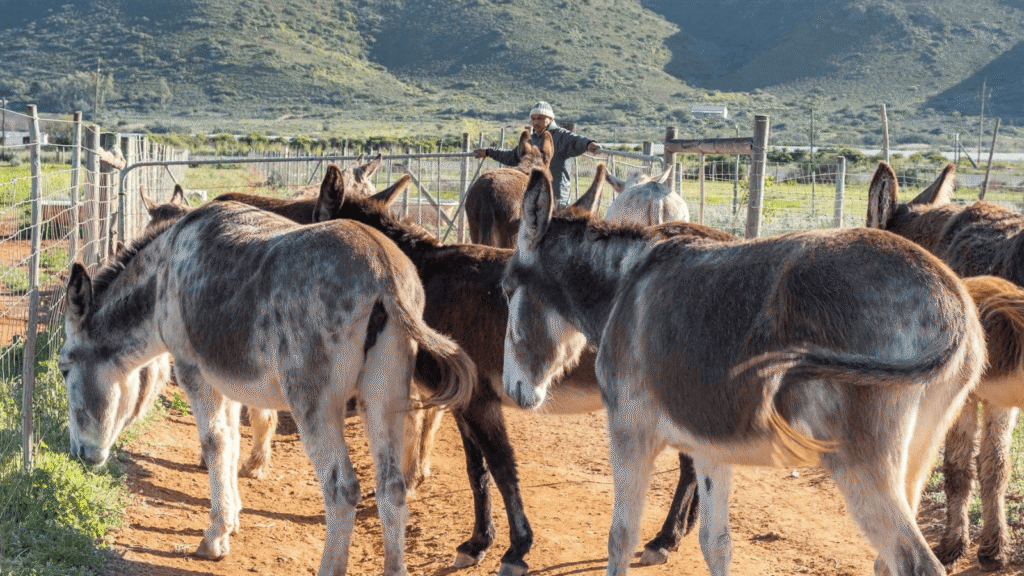
Just outside the Western Cape village of McGregor lies a small Karoo settlement which has become a sanctuary for rescued donkeys and a popular destination for tourists.
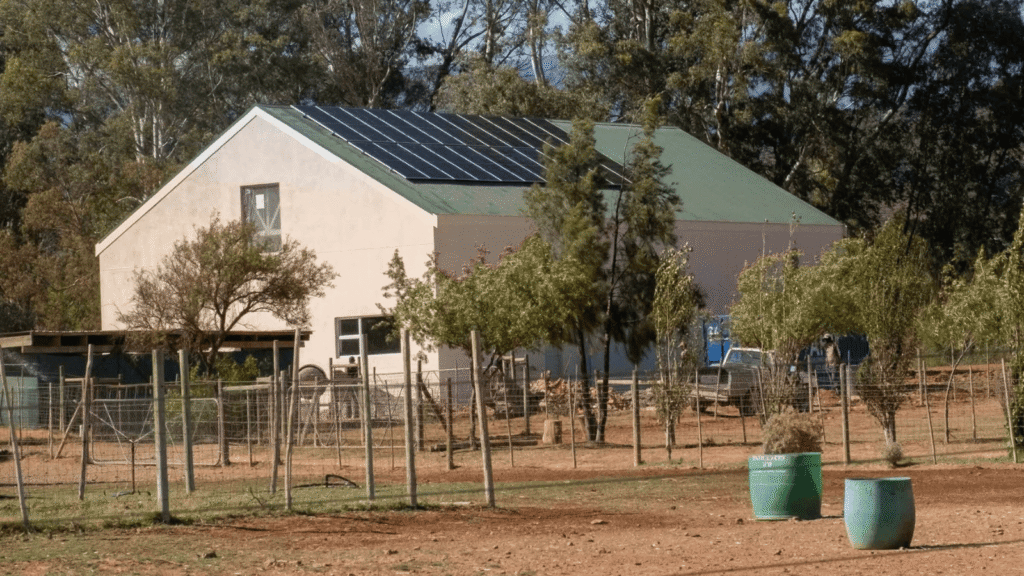
Eseltjiesrus Donkey Sanctuary provides a permanent refuge for abused, neglected and elderly donkeys. It is situated about 4km outside McGregor, on the road from Robertson, on the edge of the Klein Karoo.
The settlement began in 2001 when Dr Johan and Annemarie van Zijl responded to a request from the SPCA to provide shelter for two badly neglected donkeys.
The arrival of the two donkeys, Vaal and Japie, showed the couple that there were many more donkeys in need of food, water, shelter and care.
Not long after, the idea for a donkey sanctuary was born. Vaal and Japie became the first residents of what would eventually become Eseltjiesrus Donkey Sanctuary.
At first, space and funding limited the number of animals that could be taken in, and some donkeys had to be placed in foster homes instead.
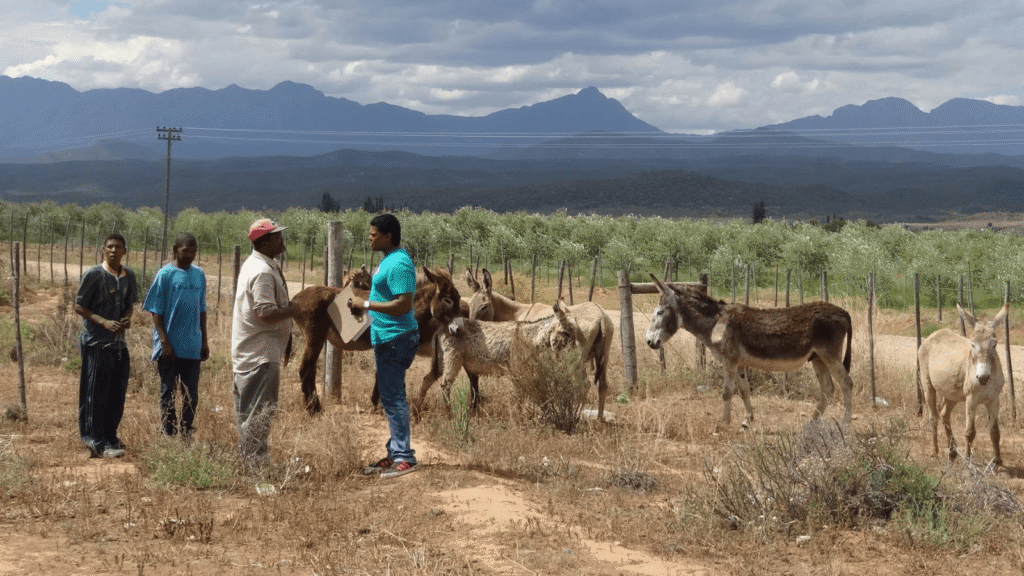
In 2007, the sanctuary began taking in more animals, including Adam from Zoar near Ladismith, as well as Ida and Thabo, working donkeys from the McGregor area.
Other rescued donkeys came from surrounding areas, including Somerset West, Cape Town, Wellington and Atlantis.
Eseltjiesrus was officially opened to the public in November 2007 by its patron, musician David Kramer.
Since then, the sanctuary has cared for more than 30 donkeys at the property and placed other animals in foster homes.
Today, the organisation continues to focus on providing rescued donkeys with a safe place to live for the rest of their lives.
Eseltjiesrus Donkey Sanctuary today
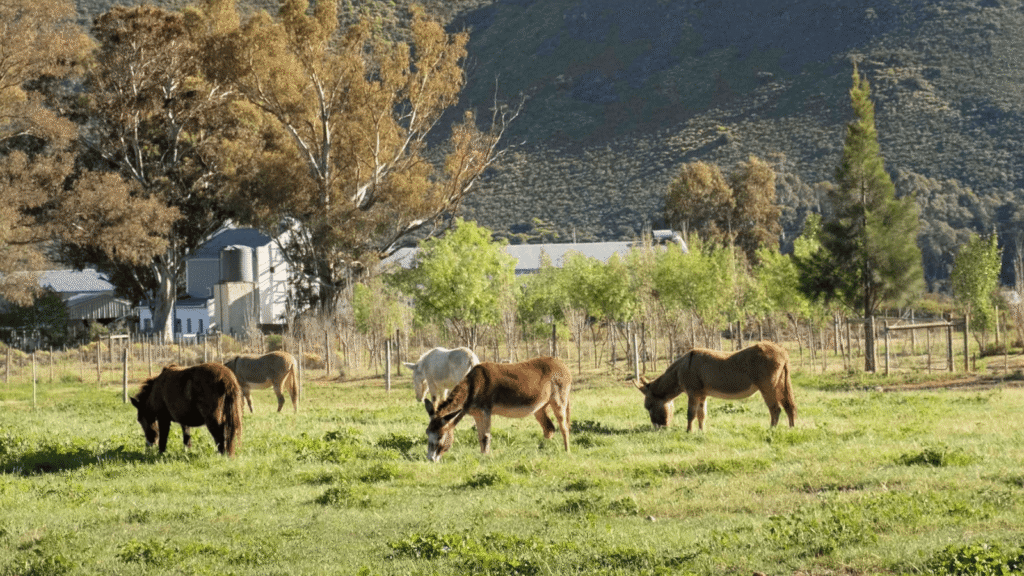
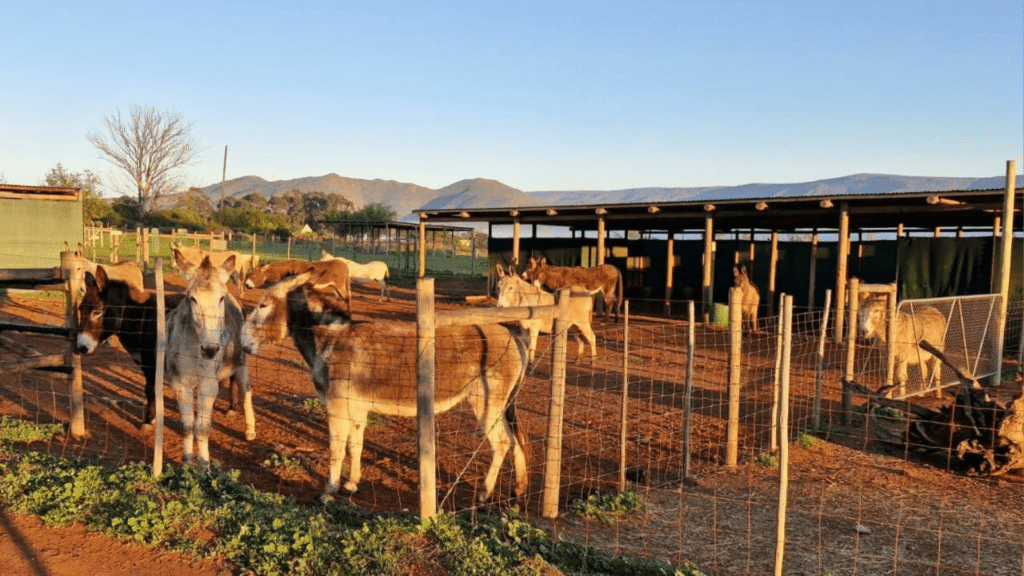
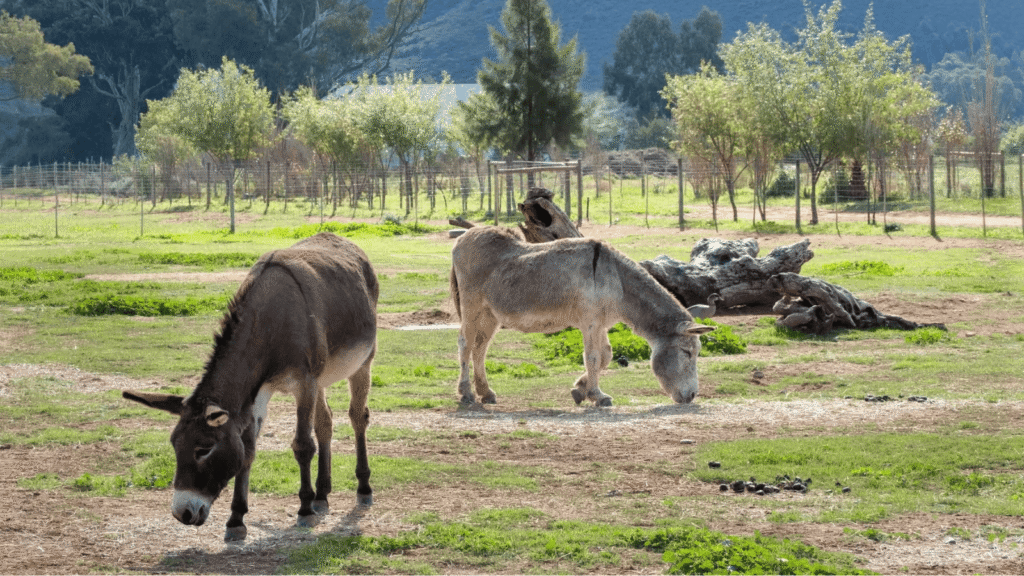
The sanctuary revolves around the health and welfare of the animals. Each donkey is checked at least twice a day. Staff clean their eyes and hooves, apply fly repellent and treat wounds or infections when needed.
The donkeys are fed three types of hay twice a day. Elderly or underweight animals receive additional soft food in a separate enclosure.
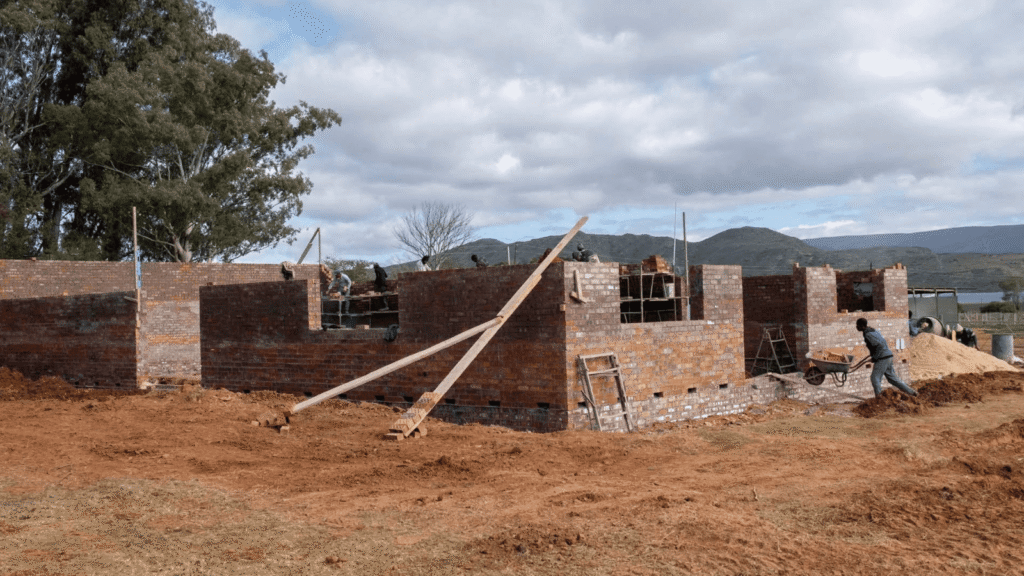
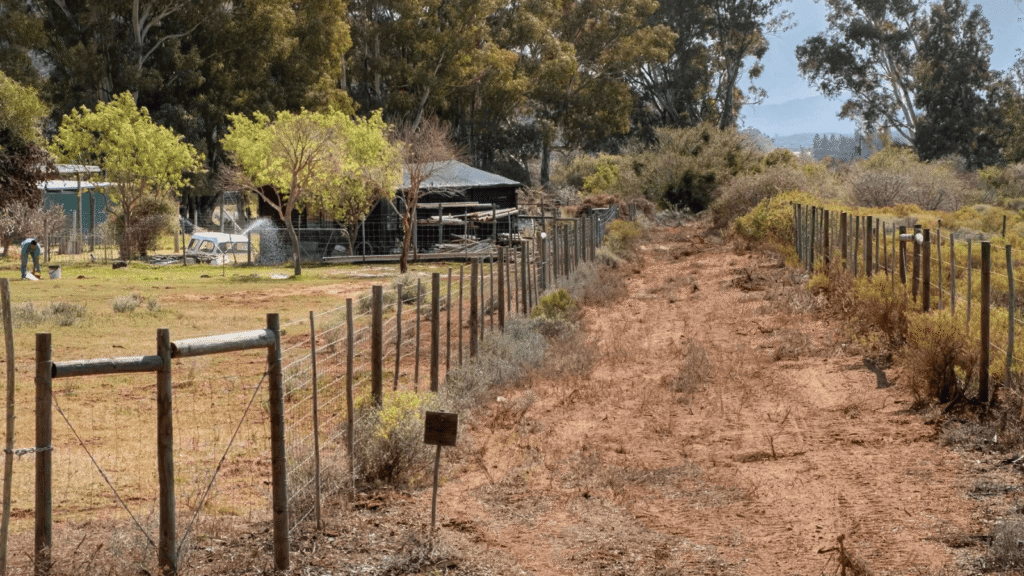
The sanctuary also requires regular maintenance to keep the property in good condition. Irrigation systems are managed, manure is removed, and fences are checked.
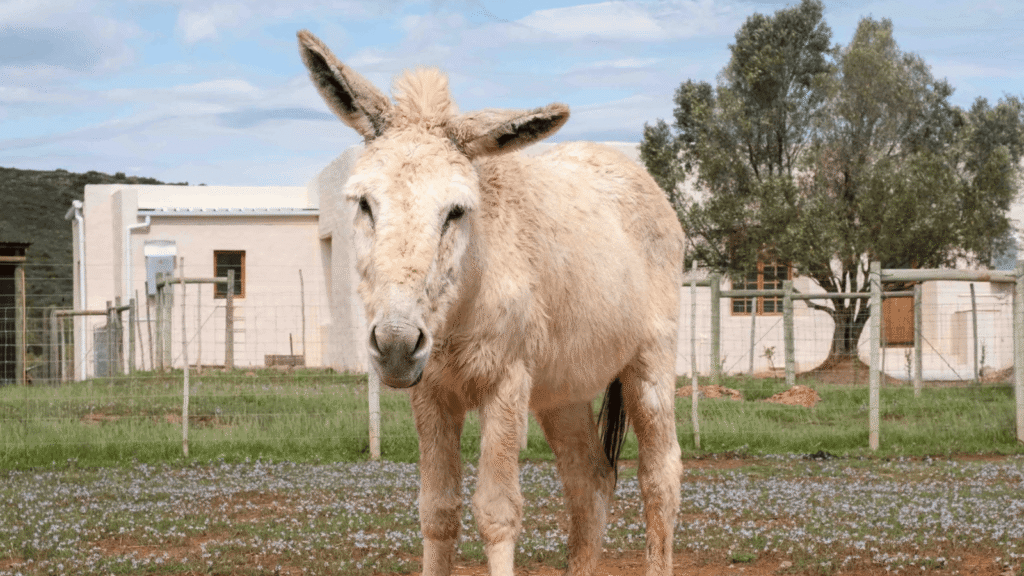
For some of the donkeys, such as Lulu, Eseltjiesrus has become a permanent home. Lulu was found near Barrydale after her hind leg got caught in barbed wire. The injury nearly severed her tendons.
A vet initially suggested putting her to sleep, but another vet agreed to attempt an operation. After surgery and rehabilitation, Lulu was taken to Eseltjiesrus, where she recovered and joined the other donkeys.
The sanctuary also helps with the rehabilitation of donkeys elsewhere, educates owners about proper care and handling, and provides support to organisations involved in donkey welfare.
Its mission is to promote better treatment of donkeys through education, practical support, and a broader culture of care.
This work is especially important for rural communities, where donkeys are still used for transport, farming and moving supplies.
Eseltjiesrus has also become a popular Karoo tourist attraction. It is open to visitors from Thursday to Sunday between 10:00 and 16:00.
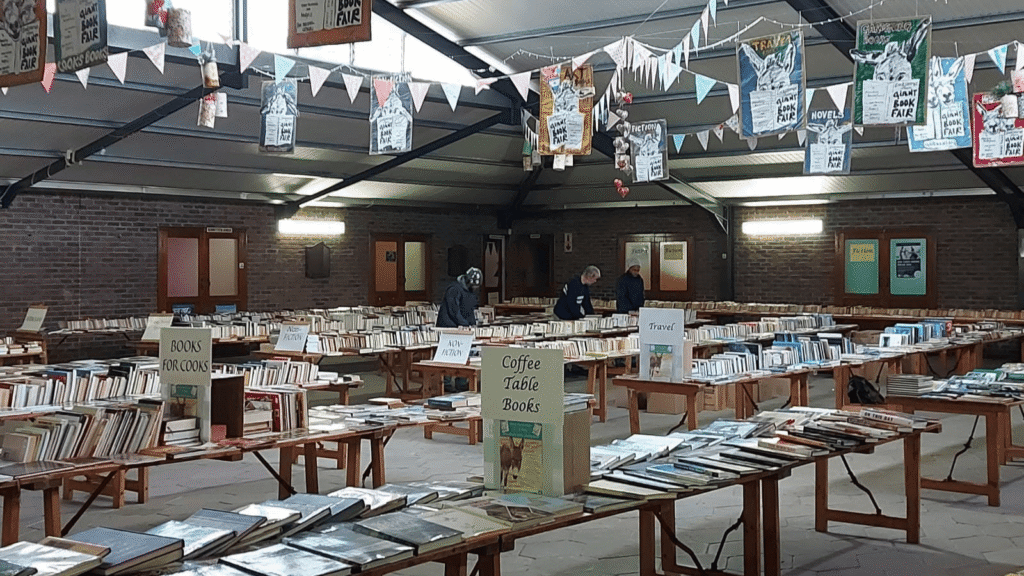
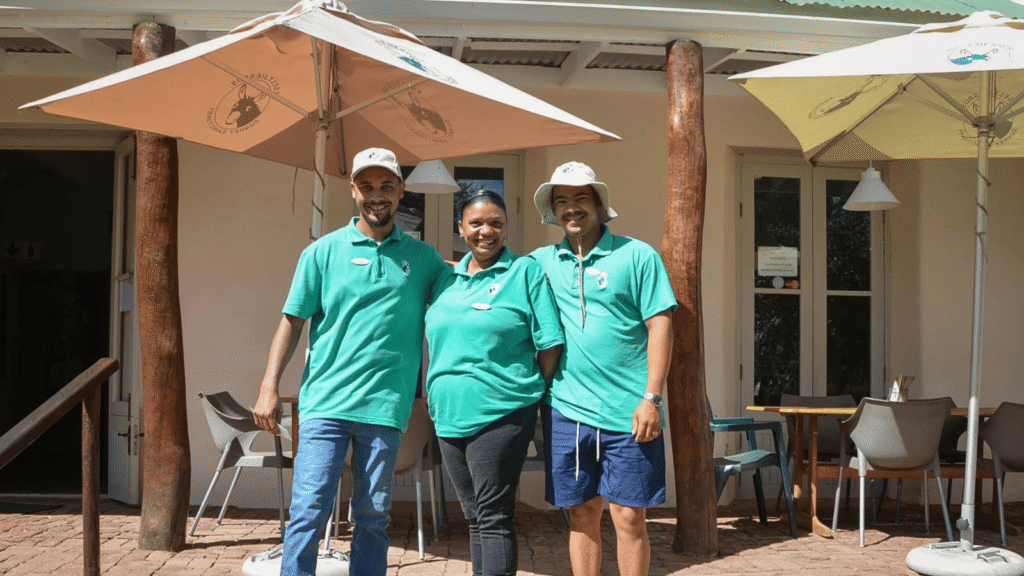
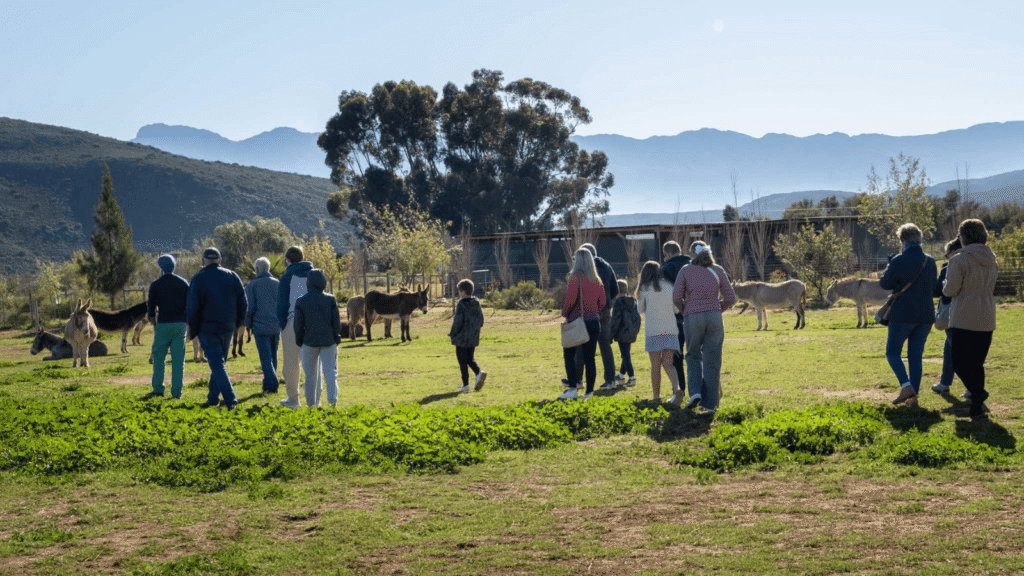
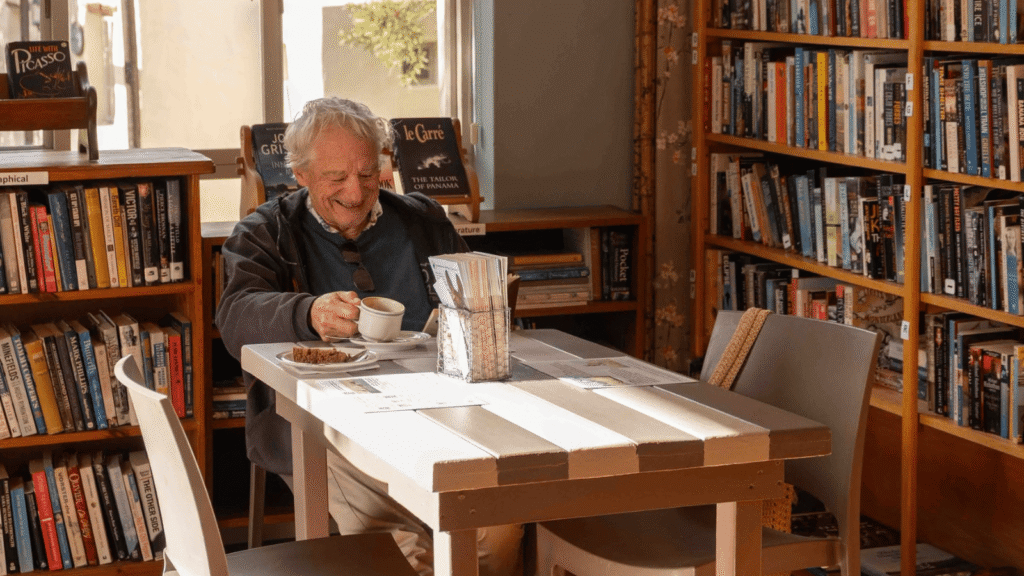
Guided visits allow people to spend time with the rescued donkeys and learn about their stories. There is also a coffee shop, a bookshop, and a gift shop on the property.
The sanctuary also offers an adoption programme which allows people to support a donkey for a year through an annual, monthly, or occasional contribution.
Adopters receive information about their chosen donkey, an adoption certificate and a photograph, as well as updates from the sanctuary. These donations help fund the care of its animals and its rehabilitation and education work.
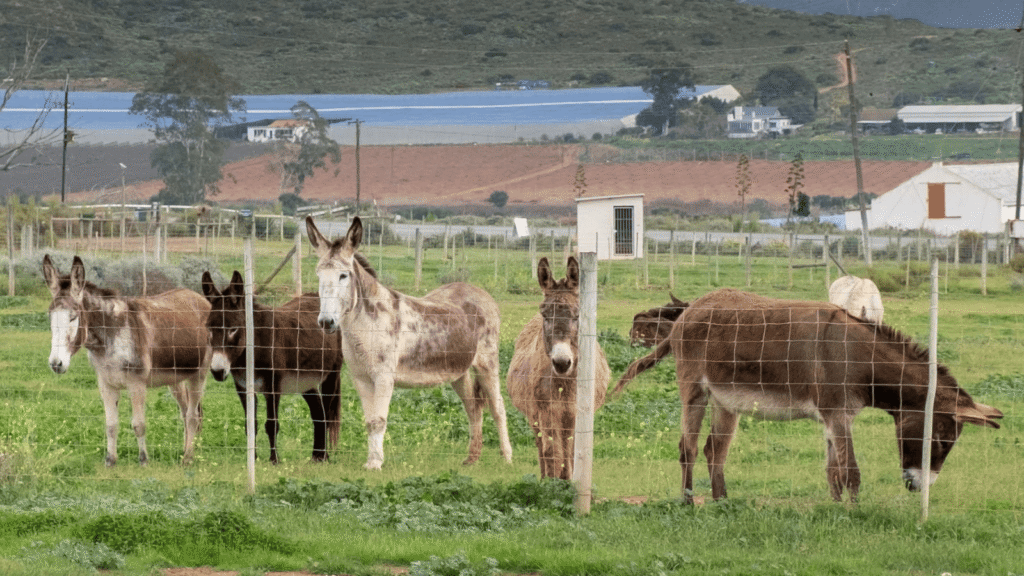
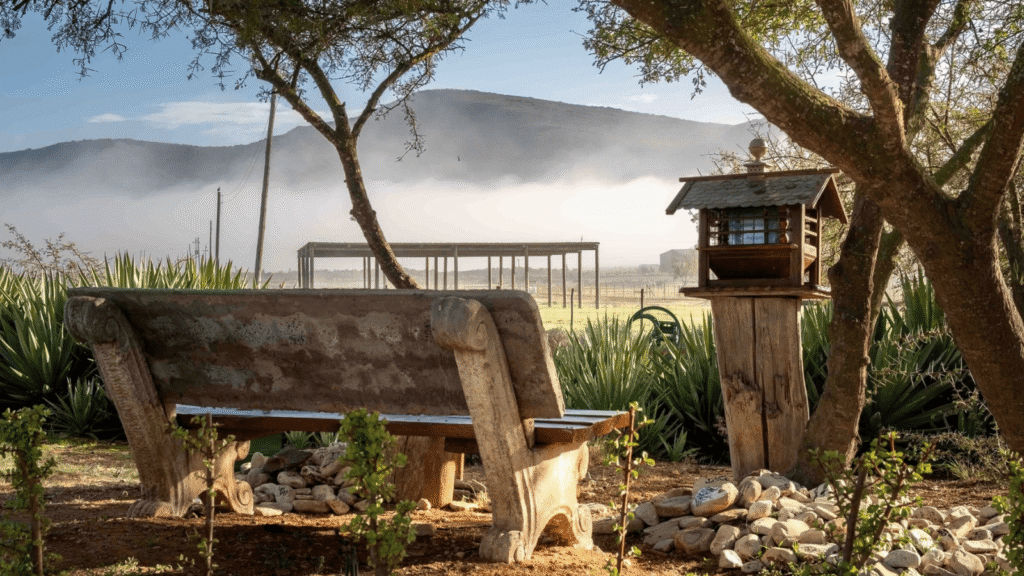
Photos of Eseltjiesrus Donkey Sanctuary




Comments