One company has waited 9 years and 8 months for Joburg to pay a R5 million debt


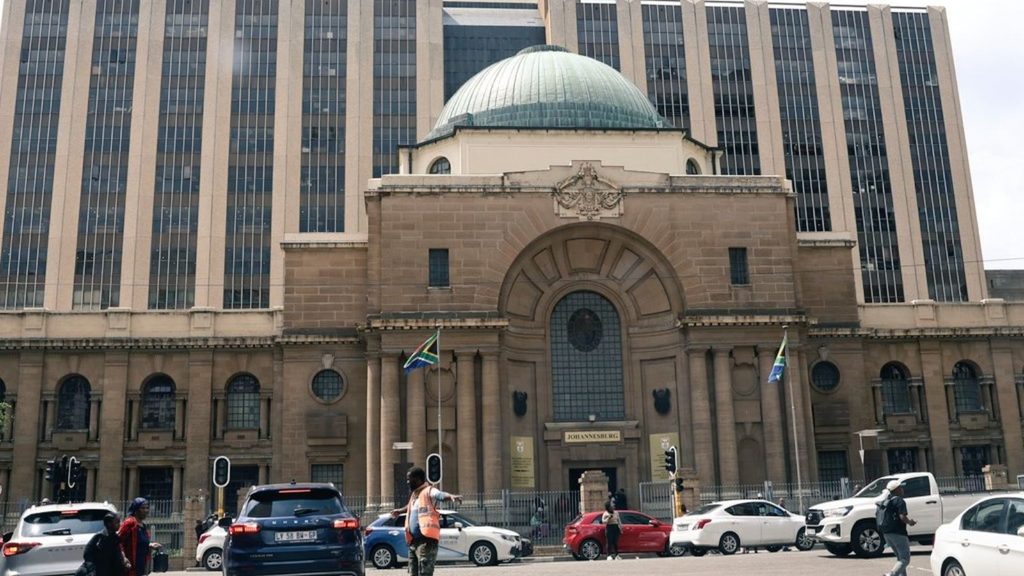
A local property investment company instituted legal action against the City of Johannesburg (CoJ) in 2017.
In 2026, after a 9-year-long legal battle, the municipality was finally ordered to pay what it owes. However, the dispute will now continue, with the CoJ planning to appeal this judgment.
The dispute started in December 2017, when the applicants, Eagle Two Property Investments and Eagle Three Property Investments, instituted legal action against the CoJ.
The applicants sought a refund of municipal charges they argued were improperly billed.
While the CoJ delivered a notice of intention to defend, it failed to deliver a plea. Thus, in February 2018, a notice of bar was served on the municipality.
A notice of bar is a formal legal document used in litigation to warn a party that their response is overdue.
This notice gives the party a final, short deadline to respond or risk being legally barred from filing the response. In that case, the suit would move forward to a default judgment or dismissal.
The applicants granted the city multiple indulgences, while the CoJ continued to say that the matter could be settled.
However, the municipality failed to deliver a plea or a competent application to uplift the bar, and a default judgment was finally granted in the applicants’ favour on 25 April 2019.
This should have been the end of the story, but then the CoJ decided to file a rescission application. This is a formal legal request asking the court to cancel or set aside its judgment.
The CoJ’s application was dismissed, but then the municipality obtained leave to appeal.
However, the city let this opportunity to fight the claim slip through its fingers as well, allowing the appeal to lapse without ever reinstating it.
The municipality’s application to revive the lapsed appeal came before the court in April 2022, which postponed it and removed it from the roll.
The court directed both parties’ legal teams to engage and explore a settlement, which resulted in four meetings held between May and October 2022.
The meetings were attended by both parties’ legal representatives, and at the fourth meeting, a full and final settlement was reached.
However, it would take four more years for Eagle Property Investments to get the money owed to them.
Four more years of back-and-forth
At the fourth meeting, where a settlement was reached, the municipality’s legal representatives confirmed that they have the authority to settle.
The municipality agreed to credit the applicants with R4.97 million, which is lower than the default judgment and bears no interest, and to pay their costs.
The terms of this settlement were recorded in emails and a draft order, with the CoJ’s legal representatives confirming in writing that they are happy with the compromise.
However, in February 2023, newly briefed counsel representing the municipality appeared, and the CoJ changed its position, repudiating the settlement.
This change of position was not accompanied by an affidavit from the municipality’s previous legal representatives or any official who participated in the negotiations.
A year later, in March 2024, the applicants served an application to the Johannesburg High Court to enforce the settlement.
Despite the change in its position, the CoJ failed to file an opposition by the prescribed deadline, and the matter was enrolled on the unopposed roll.
However, the acting judge in this stage of the case granted the CoJ an indulgence and gave the city ten days from 24 July 2024 to deliver an answering affidavit and a condonation application.
23 days later, on 16 August 2024, the municipality’s legal representatives delivered a notice of intention to oppose. They did not file an answering affidavit.
Once more, the applicants set the matter down on the unopposed roll. The night before the scheduled hearing, at 22:12 on 12 November 2024, the CoJ finally served its answering affidavit.
The city also filed a bare condonation application, and due to the late filing, the judge moved the matter to the opposed roll and ordered the CoJ to pay attorney and own client costs.
Twenty months later, the enforcement application was finally heard by the High Court on 22 July 2026.
Final judgement was handed down on 4 August 2026, nine years and eight months after the dispute started.
The Johannesburg High Court dismissed the CoJ’s condonation application and declared that the dispute had been settled since October 2022, when the settlement agreement was reached.
Thus, the court made the draft order an official order of court, directing the CoJ to credit R4.97 million to the applicants’ account within 10 days.
It also ordered the municipality to pay the costs of the application on an attorney-and-client basis.
Daily Investor reached out to the applicants’ legal representatives to confirm whether the payment had been made, but did not receive a response.
Daily Investor also reached out to the CoJ, which said it has noted the judgment delivered by the court and intends to appeal the matter.
“To allow the due legal process to unfold, the City will not be commenting further on the matter at this stage,” the CoJ’s director of communications and stakeholder management, Kgamanyane Maphologela, said.


Comments