South African motorists pay R12.81 per litre before getting a single drop of petrol


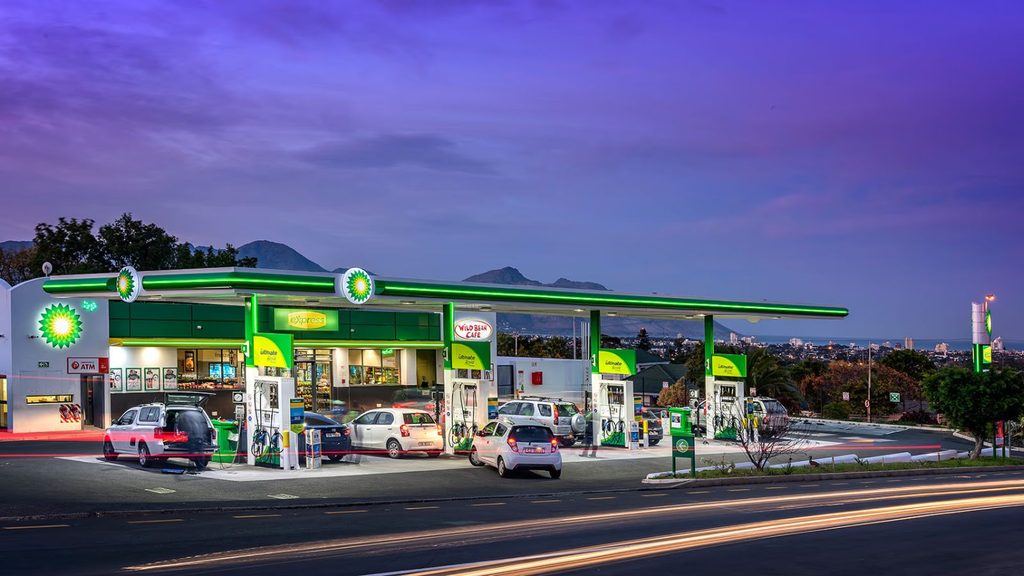
South African motorists pay R12.81 per litre in taxes, levies, and regulated margins before buying a single drop of actual petrol.
International oil prices and a weaker rand have driven petrol and diesel prices to record highs in recent weeks.
However, it is these administered elements that have steadily driven up fuel prices over the past 10 years, significantly outpacing inflation.
The Organisation Undoing Tax Abuse (OUTA) recently outlined how these administered elements now account for a large share of local fuel prices.
These elements account for 41% of the final price paid by motorists at the pump, leaving only 59% of the money spent going towards actual fuel.
“There are 11 parts to our petrol price and 10 of these are impacted by how the government operates and taxes you,” OUTA CEO Wayne Duvenage said.
“The final price is influenced by the government’s impact on fuel prices in South Africa, and that is determined by two main factors – taxation and the government’s ability to control the economy.”
Duvenage explained that direct taxes account for the largest share of petrol’s cost, at 22%, or R6.50 per litre.
This is made up of the General Fuel Levy and the Road Accident Fund (RAF) Levy, which serve different purposes.
The GFL was initially implemented in 1983 to generate money for the government to maintain and expand South Africa’s road network. The RAF Levy funds the RAF.
This share has grown rapidly over the past 10 years as the government implemented above-inflation hikes to the General Fuel Levy and the RAF Levy.
The GFL has risen by 90.6% in the past decade, from R2.25 per litre in 2015 to R4.29 per litre in 2026, while the RAF Levy has surged by 125% from R1 per litre to R2.25 per litre.
These increases are a direct result of the mismanagement of the government’s finances, with the GFL being a soft target to boost revenue and the RAF collapsing.
The money generated by the GFL is not ringfenced, with the government free to use it however it wishes. Thus, as it came under financial pressure, it used the GFL as a release valve.
On the other hand, the RAF has collapsed into technical insolvency as the R50 billion it collects every year has been grossly mismanaged.
It has a claims backlog of R100 billion and its long-term liabilities are expected to reach R426 billion by 2028.
This mismanagement has resulted in the RAF consistently requesting increases to the RAF Levy to prop up its finances.
From taxes alone, motorists are paying R6.54 per litre before they get a drop of fuel.
| Component | 2015 price | Current price | Increase |
| Wholesale Margin | R0.34 | R0.67 | 97.10% |
| Retail Margin | R1.51 | R3.20 | 111.92% |
| Transport & Logistics Levies | R0.78 | R2.41 | 208.97% |
| Total Regulated Margins & Supply Chain | R2.63 | R6.27 | 138.40% |
| Road Accident Fund (RAF) Levy | ~R1.00 | R2.25 | 125% |
| General Fuel Levy | R2.25 | R4.29 | 90.67% |
| Total Direct Taxes | ~R3.25 | R6.54 | 101.23% |
| Total Fixed Baseline Cost | ~R5.88 | R12.81 | 117.86% |
Administered margins
The other administered elements are more opaque, being decided in negotiations behind the scenes between the government and fuel retailers.
These elements, referred to as margins, make up 19% of the fuel price and contributed R6.27 per litre to the final price.
The margins and levies implemented as part of this are meant to cover the cost of supplying and storing fuel, leaving some profit for the retailers.
For example, there are wholesale and retail margins which include payments for filling station operating costs, storage, and the salaries of employees.
These margins have risen strongly from R1.51 per litre in 2015 to R3.20 per litre in 2026. They are coupled with transport levies to cover the distribution of fuel.
“Before we buy one drop of petrol, we are already paying R12.81 for fuel in the form of taxes and levies,” Duvenage said.
Apart from this, these levies have been the major driver behind the rising fuel price over the past decade as they create a rising floor.
While the oil price and the rand-dollar exchange rate fluctuate significantly, once these administered elements rise, they do not come down.
“This increase in our petrol price, total petrol price, was a result of all these taxes going up every year,” Duvenage said.
This includes the government pushing up the Road Accident Fund levy, pushing up the fuel levy and pushing up the logistics and supply chain costs.
“So, the increase over this period was due to the government increases and not geopolitics and not the oil exchange,” Duvenage said.
This shows why the government cannot offer much relief by cutting levies, as this would significantly impact its financial health.
The short relief offered earlier this year, when the GFL was cut, cost the government R17.2 billion in revenue.
“This is a very, very expensive decision for the government to make, especially a broke government that doesn’t have surplus funds lying anywhere,” Duvenage said.


Comments