Critical South African industry under siege


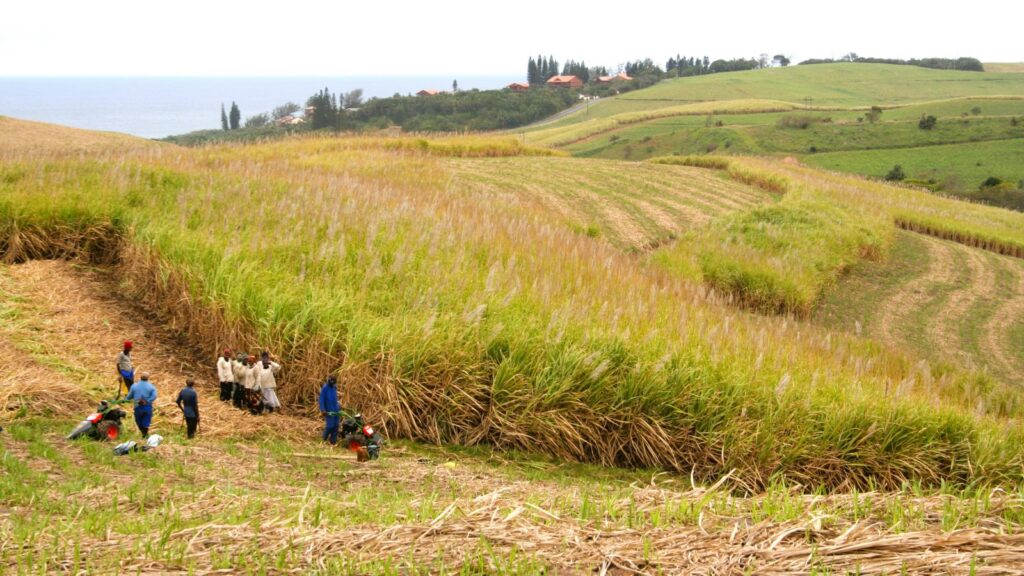
Workers across South Africa’s sugar industry have downed tools following a breakdown in wage negotiations with their employers.
Unions representing these workers have demanded a 13% salary increase, while employers have offered 5.4%.
As a result of the disagreement, workers have gone on strike at 12 milling companies across KwaZulu-Natal and Mpumalanga, including RCL Foods, Tongaat Hulett, and Illovo Sugar.
It is estimated that as many as 70% of the 5,000 workers employed across South Africa’s sugar industry have participated in these protected strikes.
RCL Foods, which employs 1,500 people at its mills in Mpumalanga, has been among the companies most affected by the strikes.
The Food and Allied Workers Union (FAWU), which represents 2,800 workers, has reportedly been negotiating wages with employers since February.
Other parties involved in the negotiation process included the Association of Mineworkers and Construction Union and UASA.
When the talks broke down in July, a commissioner from the Commission for Conciliation, Mediation and Arbitration (CCMA) stepped in to mediate.
FAWU president Nicholas Ndima told SABC News that attempts to reach a compromise with the employers had been unsuccessful.
“While we were negotiating, we were willing to take 6%, which was the commissioner’s proposal, and this was rejected by the employer,” Ndima said.
“Hence, we went back to our initial position, which was 13%. That 6% is no longer on the table, because it was a conditional offer from the commissioner of the CCMA.”
FAWU said it would only return to the negotiating table if employers were willing to offer at least a 7% increase without any additional conditions.
In addition to the wage increase, workers have demanded a R1,000 transport allowance and a R1,500 housing allowance from employers.
South Africa’s struggling sugar industry
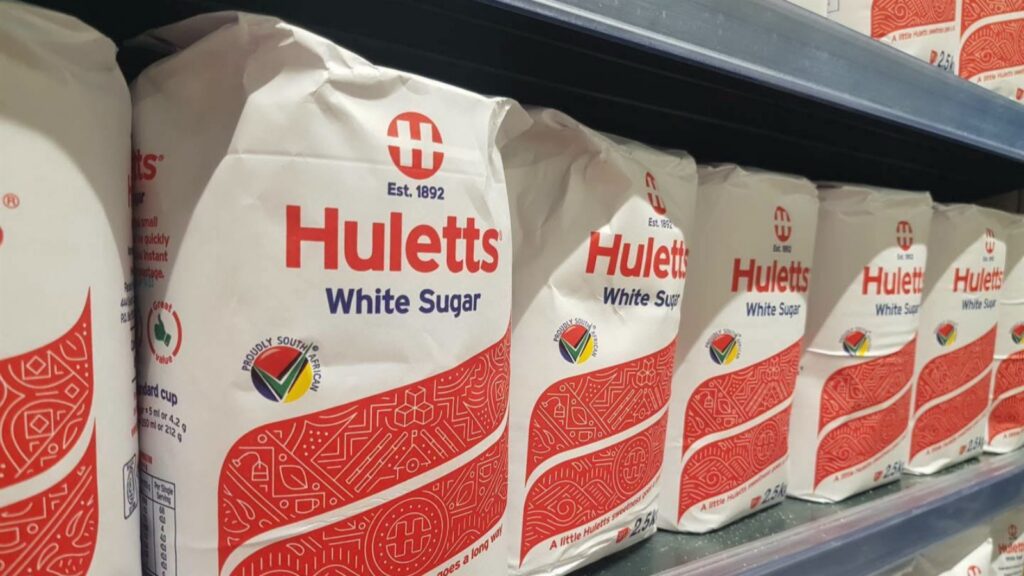
The wage dispute is the latest in a series of challenges facing South Africa’s sugar industry, which has endured numerous struggles in recent years.
The sector, which generates R24 billion in annual revenue, contributes 1% to GDP, and indirectly supports more than 1 million livelihoods, has been beset by rising sugar imports.
The industry lost R1.5 billion to cheap imports during the 2025/26 financial year, with over 200,000 tonnes of sugar imported from countries such as Brazil, India, and Thailand.
Sugar producers in these countries are heavily subsidised by their governments, allowing them to sell sugar at unsustainably low prices compared with unsubsidised South African growers.
According to SA Canegrowers, 95,000 tonnes of sugar were imported between January and May 2026, compared to 55,000 tonnes over the same period a year prior.
Industry stakeholders have consistently campaigned for stronger trade protection from the South African government, including a review of the current tariff on sugar imports.
The tariff, which was last updated in 2018, has been deemed largely ineffective against the latest wave of cheap imported sugar, with estimated losses of R7,500 per tonne of imported sugar.
In addition to the influx of imported sugar, the sector has experienced labour shortages due to anti-immigration protests and rising input costs resulting from the war in the Middle East.
The near liquidation of Tongaat Hulett earlier this year threatened to collapse the industry entirely, with more than 18,000 sugar growers relying on the company’s mills.
While the company was saved from liquidation by businessman Robert Gumede’s Vision Group, the latest wave of strikes is expected to negatively impact its continued operations.
“Tongaat Hulett is the market leader and is currently under business rescue, so they can’t afford to be on strike,” FAWU deputy president Nkululeko Mthethwa told BusinessDay.






Comments