60 schools shut down for good in South Africa’s richest province


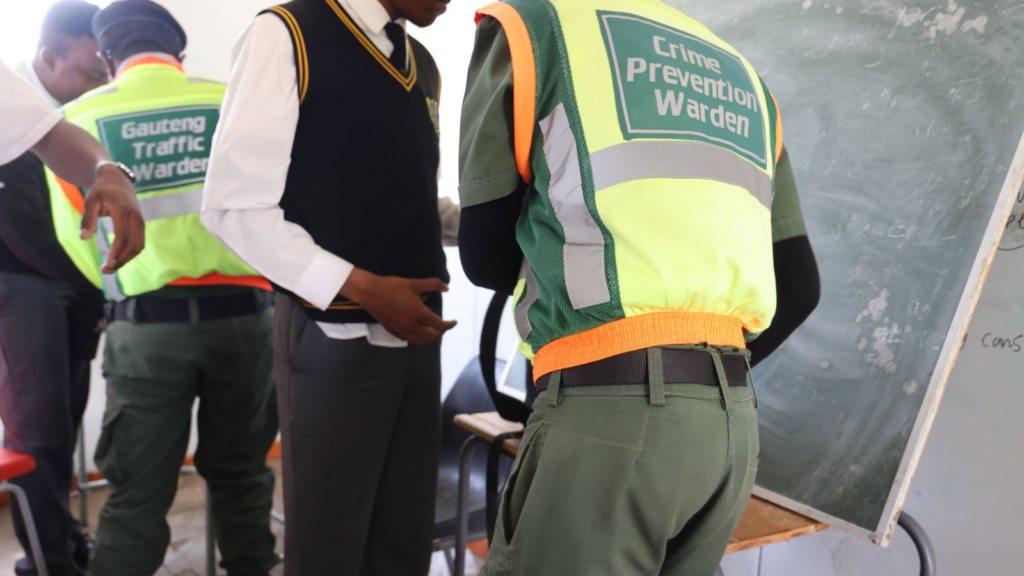
More than 60 illegally operating schools have been shut down in Gauteng since January as the provincial education department steps up efforts to protect learners from unregistered schools.
This is according to the Gauteng Department of Education Director for Independent Schools, Chriselda Mosibudi-Makhubela.
Mosibudi-Makhubela told Newzroom Afrika that illegally operating schools remain a major problem in the province.
She warned that learners attending these schools will receive an education that is not recognised by the state.
“It is a huge problem because when children are in illegally operating schools, they are basically at home,” Mosibudi-Makhubela said.
“The education that they’re receiving there is not legitimate because they’re not accounted for in the education management information system of the state.”
According to Mosibudi-Makhubela, a school can only legally operate if it is registered with the Gauteng Department of Education.
The problem goes beyond administrative non-compliance because learners can lose valuable time in the education system.
“If a child comes from an illegally operating school, it becomes difficult for other schools that are legitimate to recognise their reports, their qualifications.”
“It’s basically a waste of the children’s time and a violation of the right to education of children.”
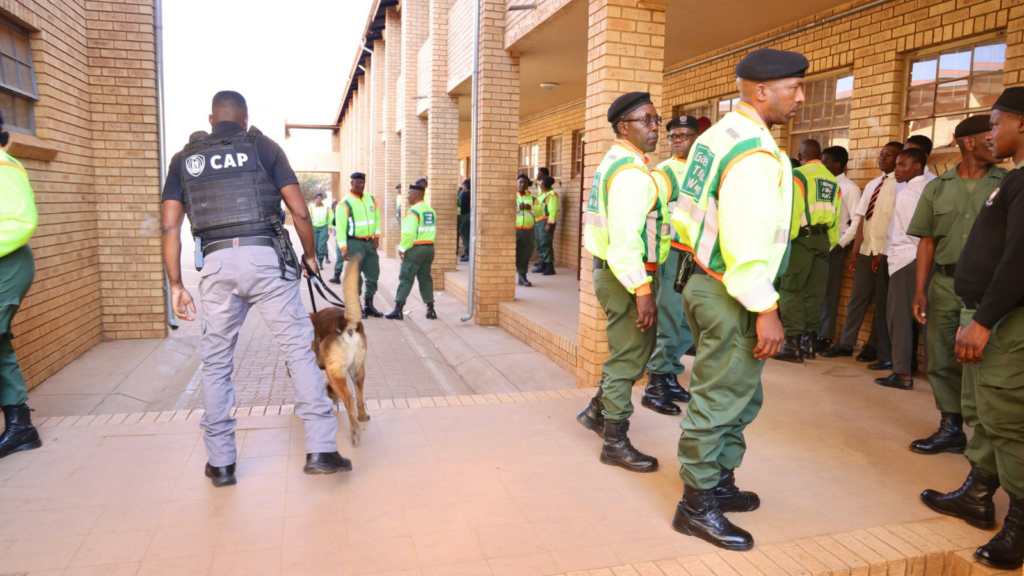
In response to this issue, the department has increased its enforcement operations against schools operating without the required registration.
Mosibudi-Makhubela said teams are conducting regular operations, with officials closing illegal schools every Monday.
“We are able to go out there and make sure that on every Monday, at least six illegally operating schools are closed. So there’s a lot of work that is being done.”
As a result of these efforts, more than 60 schools have been closed since January 2026.
Why illegal schools are able to operate
Mosibudi-Makhubela said some illegal schools have taken advantage of gaps in the registration process.
The regulations provide for provisional registration, but the department has increasingly refused to grant provisional registrations because schools continue to operate without meeting the remaining requirements.
According to Mosibudi-Makhubela, some people open new schools hoping that they will eventually receive approval.
However, schools must meet a range of requirements before they can operate legally.
These include having a zoning certificate permitting educational use, as well as health and fire certificates.
“We have a whole lot of documents that we want from you that prove that you actually can handle the safety of children and the education of children.”
The department has also encountered cases where the motivation is not simply to provide education. Some cases involved criminal activity, including child trafficking.
Mosibudi-Makhubela explained that a previous staff shortage contributed to the rise of illegal schools in Gauteng.
A restructuring process left posts vacant for several years, limiting the department’s ability to conduct oversight.
However, the department has since filled many of these positions.
“We had about 15 people appointed, and since then, we started with this crackdown on illegally operating schools.”
The education department is also working with other government agencies, including the South African Police Service and Home Affairs.
These partnerships help when school operators resist enforcement action and help ensure that learners are moved into registered schools.
The department also works with municipalities and councillors to identify schools that may be operating illegally.
What parents should look for
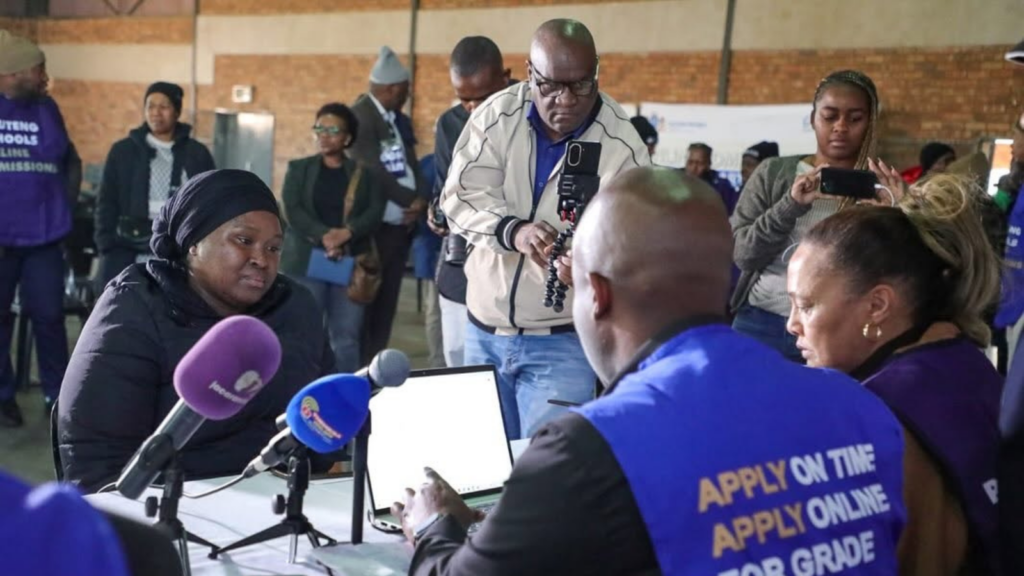
One of the department’s main concerns is that parents may enrol their children at these schools without realising they are operating illegally.
Mosibudi-Makhubela said parents should ask to see the school’s registration certificate before enrolling their children.
This certificate should contain the school’s name, owner and physical address.
“If the address that is on the registration certificate is not the same as the one that you are in, it means that you are in an illegally operating school,” she said.
She also warned parents not to rely solely on a registration number.
Looking at the physical address and whether the certificate has been signed by the head of the department are better metrics.
Parents who are uncertain about a school’s status can contact the Gauteng Department of Education through its official hotline numbers to verify whether the institution is registered.
The department also plans to make information on registered schools available on its website so that parents can check whether a school is legitimate.



Comments