Nail in the coffin for BEE in South Africa


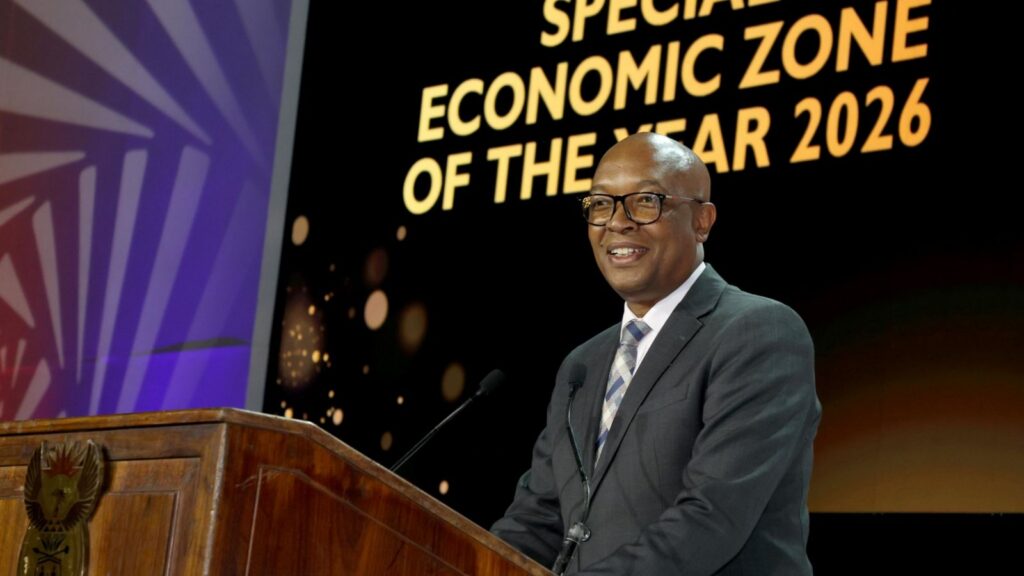
The creation of the Transformation Fund is a step towards the end of the Black Economic Empowerment (BEE) as South Africans know it.
This is because the fund will enable South African companies to pay directly for their BEE points rather than adhere to complex regulations.
While this is not the case yet, Efficient Group chief economist Dawie Roodt explained at the 9th BizNews Conference that it is the logical endpoint.
When that point is reached, Roodt said the fund will be exposed for what it is – a feeding trough for well-connected individuals.
The fund Roodt is referring to was revealed in February 2026 by Trade Minister Parks Tau, along with significant changes to the BEE Codes of Good Practice.
These changes include how companies earn points for their BEE scorecard, with contributions to the fund set to give businesses more points than other activities.
In practice, the fund will be capitalised through businesses’ enterprise and supplier development contributions.
Under existing BEE codes, all businesses must make contributions to these types of businesses and make some of them suppliers in return for points on their BEE scorecard.
Tau’s changes will enable businesses to earn these points by contributing to the fund, which will then allocate capital to black-owned businesses rather than directly to companies.
The proposal is to increase the total points businesses can score in the Enterprise and Supplier Development element from 46 to 53 if they contribute to the fund.
Roodt explained that this marks the beginning of the end of BEE in South Africa, as it signals that companies will eventually no longer have to comply with regulations but will simply contribute to the fund.
“I think this is an opportunity to end BEE. I think we should all support the Transformation Fund on the condition that all BEE requirements are eventually scrapped,” Roodt said.
“If you want BEE points, then you must pay for them. You put the money in the fund, and once we do that, then it will be exposed for what it really is.”
“The fund will be exposed as a means to enrich a few well-connected black individuals, and then the fund will be shut down when this is exposed.”
Roodt said people should encourage this, as it will bring BEE to an end and free South African businesses from onerous regulations.
The ANC has already significantly altered its position on BEE by opening up the policy framework for public debate.
Historically, it has refused to allow debate about the merits of BEE, given its integral role in ANC thinking and policy-making.
However, high-ranking members, from Tau to Finance Minister Enoch Godongwana, have called for an open debate on the positive and negative aspects of BEE.
They have argued that changes are necessary to tackle corruption and cronyism, which have tarnished BEE in South Africa.
President Ramaphosa has said the government is undertaking a review to refine and strengthen its broad-based BEE framework to ensure that it supports greater transformation and inclusive growth.
“This shows that BEE is probably going to be redefined, and I think this is probably the beginning of the end of BEE as we know it,” Roodt said.





Comments