South African petrol stations are changing in front of everyone’s eyes


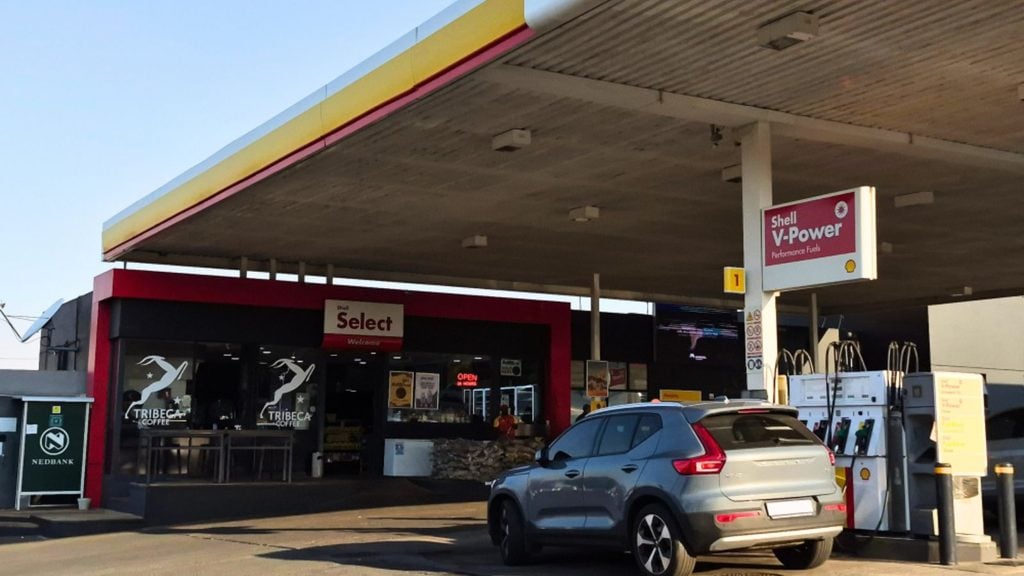
South Africa’s petrol stations are morphing into mini shopping malls as fuel sales decline, and consumers increasingly value convenience.
This leaves petrol station forecourts increasingly becoming sites of retail activity rather than places where individuals fill up their cars.
Data from Trade Intelligence show that an increasing number of South Africans visit petrol stations to shop and do not fill up their cars.
This trend has been accelerated by rising fuel prices and the rising investment in retail forecourt stores to adapt to changing customer behaviour.
Some of South Africa’s biggest retailers, like Shoprite, Woolworths, and Pick n Pay, are investing in increasing their presence at petrol stations.
Woolworths, for example, wants to double the 100 stores it has at Engen petrol stations across South Africa in the next few years.
Fast-food players are eyeing petrol stations as well, with Famous Brands already having a significant presence through the famous Wimpy restaurants at petrol stations across South Africa.
Now, it wants to move its other brands into this space, including Steers, Debonairs, and Mugg & Bean.
Nando’s has also shown a willingness to open drive-thrus attached to petrol stations, with McDonald’s expanding in a similar vein.
The most recent addition to this has been Tasty Gallos, which sealed a partnership with BP in October to roll out its stores across BP’s network of fuel stations.
This partnership will allow participating BP dealers to add a quick-service restaurant to their forecourts and create an additional revenue stream beyond fuel sales.
The rise of retailers and fast-food chains in petrol station forecourts is largely due to declining fuel sales in South Africa.
South Africa’s Fuel Retailers’ Association revealed in June 2026 that fuel sales volumes declined by 6.3% year-on-year.
This has impacted the revenue and profit generated by petrol stations, with 90% of a location’s income historically coming from fuel sales.
No longer emergency stops

Petrol station retail stores have historically been seen as emergency stops for basic foodstuffs, which has limited their ability to generate revenue for the owner.
However, this has changed as investment in these stores has increased and fuel sales have declined, Trade Intelligence data show.
“Forecourt stores are no longer just emergency stops for bread and milk. They have matured into a credible retail format in their own right,” Trade Intelligence’s research and advisory lead, Caroline Short, said.
Trade Intelligence’s data show that 57% of forecourt shoppers visit them at least once a week, creating significant opportunities for brand loyalty and engagement.
The combination of declining fuel sales and rising demand for convenience has increased the importance of forecourt retail for owners.
Forecourt retail is estimated at R42 billion by Trade Intelligence and is expected to grow faster than the broader industry in the near future.
However, not all is well at forecourt retailers, with customers coming under pressure amid rising inflation and interest rates.
Data from Trade Intelligence’s forecourt shopper survey reveal that rising fuel costs impact far more than transport budgets.
92% of surveyed forecourt shoppers report altering their spending habits to adjust to financial pressures. Shoppers are slightly more likely to reduce non-fuel expenditure than just fuel spending.
This has been coupled with rising competition from formal retailers through delivery apps and fast-food outlets opening closer to consumers.
It is also increasingly challenging for forecourt retailers to stand out and retain customers, with established retailers investing heavily in loyalty programmes.
“Forecourt shoppers spend very little time in-store, so ranges must be tightly curated around fast-moving, high-margin categories,” Short said.
“Winning in this space, therefore, requires moving away from traditional supermarket layouts toward high-impact impulse setups and daypart-specific meal solutions.”
Short expects forecourts to continue innovating, with a major trend toward creating multi-brand quick-service restaurant hubs and high-end convenience stores.
These combine artisanal offerings, premium coffee, and quick-service dining. Short said these sub-sectors are showing the strongest growth.
In particular, credibility in takeaway food and premium coffee is proving key, with these transforming forecourts into daily routine shops rather than occasional ones.





Conversation
1 commentsFresh stop Heidelberg on N2 is a real smart shop and their prices are below the garden route supermsrket on many items
Quick meals are excellent and just an example mushrooms were 22 4 rand less than pnp