South Africa’s real unemployment figures much better than the official data


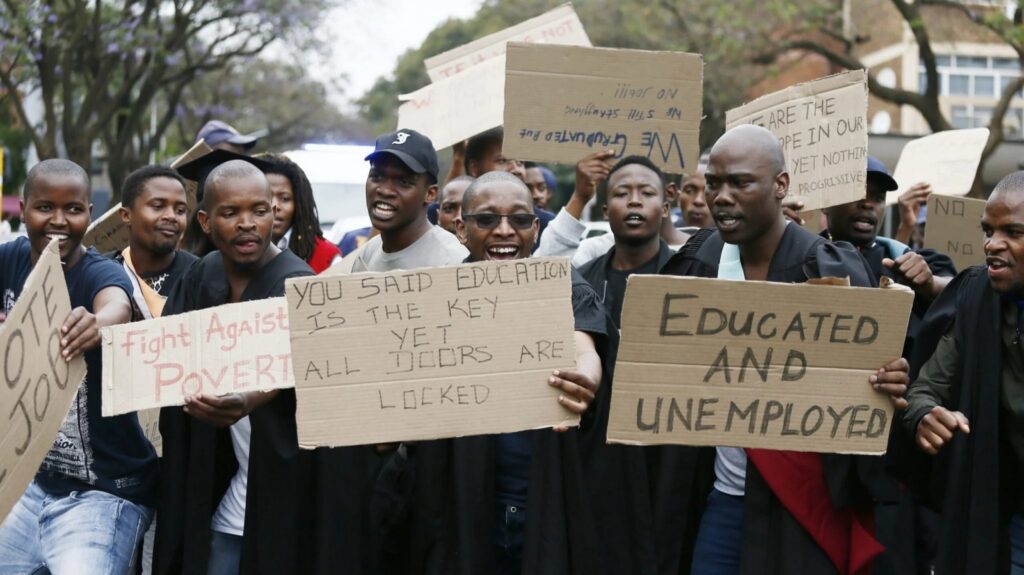
Unemployment continues to be one of the biggest challenges faced by South Africa, but the true extent of the issue may be exaggerated.
According to Stats SA, the country’s official unemployment rate rose to 32.7% in the first quarter of 2026, up from 31.4% at the end of the prior year.
This statistic includes only unemployed people who are actively seeking work and excludes those who have been discouraged from seeking work or who want to work but are unavailable.
Factoring in these groups of South Africans, the country’s expanded unemployment rate for the first quarter of 2026 sat at 43.7%.
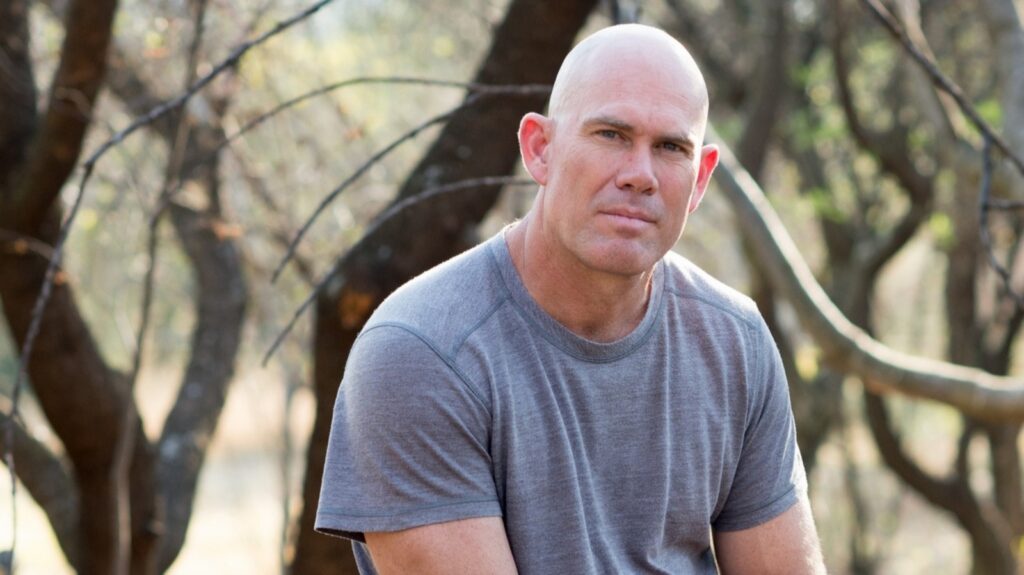
However, Efficient Group chief economist Dawie Roodt said this figure is likely overblown, as it does not properly take into account the country’s sizable informal sector.
Roodt put forth this notion on a recent episode of the State Of The Nation podcast and said the country’s true unemployment was likely much lower.
“We are very negative about the economy, but there is some good news,” Roodt said. “And that is that I believe that unemployment is not 43%.”
“The informal sector is probably 20%, or even more, of the South African economy. There is a lot of economic activity that we simply do not include in our calculations.”
Roodt said the methodology used by Stats SA to calculate unemployment rates, while mathematically correct, was not the best fit for the country.
This methodology is based on guidelines set by the International Labour Organisation (ILO), which does not factor in unemployed people who earn a living outside of formal employment.
Using the ILO’s guidelines allows the country to keep its unemployment statistics comparable to those of its international trading partners.
However, Roodt said this methodology did not necessarily apply to South Africa because many of its citizens still earn income through the informal economy.
“The IMF and the World Bank tell us to use this methodology to do these calculations,” Roodt said. “We do that, and we get an answer. We get a number.”
“But that’s not the right methodology for South Africa, because we’re different. All countries are different. I think our actual unemployment rate is lower.”
Real unemployment is much lower
It is estimated that South Africa’s informal economy is worth approximately R1 trillion annually, supporting thousands of incomes which are not officially counted by Stats SA.
According to author and economic activist GG Alcock, the contribution of the informal sector would put South Africa’s true unemployment rate much closer to 15% than 43%.
In an interview with the Common Sense podcast, Alcock echoed Roodt’s notion that South Africa was not calculating its true unemployment rates properly.
There are 25 million people in the South African labour force, according to Stats SA. The country’s unemployment rate is calculated against this number, not the total population.
Alcock said that, by his own estimate, the true number of unemployed people in South Africa would likely be between 2.5 million and 3 million.
While Alcock conceded this was still an alarmingly high number, he said there was sufficient evidence to support the view that South Africa’s true unemployment rate is much lower than stated.
“We have 19.5 million households in South Africa,” Alcock said. “If it’s 8 million at 1 person per household, that’s almost half the households in South Africa having someone unemployed.”
“If that’s true, how come township shopping centres are doing three times the trading density of shopping centres in the urban environment?”
Trading density is a measure of retail sales generated per square meter of retail floor space and is a key indicator of how effectively shopping centres use their space to generate revenue.
Aside from township shopping centres, Alcock said that shopping centres in rural areas can achieve twice the shopping density of those in urban areas.
Alcock argued that the level of growth seen in these areas would simply not be possible in a country where nearly half of the households had at least one unemployed person.
“We are not measuring this accurately,” Alcock said. “I’m not saying unemployment isn’t bad. I think unemployment is terrible, but I think we should put the term ‘formal’ in front of that unemployment.”
“We should also say, ‘in the absence of formal employment, how are we stimulating this informal space and encouraging it instead of clamping down on it?”





Comments