The government is trying to control one of South Africa’s most important resources


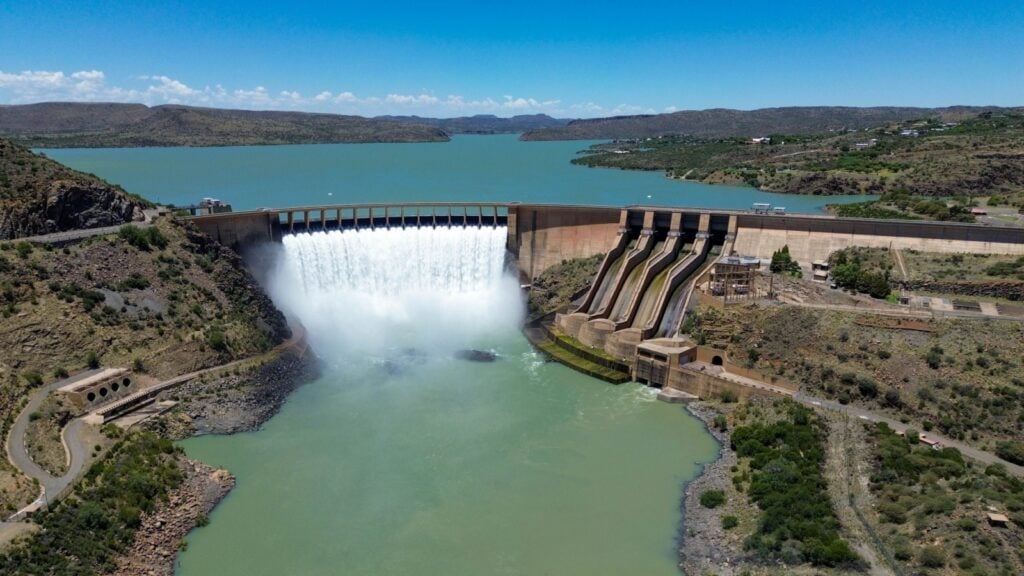
AfriForum has warned that the government’s proposed National Water Amendment Bill of 2026 would significantly expand state control over water allocation and management.
Due to the breadth, technical complexity, and potentially far-reaching consequences of the Bill, the organisation requested that the Portfolio Committee on Water and Sanitation extend the closing date for public comments.
While the closing date was set for 30 July 2026, AfriForum had recommended it be delayed until 31 August. However, the organisation recently announced that the committee refused the request without providing any reasons.
According to AfriForum, this refusal risks undermining meaningful public participation on one of the most far-reaching reforms to South Africa’s water legislation since the National Water Act came into operation in 1998.
“The Constitution does not prescribe a fixed period for public participation on legislation,” said AfriForum’s Advisor for Environmental Affairs, Marais de Vaal.
“What it requires is that Parliament must facilitate meaningful public participation. Whether a particular period is sufficient depends on what is reasonable in the circumstances.”
De Vaal explained that AfriForum only requested an additional month because this Bill fundamentally changes South Africa’s water law and affects virtually every major water user in the country.
“Refusing that request without any explanation risks undermining meaningful public participation,” he said.
The National Water Amendment Bill proposes sweeping changes to the way water resources are allocated and managed. Amongst other things, it seeks to:
- Strengthen the Department of Water and Sanitation’s powers to curtail Existing Lawful Water Uses
- Prohibit private trading in water use entitlements, centralise the reallocation of water, and repeal provisions relating to Existing Lawful Water Use
- Introduce race-based reservation of water allocations, and further regulate the governance and transformation of Water User Associations
AfriForum added that it requested the extension because many affected parties require specialist legal, technical, and financial advice before they can properly assess the Bill’s implications and prepare meaningful submissions.
The Department of Water and Sanitation’s continued failure
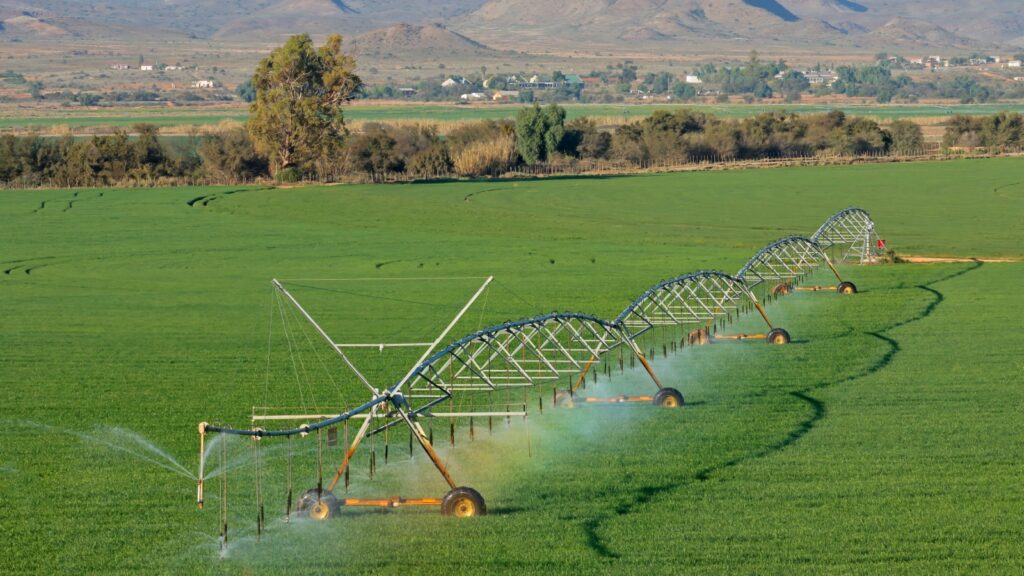
“Public participation is not merely a procedural requirement,” De Vaal said. “It is one of the constitutional safeguards that helps parliament identify unintended consequences before legislation is adopted.”
“The more significant and technically complex the legislation, the more important it becomes that affected parties have a genuine opportunity to engage with it.”
According to AfriForum, the need for careful scrutiny is heightened by the department’s own admission that approximately half of the Existing Lawful Water Uses have not yet been verified.
On top of this, the department has also acknowledged that nearly three decades after the National Water Act came into operation, the transformation of irrigation boards into Water User Associations remains incomplete.
“The department is asking parliament for broader powers to curtail and reallocate water while many of the existing statutory mechanisms have still not been fully implemented,” De Vaal said.
“That is precisely why parliament should encourage, rather than limit, thorough public engagement on the Bill.”
AfriForum confirmed that it plans to submit comprehensive comments on the Bill’s proposed amendments.
It also encouraged all farmers, water users, businesses, civil society organisations, and interested members of the public to do the same before the closing date of 30 July 2026.





Comments