Important South African city ‘shutting down’ in front of everyone’s eyes


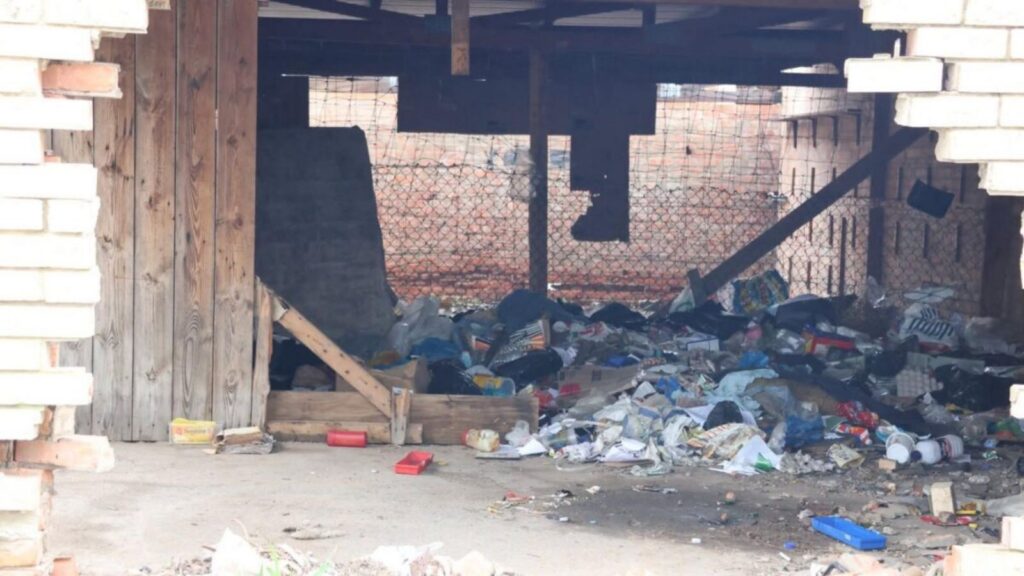
The municipality of Nelson Mandela Bay, which includes the vital port city of Port Elizabeth (now Gqeberha), is facing collapse as many of its factories shut down.
This comes amid a near-perfect storm of geopolitical turmoil from tariffs and conflict in the Middle East, combining with deteriorating local service delivery.
The climate has pushed many business owners to shut down their factories in the city, resulting in thousands of jobs being lost.
In particular, South Africa’s crown jewel automotive industry is facing significant pressure, with manufacturers calling out for government help.
The sector generated over 12% of South Africa’s total foreign exchange earnings through its exports and supports over 100,000 direct jobs.
It is the one example of the government’s industrial policy and support yielding results. The sector receives over R40 billion worth of preferential tax treatment each year.
Gqeberha and its surrounding towns are one of the key nodes of this industry, housing VW’s plant in Kariega and plants operated by Isuzu and Ford in Struandale.
These facilities support a diverse range of automotive part suppliers and services, including Schaeffler South Africa, Benteler Automotive, and EBOR Systems.
However, the current government support for the sector is not enough for some of these suppliers and manufacturers, with major players shutting down in recent years.
The exodus began with Bridgestone South Africa in November 2020, which closed its tyre manufacturing plant in the city.
This shutdown saw 250 people lose their jobs, with Bridgestone saying the plant was structurally uncompetitive and did not meet its threshold for further investment.
As service delivery worsened in the city, a spate of shutdowns occurred in 2025 as economic pressure mounted.
June 2025 saw Goodyear close its manufacturing facility in the city, which had been operational since 1947. Over 900 direct jobs were lost, with thousands more lost down the supply chain.
Goodyear also said its plant was no longer competitive and was closed as part of a broader restructuring driven by intense competition.
This closure was closely followed by Fischer Housing & Engineering, which was founded in Port Elizabeth in 1975.
After 50 years in business, the specialised company building custom tooling and machines was shut down. It attributed this to a slowdown in demand from local car manufacturers.
These closures played a major part in the Nelson Mandela Bay municipality losing 41,000 jobs in 2025.
The National Union of Metalworkers has warned that the area is going to become a ghost town if the current trend continues.
Worryingly, manufacturers seem to agree with VW Group Africa chief Martina Biene, saying the company faces a make-or-break year in South Africa in 2026.
Municipal collapse
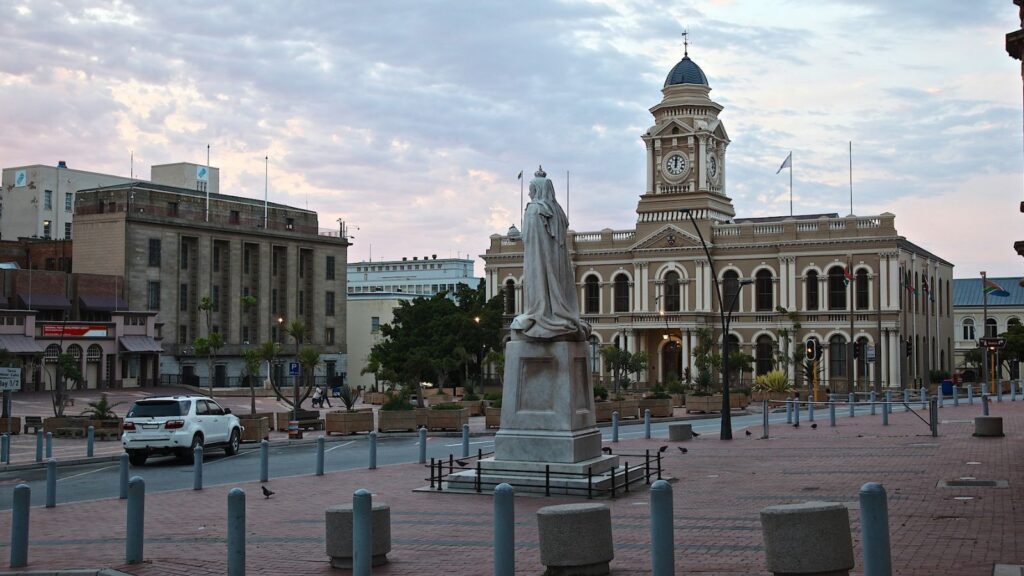
The main reason why these plants have become uncompetitive is due to a set of factors familiar to most municipalities in the country.
A decline in service delivery has combined with a rise in electricity and water tariffs, alongside property rates, creating a perfect storm for local businesses.
This has made it more expensive for businesses to operate while they have to invest in alternatives to state-supplied services.
Nelson Mandela Bay is proving to be a case example of what can happen to other municipalities if they continue down this path.
Businesses will eventually shut up shop and move production elsewhere to maintain competitiveness. Oftentimes, they will resort to importing products from other countries.
The Auditor-General’s (AG) latest report on municipalities has laid bare some of the challenges facing Nelson Mandela Bay.
In particular, the AG flagged collapsing service delivery and a 67% job vacancy rate within the municipality as major issues.
Nelson Mandela Bay currently lacks a municipal manager and a chief financial officer. The last municipal manager, Noxolo Nqwazi, is facing corruption allegations and has been suspended.
The municipality also spent R22 billion irregularly in the past financial year and failed to pay creditors within 30 days. It takes an average of 189 days to service its debts.
Some of these irregularities included paying employees who are suspended, and unbilled electricity and water services.
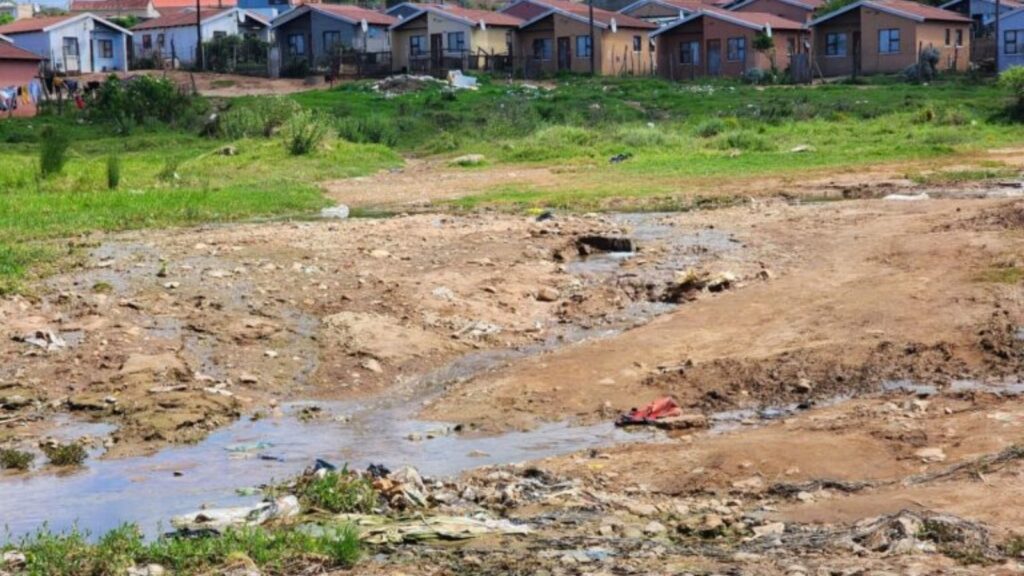
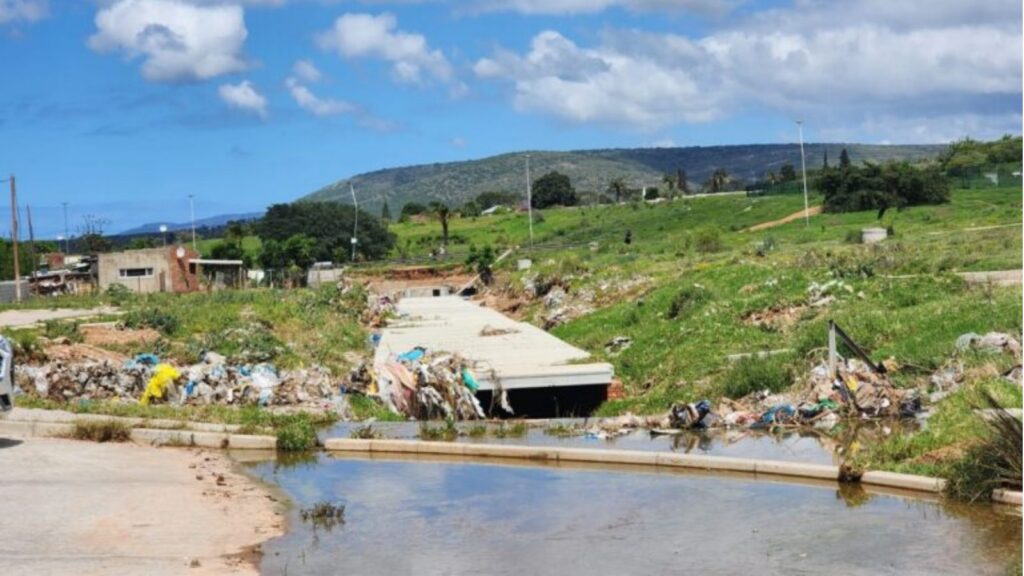
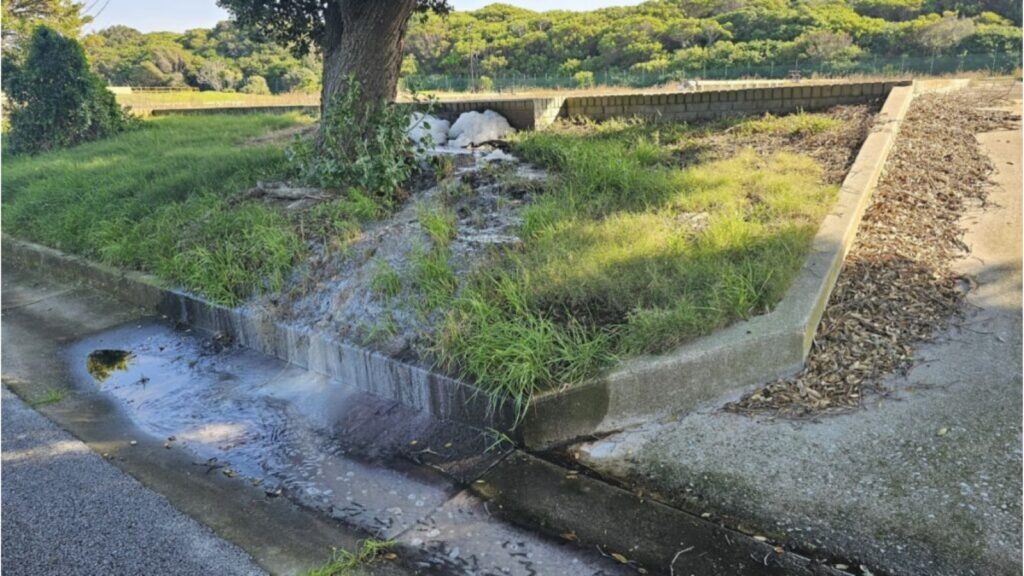
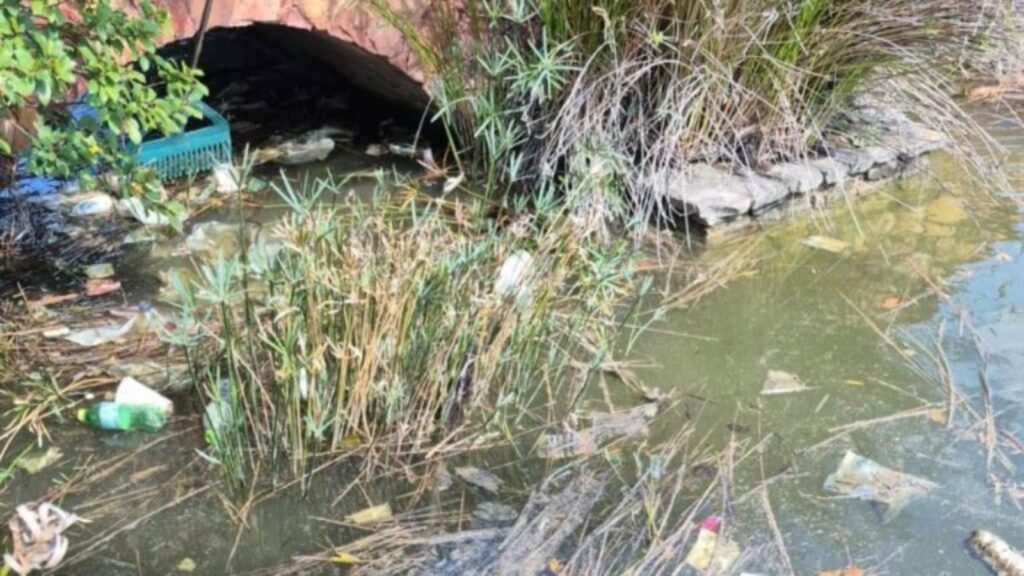
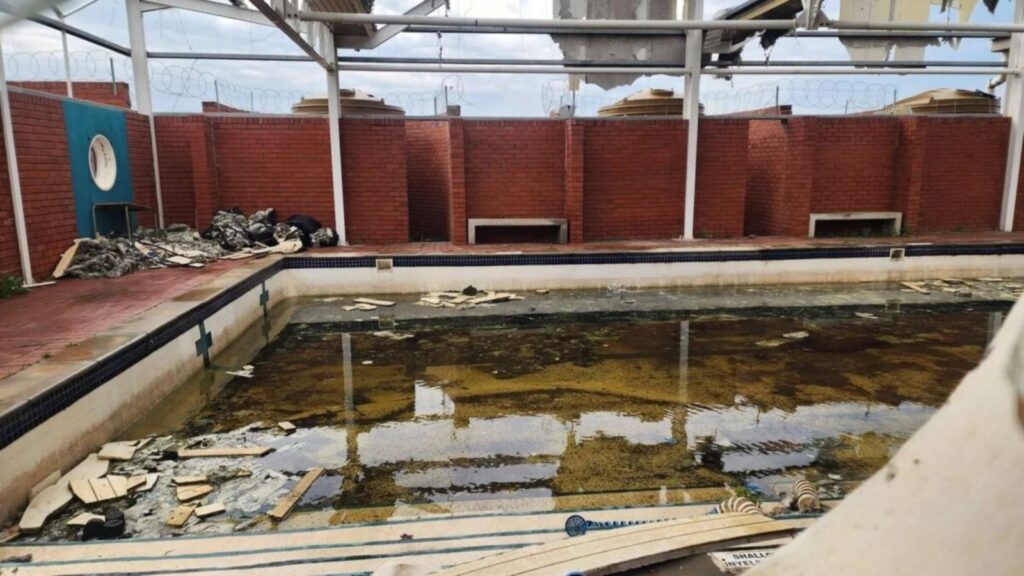
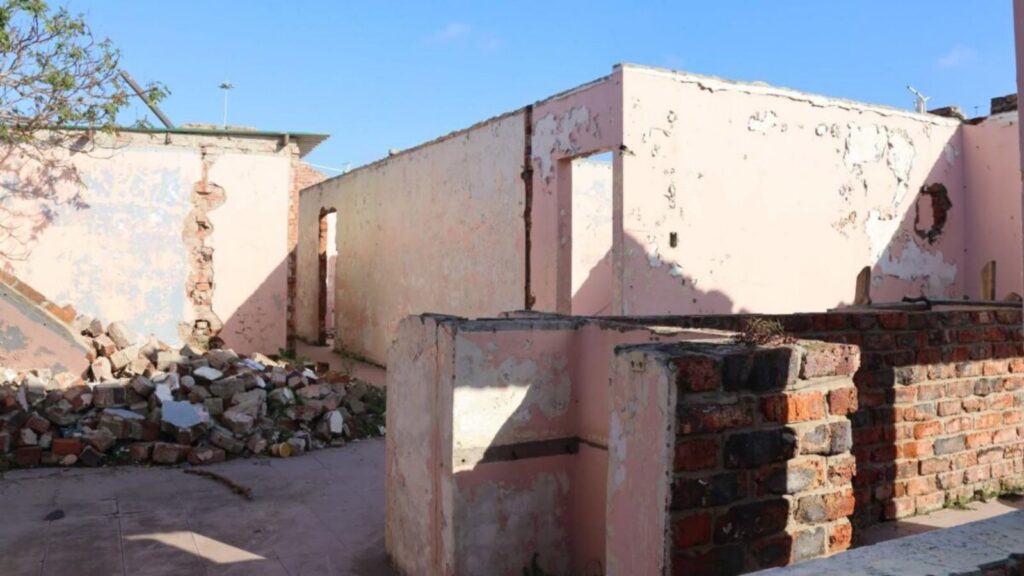
More generally, the city suffers from collapsing water and electricity infrastructure, with the AG flagging poor water quality and a lack of access to basic services as key focus areas.
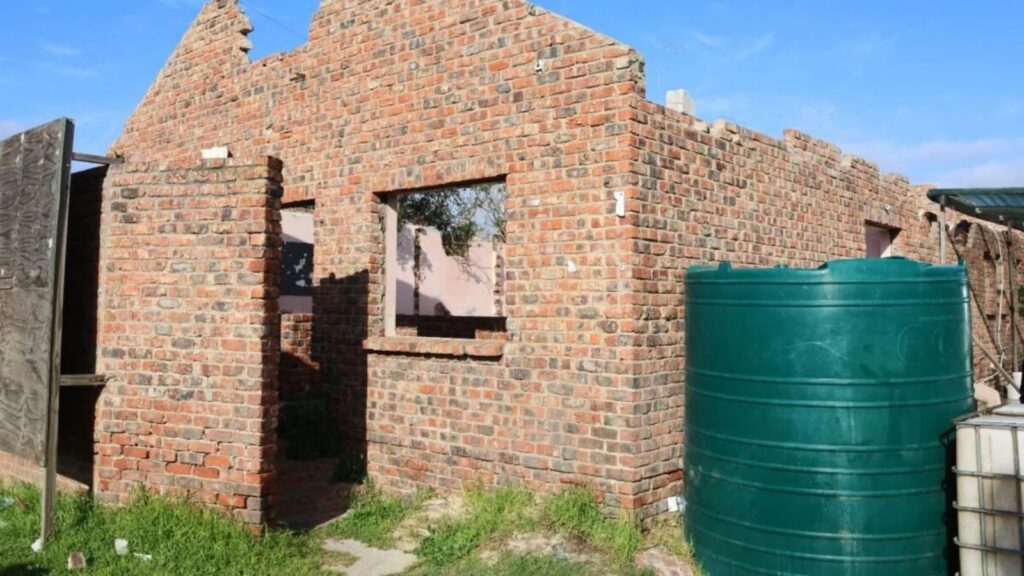
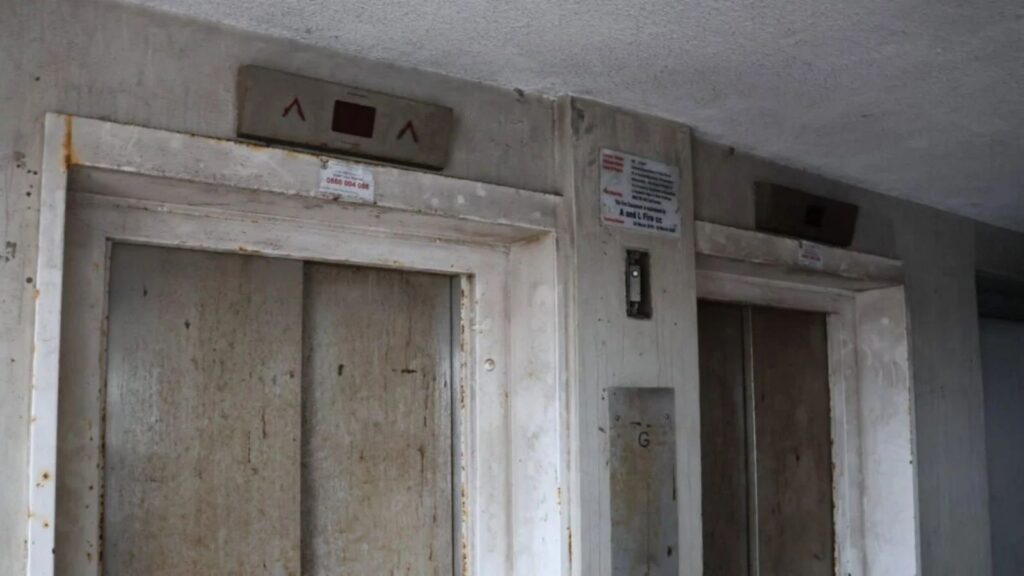
Images of Nelson Mandela Bay’s collapse



Comments