Shoprite bought 157 stores for R1


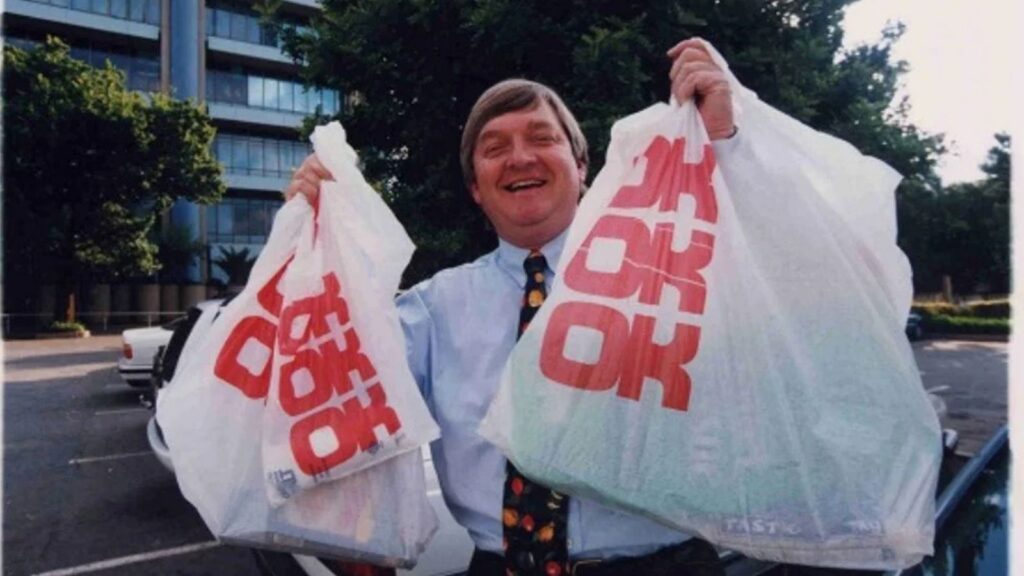
Shoprite bought 157 OK Bazaars and Hyperama stores for R1 in 1997 from South African Breweries (SAB), making it the biggest food retailer in the country overnight.
This is a title Shoprite has not given up to the present day, with its management team successfully turning around the loss-making OK business.
Former Shoprite CEO and retail royalty Whitey Basson recently explained how this deal came about and how OK was saved.
Speaking to C2M Chartered Accountants, Basson outlined the rise of Shoprite from a group of stores in the Western Cape into the largest private employer in Africa.
One of the key moments along this journey was the acquisition of OK Bazaars for only R1, with Shoprite effectively saving the business.
Basson explained the transaction as relatively easy after he had gained experience in buying stores from Edgars and more established retailers.
“It was easier to buy a couple of hundred stores from OK Bazaars than it was to buy three or four stores from Edgars,” Basson said.
“I was dead scared of Edgars. Those guys wore suits. They had a huge boardroom. Lunch was served with white gloves. It was very formal and difficult.”
OK Bazaars was a different kettle of fish, with Basson dealing with traders and retailers just like himself rather than professional managers.
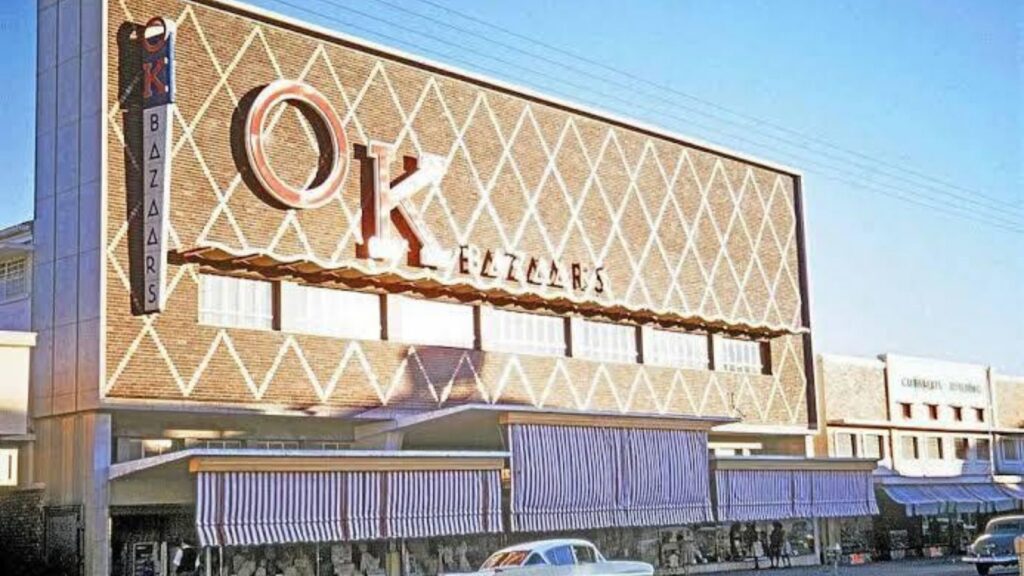
An old family business founded in 1927, OK Bazaars had become the dominant retailer in South Africa by the 1970s, with over 100 stores across the country.
Fearing a takeover, the founding Cohen and Miller families sold the business to SAB in 1973. This was the largest retail transaction in South Africa at the time.
Due to the quirks of the apartheid economy, large South African corporates were limited in how much they could invest overseas.
This resulted in a situation where a brewery owned the country’s largest retailer, and the marriage was not a match made in heaven.
As shopping centres began popping up across South Africa, led by Sandton City in Johannesburg, retail began to change.
Shoppers changed their buying habits, frequenting malls over high streets. New retailers like Shoprite, Pick n Pay, and Checkers cancelled their leases in CBDs and opened stores in shiny new centres.
Traditional department stores shut down, and profits of old-school retailers such as OK Bazaars began to plunge.
SAB did not recognise this shift, with OK never moving into the malls and sticking it out on the high street. This decision was disastrous.
For two decades, in spite of falling profits, OK Bazaars continued operating stores on the high streets of the CBDs. After reporting a R30 million loss in 1995, SAB put the retailer up for sale.
Buying OK Bazaars for R1
Basson strolled into OK Bazaars’ head office to secure a deal and met his match in Meyer Kahn, who was a formidable retailer.
“Kahn just looked at me and said, ‘Look, I don’t want to sell my business, but if you can offer me R300 million, you can have it. But, you are not allowed to do any due diligence’,” Basson recalled.
Kahn told Basson he had no time to waste in getting a deal done, telling Basson to make it clear to Shoprite chairman Christo Wiese that there would be no due diligence.
“I told Kahn that it does not work like that. Even a horse thief gets the time to look at the teeth. I am being a horse thief, I must have time to open the mouth and look at the teeth,” Basson said.
Basson said he had stalked OK Bazaars for years, studying their operations, pricing, and marketing strategies. He knew the business inside and out already.
“They were really in bad shape. SAB were semi-running it, with no connection between the management and the stores,” Basson said.
“I knew when we went in there that we could turn it around. They had very big stores that I could cut down on and save money. They had a good brand and good staff.”
Basson also knew that if he allowed Raymond Ackerman and Pick n Pay to buy OK Bazaars, Shoprite would be in trouble.
“We were very fortunate that we had no bidders against us, as the Ackermans did not like OK Bazaars. They were doing very well at the time,” Basson recalled.
This put Shoprite and Basson in the driver’s seat. OK Bazaars was losing money and only had one bidder willing to buy it.
“I wasn’t worried about the people at OK or anything. I was worried when I opened the books and saw the losses were worse than I thought, and they were bigger than our profits at the time,” he said.
Basson said at the time the conservative estimate was that if the two businesses combined, it would lose R100,000 an hour.
“But, the operations that I saw and the stores I visited where just Shoprite stores with a different name. I knew in my mind what I was going to do,” he said.
“I would cut the size of the stores, keep the OK name for lower-end stores, and drop the rest into Shoprite or Checkers stores.”
“It was a big financial risk, but you could see clearly in your mind what you were going to do to turn the stores around.”
Ultimately, Shoprite snapped up OK Bazaars for R1 in 1997, picking up 139 OK Bazaar stores and 18 Hyperamas.
This made Shoprite the biggest food retailer in the country, and since turning around OK Bazaars, it has never looked back.
Shoprite is now the largest private employer in Africa, with over 170,000 employees across its 3,655 stores and hundreds of logistics hubs.

Comments