From a South African holiday resort to a ghost town slowly being destroyed by sand dunes


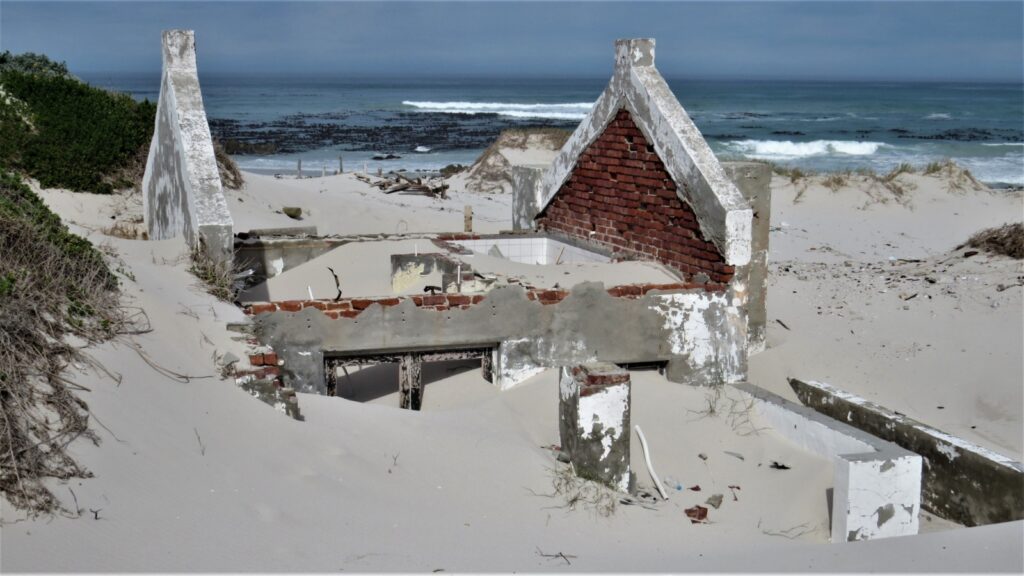
Built in the 1980s as an affordable seaside holiday resort, Plaatjieskraal was abandoned after shifting sand dunes buried much of the settlement, leaving behind a haunting ghost town.
Hidden among towering sand dunes on the Western Cape coastline lies one of South Africa’s most unusual abandoned places.
Plaatjieskraal, also referred to as Plaatjieskraalbaai, is a forgotten seaside holiday resort near Buffeljagsbaai, Cape Agulhas and Pearly Beach.
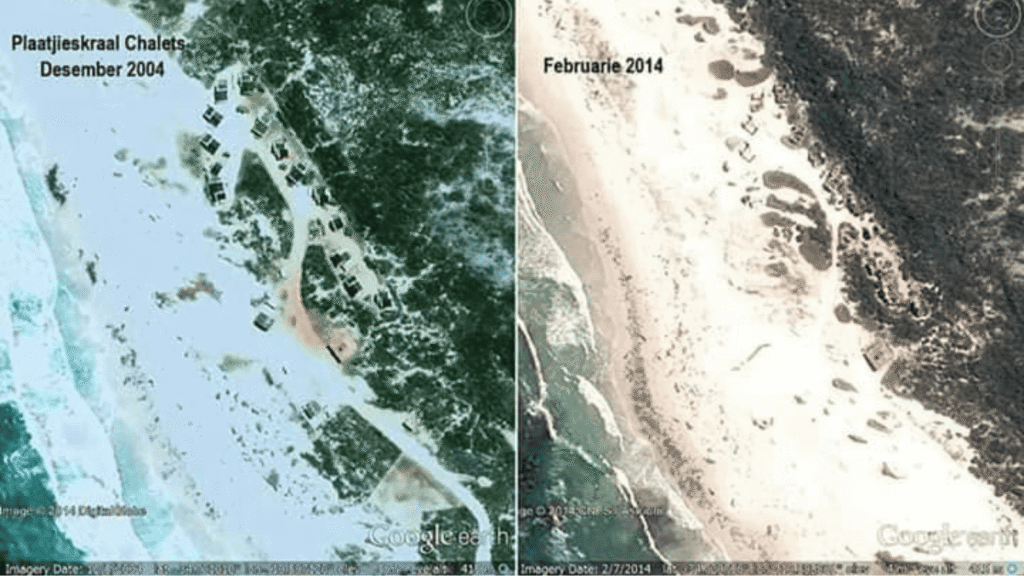
Over the past few decades, it has become a ghost town after shifting sand dunes slowly buried almost everything in their path.
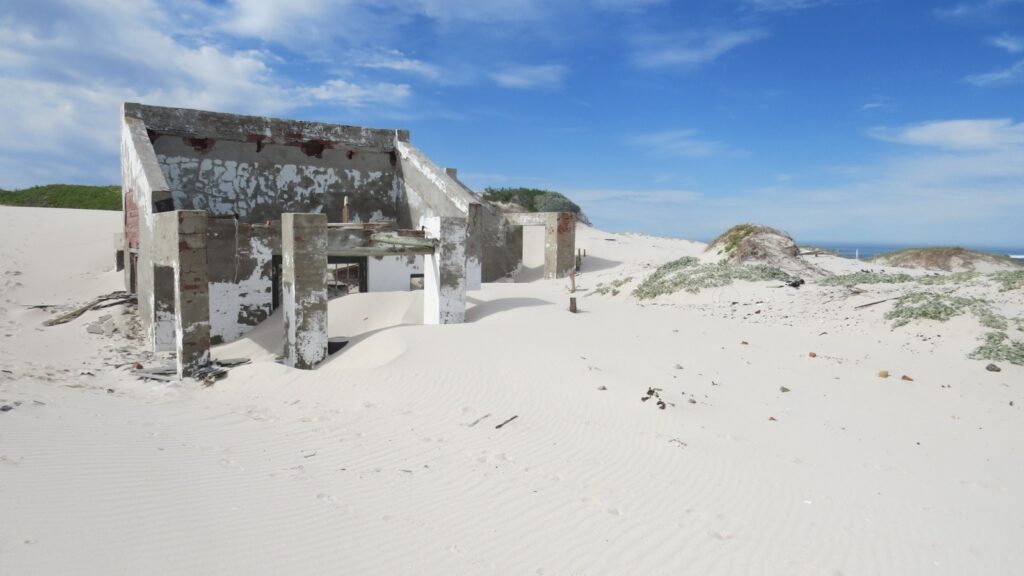
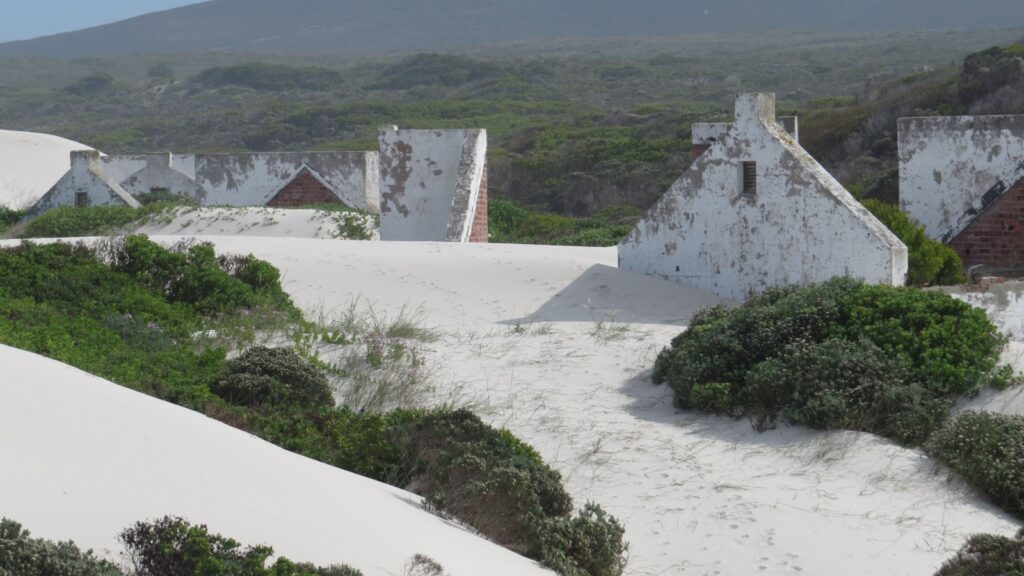
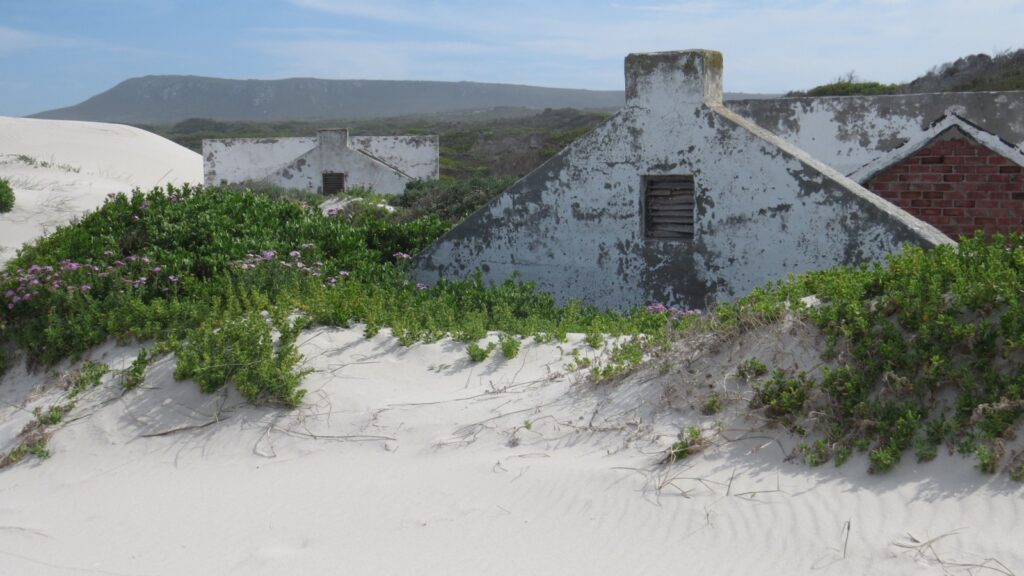
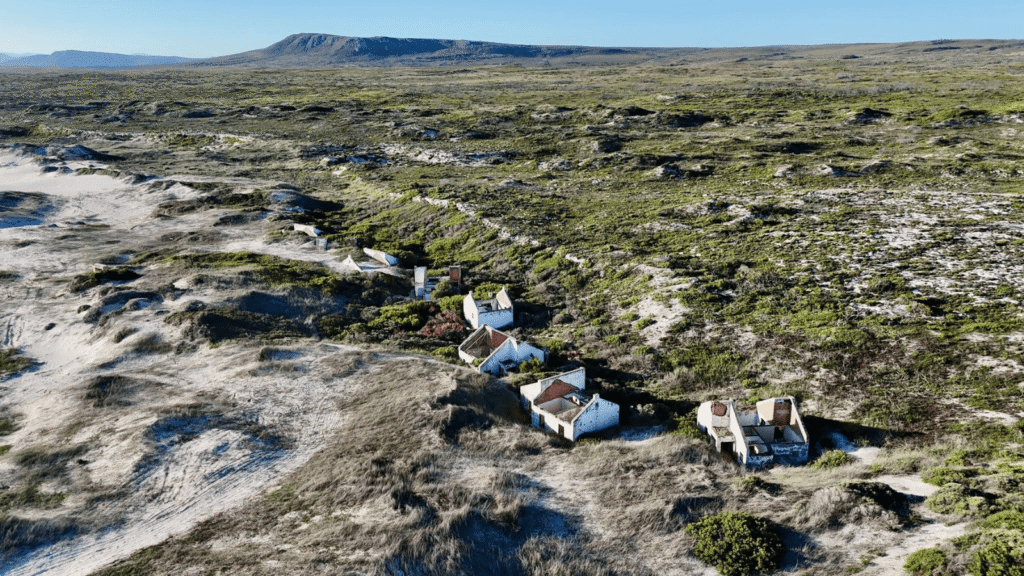
Today, the abandoned settlement sits half-submerged beneath the dunes, with nature steadily reclaiming what was once a bustling coastal retreat.
Built during the 1980s by the local district municipality, Plaatjieskraal was designed as an affordable holiday destination for residents from nearby Elim and Bredasdorp.
The small resort consisted of 23 holiday cottages, a reception building, two staff houses and communal braai facilities, all located just a short walk from the ocean.
At the time, it offered local families an opportunity to enjoy holidays by the sea in one of the Western Cape’s most scenic coastal regions. Despite its idyllic setting, the resort faced an insurmountable challenge.
Plaatjieskraal sits within an active coastal dune system along the Overberg coastline, where powerful winds constantly reshape the landscape.
Over time, the sand dunes surrounding the resort became increasingly mobile. Year after year, sand accumulated around the buildings, eventually engulfing roads, entrances and entire structures.
Despite numerous attempts to fight against the encroaching dunes, the natural forces proved too powerful.
By the early 1990s, the resort had been abandoned as the buildings became increasingly difficult to access and maintain.
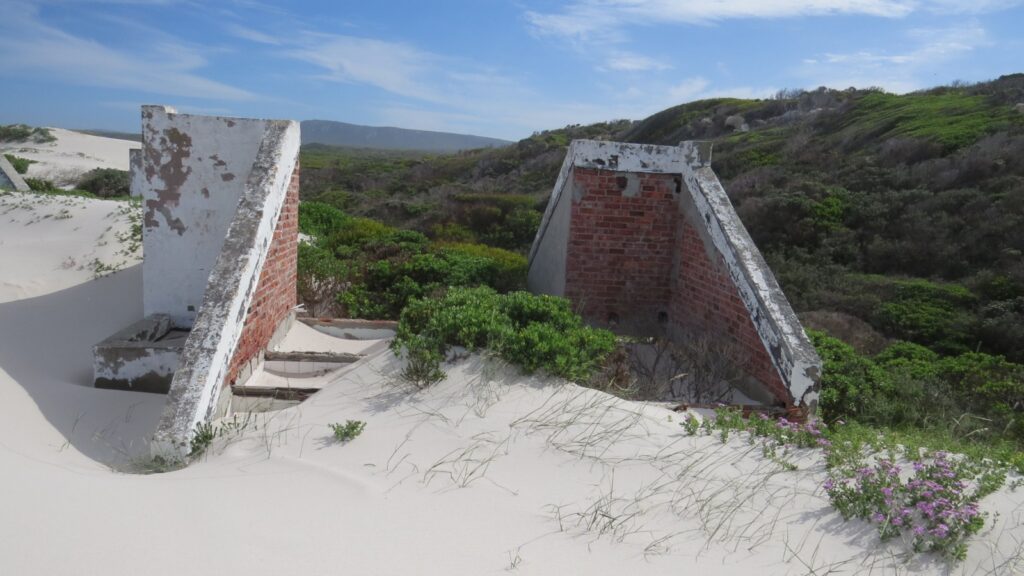
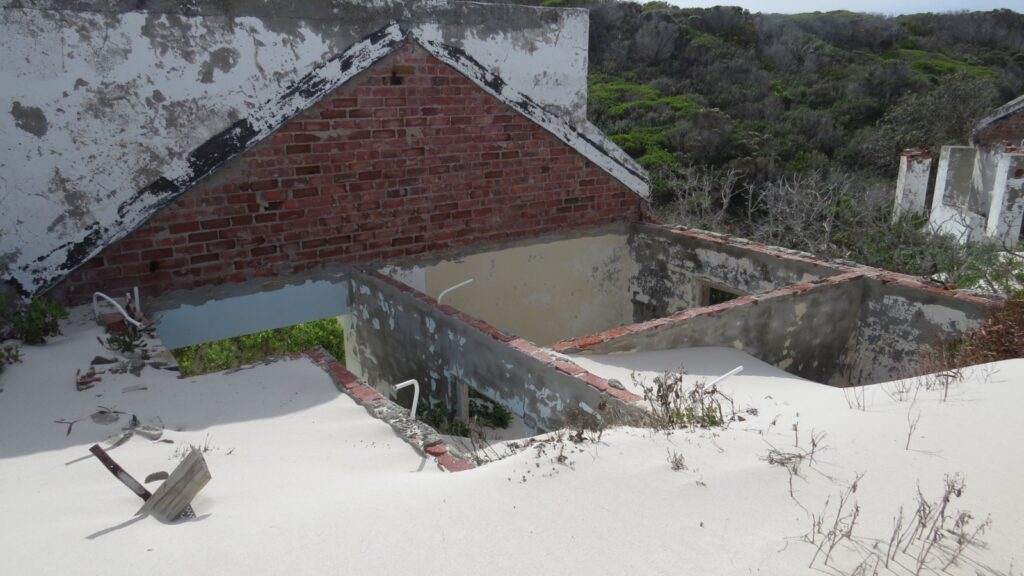
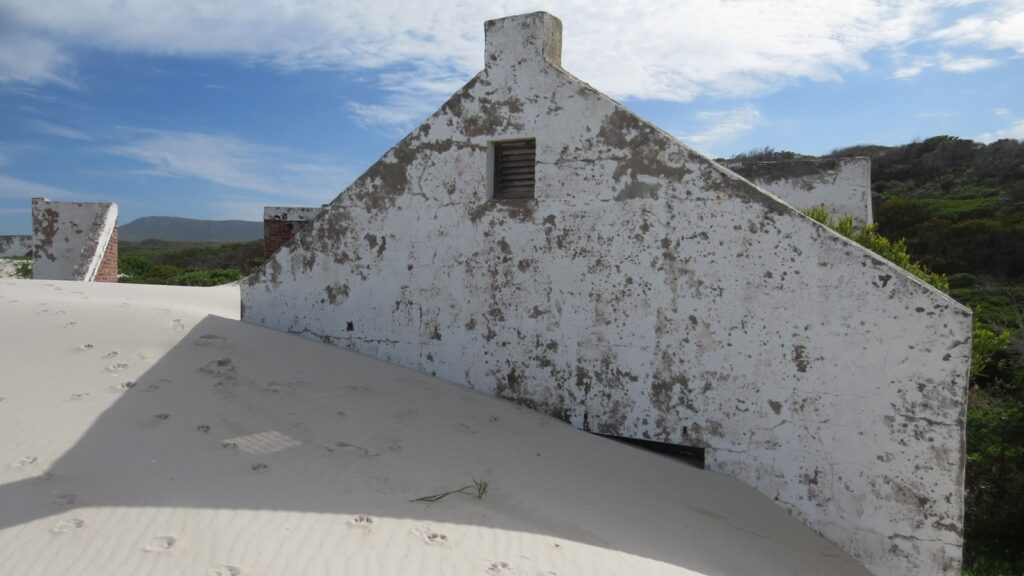
Today, many of the structures remain partially buried beneath metres of sand, with coastal vegetation slowly reclaiming the site.
The surrounding Overberg Dune Strandveld ecosystem, part of the globally important Cape Floristic Region, has continued to expand across the abandoned settlement.
This endangered vegetation type consists of hardy coastal shrubs, grasses and fynbos species adapted to shifting sands, strong winds and salty ocean air.
Wildlife has also reclaimed the area, with the surrounding coastline supporting African oystercatchers, southern right whales during winter, seabirds and numerous smaller coastal species.
Touring Plaatjieskraal
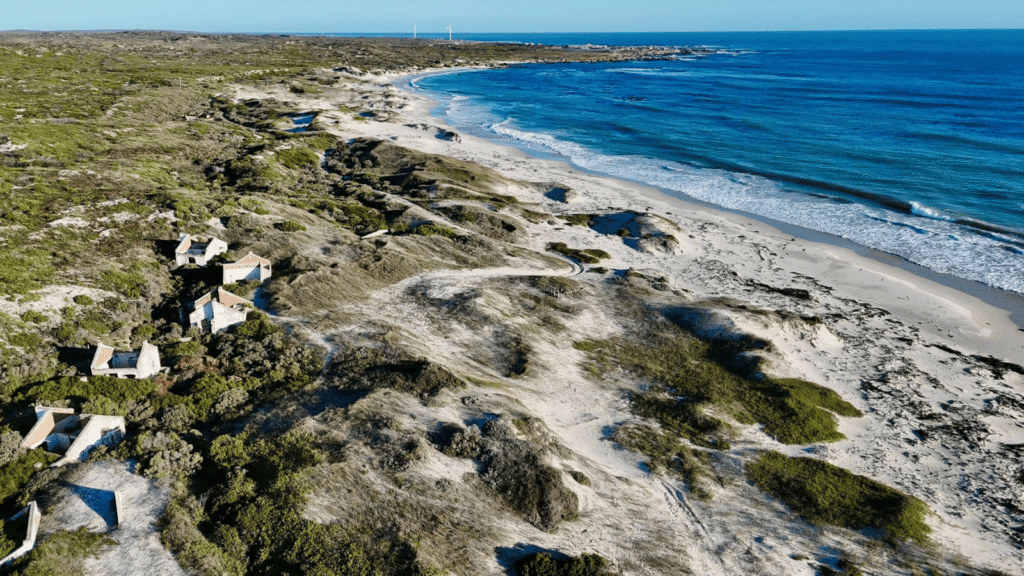
Despite its abandonment, Plaatjieskraal has become an increasingly popular destination for photographers, history enthusiasts and off-road adventurers.
Visitors describe the site as hauntingly beautiful, with partially buried buildings emerging from the sand against the backdrop of the Atlantic Ocean.
The abandoned resort is often compared to famous ghost towns around the world that have been reclaimed by deserts or forests.
However, accessing the area is not straightforward. The ghost town lies roughly 30 kilometres from Gansbaai, near Buffeljagsbaai, in the Overstrand region.
Reaching the area requires driving across deep sand, making a high-clearance vehicle – preferably a 4×4 – essential.
There is no entrance fee or formal tourism infrastructure, and visitors explore the site entirely at their own risk.
Those familiar with the area also recommend travelling in groups, carrying recovery equipment in case vehicles become stuck.
They also advise exercising caution around the ageing structures, some of which have deteriorated significantly over the past three decades.
Since mobile phone reception is limited, visitors are also encouraged to download maps before travelling to the town.
A new life for the area
While Plaatjieskraal has been left to deteriorate over decades, the area may soon undergo a dramatic transformation.
Eskom is currently planning to develop a Nuclear Power Plant (NPP) which will have an export capacity of up to 5,200 megawatts.
The facility will require significant industrial infrastructure, including nuclear reactors, turbine halls, a high-voltage yard, spent fuel storage facilities, and large intake and outfall tunnels extending into the ocean for cooling.
The site will also feature towering structures, such as a 100-meter communications tower and a 120-meter meteorological mast, both of which will be topped with red flashing aviation hazard lights.
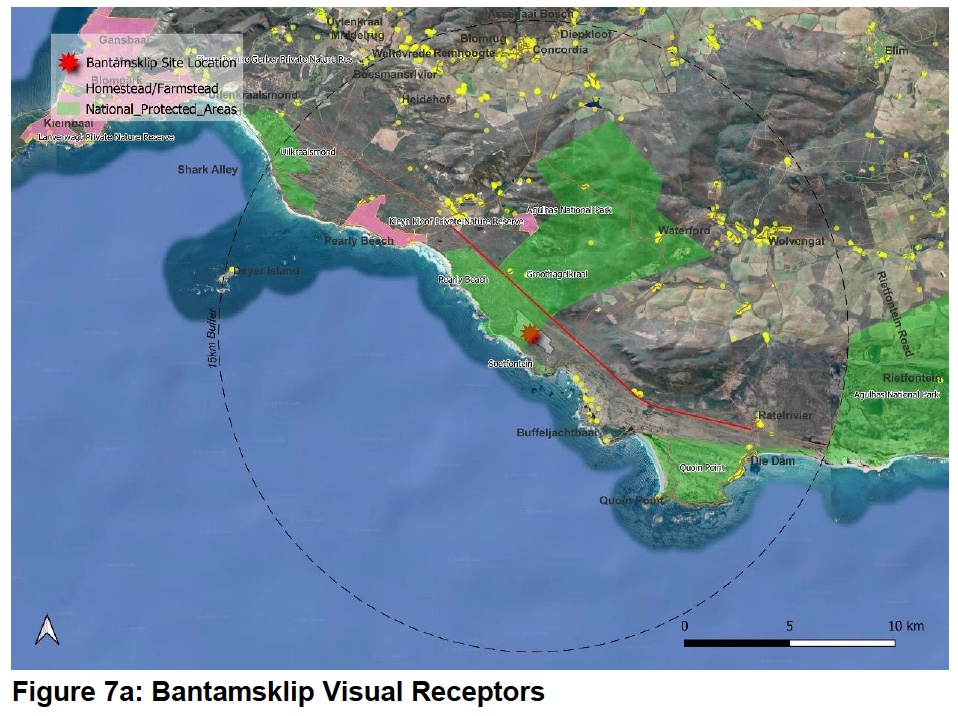
Eskom has two potential sites for this plant, one of which is the Bantamsklip site located on the Southern Cape coast between Danger Point and Quoin Point.
The abandoned Plaatjieskraal lies immediately east of the proposed Bantamsklip site. Because the ghost town is directly adjacent to the site along a short stretch of coastline, the distance between them is negligible.
Currently, the landscape surrounding the site is described as a remote, undeveloped, and pristine coastal environment with a “wild and untameable” character
Since the landscape is mostly flat with low-growing vegetation, there is very little natural screening to hide large buildings.
WSP’s visual impact assessment noted that the sheer scale and large footprint of the nuclear plant would completely overwhelm the area’s natural ambience.
The introduction of this large-scale infrastructure, combined with intense night and security lighting, would permanently alter the area’s sense of place from an unspoilt rural setting into a highly visible industrial zone.
However, WSP’s Draft Environmental Scoping Report pointed to the second option, Thyspunt in the Eastern Cape’s Kouga Local Municipality, as the ideal location.
Eskom already owns the land demarcated for potential construction of the plant, which has been zoned for nuclear development.
This proximity to existing grid infrastructure makes it a better choice than the Bantamsklip location. As such, the Plaatjieskraal will likely remain a ghost town for the foreseeable future.
The Plaatjieskraal ghost town



Comments