Important South African state-owned company goes from zero to hero


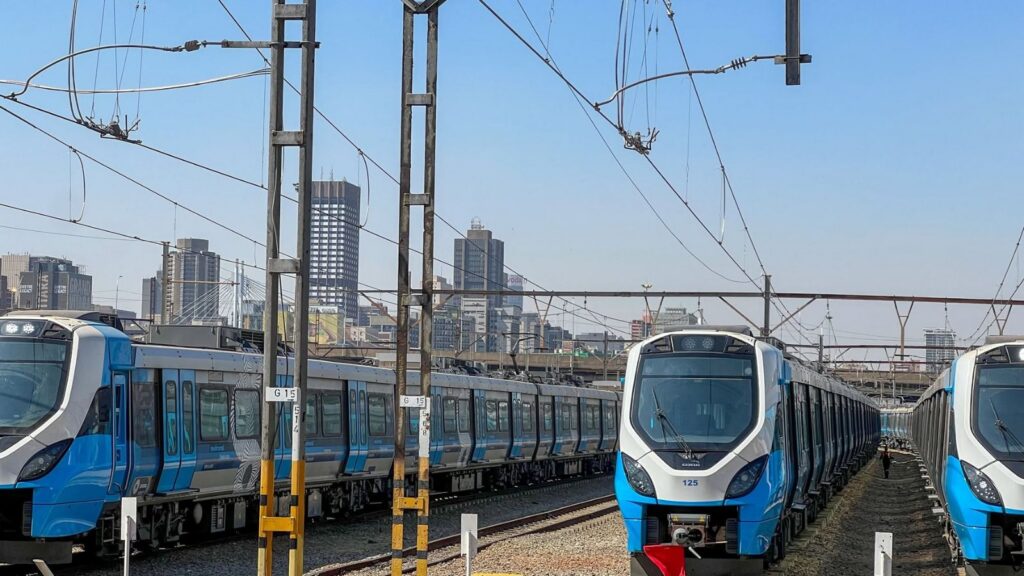
The Passenger Rail Agency of South Africa (PRASA) is showing strong signs of improvement, with monthly passenger journeys crossing the 10 million mark.
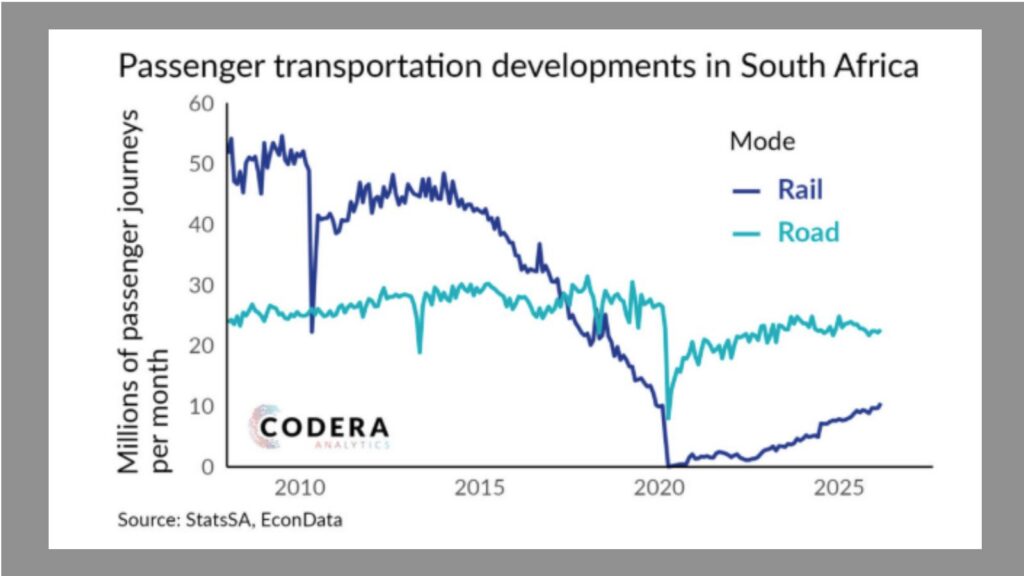
This is a far cry from its peak of 55 million monthly passenger journeys reached in 2009, before a decade of mismanagement saw the state-owned enterprise (SOE) collapse.
However, it is a significant improvement from the SOE’s near-zero monthly passenger journeys from 2020 to 2022.
PRASA is one of the oldest operating SOEs in South Africa, having been formed as a result of the Union of South Africa in 1910.
In the union agreement, all railway services in South Africa were merged into a single entity along with the country’s harbours to form South African Railways and Harbours.
From this entity, Transnet, PRASA, and the Transnet Port Authority would be created in the 1990s to better manage the country’s infrastructure.
Commuter rail was transferred to the South African Rail Commuter Corporation (SARCC) in April 1990. This entity owned all commuter rail assets, including stations, land, and rolling stock.
The commuter rail assets were serviced by Metrorail, which was still owned by Transnet. However, the agreement soon broke down as both entities refused to take responsibility for maintenance and investment.
Metrorail was eventually transferred from Transnet to the SARCC, which was renamed PRASA in 2008.
This also marked the beginning of the entity’s downward spiral, with it taking over Metrorail’s assets, Shosholoza Meyl’s long-distance passenger operations, Autopax, and all property management on its network.
These assets desperately needed investment, with many operating the same rolling stock they had in the 1990s and on decades-old infrastructure.
PRASA announced a huge plan to overhaul its rolling stock and infrastructure worth R97 billion. Nearly 7,000 vehicles would be ordered.
At the same time as this investment was taking place, passenger rail journeys were plummeting due to unreliable service and delays.
Statistics South Africa research showed that 80% of regular PRASA commuters stopped using its network between 2013 and 2021, significantly impacting its financial health.
The graph below from Codera Analytics shows the collapse of PRASA’s passenger rail service.
Corruption runs rampant
While PRASA’s passenger numbers were declining, the entity’s planned infrastructure investment was being ransacked by corrupt officials and politicians.
A Public Protector investigation found that high levels of corruption, maladministration, and mismanagement were to blame for the rail agency failing to provide basic services. The investigation associated these issues with Jacob Zuma’s Presidency.
One of the famous incidents of corruption was the acquisition of the Spanish Afro 4000 trains for R2.65 billion in the early 2010s.
The Afro 4000 was a fantastic train. The only issue was that it required 4.14 metres of clearance, which exceeded South Africa’s infrastructure threshold of 3.965 metres.
This scandal resulted in the removal of CEO Lucky Montana and the chief engineer, Daniel Mtimkulu, who had falsified his qualifications.
Mtimkulu claimed to hold a doctorate in electrical engineering, but investigations found that he had not completed his four-year Bachelor of Science in Engineering.
The scandals kept mounting, with PRASA incurring R13.9 billion in irregular expenditure in 2016. At the time, 142 contracts worth R24 billion were being investigated for corruption.
Transport Minister Fikile Mbalula promised to halt PRASA’s decline in 2019. He launched a war room with a 100-day plan to turn the entity around.
Targets for the turnaround included improving Metrorail arrival times from 50.2% to 85% and increasing the number of available train sets.
Shosholoza Meyl’s arrival times were targeted to be improved from 3% to 50%.
Six months after the plan was announced, Mbalula fired the PRASA board and CEO, placing the entity under administration. The war room was shut down a month later.
Then, the Covid-19 pandemic hit, and PRASA’s operations were halted, with it not moving a single passenger for almost an entire year.
This left its infrastructure free to be vandalised, stolen, and ripped apart. This severely delayed its recovery from the pandemic.
Mbalula revealed in 2022 that PRASA could no longer secure its trains and infrastructure, with criminal syndicates engaging in wide-scale theft.
Between January 2021 and July 2022, there were an average of 1.7 million rail passenger trips per month, which is just 4% of the monthly average over the 10 years between 1999 and 2008.
Back on track
2022 would prove to be PRASA’s rock bottom, with it slowly recovering since then with a more streamlined operating model and investment into security paying dividends.
As transport expert Jan Havenga noted, the best form of security is to have trains running regularly on their lines, as this limits the chance of theft.
The entity’s management has been slowly implementing a turnaround plan, with it focusing on key routes in South Africa’s major metros.
PRASA’s management team noted in its 2024 annual report that it met 87% of its annual targets, which is a far cry from the 19% met in 2022.
Its passenger numbers are slowly recovering, with the latest data indicating that it is now completing 10 million passenger journeys a month.
PRASA’s collapse had a significant economic impact on South Africa that went beyond the billions lost to corruption and mismanagement.
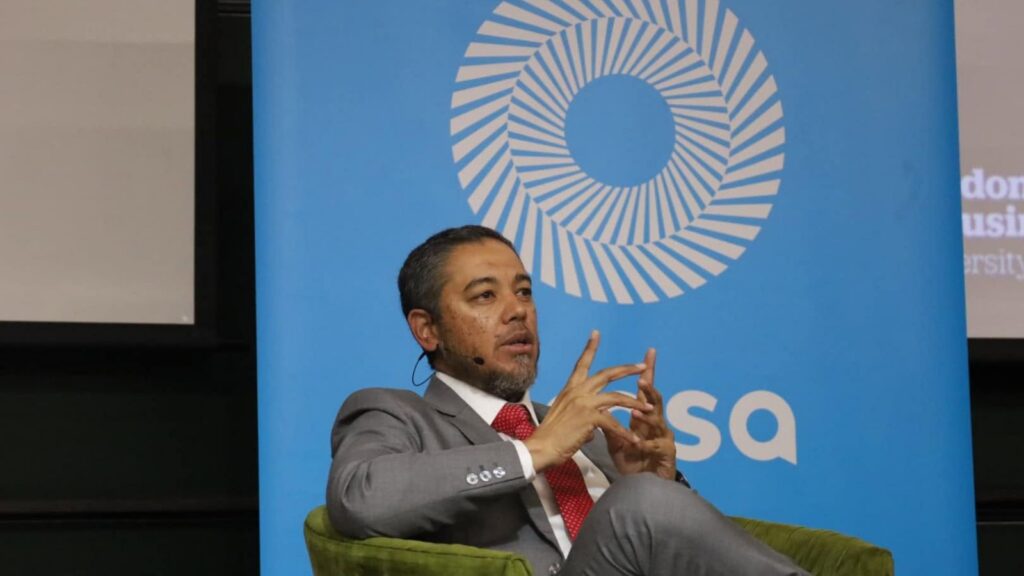
Symmetry chief investment strategist Izak Odendaal explained that PRASA’s decline shifted significant transport costs onto ordinary South Africans.
“South Africa does not have a functioning public transport network. The destruction of commuter rail over the past decade is a shame and tragedy,” Odendaal said.
“For low-income workers, it is a huge blow, forcing them to use buses and taxis that are three or four times as expensive.”
This impact on disposable income has not been discussed in South Africa, yet it could have a significant effect on consumer spending and economic growth.
The mismanagement of PRASA has resulted in the effective privatisation of public transport, as it forced individuals to use private transport rather than cheaper public options.
PRASA’s collapse was made worse by the government’s desperate attempts to save South African Airways, which received billions in bailouts from the state.



Comments