The tiny town in rural Limpopo that has a university making R2 billion a year


The town of Thohoyandou in Limpopo is home to the University of Venda, one of South Africa’s youngest universities, which generates over R2 billion in revenue annually.
Founded in 1982 within the Venda Bantustan, the university has become increasingly specialised in science and technology, with new programmes designed to increase enrolment in the natural and applied sciences.
The University of Venda is unique in that it is based in a relatively small town in a part of Limpopo that remains fairly underdeveloped.
Thohoyandou is primarily known for being the former capital of the bantustan of Venda, with it only being built in 1977.
However, the area has a rich history reaching back to the 1400s, when the Netshiluvhis occupied the land after the collapse of the Mapungubwe Kingdom.
In the 1960s and 1970s, they were forcibly removed by the government of the Venda Bantustan to create the new capital. Historically, Dzanani is the traditional capital of Venda and home of the VhaVenda kings.
Meaning “the head of the elephant”, Thohoyandou is named after a former VhaVenda king to add to its legitimacy, while the president of the bantustan built his palace and ministerial residences.
The name Tshiluvhi was totally stricken out and replaced by Thohoyandou as per the then government, and was left as the name of a primary school.
Thohoyandou grew rapidly after the Venda Republic was declared in 1979, as the government expanded its administrative capacity.
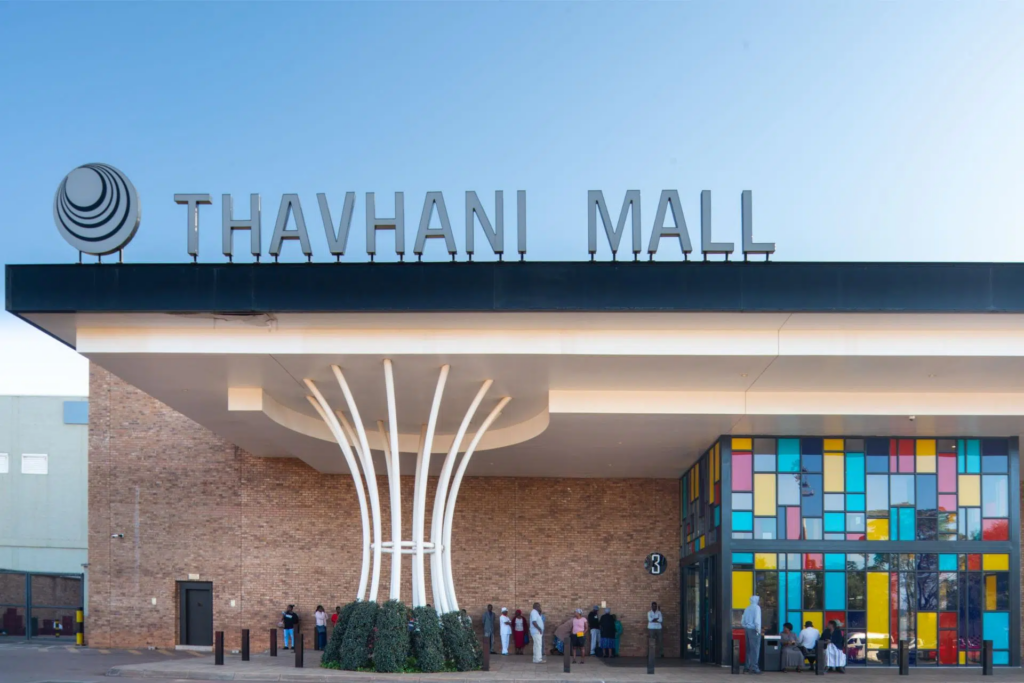
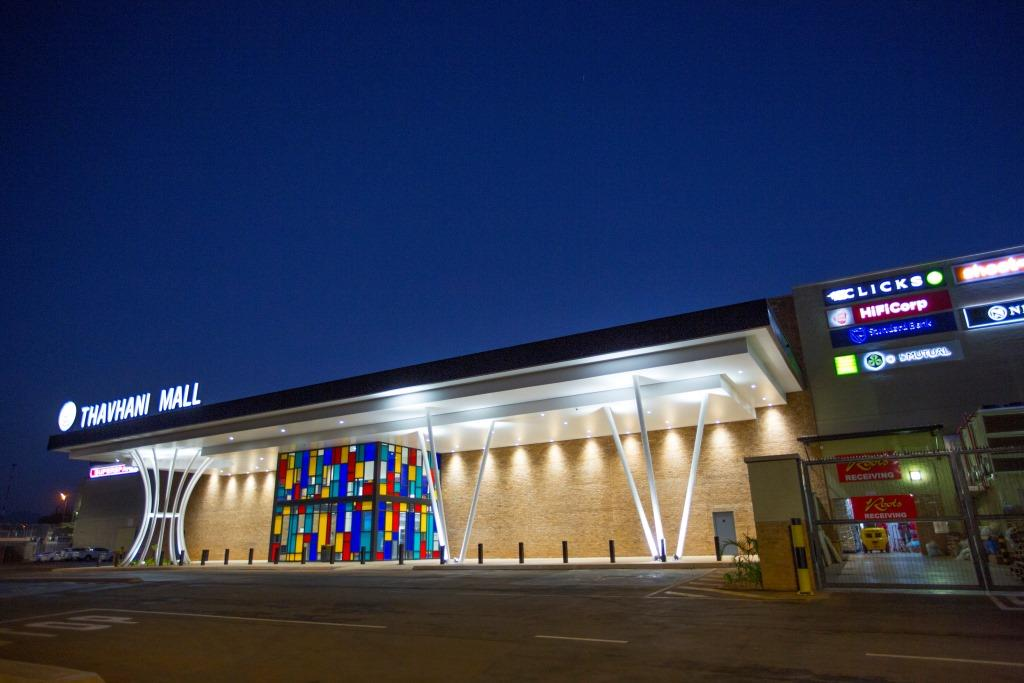
After constructing the government buildings, attention shifted towards developing the town economically, with the construction of a shopping centre and the Venda Independence Stadium.
However, the Venda Republic was never recognised internationally, with it largely being seen as a puppet of the apartheid regime. Many of the Venda still moved towards Johannesburg and Pretoria in the hope of better economic opportunities.
In 1994, the Venda homeland was reintegrated into the Republic of South Africa, with Thohoyandou transitioning from being a political capital to a regional economic hub.
The town remains one of the fastest-growing in Limpopo, with over 70,000 residents and an increasingly sophisticated economy.
Much of this is down to the development of the University of Venda, which has been one of the few institutions in former bantustans to transform itself to suit the needs of a modern economy.
The University of Venda

The University of Venda has undergone immense transformation over the past 20 years, having had to contend with a lack of resources for much of its first decade in operation.
Founded in 1982, the university was mandated at the time to provide a specific type of education to individuals within the Venda Republic.
Originally a branch of the University of the North, it had only 177 students before gaining independence in the 1980s.
The move to a permanent campus in Thohoyandou enabled the university to steadily expand its offering and accommodate more students.
Rapidly, it became the drawcard for many people moving to Thohoyandou, turning the town from a political capital into a self-sustaining city.
This transformation was accelerated after 1994, when the Venda Republic was absorbed into South Africa, and the university became part of the country’s broader education system.
However, it faced a staffing crunch due to a shortage of teachers to teach a rapidly growing number of students, particularly in science and technology.
As a result, the university increasingly recruited highly-qualified individuals from other African countries and overseas to fill the gap.
From 1995, the university shifted its focus to science and technology, introducing new programmes and increasing student enrolment in the natural and applied sciences.
The government also mandated that the university transform into a “comprehensive university”, meaning it would offer both traditional academic degrees and career-focused vocational training.
This all came with the need to invest heavily in expanding the campus and infrastructure to accommodate the 15,000 students attending the university.
The university quickly became the centre of the town after Thohoyandou lost its status as a political capital, and there was no longer a need for a government to sit in the town.
It is now undergoing another period of significant expansion as part of its Vision 2040 strategy, which is centred on R600 million worth of flagship projects.
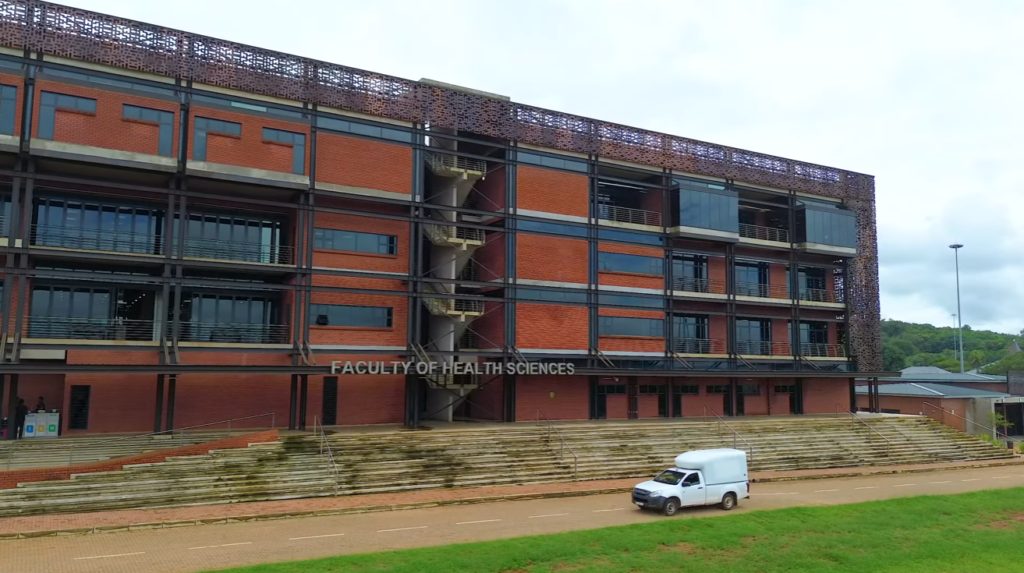
This included the construction of a new Faculty of Health Sciences building for R220 million to serve as a hub for public health, nutrition, and biokinetics, alongside research laboratories.
Coupled with this is a new Advanced Nursing Science Simulation building, which will mirror real hospital environments for the training of medical staff.
The university’s main administration building will also be refurbished as part of the plans, at a cost of R168 million.
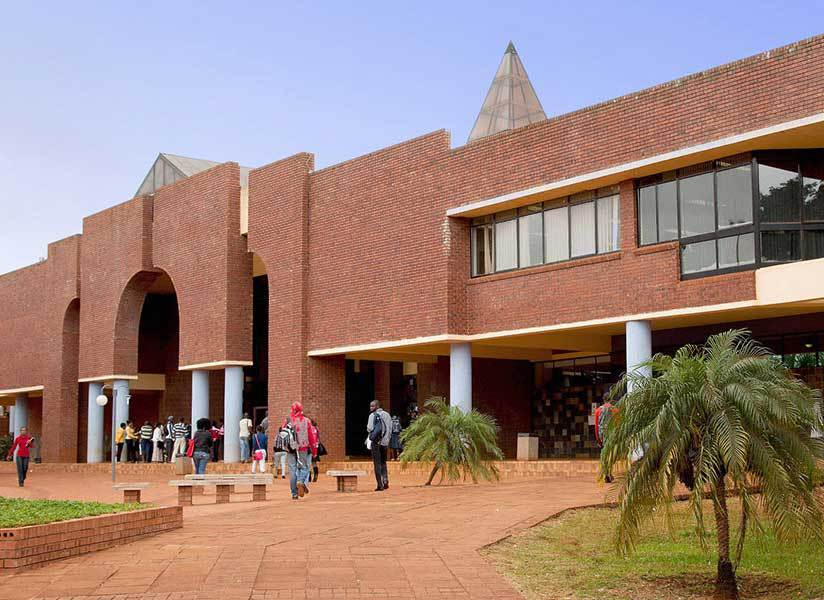
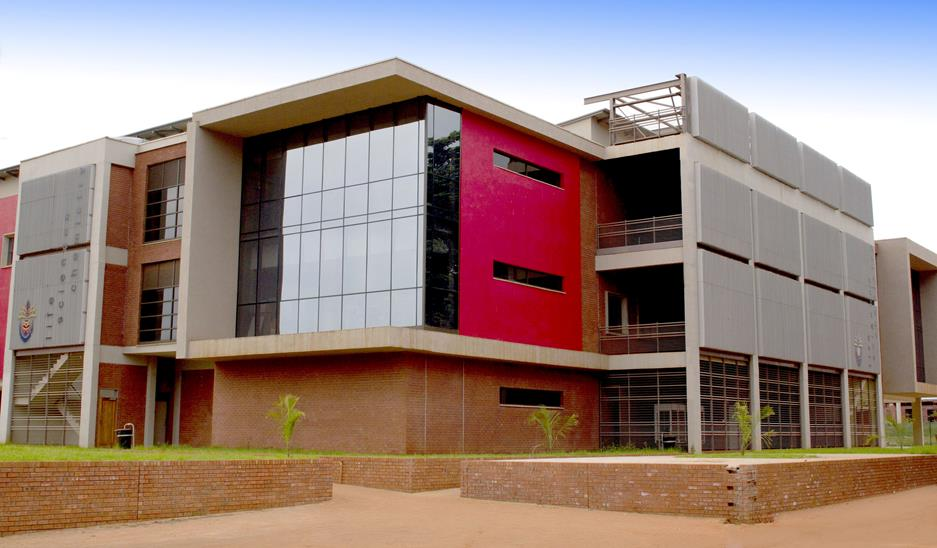
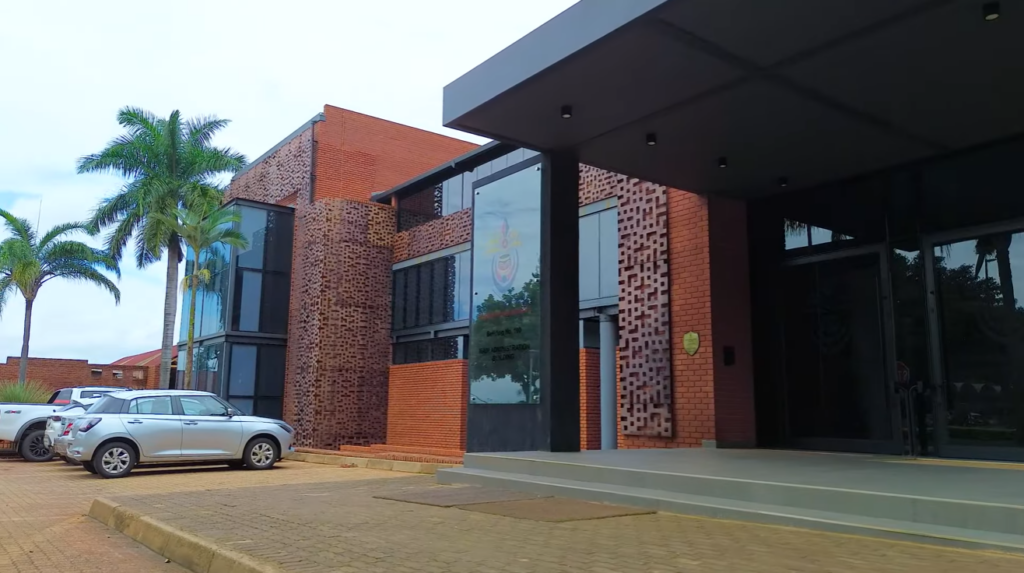
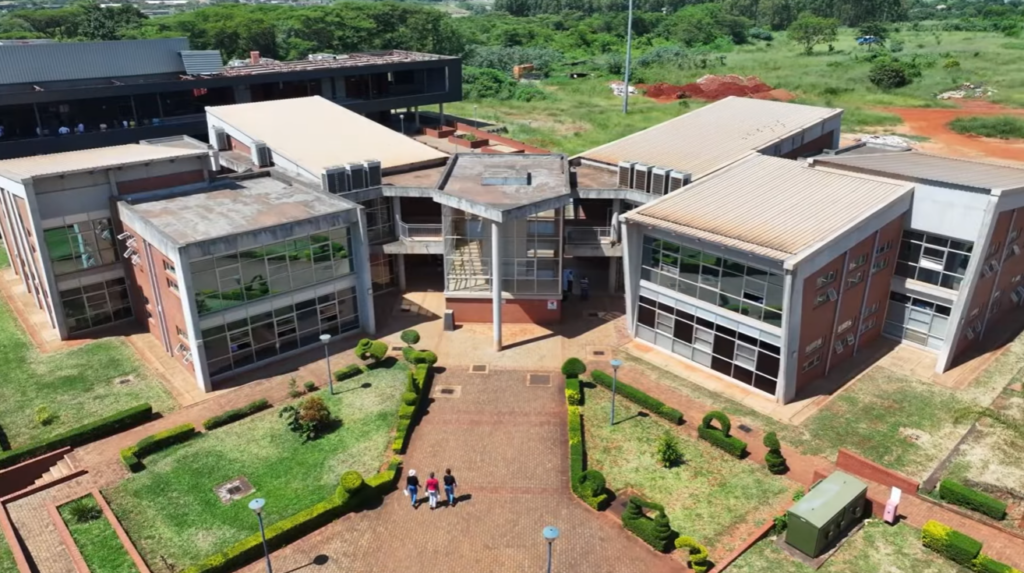
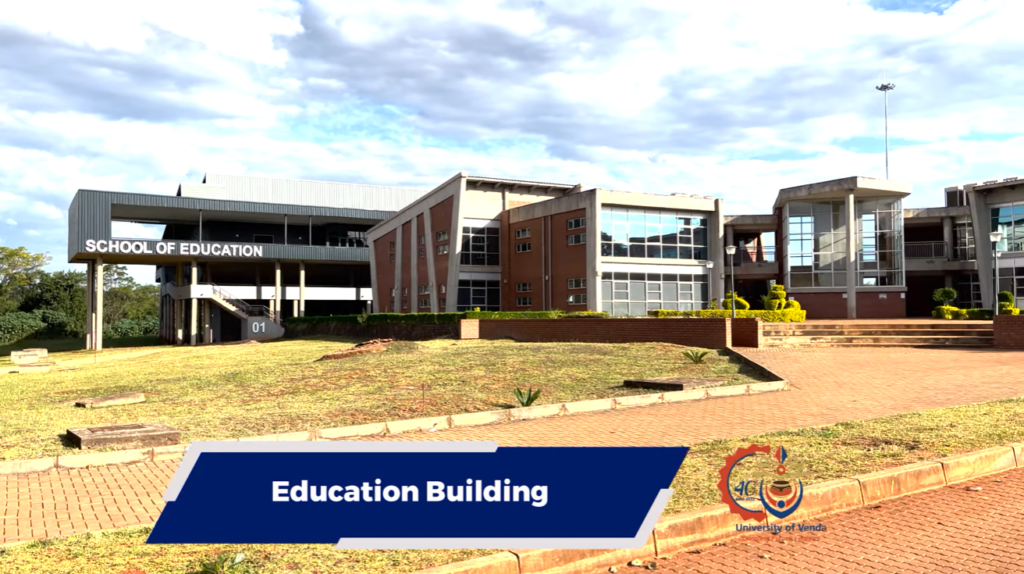
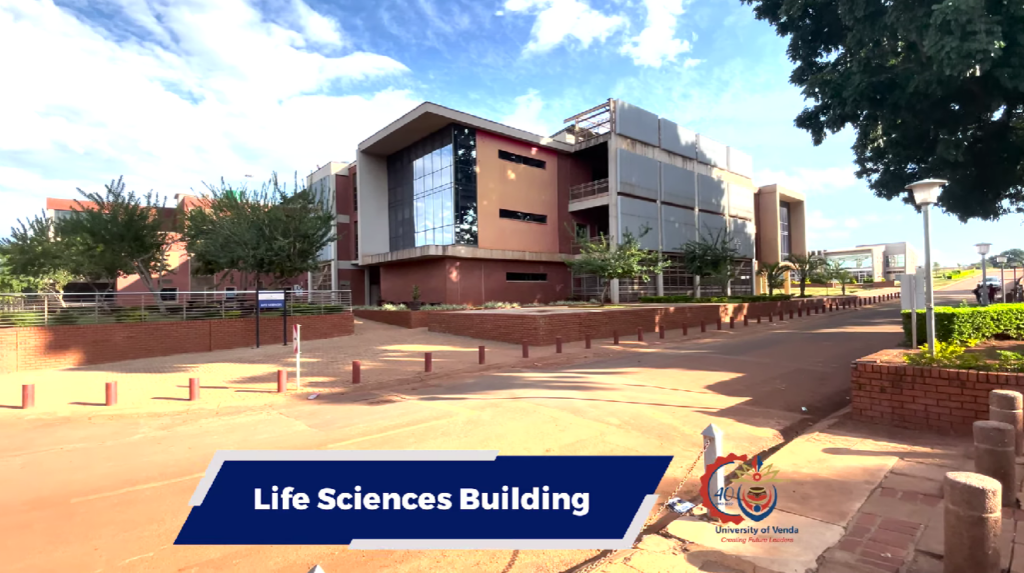
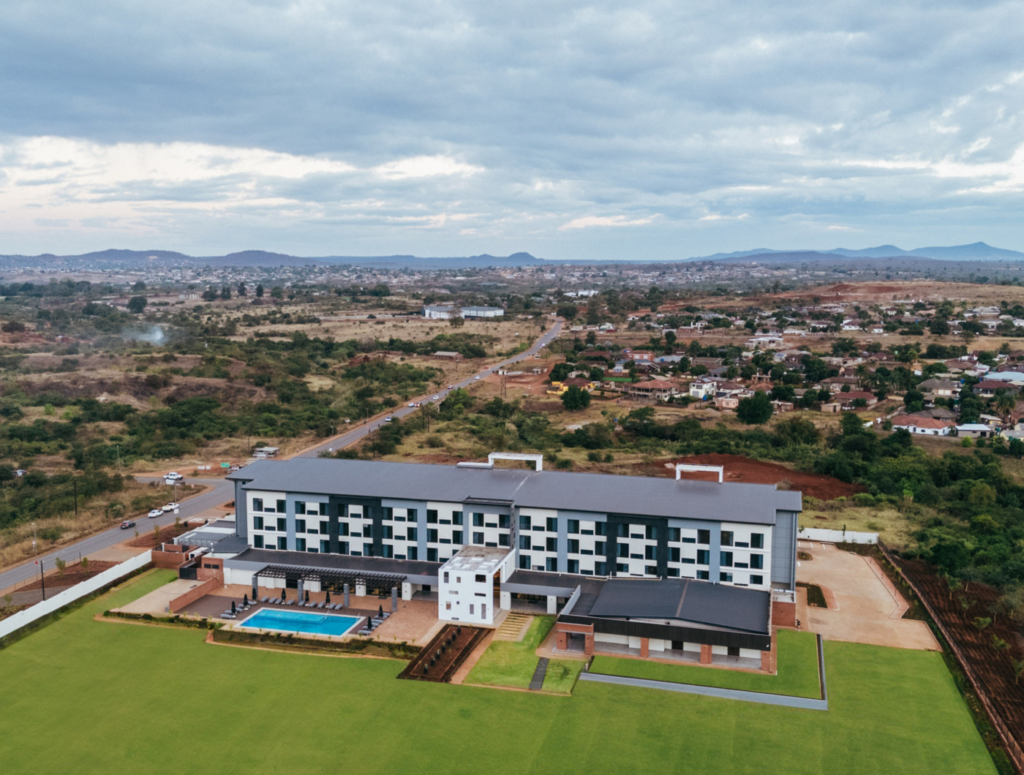
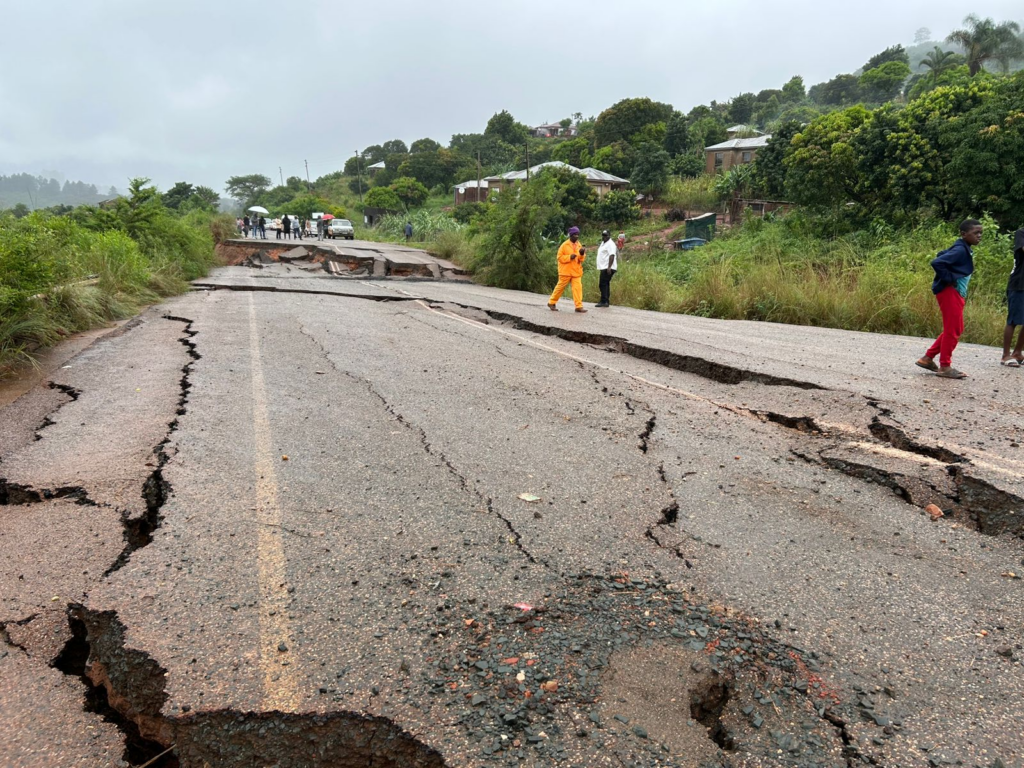
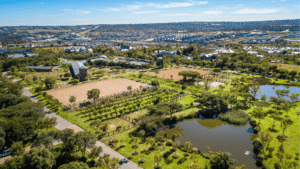
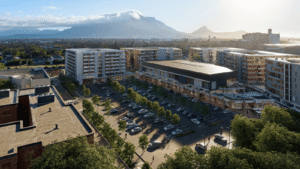
Images of Thohoyandou and the University of Venda


Comments