The small town in South Africa known as the Great White Capital of the World where gangs fight over its critically threatened ‘white gold’


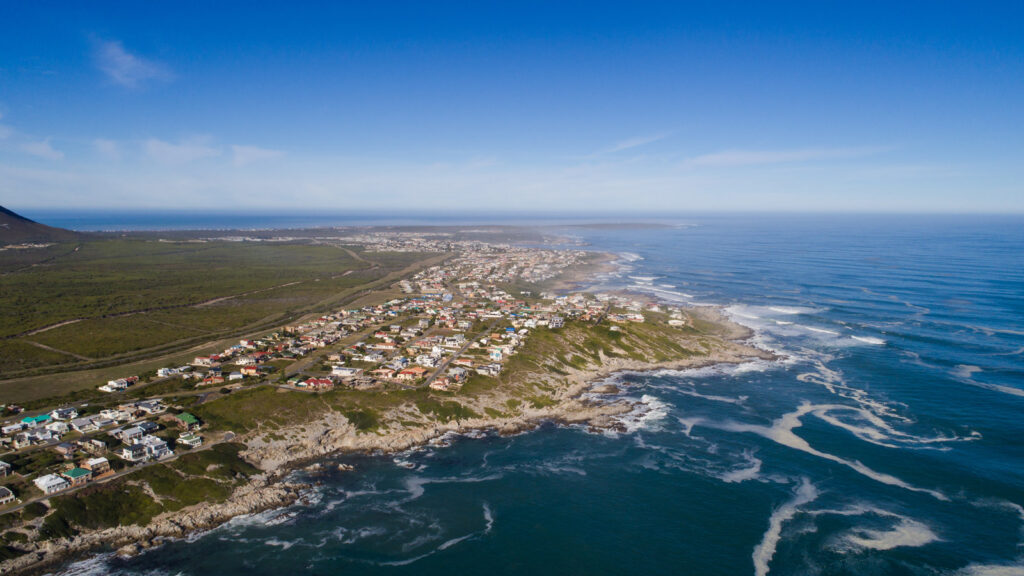
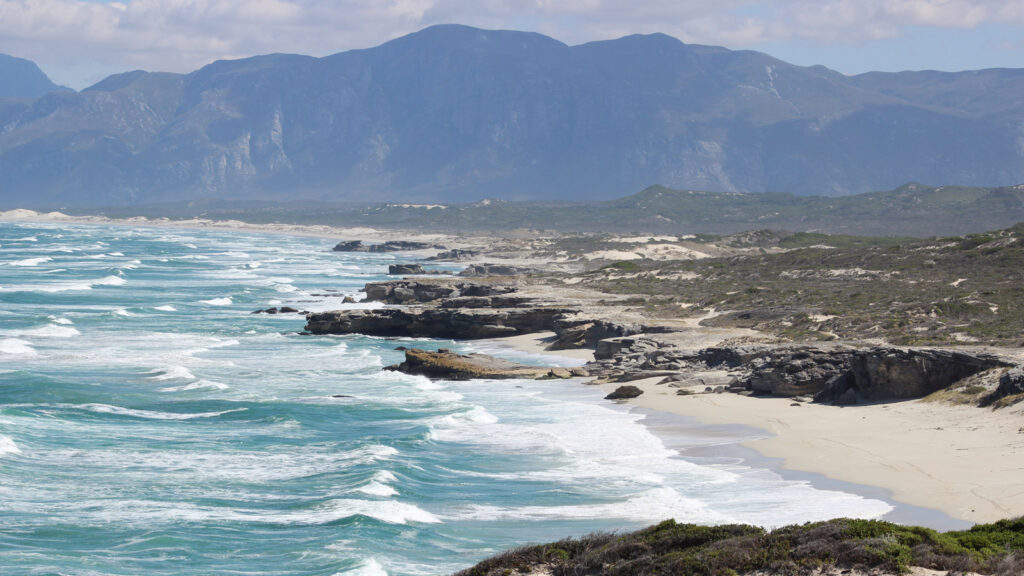
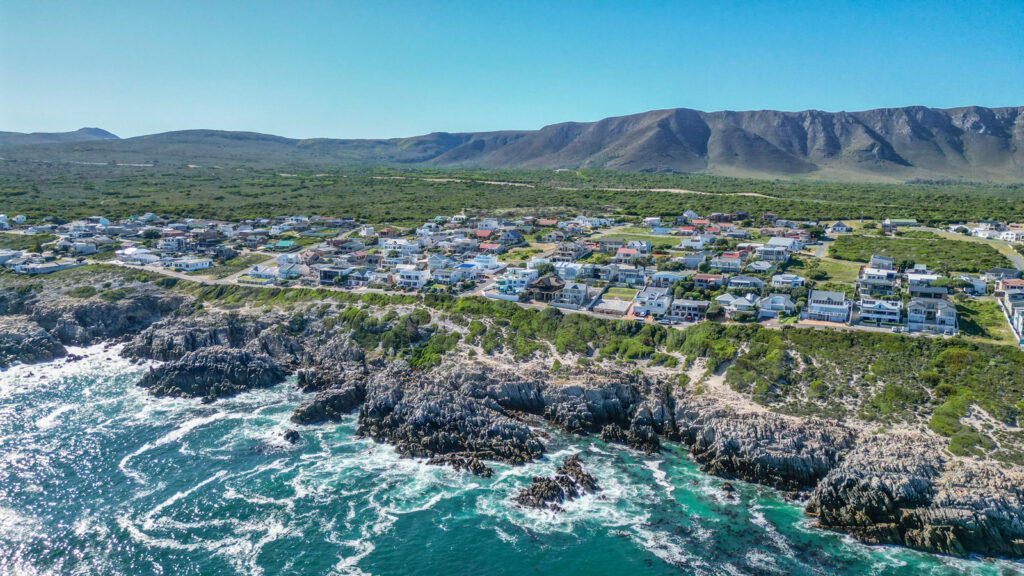
Gansbaai, a small coastal fishing town in the Overberg region of the Western Cape, about 40 km from Hermanus and 160 km from Cape Town, is a local hub for abalone, colloquially called “white gold”, production.
Situated on the same body of water – Walker Bay – as Hermanus, Gansbaai is a popular tourist destination with a rich history.
In its early days, the area was known as “Gansgat” due to a flock of local geese, but this was later changed.
The modern Gansbaai was founded by Johannes Cornelius Wessels in 1881, though its history dates back to the 1700s when settlers first arrived.
Gansbaai’s fishing economy also played an important role in the Second World War through grey shark fishing.
The grey shark’s liver was a vital source of Vitamin A and lubrication oil, which led to small-scale local industrialisation as a factory was set up to produce oil.
This demand dwindled post-World War II, leading to tough economic times for the area. This was exacerbated by a massive decline in commercial whaling around the same time, due to overexploitation.
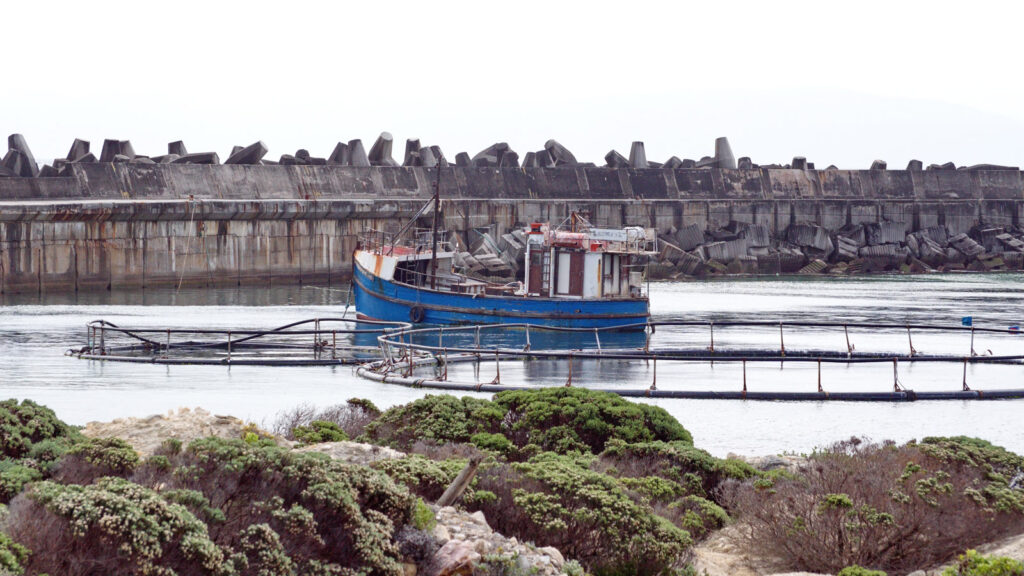
Today, however, the area’s economy still centres around its fishing industry, with many local trawlers.
Whales have returned, and the area is now a Marine Protected Area that provides refuge for Southern Right Whales.
It has become a major tourist attraction for whale watching and is home to a thriving industry of Great White Shark cage diving.
This is due to it being an international hotspot for great white sharks, which has earned it the title “Great White Capital of the World”.
A controversial trade
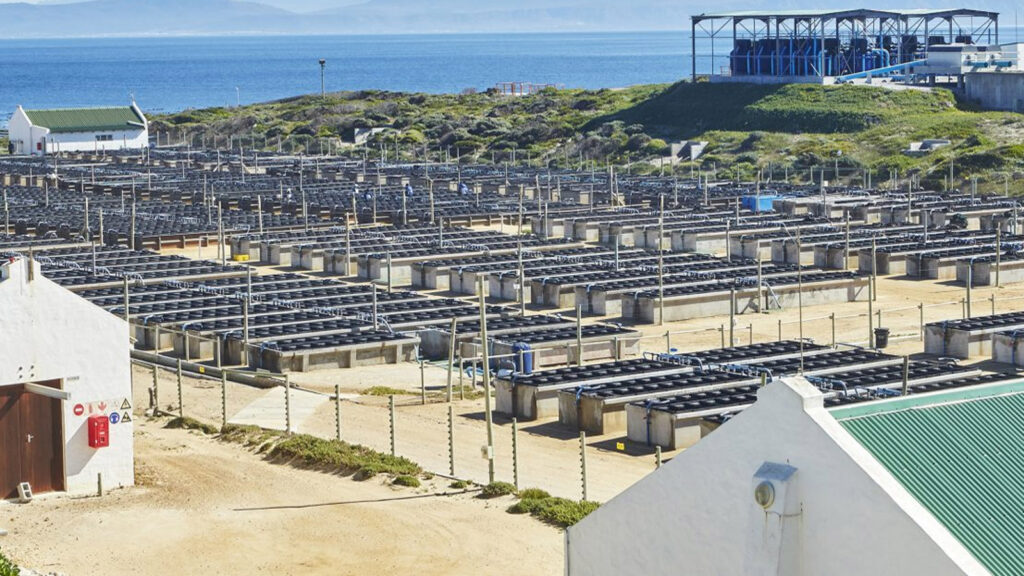
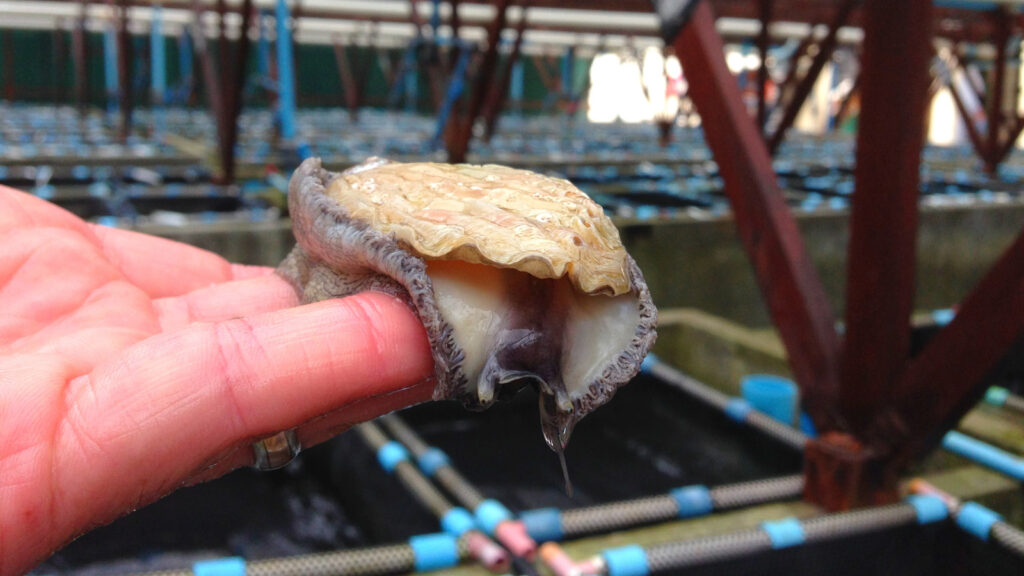
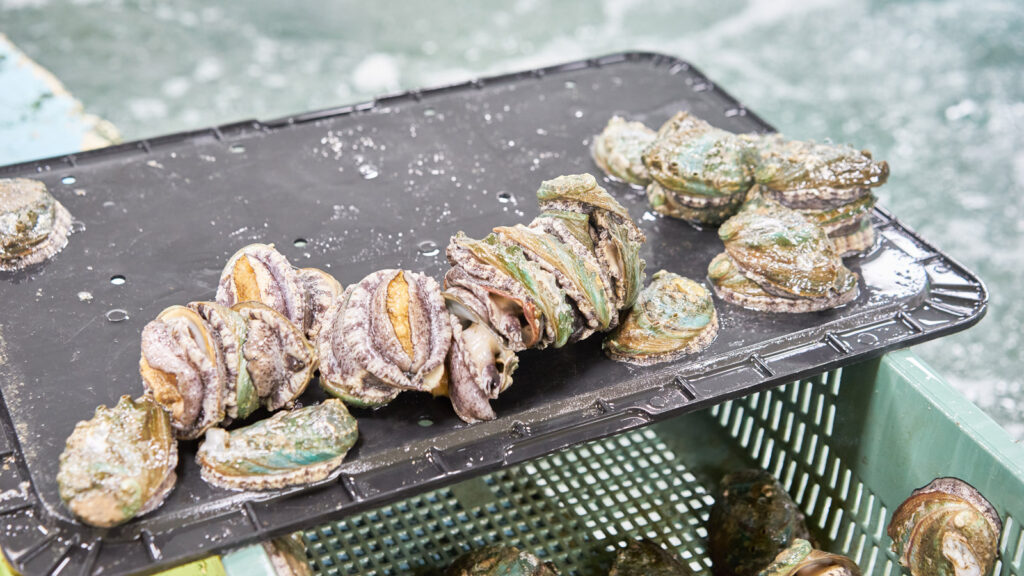
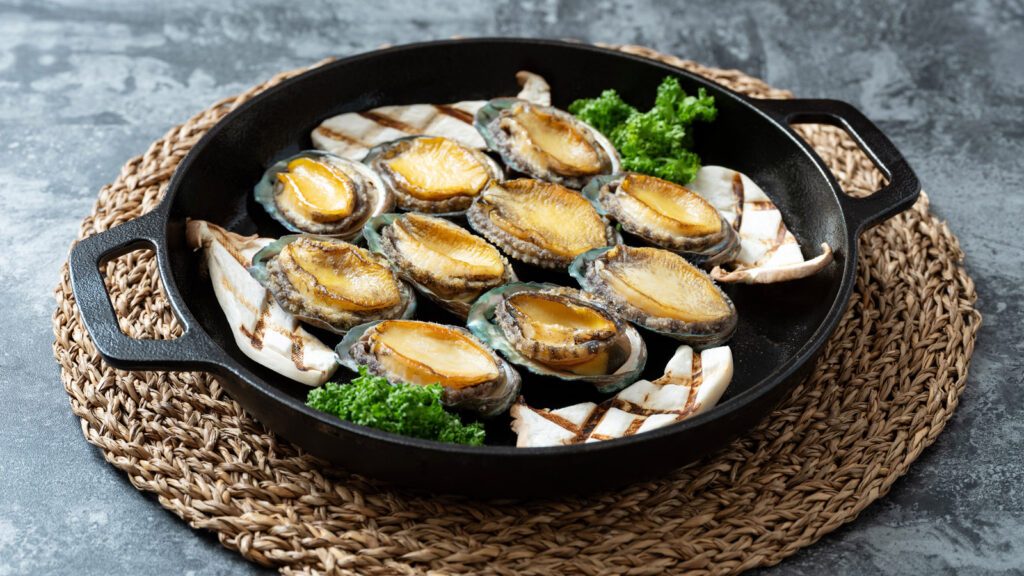
Gansbaai is one of South Africa’s largest abalone producers, a slow-growing mollusc considered a delicacy in many cultures, especially in Asia.
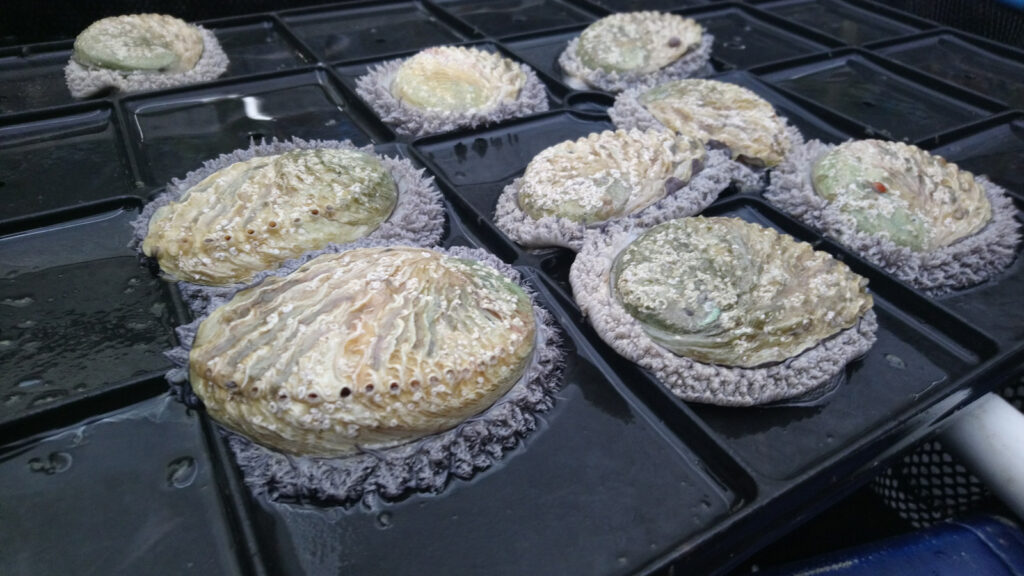
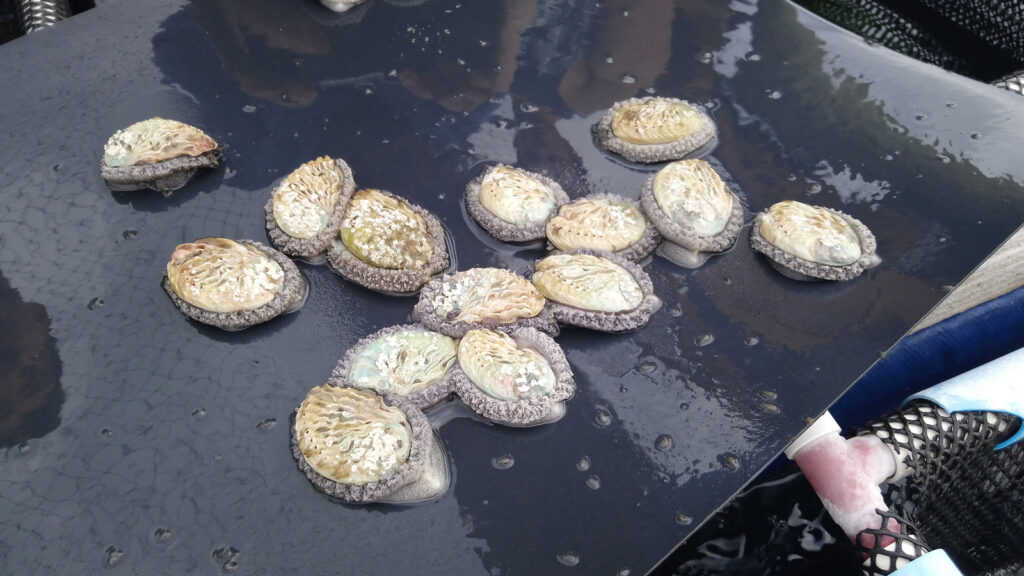
Often known by its colloquial name “white gold”, abalone is also known in Afrikaans as “perlemoen”, meaning “mother-of-pearl”, and scientifically as Haliotis midae.
Though there are several species in South Africa, Cape Abalone (Haliotis midae) is the most common.
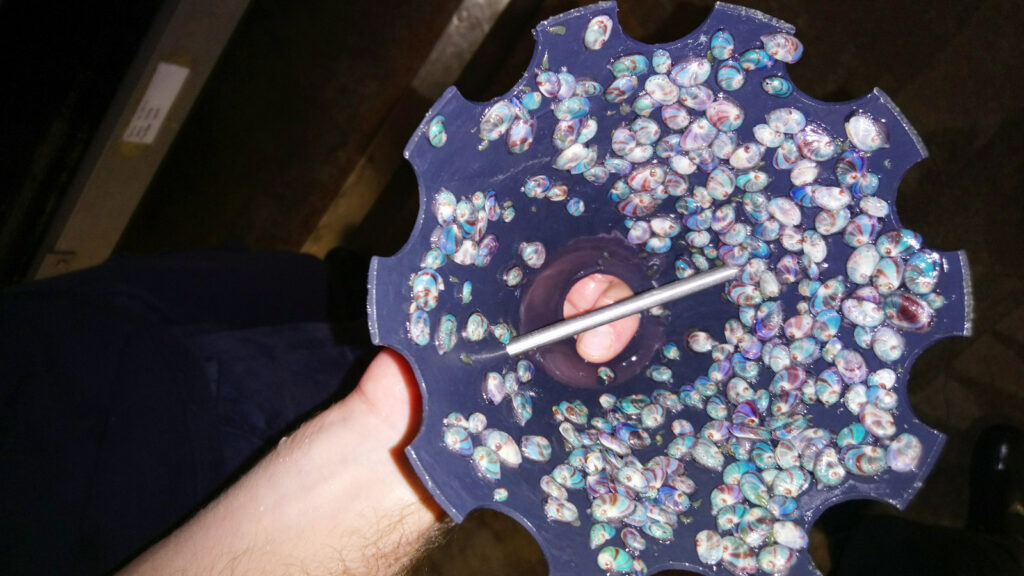
Abalone are slow growers that take three to four years to reach marketable size, and up to 10 years to reach maturity, which is part of the reason they are now a critically threatened species.
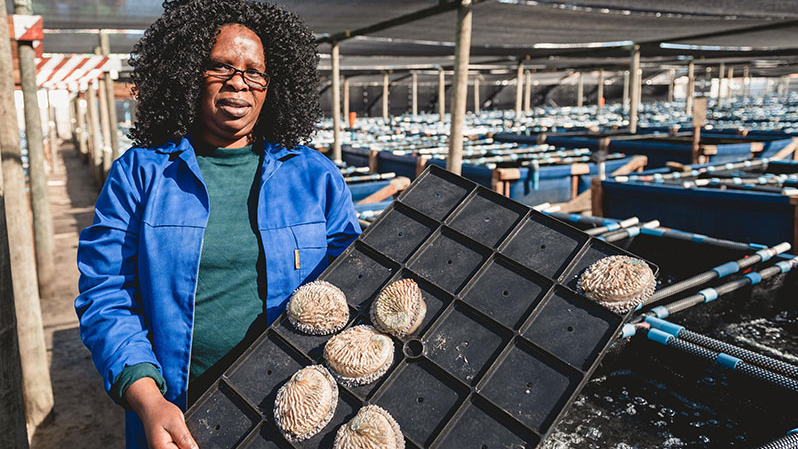
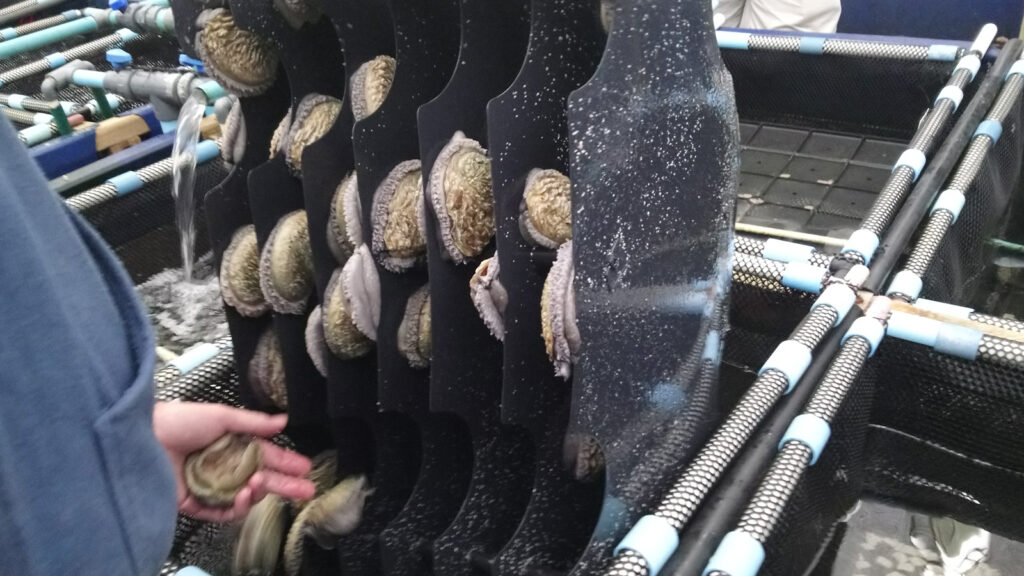
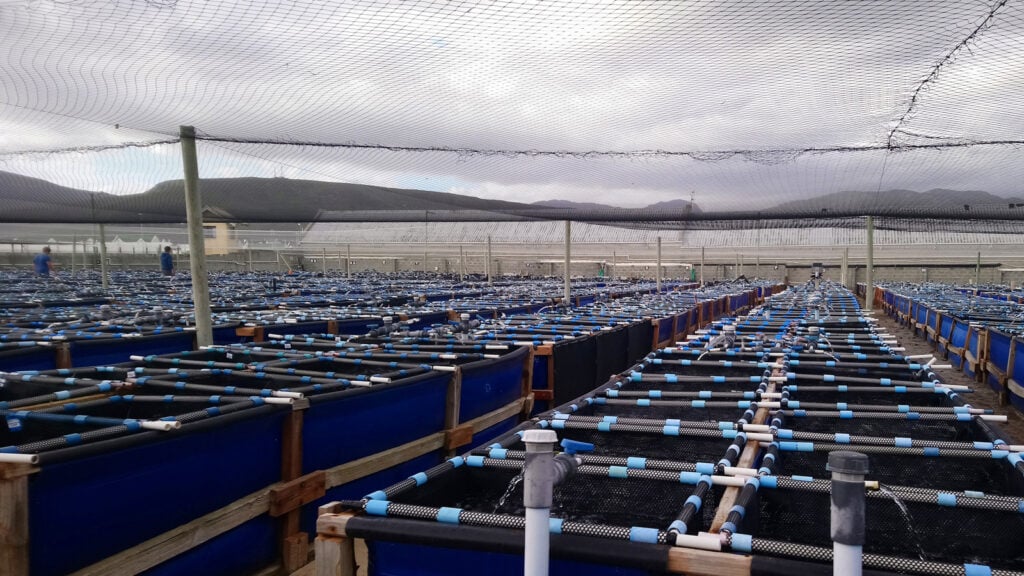
Gansbaai is home to several well-established abalone farms that produce 100s to 1,000s of tonnes of abalone each year, and employ many locals.
Several farms in the area report annual production of around 600 tonnes, one over 400 tonnes, and another reports cultivating 120 tonnes of abalone annually.
Many of these farms are massive operations. For example, I&J established the first abalone farm at Danger Point, in the Gansbaai area, where it has over 1,500 tanks housing over 17 million abalone, according to its website.
It pumps over 7.2 million litres of seawater per hour to maintain this operation, and harvests over 3,500 tonnes of kelp for feed.
South Africa produces around 3,000 tonnes of abalone each year, according to the Department of Trade, Industry and Competition, and the industry employs 2,500 people.
The industry is worth many millions. A 2018 report estimated that more than R10 billion worth of abalone was poached and exported between 2000 and 2016.
GroundUp reported that the industry was earning up to R100 million per year at the start of the century, but illegal fishing has negatively impacted this.
Demand for the delicacy has led to significant poaching efforts and the formation of gangs, with poachers getting paid up to R1,000 per kg of abalone.
This has resulted in violent outbreaks, with an abalone kingpin being shot dead in 2019.
The violence escalated to the point that the South African National Defence Force was deployed to the Overstrand region in 2021 to combat poaching.
Some farms even transport their abalone in bulletproof vehicles, escorted by armed security.
Abalone aquaculture farms
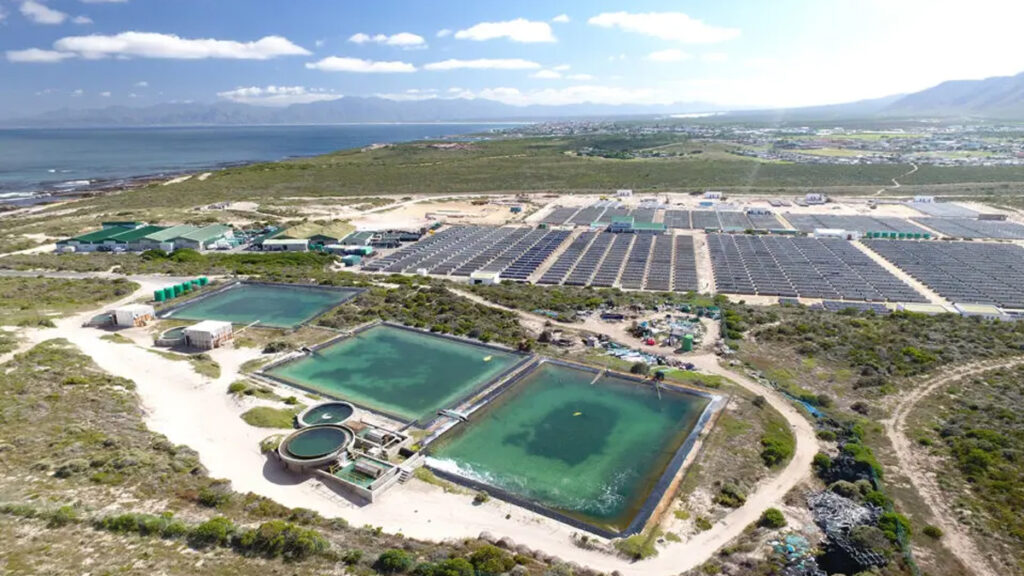
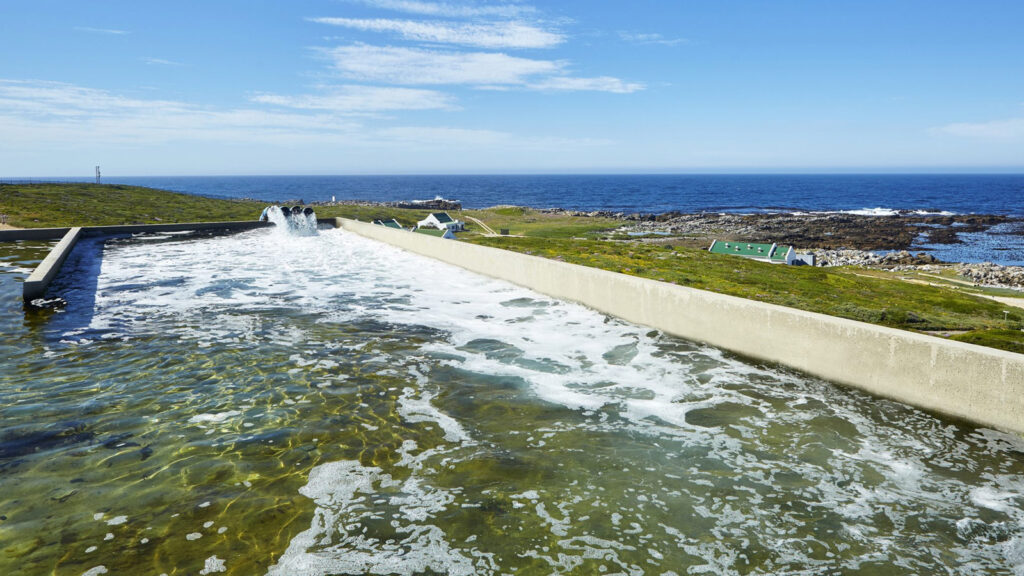
Gansbaai area
 Loading ...



Comments