City of Cape Town under siege


The City of Cape Town has come under fire for a perceived tightening of the city’s municipal debt collection policy.
The city has denied these claims, explaining that it has simply streamlined its existing indigent and debt collection policies.
During a meeting of the Special Finance Portfolio Committee on 16 March 2026, the city announced slight amendments to its credit control and debt collection policy.
Alderman Siva Moodley appeared on CapeTalk to discuss the amendments and shut down the reports of stricter debt collection measures.
“We haven’t changed anything in terms of our credit control and debt policy,” Moodley said. “All we’ve done is to remove the component of indigent benefits and bring it along into a standalone policy.”
This indigent benefit policy allows households with a combined gross income of less than R7,500 per month to qualify for free basic services such as water and electricity.
These households are required to submit an application to qualify for these service write-offs and must reapply every 12 months thereafter.
“We have also brought the informal component into the indigent policy,” Moodley said. “It cannot sit with the credit policy, because we do not build informal settlements for the services we render.”
“We’ve always had a credit policy, and we’ve always had an indigent policy. We haven’t changed anything. We have just brought in a new standalone policy for the indigent.”
“It then goes for public participation, where people can look at it and make the necessary comments on it.”
Finance MMC Siseko Mbandezi said the committee approved the amendments to separate the indigent component from the credit control and debt collection policy.
He explained that this will create a more streamlined and user-friendly approach to indigent support by consolidating the aspects into one policy rather than spreading them across multiple.
“The indigent policy will still be implemented in conjunction with the credit control and debt collection by-law and policy,” Mbandezi said.
Citizens warned to pay their debts
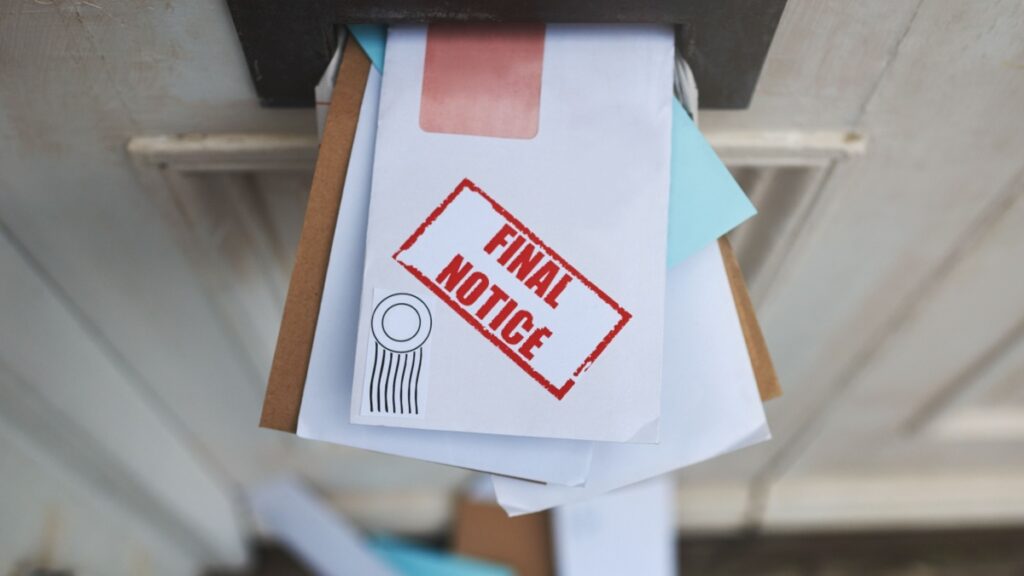
Moodley emphasised that while the debt collection policy had not changed, he urged citizens of Cape Town to ensure their debts do not pile up.
As of 31 January 2026, residents of the City of Cape Town reportedly owed an estimated R5 billion in municipal debts. This is an increase of over R153 million from the month before.
The city has taken legal action against more than 16,000 municipal accounts, claiming a debt collection rate of around 97%.
Moodley advised residents in arrears to visit their nearest council office in order to enter into an acknowledgement of debt arrangement.
“We look at your income, and we will see what is comfortable for you and how we can assist you in terms of repaying the debt,” Moodley said.
“If they have accumulated the debt for a number of years, we will also look at how we can write off the debt.”
Asked how the city allows municipal debts to accumulate over multiple years instead of acting sooner, Moodley said letters are sent to notify citizens who are in arrears.
Citizens who continue to let their debts go unpaid may face more severe measures, such as the city claiming part of their prepaid electricity purchases to cover their debts.
As a last resort, Moodley said the city is also entitled to potentially suspend a citizen’s basic services such as electricity and water.
“We go into this as a last resort if we are not getting any response from our residents and our clients,” Moodley explained.
Moodley denied claims that a citizen’s services are cut off immediately upon missing one month of payment.
He explained that the city will explore all other avenues to encourage residents to come forward and pay off their debts before it considers cutting off services.
“We do get a faster response from someone when we start clawing back on their electricity purchase,” Moodley said.






Comments