Prominent South African industry begging for help


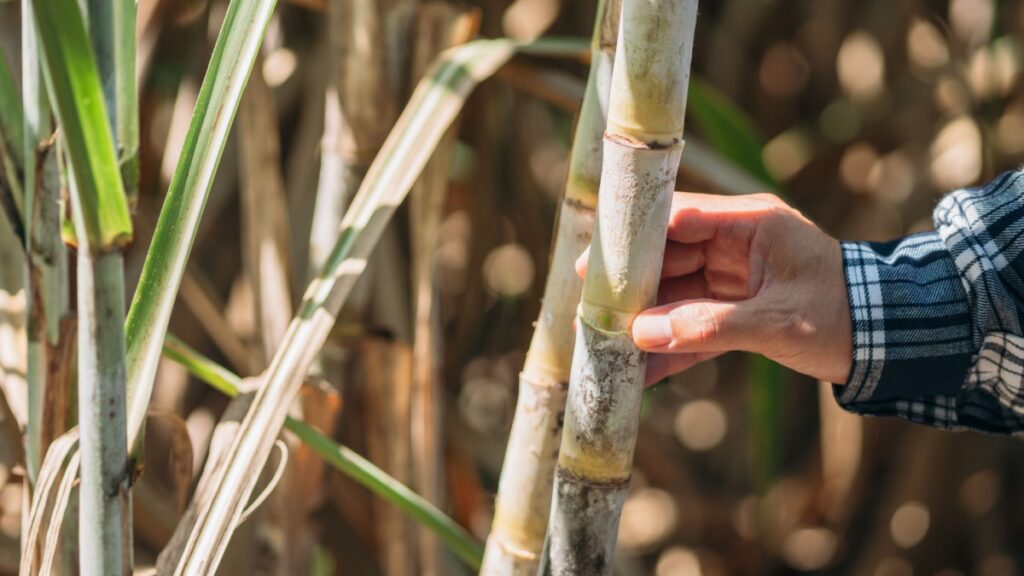
SA Canegrowers has called on President Cyril Ramaphosa to support the local sugar industry, which is under severe pressure from a surge in foreign sugar imports.
The organisation said that, five years after the President committed to supporting the industry, it is facing collapse and requires urgent action to survive.
In a press statement released on Tuesday, 10 February, SA Canegrowers, which represents over 25,000 local growers, urged the President to address the local sugar industry in his upcoming State of the Nation Address (SONA).
The organisation pointed out that, in his 2021 SONA, the President promised to support the local sugar industry through a commitment to local procurement.
In this address, Ramaphosa referred to the Sugar Master Plan, which was signed during the Covid-19 lockdown.
He said the signing of this plan marked a commitment from large users of sugar to procure at least 80% of their sugar needs from local growers.
“Through the implementation of the plan, last year saw a rise in local production and a decline in imported sugar, creating stability for an industry which employs some 85,000 workers,” the President said.
However, SA Canegrowers claimed that, five years later, thousands of sugarcane growers in South Africa need to repeat calls to the President to recommit to this promise, and to provide an update on how much local sugar has been procured.
“The industry requires all the support possible, given that it faces collapse due to a combination of unprecedented threats,” the organisation said.
“Since the president’s commitment in 2021, the situation has only worsened for sugarcane growers.”
SA Canegrowers specifically pointed to the impact of imported sugar from countries with unfair trade practices, which is displacing locally grown sugar at unprecedented levels.
The organisation’s analysis of South African Revenue Service data shows that 163,379 tons of imported sugar entered South African borders between April and December 2025.
“For the same period in 2024, the tonnage was at half of this, and even then, it was multiple times higher than in other recent years,” it said.
“Concerningly, in December alone, 20,000 tons entered South Africa from Brazil, India and Thailand due to South Africa’s weak import protections – equal to the full year of imports only a few years ago.”
SA Canegrowers said this surge of imported sugar displaces locally grown and refined sugar from retail shelves and food and beverage manufacturers, with local growers now earning less for their sugar.
Protecting the sugar industry

SA Canegrowers said this situation can be improved by honouring the President’s commitment to local procurement of sugar.
This, the organisation said, would send a “powerful signal” that the government remains serious about supporting South African jobs and rural development.
“Local procurement commitments exist precisely to prevent this outcome,” it said.
“They are intended to ensure that domestic industries are not undermined by unfair trade practices or policy misalignment, particularly where those industries deliver clear public value in the form of employment, food security, and rural development.”
The organisation pointed out that the sugarcane industry is one of the few sectors where small-scale and large-scale growers are equally recognised as commercial producers.
They operate within a regulated and integrated value chain where industry agreements ensure equitable payments for small-scale and large-scale growers and millers.
“The sector is a proven model for inclusive agricultural development,” SA Canegrowers said.
“The sugar industry stands ready to work with the government to address legitimate public health concerns, improve competitiveness, and secure the long-term sustainability of the sector.”
“But this requires a policy environment that is coherent, fair, and true to the commitments already made, including those by President Ramaphosa.”
“We therefore urge the President to ensure his commitment to local procurement is not only reaffirmed, but meaningfully implemented, before irreversible damage is done to this vital rural industry.”
SA Canegrowers also pointed to other factors weighing on the industry, including the sugar tax, which it claims has led to over 16,000 job losses in South Africa.




Comments