The tiny South African suburb that was once the richest in the world


The small suburb of Killarney was once the richest in the world, boasting a higher income per capita than Monaco in the 1970s.
This was driven by a booming gold price throughout the 1960s, which was coupled with increased production from the Witwatersrand.
Johannesburg reaped the rewards, becoming the richest city in Africa and one of the wealthiest in the world.
Killarney became particularly wealthy, with the suburb proving immensely popular for the city’s richest to live close to the historic CBD and mines while still having large, palatial homes.
As Johannesburg and Killarney’s fortunes rose with the price of gold and production, they have also fallen as the country’s stock of the precious metal was effectively mined out.
The suburb has also suffered the same fate as many in Johannesburg, with it not proving immune to municipal mismanagement that has resulted in stagnant home prices and increased semigration to the Cape.
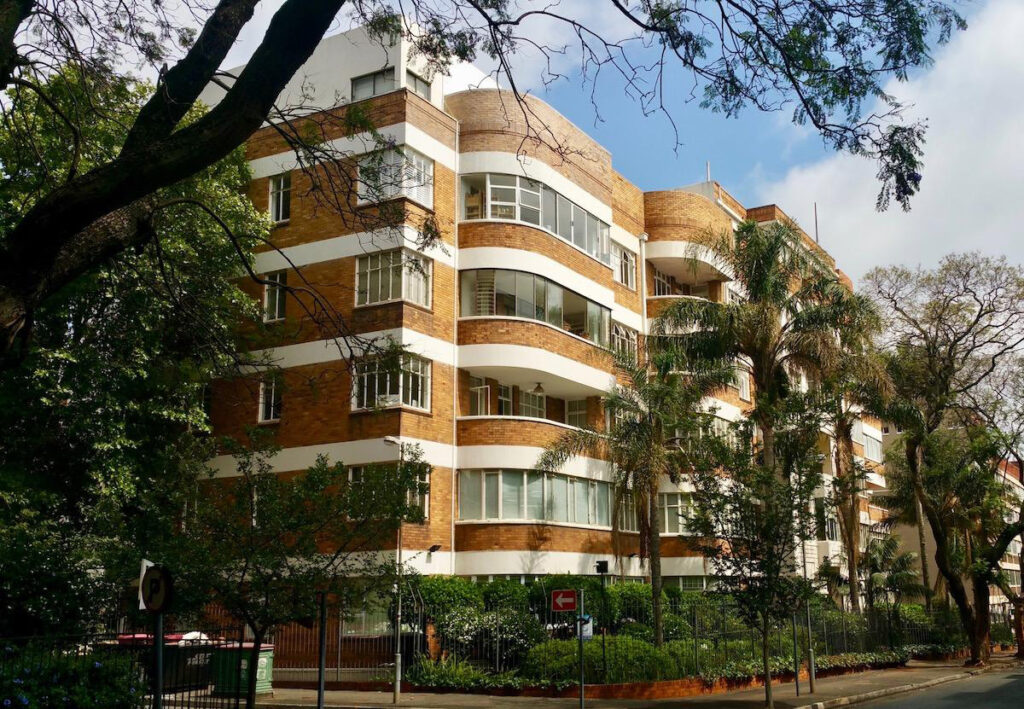
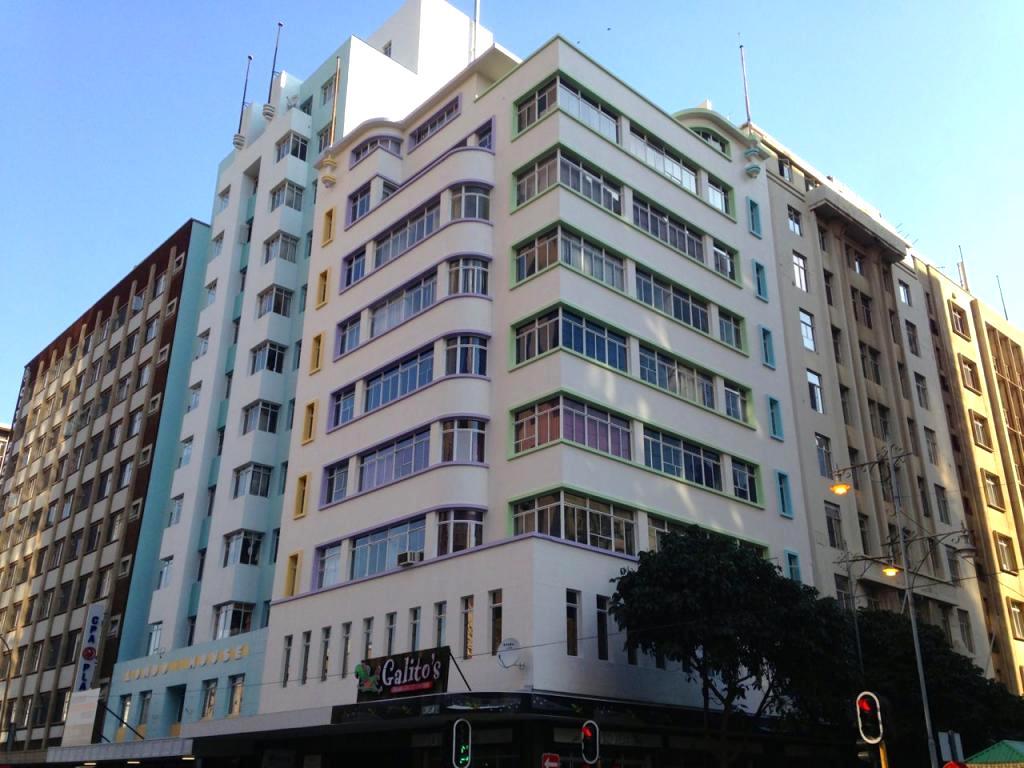
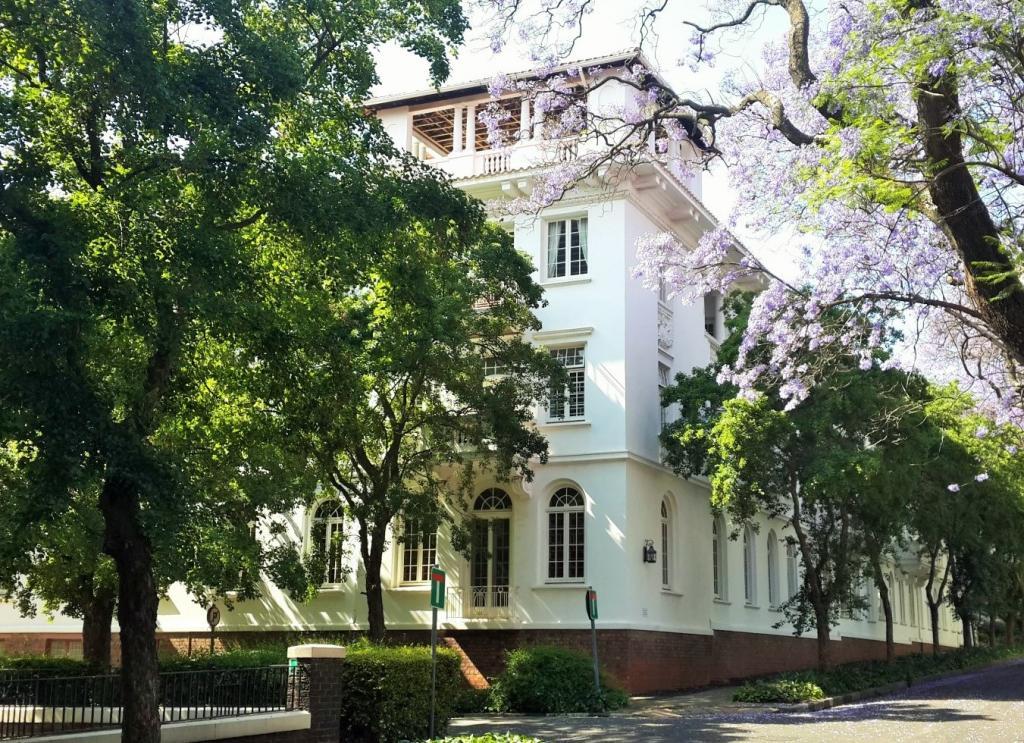
However, it retains elements that reveal its once world-beating wealth, including numerous Art Deco-style buildings, luxurious homes, and leafy parks.
Standard Bank’s Corporate and Investment Banking division detailed the rise of Johannesburg on the world stage in its recent guide to the city. It also outlined how Killarney became the richest suburb i the world.
The history of Johannesburg is very much tied to the history of gold mining, with the first evidence of the precious metal being found on the Langlaagte farm in 1886.
This discovery resulted in the shanty town of Ferreira’s Camp booming into a major town, and by 1928, Johannesburg had attained city status. To this day, no one is completely sure who it was named after.
The Witwatersrand’s gold reserves ensured that South Africa produced more gold over the next century than any other country, and since 1886, it has provided a third of all gold ever produced.
With this gold came immense wealth, and in the 1970s, the suburb of Killarney boasted the highest per-capita income in the world, higher than even Monaco at the time.
While the gold rush created immense wealth, it also built a city that is home to the most dollar millionaires on the continent and Africa’s richest square mile in Sandton.
The gold-mining industry paved the way for innumerable avenues of business, creating billionaires, millionaires, sustainable lives for millions, and ultimately some of the biggest and most successful businesses on the continent.
Killarney’s rise
Killarney is a relatively small suburb north-west of the Johannesburg CBD, surrounded by Houghton, Parktown, and Riviera.
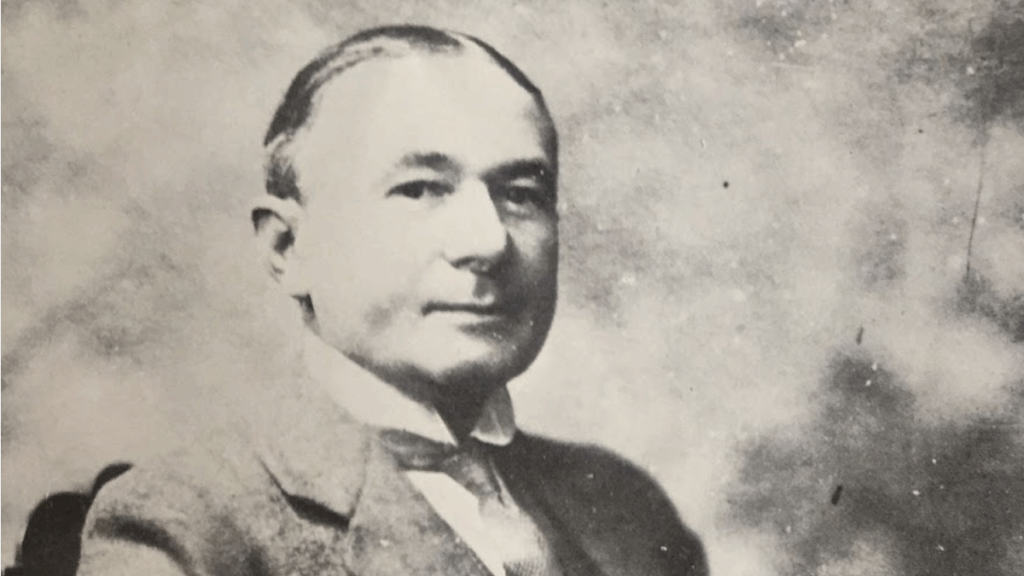
As with many of Johannesburg’s oldest suburbs, Killarney was originally owned by a single individual who came to the country to benefit from the discovery of gold.
American IW Schlesinger moved to Johannesburg in 1894 against his family’s wishes to make money from the gold rush on the Witwatersrand.
Schlesinger made money from selling insurance policies throughout South Africa and German South West Africa on behalf of the American Equitable Insurance Company.
The Second Boer War disrupted his profitable venture, with Schlesinger returning to America to plot his next move. After the war’s end, he launched a property development company, the African Realty Trust.
This company developed several new neighbourhoods across the country, including Mount Pleasant in Port Elizabeth, and several in Johannesburg.
Among these was Killarney, where Schlesinger benefited from the ability of salary-earners to mortgage their homes – a first in South Africa.
Schlesinger’s company also developed Orange Grove, Houghton, and Parkmore, which remain among the most opulent areas of Johannesburg.
Killarney, positioned close to the Johannesburg CBD and gold mines, boomed. It became known for its Jewish population, having historically made up over half its residents.
Schlesinger’s American tastes heavily influenced the suburb, with examples of Art Deco architecture punctuating the stately homes.
It also became known as the Hollywood of Johannesburg, due to it having some of the first film studios in South Africa. It was also the location for the first shopping mall in South Africa.
Schlesinger’s immense success in South Africa led to him being referred to as “The Uncrowned King of Africa”, with his company owning large tracts of land.
He originally planned for many of the suburbs to be dominated by parks, with only a few buildings. However, even Schlesinger could not predict the rapid growth of Johannesburg.
In its adverts, African Realty Trust used to describe Killarney as “a garden, an orchard, a vineyard, an orangery, a shrubbery, a pinery, a paradise, a picnic spot, a health resort, a township and a home”.
Many Jews settled in Killarney for life, working in Johannesburg and reaping the rewards of a boom in gold prices and production.
The suburb remains relatively well-to-do, but its character has changed as more multi-storey apartment blocks were built in the 1970s and 80s.
As its population aged and Johannesburg’s wealthy moved further north to Sandton, Rosebank, and Bryanston, the suburb has become more associated with young professionals. In a way, Killarney has gone full circle.
Killarney remains popular for suburban living, with its location still a major drawcard. It is close to many of Johannesburg’s historic schools, such as St John’s College, Roedean, King Edward VII School, and St Mary’s Waverley.
However, as with the rest of Johannesburg, the suburb has lost some of its shine due to municipal mismanagement and capital moving further north.
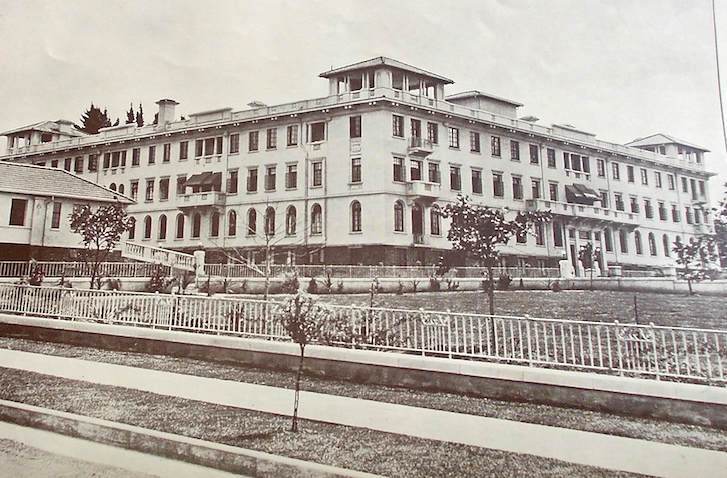
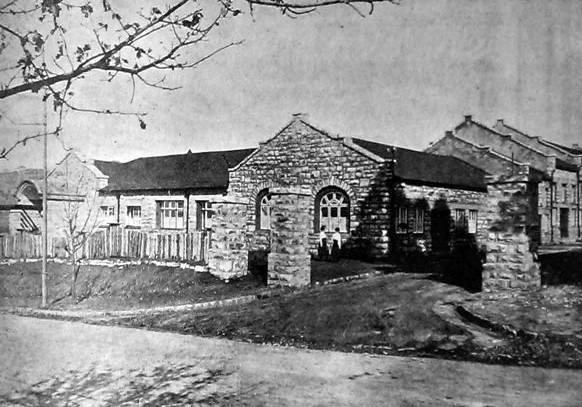
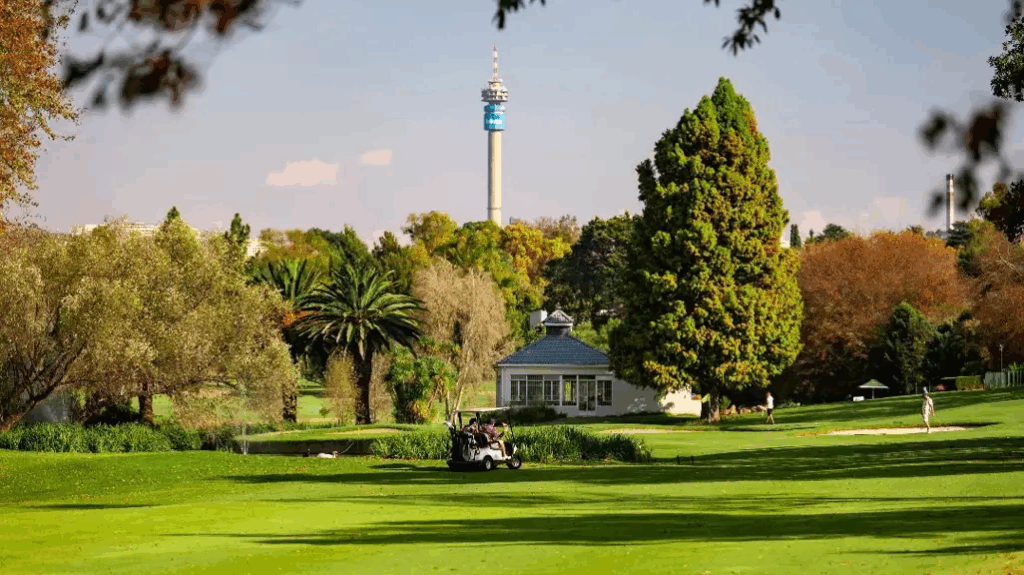
Images of Killarney through the years

Comments