Pick n Pay has more work to do


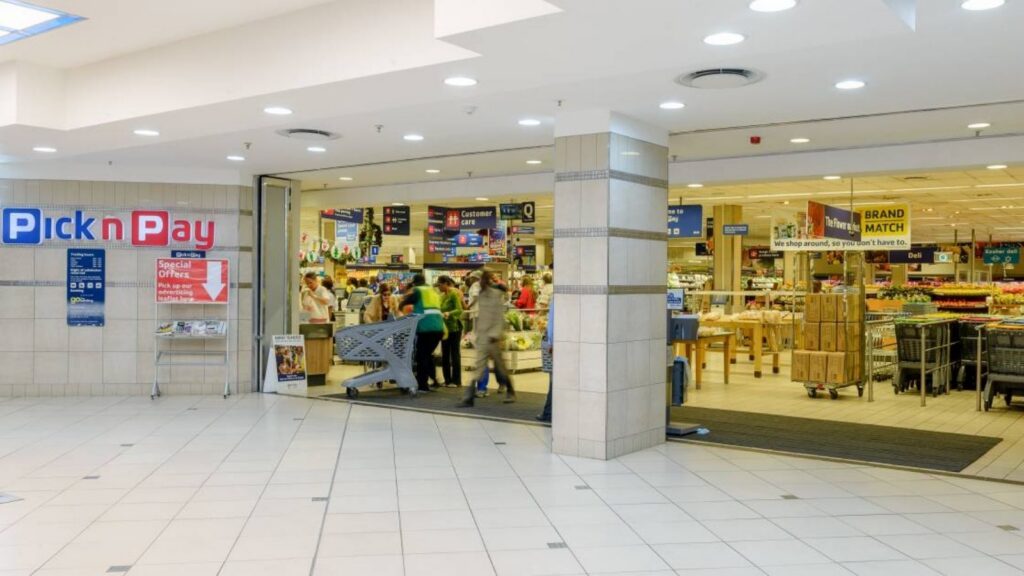
Pick n Pay expects slow to flat growth in its core supermarkets division, as much remains to be done before the retail giant can achieve a successful turnaround.
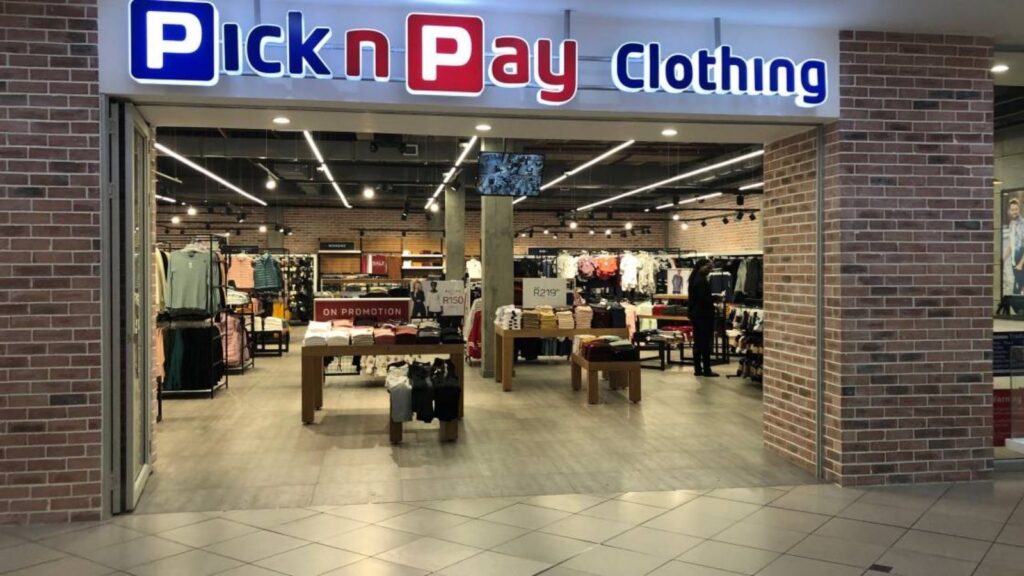
A big drag on Pick n Pay’s results in the 20 weeks ended 19 July 2026 was its Clothing division, which saw its like-for-like sales decline by 1.3%.
This was revealed in a trading update Pick n Pay released on Thursday, 6 August, which showed lacklustre sales growth in the retailer’s core segment.
At a group level, including both Boxer and Pick n Pay, the company’s turnover grew 2.7% in the 20-week period, or 2.5% on a like-for-like basis.
This was largely due to a stronger performance from Boxer, which grew its turnover by 7.2%, though its like-for-like growth was more subdued at 2.2%.
The Pick n Pay business grew like-for-like sales by 2.6%, and its turnover was flat year-on-year.
In South Africa, Pick n Pay’s like-for-like sales grew by a more muted 1.9%, with a 0.4% decline in turnover.
The retailer attributed this decline to the recent completion of its store estate reset plan, which forms part of its turnaround strategy. The plan has seen Pick n Pay close and convert hundreds of loss-making stores.
One standout in Pick n Pay’s performance over the 20-week period was its online division, which grew turnover by 37.5%, driven by Pick n Pay asap! delivery service.
This strong growth was offset by a lacklustre performance from Pick n Pay’s Clothing division, which saw turnover grow 3.3%, but decline 1.3% on a like-for-like basis.
Notably, this is an improvement from the second half of Pick n Pay’s 2026 financial year, when the Clothing segment reported a 5.6% decline in like-for-like sales.
Pick n Pay’s weaker like-for-like sales across its divisions are a concern for the retailer, as like-for-like growth is its key target indicator within the South Africa Supermarkets division.
Section 189 process update
“Market conditions remain highly constrained, with soft economic growth, elevated fuel prices and continued subdued food price inflation all impacting turnover growth,” Pick n Pay said.
Despite these conditions, Pick n Pay noted that Boxer gained market share and that its Clothing business is regaining momentum.
Pick n Pay said its South African Supermarkets segment is also showing an improved like-for-like performance compared to the second half of 2026.
“Despite this improvement, much remains to be done. The Pick n Pay segment requires the achievement of the full range of its turnaround initiatives,” it said.
One of the most critical steps in Pick n Pay’s turnaround is the successful conclusion of the Section 189A process that was initiated in May 2026.
Pick n Pay instituted this process to meet its break-even profit objective within the targeted timeframe, which is currently the 2029 financial year.
Pick n Pay’s Section 189 process has been met with strong opposition from the South African Commercial, Catering and Allied Workers Union (SACCAWU).
Labour Minister Nomakhosazana Meth became involved in June to help the parties reach an agreement.
Meth’s intervention saw Pick n Pay halt the process that could have impacted 22,000 of its workers.
In its trading update, Pick n Pay said SACCAWU has made an application to the Labour Court and has referred a dispute to the CCMA.
“These matters are pending. Pick n Pay remains fully committed to engaging in good faith and in accordance with all applicable legal requirements,” the retailer said.
Pick n Pay is looking to make changes to its terms and conditions as a way to avoid mass retrenchments.
This includes ensuring that its store-based labour practices, organisational structures, and terms and conditions of employment remain sustainable and competitive.
 Loading ...





Comments