BEE nearly stopped the sale of Burger King South Africa


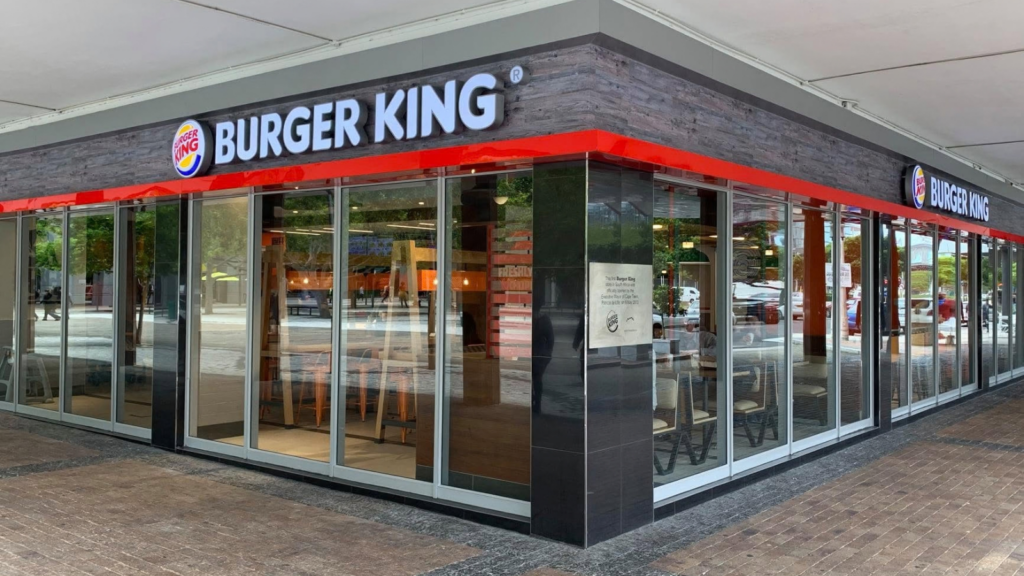
The takeover of Burger King South Africa was nearly derailed by B-BBEE and ownership concerns.
This shows just how risky mergers and acquisitions can be for companies in South Africa.
This is according to DBM Attorneys, which said the Competition Tribunal’s decision in ECP Africa Fund IV LLC and Others v Competition Commission of South Africa shows how B-BBEE can shape a major merger.
The case involved ECP Africa Fund IV LLC and ECP Africa Fund IV A LLC, which sought to acquire 95.78% of Burger King South Africa and 100% of Grand Foods Meat Plant from JSE-listed Grand Parade Investments (GPI).
The decision shows that B-BBEE cannot always be treated as a compliance issue on the sidelines of an M&A transaction.
Where a deal changes a company’s ownership structure, empowerment considerations can become part of the approval process and can affect whether the transaction proceeds.
At the time of the proposed transaction, GPI had 68.56% historically disadvantaged person (HDP) ownership, including 22.87% held by black women.
However, the ECP Africa Funds had no HDP or worker ownership.
This means the proposed acquisition would have removed GPI’s ownership interest in Burger King and Grand Foods Meat Plant.
From a competition perspective, the transaction did not present a major concern, since there was no horizontal overlap between the businesses.
The ECP Africa Funds operated in financial services, while Burger King and Grand Foods operated in the quick-service restaurant sector.
The Competition Commission also found that Burger King had a relatively small market share and that the merger was unlikely to substantially prevent or lessen competition.
However, this was not the end of the assessment. The Commission identified public-interest concerns regarding employment and the promotion of broader ownership.
The Department of Trade, Industry and Competition also raised concerns that Burger King’s B-BBEE position would be affected by the loss of GPI’s shareholding.
Organised labour also sought clarity on worker-ownership arrangements at the Grand Foods Meat Plant.
Reaching an agreement
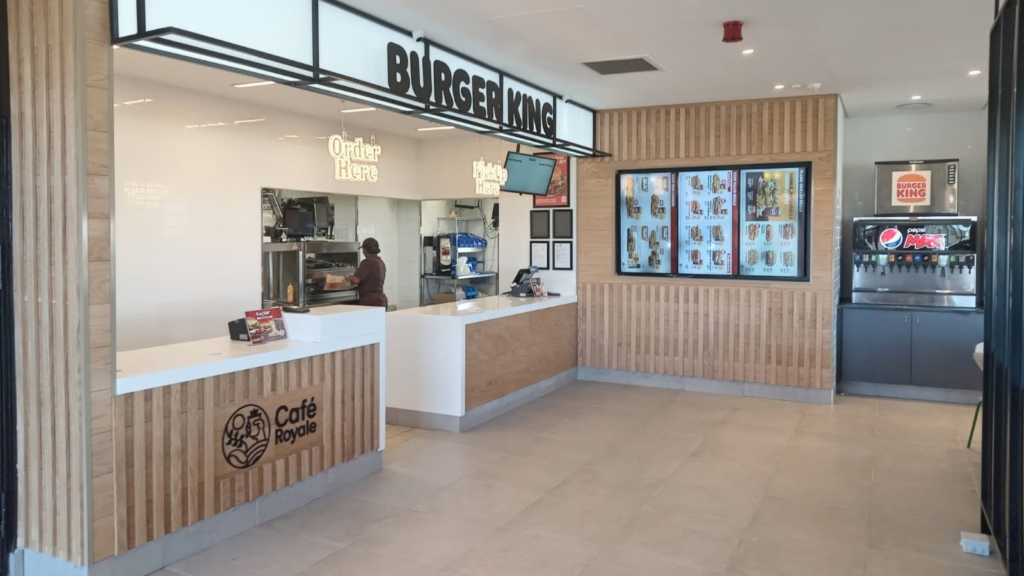
The parties initially offered several commitments to address the public-interest concerns, DBM Attorneys explained.
These included R500 million in capital expenditure, the expansion of Burger King’s store network, and the creation of 1,250 jobs for historically disadvantaged individuals.
The commission did not consider these commitments sufficient to address the ownership concerns created by the transaction.
As a result, the merger was prohibited, despite the commission’s finding that the transaction was unlikely to lessen competition.
DBM Attorneys said this shows the importance of considering public-interest issues separately from traditional competition concerns.
A transaction can pass the competition test but still face problems because of its impact on ownership, employment, or other public-interest considerations.
Following this decision, the merging parties took the matter to the Competition Tribunal for reconsideration and proposed revised conditions.
These conditions focused more on ownership and participation. Burger King agreed to implement the Enterprise and Supplier Development element of its B-BBEE scorecard.
The parties also proposed an Employee Share Ownership Programme, which would give employees an effective 5% interest in Burger King.
Another condition involved the disposal of the Grand Foods Meat Plant to one or more HDP purchasers. The proposed disposal raised concerns from the union representing employees at the meat plant.
There were questions about what the sale would mean for existing supply arrangements and employee security.
The parties responded by undertaking, subject to Burger King’s Global Standards, to maintain a supply agreement under which Burger King would continue buying products from the meat plant.
The Tribunal approved the merger subject to the revised conditions and further refinements made during the reconsideration process.
What South African companies need to know
According to DBM Attorneys, the Burger King case offers several lessons for companies and advisers involved in mergers and acquisitions.
The first is that businesses need to assess how a transaction will change the target company’s ownership profile.
Looking only at a company’s existing B-BBEE status is not enough. Advisers also need to consider what the ownership structure will look like after the deal is completed.
The second lesson is that public-interest issues should be identified early in the mergers and acquisitions process.
The Burger King transaction required engagement with the Competition Commission, the Department of Trade, Industry and Competition and organised labour. These issues became part of the conditions attached to the transaction.
The case also shows that remedies need to address the specific concern raised by regulators, DBM said.
The initial commitments around capital expenditure, store expansion and job creation did not resolve the ownership issue identified by the Commission.
The revised conditions did more to address that concern by introducing employee ownership and placing Grand Foods Meat Plant in the hands of HDP purchasers.




Comments