Woolworths treading water as high petrol and diesel prices, inflation, and interest rates bite


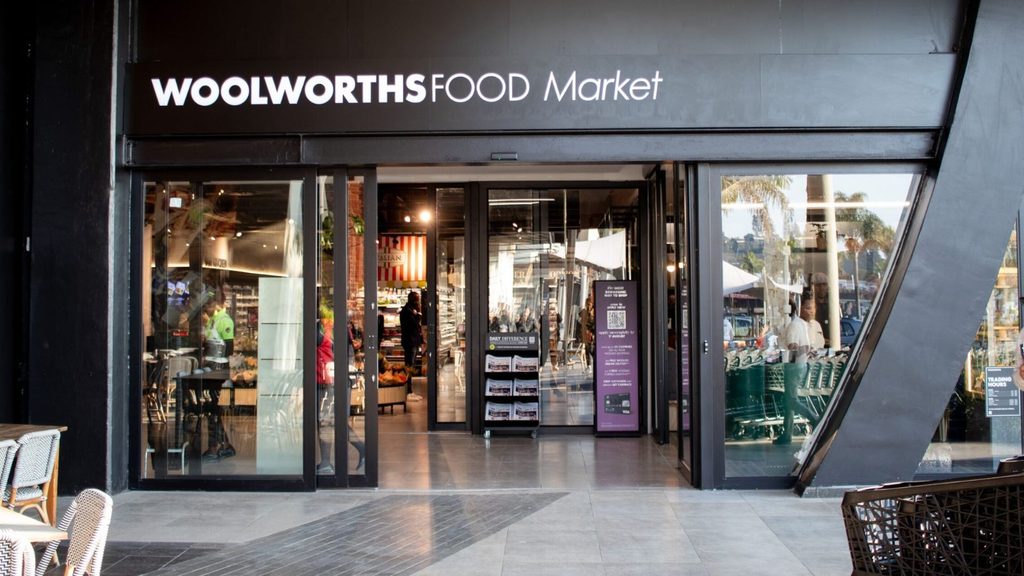
Woolworths has seen a slow start to its 2027 financial year, with sub-1% growth across the group and its crown jewel, Food, lagging.
The group attributed this subdued growth to challenging trading environments in South Africa and Australia, characterised by high fuel prices, inflation, and interest rates.
These factors, the retailer said, constrained consumer demand and discretionary spending, with shoppers prioritising promotional offerings and essential purchases.
On Wednesday, 11 November, Woolworths outlined its turnover and concession sales growth for the 19 weeks ended 8 November 2026.
This period denotes the start of Woolworths’ 2027 financial year, which is off to a slow start. At a group level, turnover and concession sales grew by 0.2% and 0.1%, respectively.
Woolworths’ South African division, which includes its crown jewel Food business, saw turnover growth of 1.6%.
The Food business slightly outpaced the group, growing turnover by 1.9% and concession sales by 0.1%.
One standout performer in this segment was Woolworths’ online division, which saw sales growth of 24.1%, contributing 9.1% to South Africa Food sales.
Woolworths hopes that its acquisition of in2food, completed on 5 November 2026, will support stronger growth in the Food segment.
The retailer said owning 100% of in2food, one of its key suppliers, will improve its gross profit margin and offset the dilution from higher fuel prices and online growth.
In South Africa, Woolworths’ Fashion, Beauty, and Home segment (FBH) saw store turnover and concession sales declined marginally by 0.3% on a like-for-like basis.
This was largely due to underperformance in the Fashion division, which experienced deflation of 0.3%.
In contrast, the Homeware division grew sales by 6.4%. Woolworths identified this division as a key growth priority.
Beauty also delivered positive growth, with sales up 3.1%, despite increased competition in this category.
FBH online sales also showed strong growth, up 16.1% and contributing 7.0% to South African sales.
“Our ongoing focus to optimise space productivity and efficiency resulted in net trading space decreasing by 0.7% relative to the prior period,” Woolworths explained.
This reduced the retailer’s overall inventory level relative to last year, explaining the subdued sales in some segments.
In Australia, Woolworths’ Country Road Group (CRG) felt the impact of rising interest rates and the higher cost of living.
The retailer said these factors negatively impacted consumer sentiment, footfall, and spending, with significant discounting observed across the Australian retail sector.
CRG saw its sales decline by 9.5%, or 8.2% on a like-for-like basis. The group said all its brands in this segment were under pressure in the 19-week period.
“The group remained focused on disciplined trading and driving profitable sales, with improved inventory levels and reduced markdowns supporting improved margin,” it said.
“The group also continued to optimise its retail portfolio across locations, channels and formats, with net trading space decreasing by 2.2% relative to the prior period.”
Woolworths said it would release another trading update in mid-January 2027, which should show the impact of higher festive season sales.
Login or register for unlimited free access.