South Africans flocking to four popular suburbs


South African homebuyers are increasingly prioritising “future-proof” suburbs, like Durbanville, Ballito, Waterkloof, and Parow North, to ensure long-term stability, value, and lifestyle potential.
According to Just Property CEO Paul Stevens, buyers in all price ranges are becoming more focused on where they want to live. Along with the usual questions, they are asking about the future of the neighbourhood.
Rising municipal costs, changing work patterns, and the cost of living are behind buyer demand for more than a home.
“They want a suburb that can hold its value, support their lifestyle, and adapt to whatever comes next,” Stevens said.
“People want stability. And they want to know that the place they choose today won’t become a liability tomorrow.”
A future‑proof suburb, he explained, is one that can absorb economic, environmental, and social change while raising its value and its appeal.
Surprisingly, future‑proofing isn’t only found in high‑end enclaves. “It’s a set of qualities that can exist in suburbs across the country, at different price points.”
“Durbanville, Ballito, and Parow North may look nothing alike on the surface, but they share the same underlying strengths.”
According to Stevens, there are four key characteristics of future-proof suburbs. The first is having infrastructure that works.
Reliable water, electricity, fibre, and road networks are the strongest predictors of long‑term stability in a particular area.
“When basic services work consistently, the core elements of daily life – business, schooling, safety – become a lot less stressful.”
Another key characteristic is access. Future‑proof suburbs are conveniently located near employment nodes, transport corridors, schools, and healthcare. “Less time commuting translates to more time for personal enjoyment.”
Community resilience is also a key indicator. Active residents’ associations, neighbourhood watches, and precinct management groups often step in where municipalities fall short.
“These structures not only create stability from the ground up; they also invite newcomers to become part of the community, to belong.”
The final indicator that a suburb is future-proof, Stevens explained, is the presence of ongoing development.
“When developers invest in an area – think new sectional title units, expansion of mixed‑use nodes, retail upgrades – it signals confidence.”
“And confidence attracts more confidence. New development tells you that private capital sees a future there.”
Future-proof suburbs
According to Stevens, several suburbs across South Africa are already showing strong future‑proof qualities. He noted that Durbanville is one of Cape Town’s most future-proof areas.
“When you add its good schools, reliable municipal services, low environmental risk, new lifestyle centres and medical facilities together, you get a suburb that’s moving with the times.”
“In rands and cents, this translates to a very healthy average freehold price of around R3.2 million and R1.65 million for sectional title.”
Ballito’s private‑sector ecosystem has also created a rare level of resilience in South Africa, Stevens added.
“Just north of Ballito, the once almost unknown village of Tinley is turning into an ambitious mixed‑use coastal destination.”
“That’s in large part due to the R2.2 billion Club Med resort, which is expected to draw thousands of local and international visitors once it’s complete. But that’s not its only drawcard.”
He added that there are also plans for new residential, retail, and lifestyle components, which, when built, will firmly cement the entire North Coast as a long-term economic engine. This kind of investment changes the trajectory of a region.
“When a global brand like Club Med commits at this scale, it signals confidence in the area’s future, and that confidence filters into residential demand, job creation, and infrastructure upgrades.”
While Ballito has long been a destination of choice, that does not mean the area has merely been resting on its laurels.
“Rather than resting solely on its upmarket residential offerings, it’s also providing residents and visitors with a fibre-rich infrastructure, strong commercial anchors, and easy access to business hubs, freeways, and the airport.”
“And it functions well. Supporting evidence is visible in its real estate prices, where the average sectional title sells for around R2.3 million, and homes in luxury estates for much more.”
Finally, Stevens highlighted the Brooklyn and Waterkloof areas, which are located in Pretoria East, as being future-proof.
These suburbs, with their traditional diplomatic presence, well-established schools, and mature infrastructure, are enjoying steady densification through modern sectional title developments.
As a result, Stevens said, they’re becoming more accessible to younger buyers and those seeking a more trendy, easier lifestyle.
Average sectional title prices hover around R1.4 million, while freehold homes vary widely by location and condition. “These suburbs show us what long-term resilience looks like, because they have all the fundamentals right.”
Emerging future-proof suburbs

Stevens stressed that future‑proofing is not only something South Africa’s wealthy buyers should be thinking about.
“There are suburbs throughout South Africa that are showing strong signs of forward momentum as a result of new development, location, and community involvement.”
Cape Town’s Parow North and Parow Valley suburbs are being revitalised by new townhouse and apartment developments, upgrades along Voortrekker Road, and strong fibre rollout.
“And its proximity to Century City and Bellville’s commercial nodes adds appeal.” The average price for a sectional title unit is around R950,000.
As a result, it’s becoming an accessible and desirable market in the Northern Suburbs for budget-conscious buyers.
Lorraine, in Gqeberha, is a well-established suburb known for its space and greenery. It has experienced significant growth in the retail, medical, and residential sectors in recent years, says Stevens.
“While it’s moving with the times in terms of expansion, it remains competitively priced with sectional title units averaging around R850,000, and freehold homes around R1.6 million. For families looking for value and lifestyle, it’s a standout.”
Stevens added that townhouse developments, active community groups, and proximity to the “creative belt” of Melville, Greenside, and Parkhurst are likely to push these older garden suburbs into the future.
With the average price for a sectional title at about R1.1 million and R2.2 million for a freehold house, Stevens said their brick-and-mortar value is being enhanced by long-term potential.
“These emerging suburbs show that future‑proofing is not about price. It’s about momentum. It’s about the direction an area is moving in.”
Stevens advised that buyers – especially first‑timers – use a simple checklist when evaluating a neighbourhood. They should look for areas:
- That have new developments nearby, as even small townhouse complexes signal confidence.
- Where fibre is widely available.
- With active residents. Look for neighbourhood watch groups, WhatsApp communities, and local initiatives.
- With nearby schools, clinics, and shops.
- That show slow, steady price growth.
- That are attracting a diverse mix of buyers.
“Buyers often focus on the house,” Stevens said. “But the neighbourhood is the real investment today. A great home in a declining area will always struggle. A modest home in a rising area will carry you forward.”
South Africans are becoming more analytical, more intentional, and more attuned to the long-term implications of where they live.
“Future‑proofing isn’t actually about predicting the future. Rather, it’s about choosing places with the capacity to adapt. Places with momentum, community, and infrastructure that support modern-day life.”
Whether buyers are looking at Durbanville or Parow, Ballito or Lorraine, Waterkloof or Linden, Stevens said the message is the same.
“A future‑proof neighbourhood is one that works well today and has the ingredients to work even better tomorrow.”
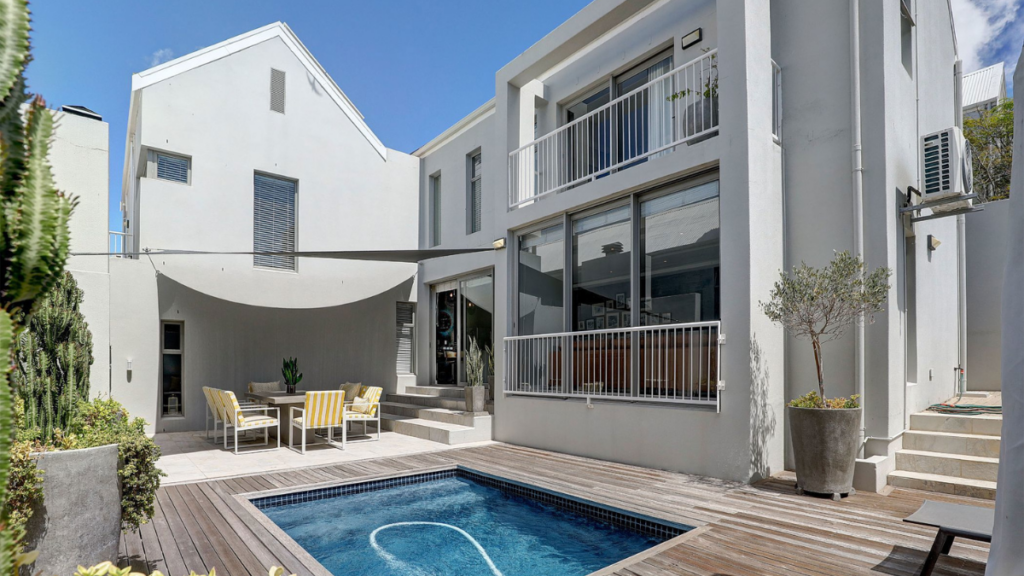
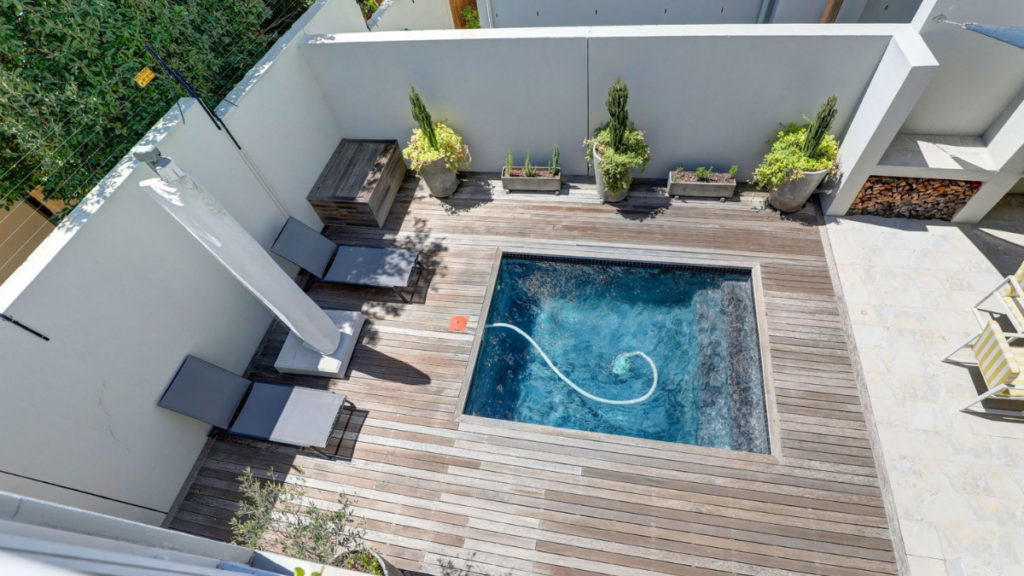
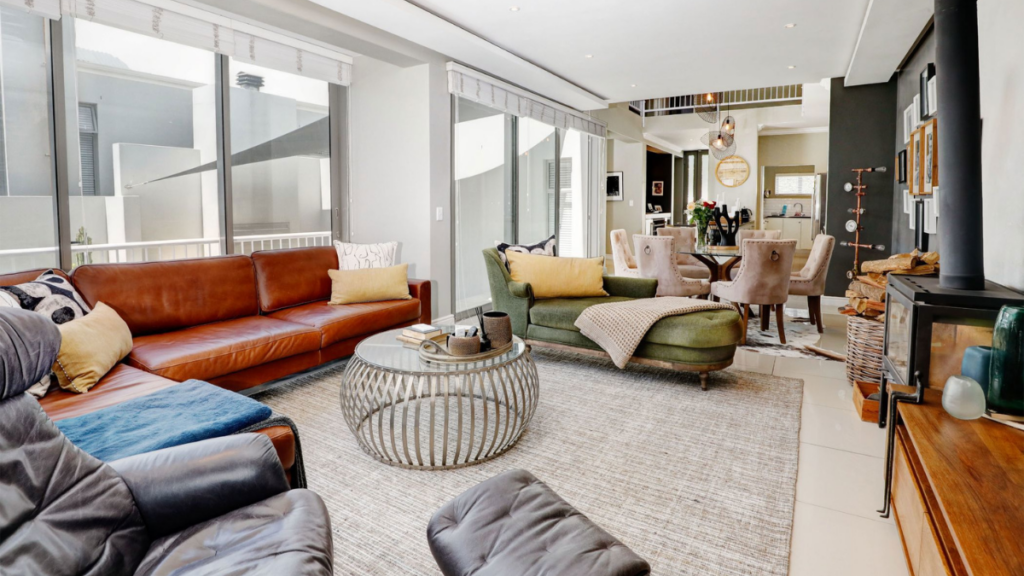
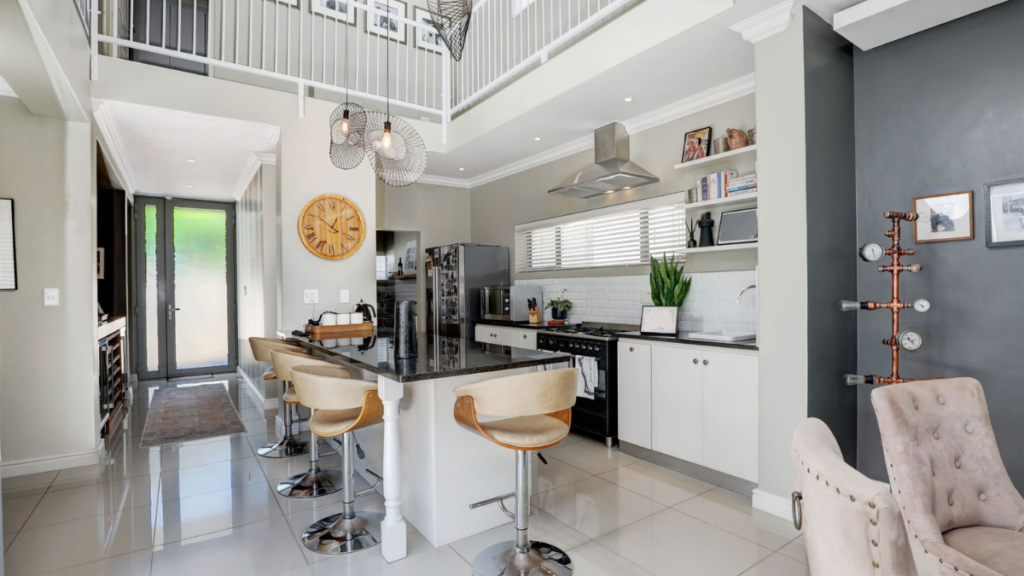
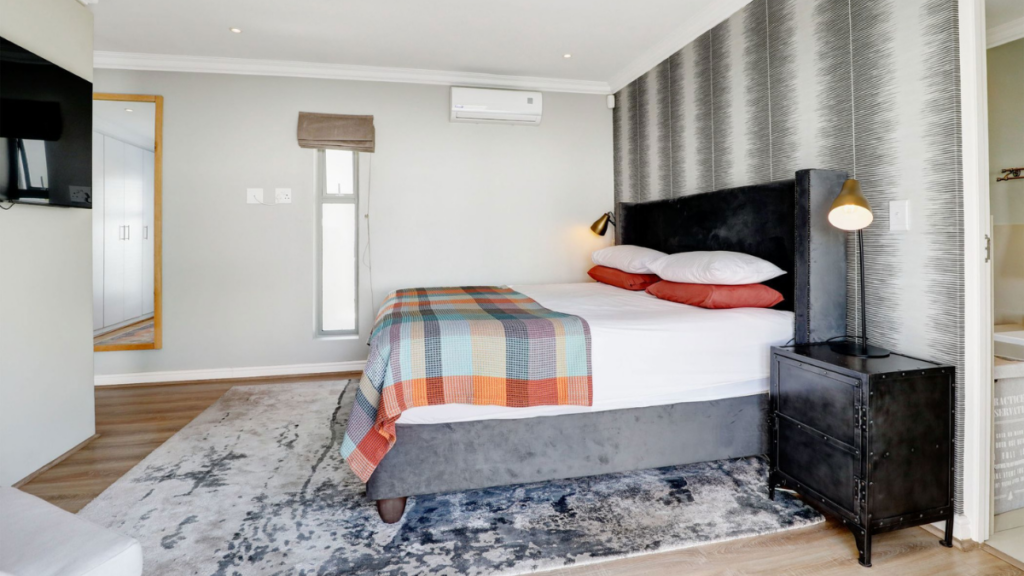
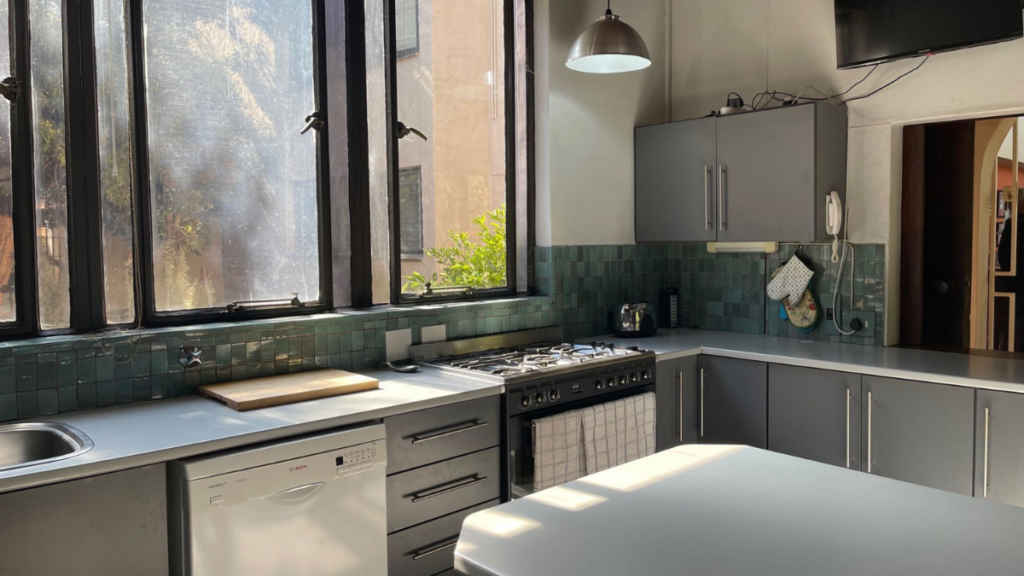
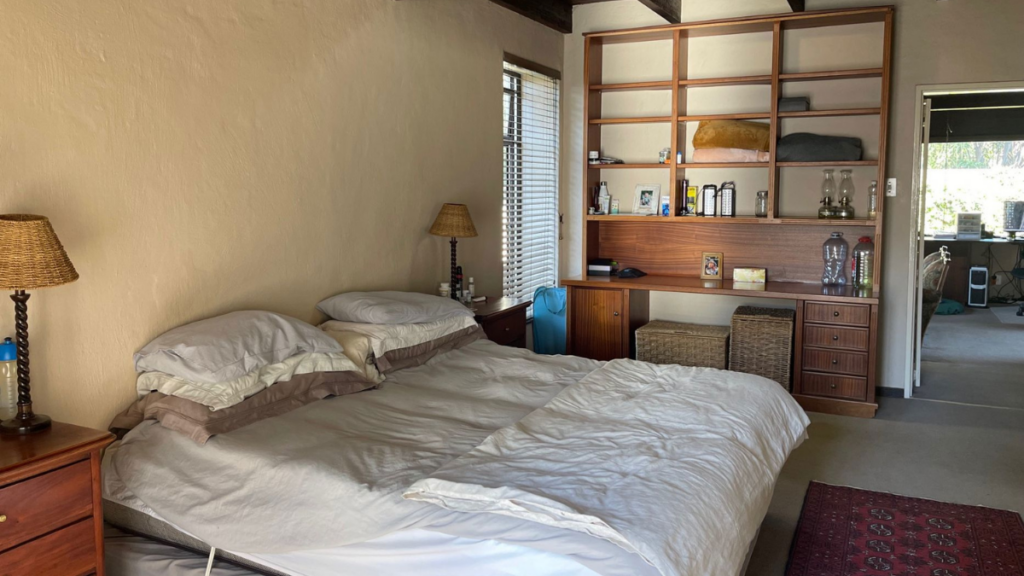
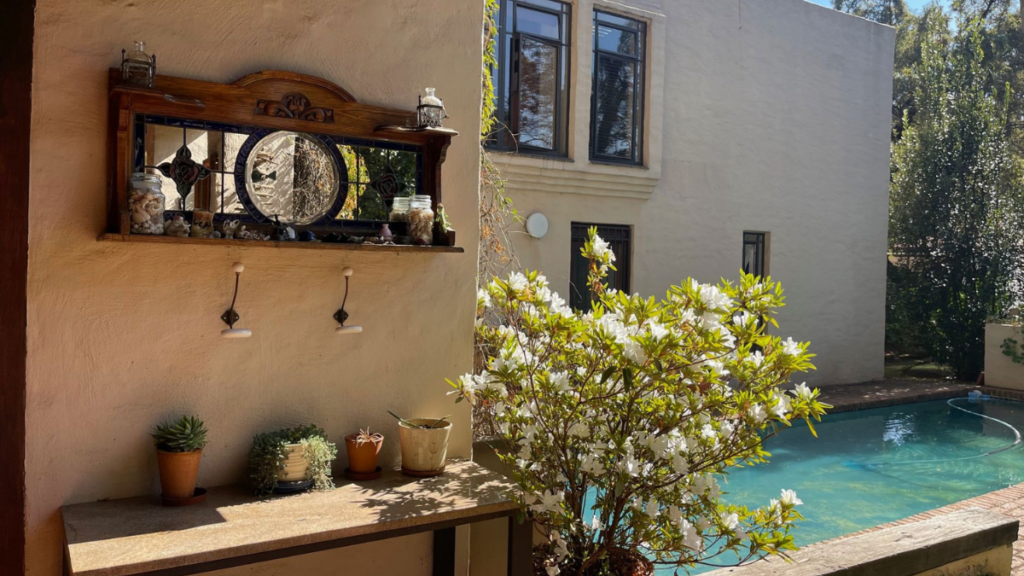
R5.999 3-bedroom house for sale in Aurora, Durbanville
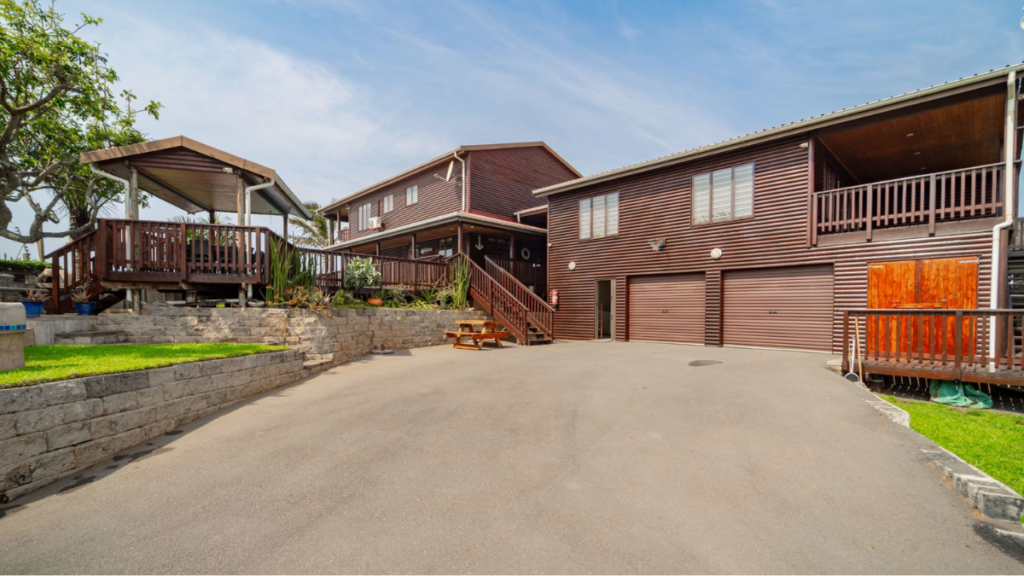
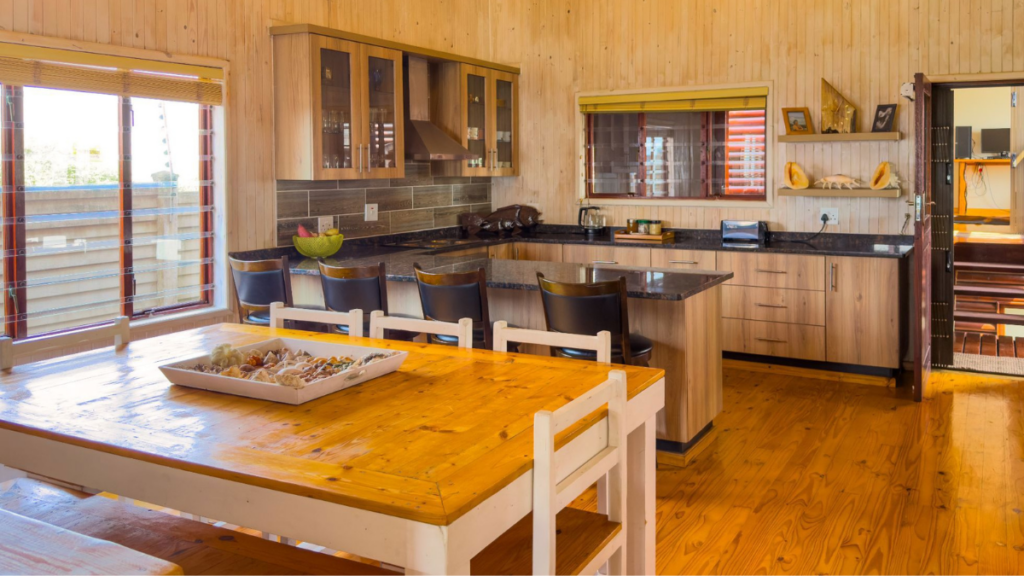
R6.495 4-bedroom house for sale in Tinley Manor
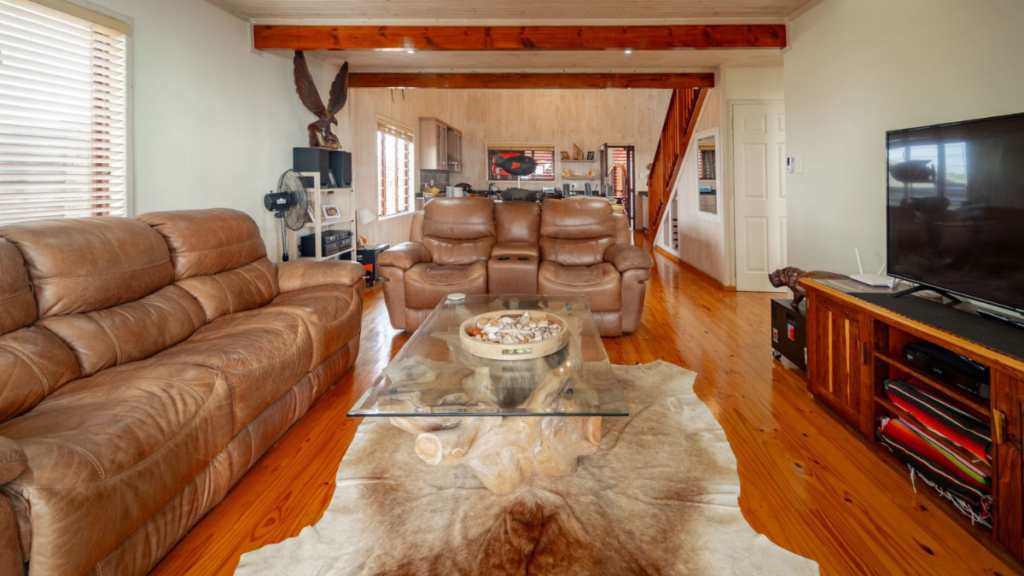
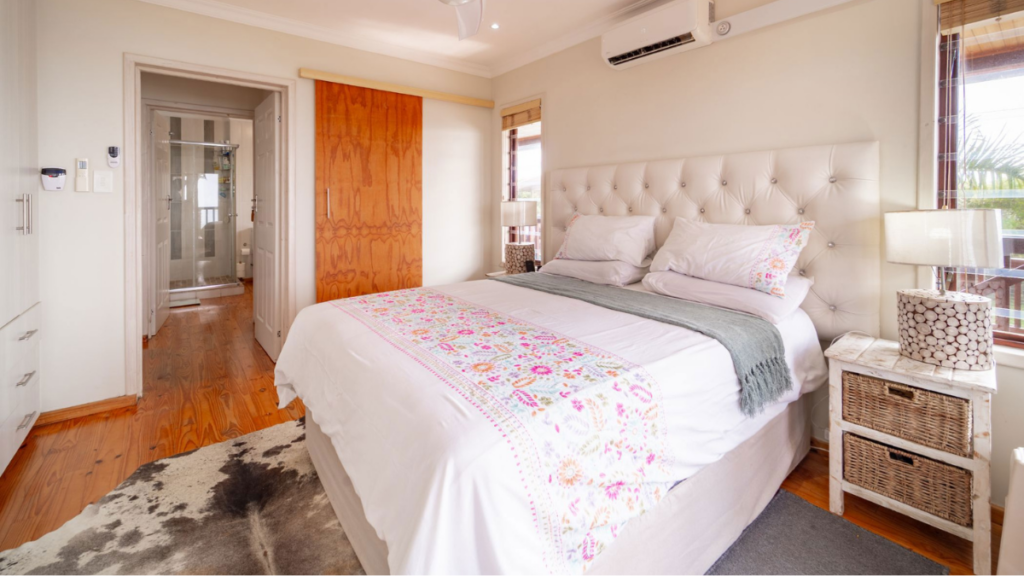
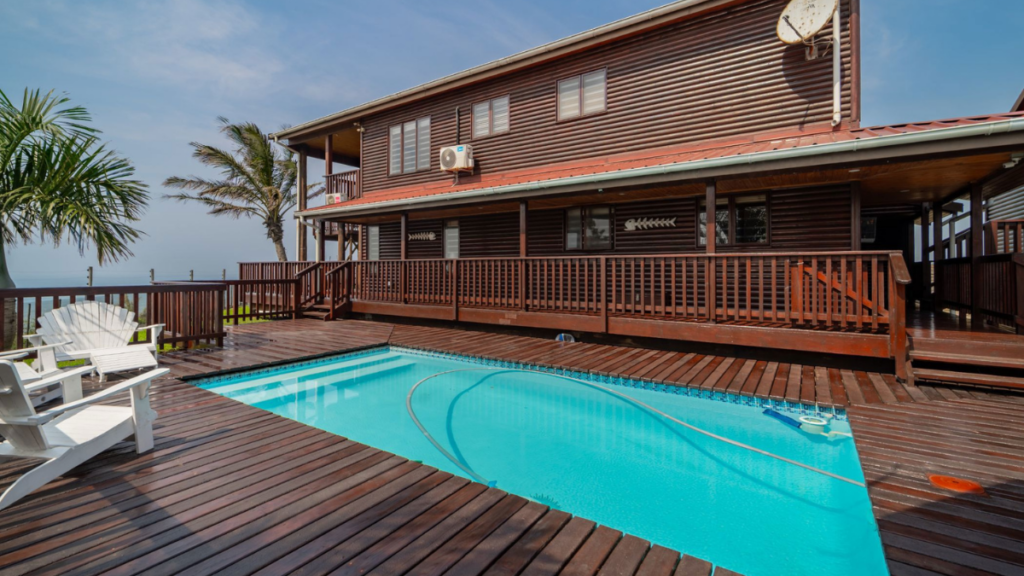
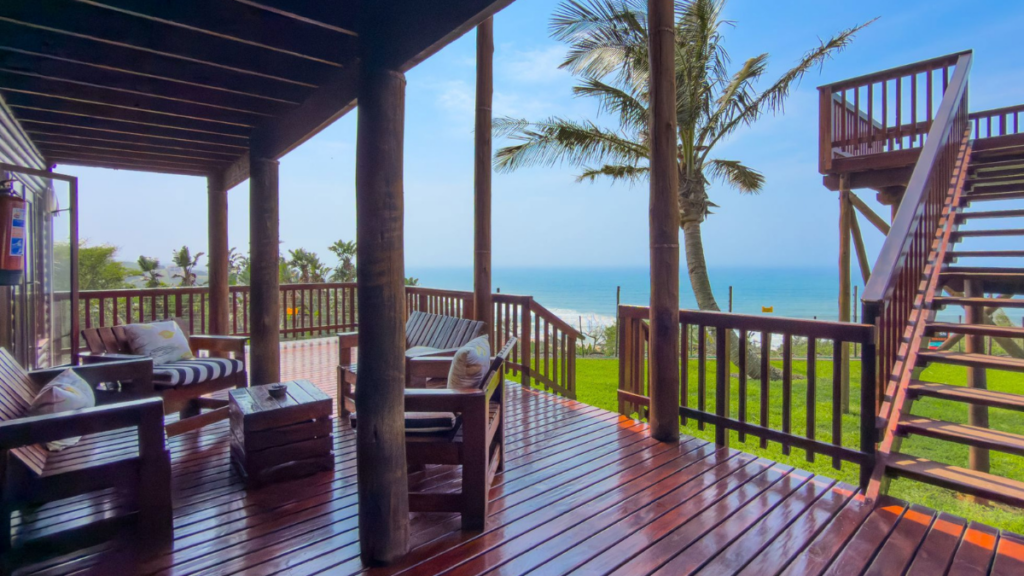
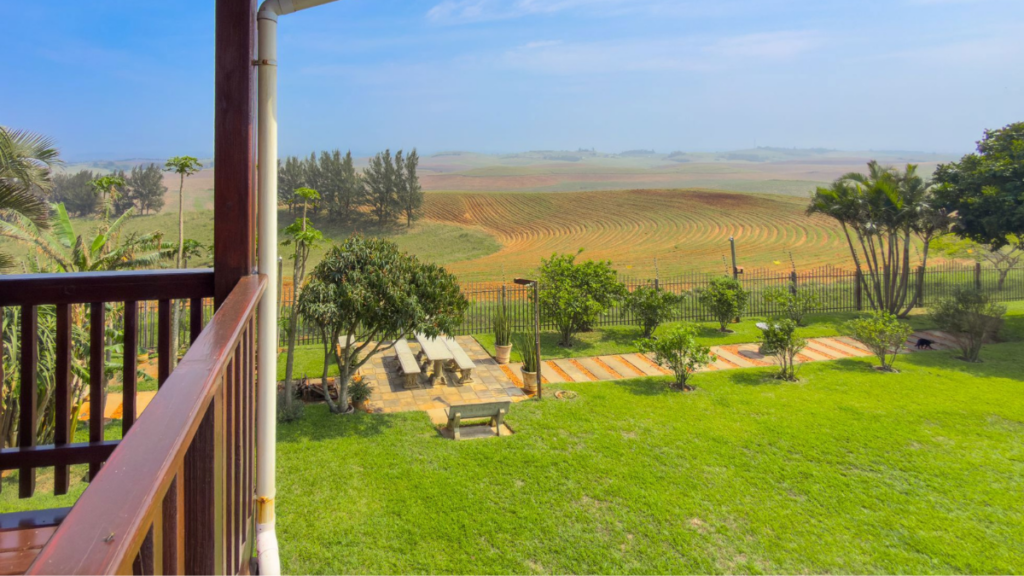
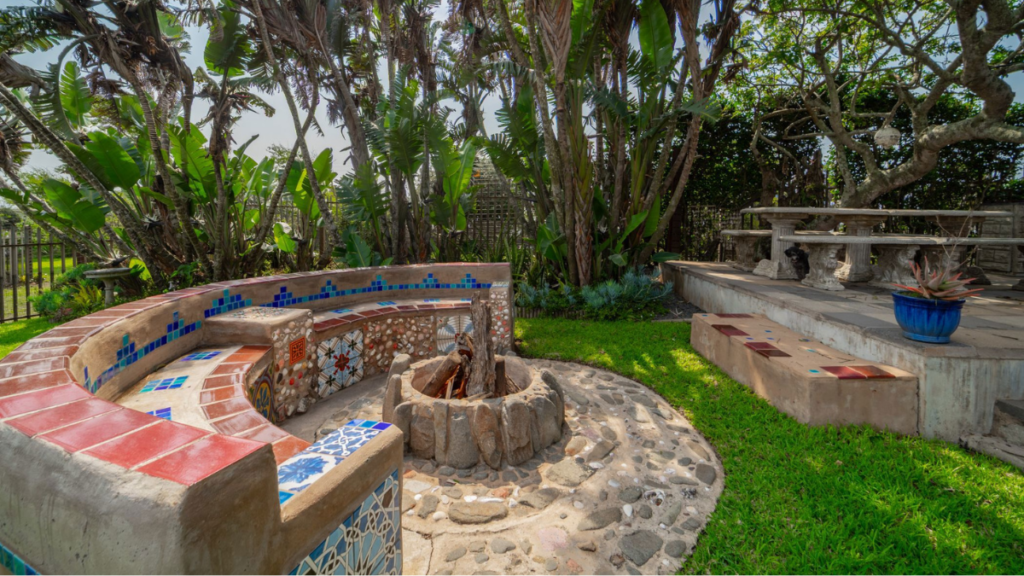
R4.495 million 4-bedroom house for sale in Brooklyn



Comments