Historic Telkom property going under the hammer


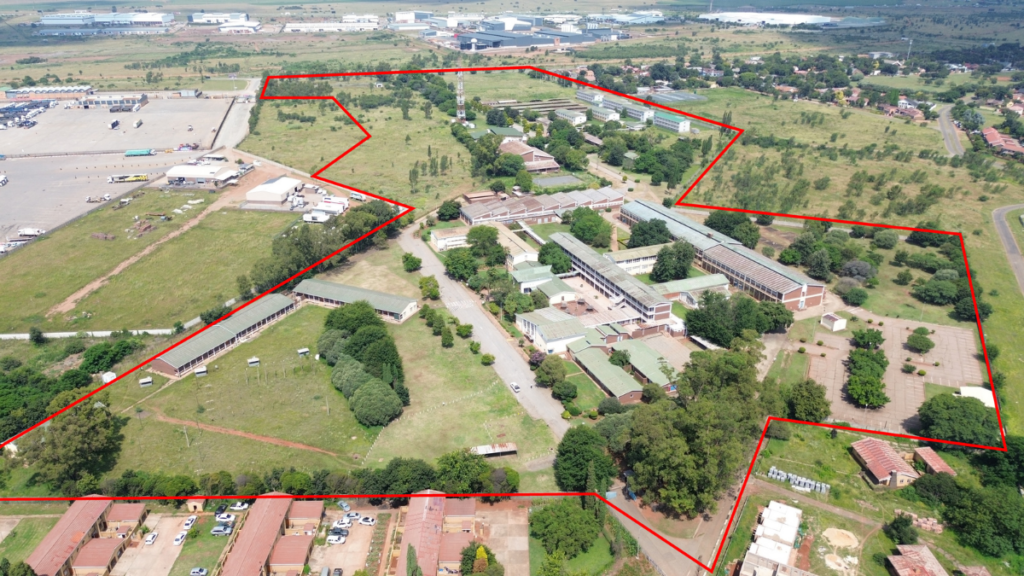
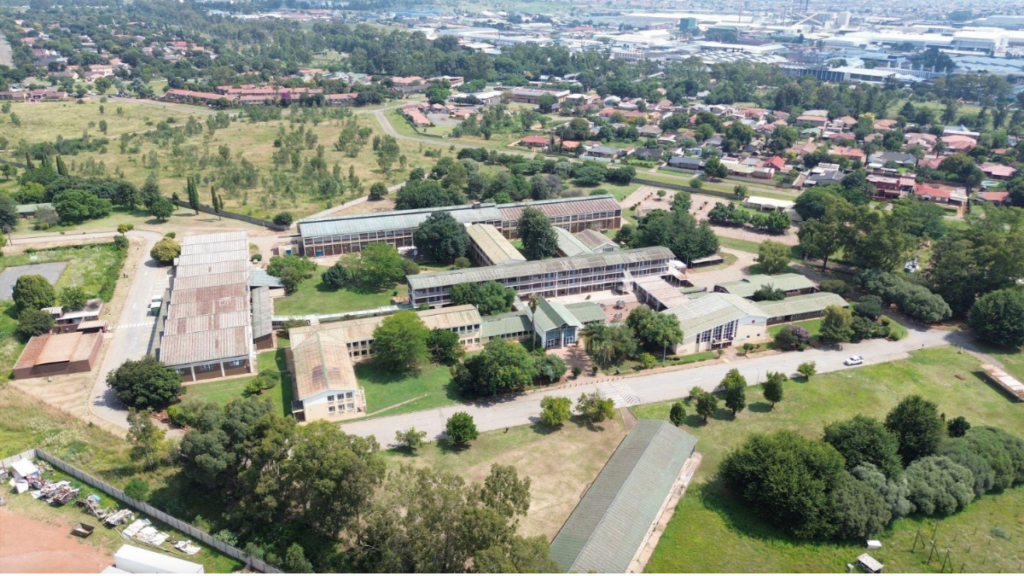
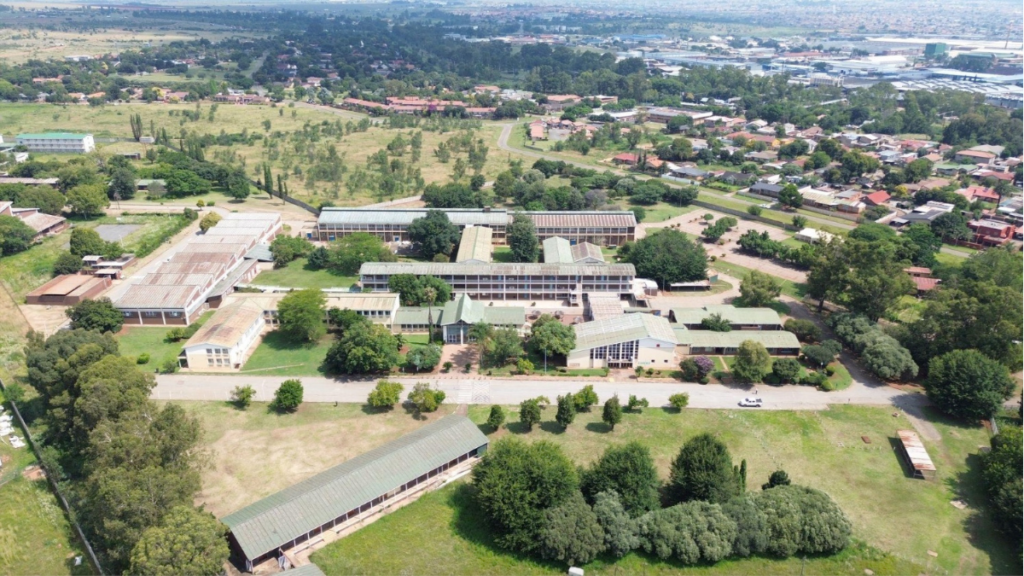
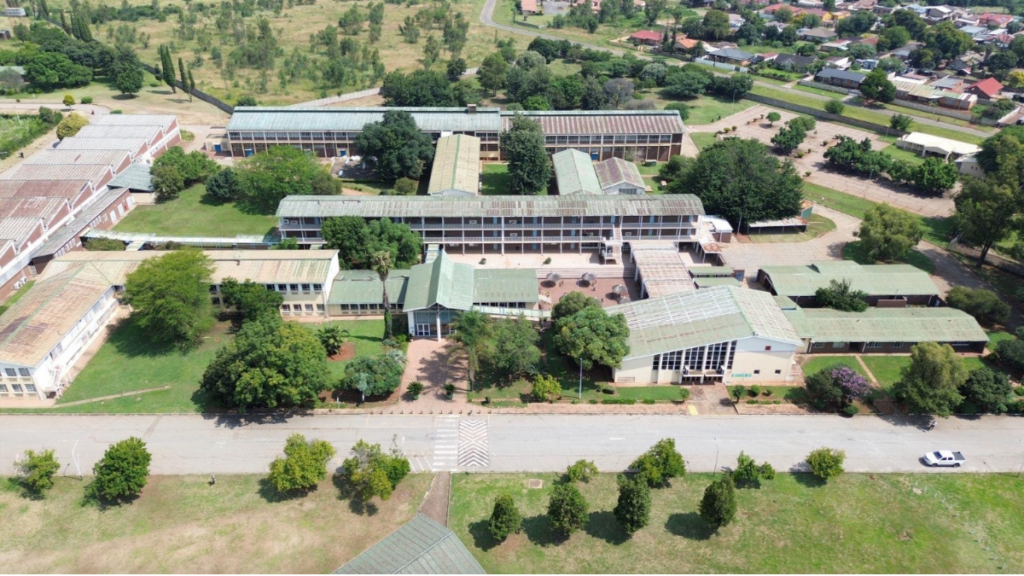
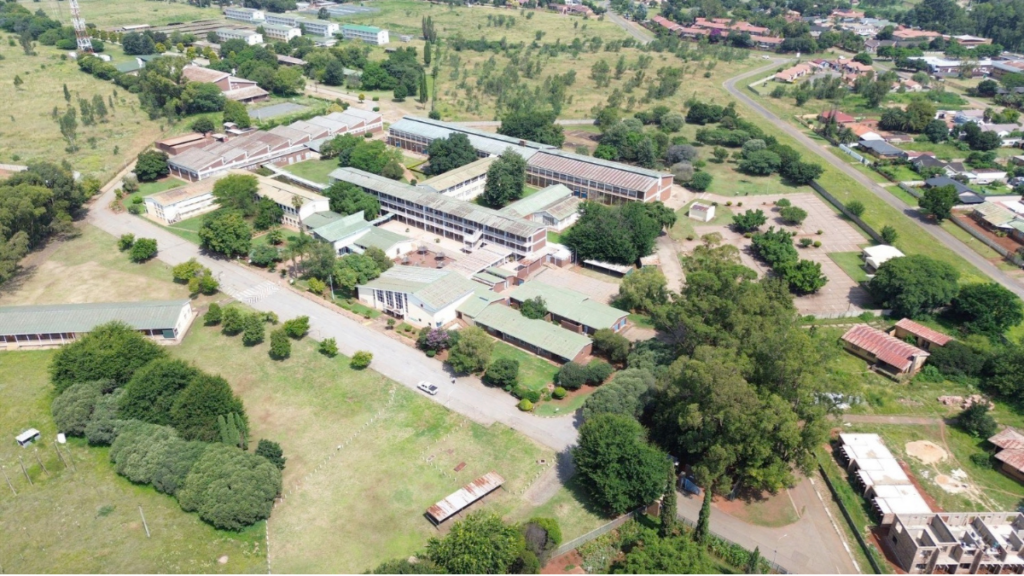
Telkom’s 247,000 m² training centre in Clayville East, Gauteng, is set to go under the hammer soon, offering investors a largely vacant, strategically located property with strong redevelopment potential.
On 19 February 2026, the Telkom Training Centre in Clayville East, Olifantsfontein, will go on auction through Broll Auctions and Sales.
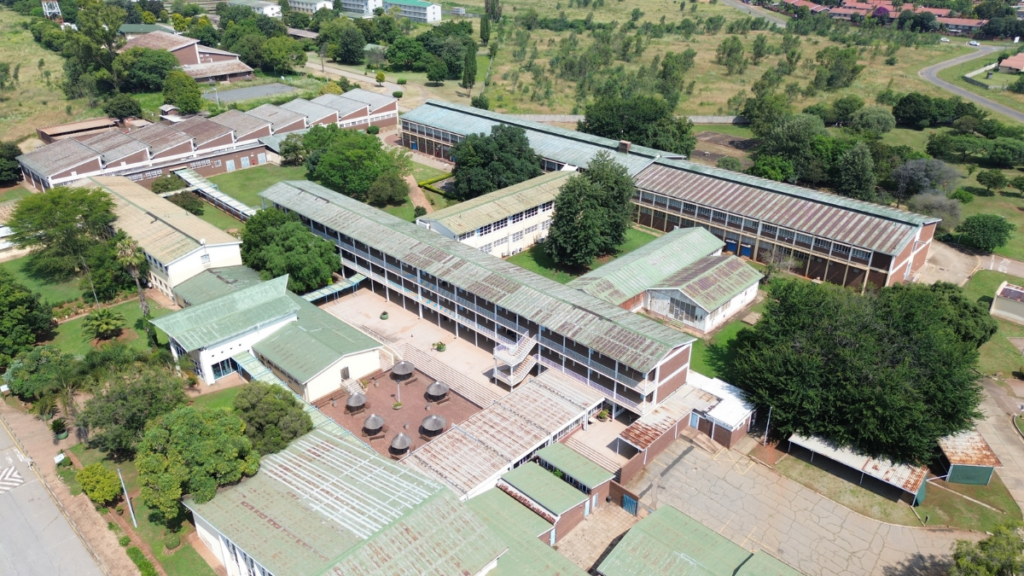
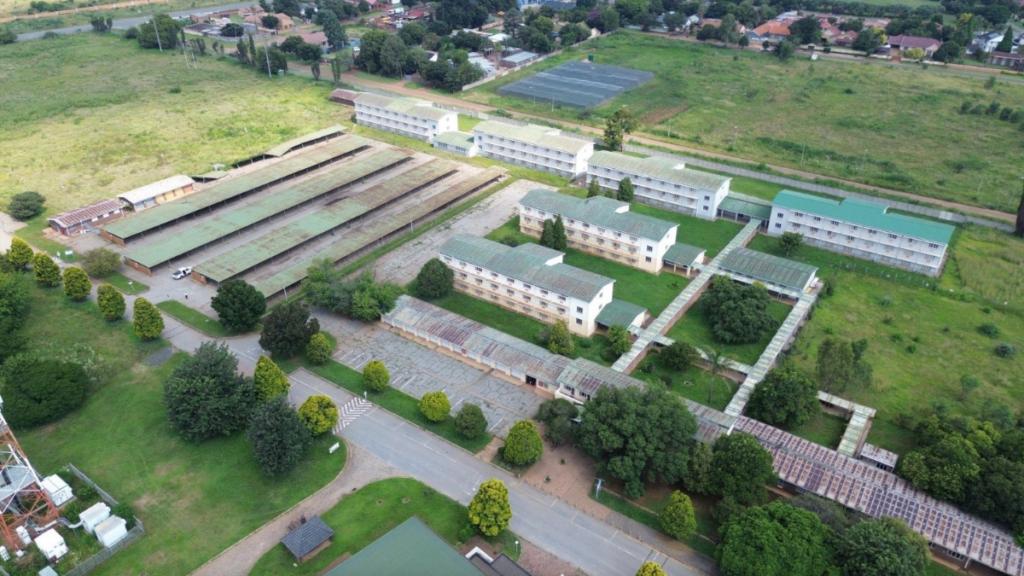
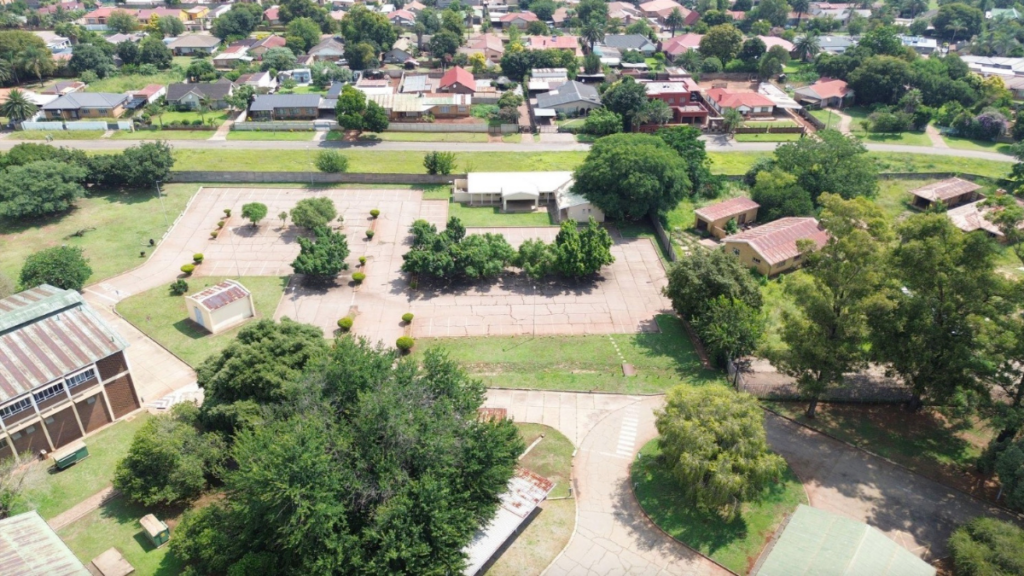
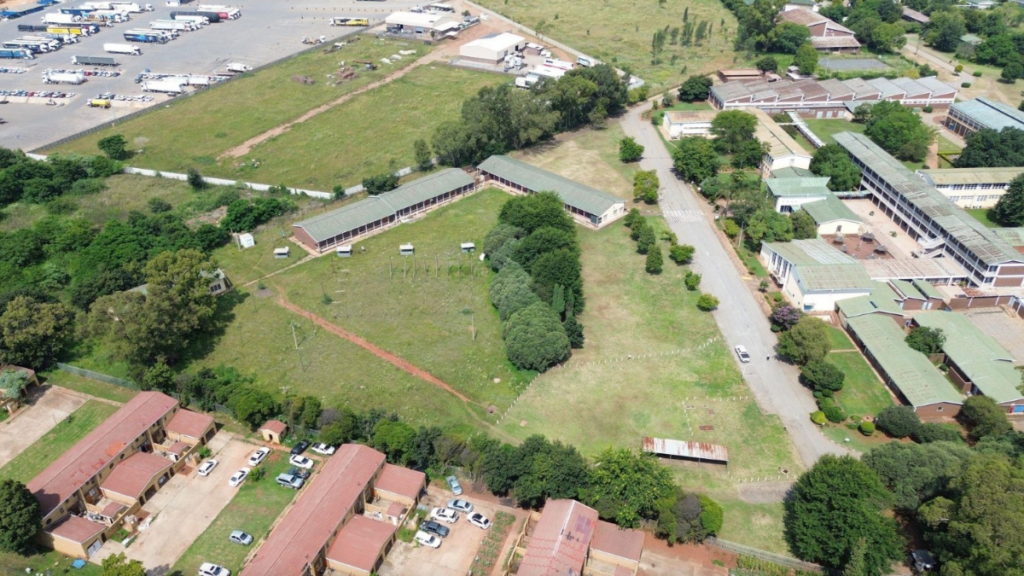
Set on an erf of 247,000 m², the purpose-built corporate training facility features classrooms and lecture halls equipped with advanced technology, as well as practical training areas.
It offers a range of amenities, including secure premises with controlled access, parking facilities, and landscaped grounds.
The property forms part of Telkom’s national network of learning campuses and is strategically positioned near major transport routes, offering convenient access from Midrand, Kempton Park, and Pretoria.
“This property has great redevelopment potential for technical schools or an astute commercial investor and could be considered low-hanging fruit in the adaptive reuse market,” said Broll’s Director, Jayson-Lee Collins.
“With its strategic location and existing infrastructure, it could be reimagined for various commercial applications, from technical educational facilities to mixed-use developments.”
“Under-utilised properties such as this, with strong infrastructure and strategic locations, represent the type of adaptable commercial assets that investors dream of.”
The property will be sold 91.7% vacant, with the existing lease concluding mid-2027, providing incoming buyers with near-immediate flexibility for redevelopment or re-tenanting availability.
Apart from the training centre, Broll also has several other notable commercial properties which are on auction at the moment.
These include an Engen fuel station at Main Road, Sterkspruit, a 3,239 m² retail centre in Evaton Central, a 750 m² lodge in Ohrigstad, and an Actonville apartment block.
Adaptive reuse
According to Broll, Gauteng’s commercial property market is experiencing “cautious stabilisation and selective growth” after several challenging years.
This is providing opportunities for investors focused on quality industrial and adaptable commercial assets.
Collins explained that investors in Gauteng’s commercial sector increasingly favoured retrofitting and mixed-use conversions over tackling the high cost of new construction.
“This trend is known as ‘adaptive reuse’ and sees old and under-utilised buildings given a new lease on life.”
Notable adaptive reuse success stories in Johannesburg include The Lantern House, 44 Stanley and Newtown Junction.
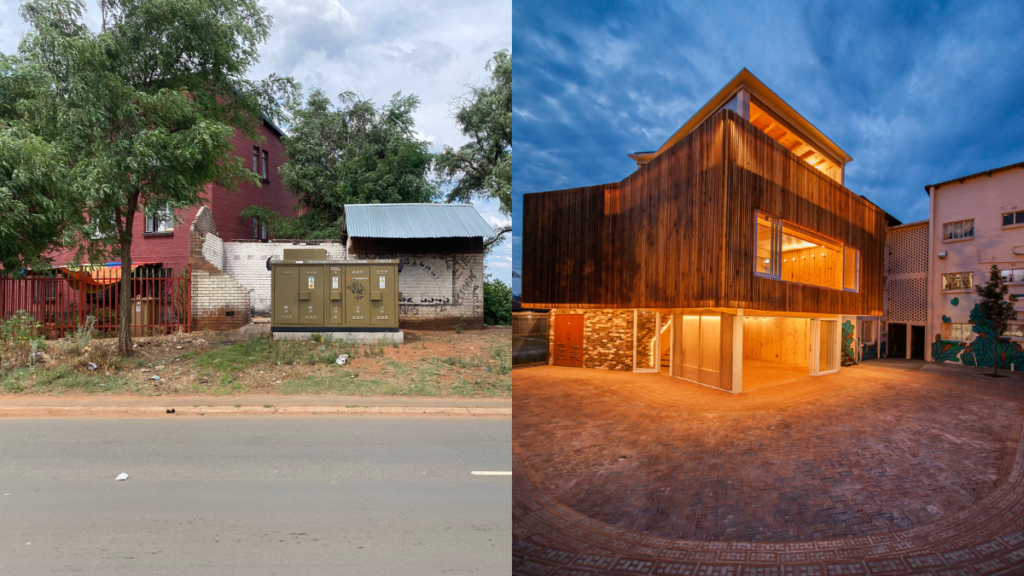
Lantern House was previously a burnt-out substation adjacent to a social housing community in Eldorado Park, a suburb of Soweto.
“We proposed that a new library and community hub, dubbed ‘Lantern House’, could refocus a light on a forgotten corner of a forgotten neighbourhood,” Lantern House explained.
Unfortunately, at only 34 m², the original substation was too small to accommodate the size of the community.
“Expansion of the footprint became possible using mass timber, which could grow arboreally out of the original brick structure.”
“Lantern House literally emerges from the ashes of a substation to three storeys, with a roof terrace offering a new perspective over Soweto.”
Similarly, what is now one of Johannesburg’s most beloved spots, 44 Stanley, was once AA testing grounds and buildings built in the 1930s.
In the early 2000s, ex-surfer boy Brian Green saw the potential and transformed the grounds into what is now a collection of cafes, art galleries, artisan shops and local businesses.
Finally, the thriving Newton Junction was the site where the community of Brickfields was forcibly removed after a reported plague outbreak over a century ago. The area was subsequently burnt to stop any spread of the disease.
In the early 2000s, it was declared a heritage district, a label that brought with it very specific building restrictions, which slowed down modernisation. Atterbury, which transformed the site, faced challenges.
This included preserving certain historical structures, including the Potato Sheds that were part of the city’s first produce market, and the market’s Edwardian-era public men’s room.
There was also a railway line that ran into the marketplace alongside the Sheds, and two pedestrian bridges over it, which had to be preserved and incorporated into the mall’s design.
The Telkom Training Centre



Comments