4,908 jobs on the chopping block in critical South African industry


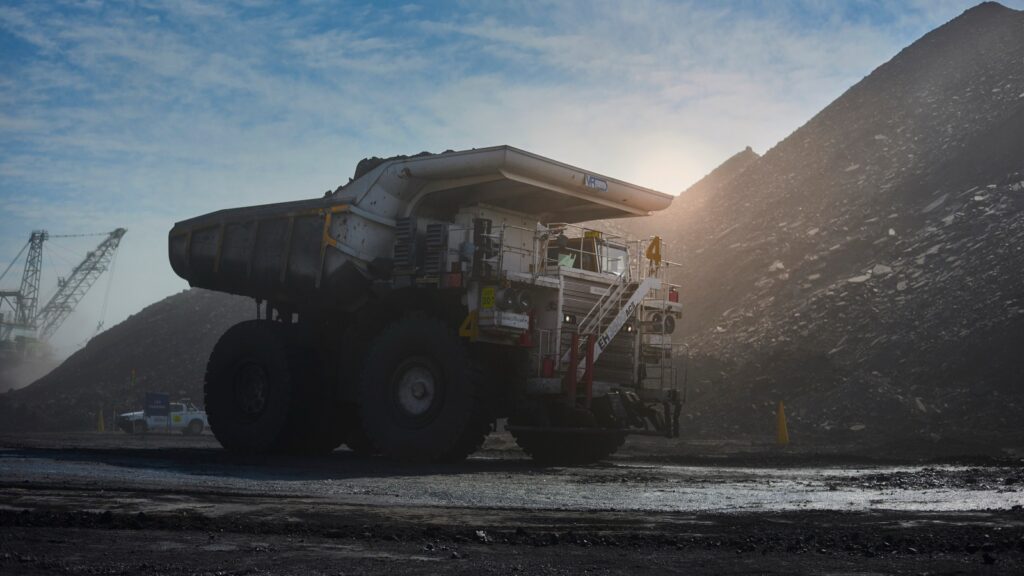
Solidarity has raised concerns about potential retrenchments across South Africa’s mining sector, with 4,908 jobs vulnerable.
In a press statement, the trade union said it had received notice from Seriti Power regarding its restructuring process under Section 189A of the Labour Relations Act.
Seriti is one of the largest miners and suppliers of thermal coal for South Africa’s power stations, employing 14,000 people.
It is the largest black-owned coal supplier to Eskom, having supplied 30% of the state-owned power utility’s coal to date.
However, cost pressures, ageing mining infrastructure, a decline in coal production, and other factors have weighed on the company’s operations.
3,345 of Seriti’s employees are set to receive restructuring-related notices, with 1,043 of these positions likely to be affected before mitigation measures are implemented.
Seriti told Solidarity that 780 employees could be retrenched as a result of the restructuring process.
The proposed termination date for these employees is 31 December 2026, but the company said it had not yet taken any final decisions pending a CCMA consultation process.
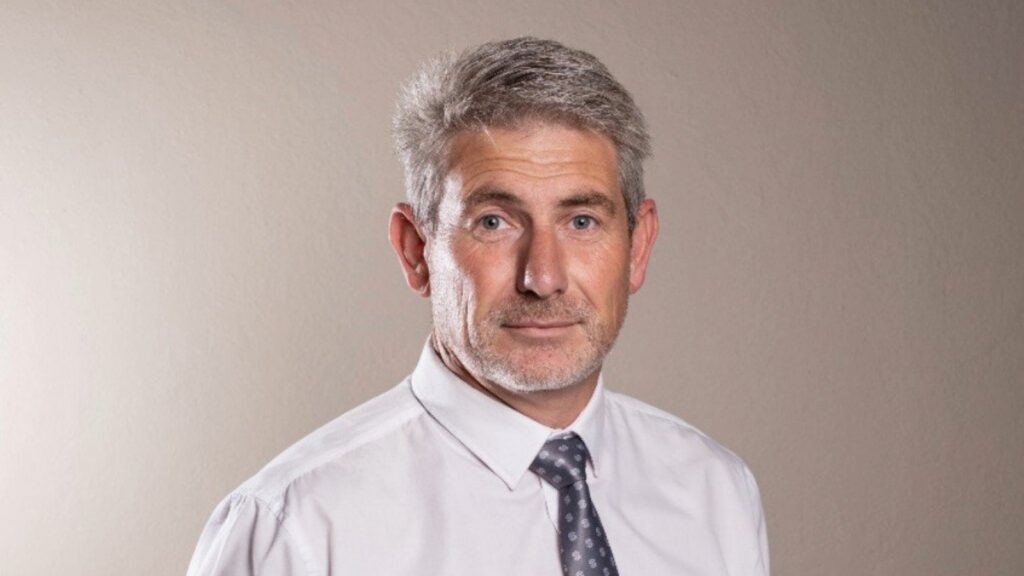
Solidarity Deputy General Secretary Wille Venter said the organisation will insist that Seriti explore all possible alternatives to retrenchment during this process.
This will include redeployments, transfers, voluntary severance packages, and early retirement plans, among other potential solutions.
“Solidarity understands the harsh operational realities facing older mines,” Venter said. “However, we cannot ignore the impact on people and the economy when another 780 jobs could potentially disappear.”
“A retrenchment date on New Year’s Eve makes the situation even more distressing. Solidarity will do everything in its power to protect jobs and limit the impact on employees and their families.”
Even more jobs at risk
Seriti is the latest in a series of companies across South Africa’s mining industry to announce potential retrenchments.
Last week, Solidarity said it had been notified by Sibanye-Stillwater of possible job cuts related to the restructuring of its Kwezi shaft in Rustenburg, which is nearing the end of its lifespan.
1,114 jobs are reportedly at risk due to this restructuring, including 781 permanent employees of Sibanye-Stillwater and 333 contractor employees.
Previous reports indicated that a further 1,214 jobs are under threat as a result of the two-year production suspension at De Beers’ Venetia mine.
In addition, 1,800 jobs could be cut at Petra Diamonds’ Finsch and Cullinan mines, as a result of mounting pressure on the diamond industry.
“We are therefore talking about more than 4,000 employees and contractors who could be affected by these three developments alone,” Venter said.
“This points to a worrying loss of job security in an industry on which thousands of families and communities depend.”
Venter said the timing of the Kwezi restructuring was particularly concerning, as it would give retrenched employees only one or two months to find alternate employment before the Festive season.
He said this uncertainty placed additional pressure on mineworkers across the country, potentially affecting their performance in an already dangerous line of work.
South Africa has recorded 48 mining fatalities in 2026 to date, already higher than the record-low of 41 seen in 2025.
Solidarity said it remains hopeful about Sibanye-Stillwater’s planned revival of its Burnstone shaft near Balfour and the potential to transfer affected employees there.
While the organisation said it would continue to participate in consultation processes, Venter said the situation in South Africa’s mining sector remains concerning.
“Transalloys and Ferroglobe are still waiting for relief in the form of lower electricity tariffs, while concerns about possible job losses in the metals manufacturing industry persist,” Venter said.
“When so many major employers are under pressure at the same time, it is not only individual employees who are at risk, but entire towns, families, and local businesses.”



Comments